How to Propagate Mint: Cuttings, Runners & Aftercare
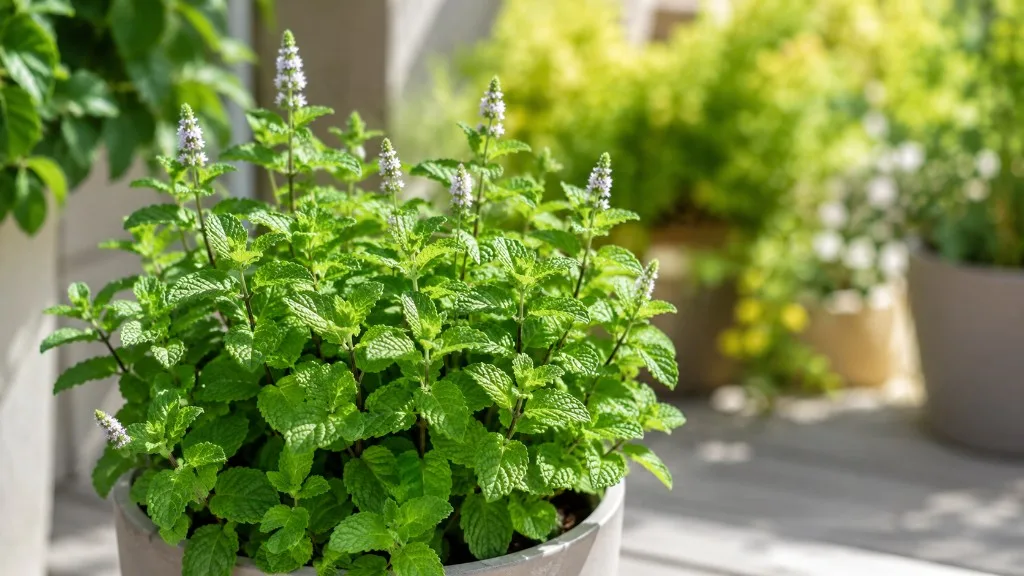
How to Propagate Mint: Cuttings, Runners & Aftercare
How to Propagate Mint: Cuttings, Runners & Aftercare
Mint propagation is one of the fastest ways to turn a single pot into a steady kitchen supply - if you respect how Mentha actually grows. Unlike basil, which you often restart from seed each year, mint is a hardy herbaceous perennial that spreads by runners, stolons, and underground rhizomes. That biology means you rarely need fancy equipment. A rooted runner lifted from an established clump can become a full plant in days. A 4-inch stem in a water jar often shows white roots within two weeks. The real challenge is not whether mint will propagate - it almost always will - but whether you choose the method that matches your starting material and whether you contain the roots so new plants do not colonize the entire garden.
This guide covers runner division, stem cuttings in water, and direct soil rooting for spearmint (Mentha spicata) and closely related garden mints including peppermint (Mentha × piperita). You will learn how to identify a usable node on a square Lamiaceae stem, when division beats water cuttings, how to propagate from a supermarket bunch, how to pot up without shock, and how to keep invasive rhizomes from escaping through drainage holes. For full container strategy and daily care after your new plants are established, see the Mint plant care overview and linked guides on watering, soil, light, repotting, and pruning.
Why Mint Propagation Usually Starts With Runners or Nodes
What Makes Mentha Easy to Multiply
Mint belongs to the Lamiaceae family - the mint family - alongside basil, rosemary, and oregano. Like its relatives, mint roots readily from soft stem tissue at nodes, the joints where leaves attach to the square stem. Roll a mint stem between your fingers and you will feel four distinct sides, a useful ID clue shared with other Lamiaceae herbs.
What sets mint apart from basil is persistence and horizontal spread. UF/IFAS Gardening Solutions notes that mint grows rapidly, sending out runners everywhere, and can become weedy if left unchecked. North Carolina Extension describes spearmint as spreading by rhizomes plus stems that root wherever they touch soil. That means propagation is often less about coaxing roots to form and more about harvesting roots that already exist on runners creeping from the parent plant.
Mentha spicata is native to Europe, the Mediterranean, and temperate western Asia and typically reaches 30–60 cm (1–2 feet) tall while spreading vigorously in favorable conditions. The USDA PLANTS profile confirms its herbaceous perennial habit. Fast horizontal growth is exactly why division from an established clump is often the quickest propagation path - you are transplanting tissue that has already invested in roots.
Division vs. Water Cuttings: Which Fits Your Goal
Use this decision framework before you start:
- Runner division when you already have an established mint plant - in a pot or garden clump - and want the fastest path to a rooted start. UF/IFAS states mint is propagated by cuttings or division, and that runners can be removed and transplanted. Division gives you a plant with existing roots in hours to days, not weeks.
- Stem cuttings in water when you want visible rooting progress, when you are working from a small nursery plant or grocery bunch without many runners yet, or when you want several clones from tip growth after a pruning session. UF/IFAS Extension Nassau County confirms spearmint can be propagated by cuttings placed in a medium kept moist until roots establish. Water cuttings typically root in 7 to 14 days under warm, bright conditions.
- Direct soil rooting when you prefer to skip the water stage and pot directly into mix - useful if you tend to leave cuttings in jars too long and deal with brittle water roots.
Neither method requires rooting hormone for soft mint stems, though a light dip can slightly speed soil rooting. Both spearmint and peppermint propagate by cuttings or division, per University of Maryland Extension.
Method Selection Comparison Table
| Method | Speed to rooted plant | Best starting material | Visibility | Invasive-risk note |
|---|---|---|---|---|
| Runner division | Fastest - often same day | Established clump with creeping stolons | Low - roots already present | High if replanted in open ground without barrier |
| Water cuttings | 7–14 days typical | 4–6 inch green tip stems with nodes | High - watch roots daily | Low until potting - risk rises at transplant if uncontained |
| Soil cuttings | 10–14 days typical | Same stems as water method | Low - tug-test only | Low until established - same containment rules apply |
Bottom line: Division is fastest when you have runners. Water cuttings are the most beginner-friendly when you want to see progress jar by jar. All methods succeed more often than they fail if you use green, actively growing tissue and keep moisture clean.
Best Timing, Light, and Temperature for Rooting
Mint roots during active growth - whenever the parent plant pushes soft, non-woody stems. Outdoors that is typically spring through early autumn. Indoors on a bright windowsill, you can propagate year-round if temperatures stay moderate.
Avoid taking cuttings or divisions from a plant that was just shipped, recently repotted into soggy mix, or wilting from drought. Stressed tissue rots before it roots. Rehydrate a dry parent first, then propagate the next day.
Light drives the photosynthesis that fuels rooting. Mint grows in full sun to partial shade - at least 4 to 6 hours of direct sunlight daily for compact growth, per Utah State University Extension. For cuttings, bright indirect light is ideal: a kitchen counter near an east-facing window or a spot a few feet from south-facing glass. Intense afternoon sun on a water jar heats the water, encourages algae, and can scorch tender leaves.
Temperature matters as much as light. Mint roots fastest when daytime temperatures sit roughly between 18 and 29°C (65 and 85°F). Cuttings on a cold windowsill below 15°C (60°F) may sit unchanged for weeks or rot. A warm room with stable humidity outperforms a bright but chilly ledge.
For seasonal context, UF/IFAS spring herbs guidance notes that perennials like mint grow best when started from cuttings or divisions and then transplanted - spring is a natural window, but container growers are not locked to a calendar if indoor conditions stay favorable.
Tools, Materials, and Container Isolation Basics
You do not need a propagation station. Gather sharp scissors or snips, clean containers, and eventually pots with drainage holes and well-drained mix matching the Mint soil guide recommendations.
For water cuttings: a clear glass or jar, room-temperature water, and a small pot with drainage for transplant.
For division: a hand trowel or hori-hori knife, extra pots at least 12 to 16 inches (30 to 40 cm) in diameter per Maryland Extension’s container recommendation, and pre-moistened potting mix rich in organic matter with perlite for drainage.
Sterilize blades with soap and water or a quick wipe of 70% isopropyl alcohol if the parent had past pest issues. A ragged crush-cut bruises stem tissue and invites rot.
Container isolation is non-negotiable for mint. Illinois Extension warns mints will become invasive in the garden and recommends growing in containers above ground. University of Maryland Extension advises a 12 to 16 inch diameter pot, trimming runners that creep over the rim, or planting in a bottomless container buried with about 1 inch of rim above soil so escaping stolons are visible and cut before they root outside. When you propagate, plan containment from day one - not after mint has spread.
If cats or dogs share your home, note that the ASPCA lists Mentha species as toxic to cats, dogs, and horses, with vomiting and diarrhea possible after significant ingestion. Keep propagation jars and new pots on elevated surfaces out of pet reach.
Nodes, Runners, and What Actually Roots on Mentha
Identifying a Usable Node on Square Mint Stems
The node is the joint on the stem where leaves attach and where adventitious roots emerge when moisture is present. On mint, nodes appear as slight ridges or paired leaf scars along the square stem. A leaf alone without a node may green up in water but will not become a full plant.
For cuttings, you need a stem segment that includes at least one node submerged in water or buried in mix. Two nodes give insurance if the lowest one fails. The internode - the stem section between nodes - does not root; only the node region produces root initials.
Choose green, firm stems from the top half of the plant. Woody brown bases and heavily flowering stems root slowly. If your mint is bolting with flower spikes, pinch the buds off and use the green growth below.
Runners, Stolons, and Underground Rhizomes
Mint spreads three ways simultaneously, which is why division works so well:
- Rhizomes - horizontal underground stems that travel beneath the soil surface.
- Stolons (runners) - horizontal stems above ground that root at every node touching soil.
- Stem fragments - any piece with a node that lands in moist soil can restart.
UF/IFAS Gulf County Extension explains that mint spreads rapidly by surface or underground runners that may grow several feet from the parent, and that runners with roots attached can be removed and transplanted. When you lift a runner that already has white roots at a node, you are not starting from zero - you are moving a plant that has already done half the work.
Method 1 - Dividing Mint Runners From an Established Clump
Division is the fastest mint propagation method when you have an established plant. It is the method UF/IFAS highlights when noting runners can be removed and transplanted or shared.
Step-by-Step Runner Division
-
Water the parent plant lightly the day before if the mix is dry. Hydrated tissue separates cleanly; desiccated runners snap.
-
Identify a runner creeping from the pot rim or across the soil surface. Look for nodes that have already formed white or brown roots where the stem touched soil. These rooted sections are your best division material.
-
Trace the runner back toward the parent crown. With clean scissors or a knife, sever the runner where it has a healthy root cluster and at least one set of leaves - or buds - above the root zone. You can often harvest multiple divisions from one crowded pot.
-
Lift the division gently, keeping roots intact. If dividing a dense in-ground or large-container clump, you may need to lift the entire plant, tease apart sections with your hands, and replant each piece with its own crown and root mass. Each division needs roots plus growing points - leaves or dormant buds.
-
Plant immediately into a prepared pot with moist, well-drained mix. Set the crown at the same depth it grew before - do not bury stems deeper than they were originally. UF/IFAS Nassau County recommends containing plants in pots buried to the rim or growing in a large controlled area - apply that logic to every new division.
-
Water thoroughly once, place in bright indirect to partial sun, and hold off on fertilizer for two to three weeks until new growth confirms the roots are active.
-
Trim any escaping runners weekly during the first month. Mint will test every boundary you give it.
Expect visible new top growth within 3 to 7 days on a healthy division in warm conditions. That is dramatically faster than waiting for water roots on a tip cutting.
Method 2 - Rooting Stem Cuttings in Water
Water propagation is the most popular mint propagation method for beginners because it is visible, simple, and reliable. You watch white root tips appear day by day, which tells you exactly when the cutting is ready for soil.
Choosing, Cutting, and Jar Setup
Select a stem 4 to 6 inches (10 to 15 cm) long from healthy parent growth. The stem should be green and firm, not woody at the base. Avoid stems with heavy flower spikes - flowering stems root more slowly.
Locate a node and make your cut just below it, about ¼ inch (6 mm) beneath the joint. Remove all leaves from the lower two-thirds of the stem so nothing sits below the waterline. Leave one or two sets of leaves at the top for photosynthesis. Submerged leaves rot within days and foul the water.
Place the stem in a clean glass with 2 to 3 inches of room-temperature water. The cut end and at least one node must stay submerged. Multiple cuttings can share one jar if leaves are not crowded.
UF/IFAS Nassau County confirms cuttings should be kept moist until the root system is well established before transplant - water jars satisfy that requirement with the added benefit of visibility.
Water Changes and When Roots Are Ready
Set the jar in bright, indirect light. Change the water every two to three days to maintain oxygen and limit bacterial growth. Stagnant water turns cloudy, smells sour, and causes stem rot before roots appear.
First white root tips usually show in 5 to 10 days under warm, bright conditions. By 7 to 14 days, most healthy mint cuttings have a visible root cluster. Allow roots to reach 2.5 to 5 cm (1 to 2 inches) long before potting. Shorter roots snap during transplant; roots left in water much beyond 2 inches become brittle and break when handled.
Mint cuttings may wilt slightly for the first day after cutting - that is normal. If a cutting collapses completely and does not recover after 48 hours in fresh water, discard it and take a new one from fresher growth.
Method 3 - Rooting Cuttings Directly in Soil
Soil rooting skips the water stage and produces roots adapted to the medium where the plant will live. The trade-off is you cannot see progress, so patience and consistent moisture matter.
Fill a small pot - 8 to 10 cm (3 to 4 inches) is enough for one cutting - with pre-moistened potting mix amended with 15 to 20% perlite, matching the drainage balance described on the Mint soil guide. Insert the prepared cutting so the lowest node is buried and remaining leaves sit above the surface. Firm the mix gently around the stem.
Place the pot in bright, indirect light at 18 to 27°C (65 to 80°F). Keep the mix consistently moist but not soggy - think wrung-out sponge, not mud. A clear plastic bag propped over the pot can raise humidity and reduce wilting, but vent it daily if condensation builds heavily.
Roots typically form in 10 to 14 days, sometimes faster with bottom warmth. Test after two weeks with a very gentle tug - slight resistance means roots are developing. Do not yank. New top growth is an even better sign.
Soil-rooted cuttings transition to normal Mint watering rhythms more smoothly than water-rooted ones because they never had to switch environments. For growers who tend to leave cuttings in water too long, soil rooting avoids brittle-root breakage.
Transplanting and Containing Invasive Roots
Moving a water-rooted cutting into soil is the most fragile step in mint propagation. Water roots are structurally different from soil roots - they are adapted to an oxygen-rich aquatic environment. When they contact soil, the plant rebuilds root tissue, and you may see temporary wilting for 3 to 7 days even when you do everything right.
Pot up when roots are 1 to 2 inches long - not before, not long after. Prepare a container with moist, well-drained mix and drainage holes. Create a hole, lower the cutting in, and gently spread roots without crushing them. Bury the stem to the same depth it sat in water - the lowest node should be covered.
Water thoroughly once, then keep the mix lightly and consistently moist for the first week. Place the pot in bright indirect light, not intense direct sun. Direct sun on a freshly potted cutting accelerates wilting.
Containment at transplant is critical. RHS guidance recommends growing mint in pots to keep it contained because underground stems spread into surrounding soil. After potting:
- Use a container at least 12 to 16 inches wide for a long-term plant.
- Elevate the pot on feet or a solid saucer so rhizomes cannot exit drainage holes into soil below - a strategy aligned with Maryland Extension runner-trimming advice.
- If planting in a garden bed, use a bottomless pot buried with rim above soil rather than planting divisions directly in open ground.
- Trim stolons that creep over the pot lip before they touch neighboring soil.
Do not let rooted cuttings sit out of water while you prepare pots - exposed root hairs dry in minutes. Have the pot ready before you lift the cutting from the jar.
Aftercare During and After Rooting
Whether your new plant came from a division or a cutting, the first month is about stable conditions, not aggressive pushing.
Water when the top 2 cm (about 1 inch) of mix approaches dry - the same finger-test rhythm recommended on the Mint watering guide. Freshly rooted plants have smaller root systems than mature ones, so the pot dries more slowly than you expect. Soggy mix after potting is the fastest way to lose a newly rooted mint.
Light should be bright. Mature mint wants full sun to partial shade with at least 4 to 6 hours of direct light for best flavor. Newly potted cuttings benefit from a few days of indirect light, then gradual move to stronger light per the Mint light guide.
Fertilizer can wait. Hold feeding until the plant shows active new growth - usually two to three weeks after potting a cutting or division. Then apply a dilute balanced liquid fertilizer at quarter to half strength every three to four weeks during active growth, following the lighter approach on the Mint fertilizer guide.
Pinch or harvest the top once the plant has four to six sets of leaves to encourage branching. Each pinch redirects energy into side shoots - the same harvest-driven bushing that Maryland Extension notes regular harvesting encourages.
Most mint from cuttings reaches a first meaningful harvest in 3 to 4 weeks after potting under warm, bright conditions. Divisions may be harvestable sooner because they started with more root mass.
When roots fill the pot or escape drainage holes, move to a larger container following the Mint repotting guide - typically every 6 to 12 months for fast-growing container mint.
Propagating Mint from a Store-Bought Bunch
Supermarket and farmers-market mint bunches are often excellent mint propagation material because stems were cut recently and are fully hydrated. Many home cooks accidentally root grocery mint by storing stems in water on the counter - and discover new white roots a week later.
To propagate intentionally, remove rubber bands or twist ties immediately. Rinse the base, then trim 1 cm (½ inch) off each stem end with clean scissors - a fresh cut opens water-conducting tissue. Strip lower leaves and place stems in clean water as you would with garden cuttings.
Grocery stems sometimes carry more bacteria from transport, so change water every one to two days at first. Expect roots in 7 to 14 days under warm, bright conditions.
One limitation: you rarely know the exact cultivar - spearmint, peppermint, or a mix - and store mint may be grown hydroponically. For predictable flavor, propagate from a known plant you already grow. For free plants and experimentation, grocery bunches work well.
Not every stem in a bundle will root. Take six stems, expect four or five successes, and discard any that turn slimy or black at the base.
Spearmint, Peppermint, and Propagation Caveats
Most mint propagation advice applies equally to spearmint (Mentha spicata) and peppermint (Mentha × piperita) because both propagate by cuttings or division, per Maryland Extension. Peppermint produces darker leaves and a sharper menthol aroma but follows the same node-and-runner biology.
Mint grown from seed often does not come true to type because species hybridize freely, as Utah State University Extension warns. Propagation by cuttings or division preserves the flavor profile of the parent - another reason cloning beats seed for kitchen herbs.
Avoid propagating from woody, exhausted stems at the base of an old plant. Mint flavor and rooting speed decline on aging tissue. Restart from tip cuttings or runner divisions, and retire woody parent sections - the same harvest-first philosophy on the Mint overview.
Common Propagation Problems and Fixes
Rot at the stem base is the most common cutting failure. Causes include submerged leaves, unchanged stagnant water, a cold windowsill below 15°C (60°F), or cutting from woody bolted stems. Fix: fresh cut below a green node, clean jar, water changes every two to three days, warmer spot.
Wilting after potting usually means transition shock or dry mix - not necessarily death. Keep soil lightly moist, provide indirect light, and wait a week. If the stem stays firm and green, new roots are likely forming.
No roots after two weeks often traces to insufficient light, water too cold, or a stem with no viable node submerged. Confirm at least one node sits in water or is buried in mix.
Black or slimy stems mean bacterial infection. Discard affected cuttings, wash the jar, and start with new material from healthier growth.
Runners escaping the pot mean containment failed - not a propagation failure but a garden-risk event. Cut escaping stolons, elevate the pot, and inspect drainage holes weekly.
Leggy, pale new growth after rooting means too little light. Move closer to a brighter window or supplement with a grow light per the Mint light guide.
Prevention beats rescue: clean tools, warm bright conditions, green non-flowering stems, and container isolation from day one solve most problems before they start.
Conclusion
Mint propagation rewards growers who match method to starting material and respect the plant’s runner-driven biology. When you have an established clump, runner division is fastest - rooted stolons transplanted in minutes, new growth in days. When you want visible progress from tip stems or grocery bunches, water cuttings are hard to beat - roots in 7 to 14 days, pot up at 1 to 2 inches, harvest in a few weeks. Soil rooting fits between those poles for growers who prefer to skip the jar stage.
The through-line is node and runner biology: roots form where stem meets soil or water at a node, and mint often gives you that tissue for free on creeping runners. Keep cuttings warm and bright, change water often, pot up before roots become brittle, contain every new plant in a pot or buried barrier, and pinch young shoots to stay bushy. Once you have rooted one jar of mint on a windowsill - or lifted one rooted runner from a crowded pot - the process feels less like a project and more like a habit. That is how a single container becomes a steady supply of fresh leaves for tea, chutney, and everyday cooking.
When to use this page vs other Mint guides
- Mint overview - Start here for whole-plant context before deep-diving this topic.
- Mint problems hub - Jump to symptom-specific fix guides when this care topic does not resolve the issue.
- Transplant Shock on Mint - Escalate here when propagation adjustments are not enough.