Best Soil for Mint: Mix, Drainage & Repotting
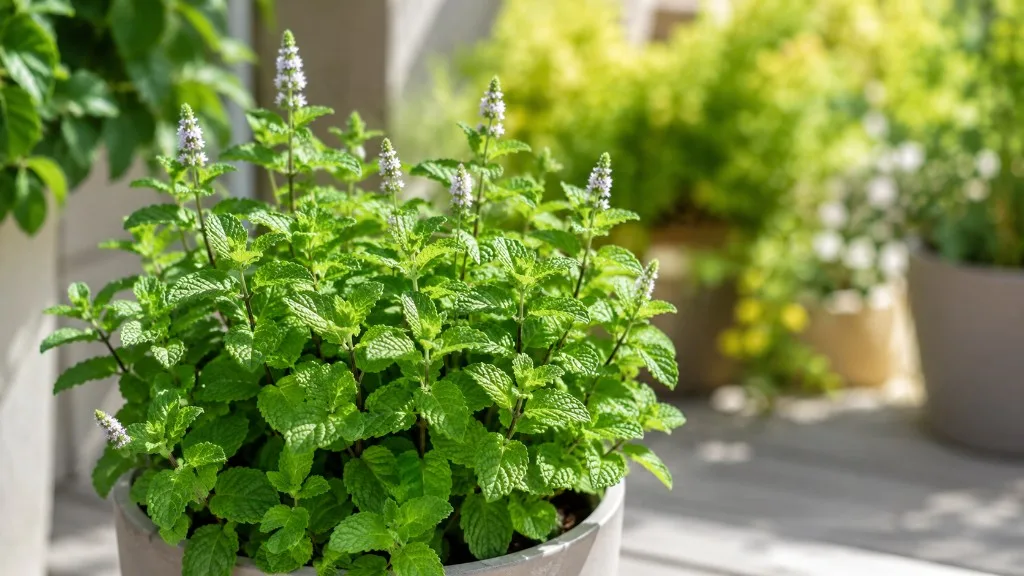
Best Soil for Mint: Mix, Drainage & Repotting
Best Soil for Mint: Mix, Drainage & Repotting
Lift the pot and sniff near the drainage hole. If the mix smells sour, swampy, or like vinegar while leaves still look green at the tips, you are not dealing with a watering-calendar problem - you are dealing with soil structure failure. Mint evolved along moist river margins, so growers assume “likes moisture” means “keep wet.” Extension sources consistently pair moist with well drained. Dense peat-heavy store mix in a shallow kitchen pot compacts under spreading rhizomes, traps stagnant water, and turns anaerobic long before yellow leaves announce the damage.
For container mint, use one editor-reviewed blend: 60% quality potting soil, 20% cocopeat, and 20% finished compost or vermicompost, targeting pH 6.0–7.0 in a pot with clear drainage holes. That 60/20/20 formula matches the Mint repotting guide and UF/IFAS Extension Nassau County guidance for spearmint in moist, rich, well-drained soil. Earlier versions of this page listed a different perlite-heavy ratio in the quick answer; we removed that conflict so every section now points to the same mix.
This guide covers why mint soil fails in kitchen pots, spearmint versus peppermint scope (not soil chemistry), in-ground bed prep, drainage tests, pot depth for rhizomes, grocery-store rescue steps, when to top-dress versus repot, and links to wrong soil mix, root rot, and overwatering when symptoms persist.
Why Mint Soil Fails More Often Than People Expect
Mint looks hardy until a dense peat-heavy store mix turns sour in a shallow windowsill pot. The plant still puts out leaves for a week, then yellows at the base while the mix smells swampy near the drainage hole. That pattern is soil failure, not a mysterious mint mood. Kew notes spearmint (Mentha spicata) from wetlands and river margins in Europe and Asia - so growers read “likes moisture” as permission to keep mix wet. University of Maryland Extension describes spearmint growing best in somewhat moist soil and peppermint in rich, moist soil while recommending containers to restrain spread.
Three mint-specific forces make soil harder than for slow herbs like rosemary. First, rhizomes and runners fill pots within months, compressing mix and creating dry channels along the pot wall while the center stays wet. Illinois Extension warns mints spread aggressively by underground rhizomes and should be grown in containers above ground. Second, heavy harvest cuts remove leaf surface but stimulate new shoots that pull water and break down organic matter faster than you expect in a 20 cm kitchen pot. Third, low light plus moisture-retaining mix is a root-rot setup even for a moisture-loving herb - pair soil fixes with the Mint light guide if the pot never dries.
Seasonal compaction on harvest-heavy pots
In a 20 cm terracotta pot with weekly kitchen harvests, expect the top 2–3 cm to compact noticeably by mid-season (roughly 8–12 weeks after spring repot in temperate climates). By late summer, water may channel down the inside wall while the center stays a wet brick - the point where top-dressing alone stops working. That timeline is shorter in plastic pots on dim windowsills because evaporation is slower and the center stays saturated longer.
Track pot weight and surface dry-down rather than the calendar; when the one-minute drainage test fails after a normal watering, refresh is due regardless of month. A pot that felt light on the same weekday all spring but stays heavy by August is telling you rhizome fill and organic breakdown outpaced top-dressing - plan a full repot, not another top-dress.
Know Your Mint: Spearmint, Peppermint, and Spread
Most kitchen mint is spearmint (Mentha spicata) or peppermint (Mentha × piperita). UF/IFAS Gardening Solutions lists both among the most popular Mentha species and recommends growing mint in containers because it spreads rapidly by runners. Missouri Botanical Garden describes spearmint as a rhizomatous perennial reaching about 1–2 feet tall, best in rich, moist soils with full sun to part shade.
For soil purposes, peppermint and spearmint use the same container mix and pH target. Peppermint stems run taller and tolerate cooler conditions; spearmint handles heat well when drainage is good. Specialty mints - apple mint, chocolate mint, variegated types - still want moist, well-drained fertile mix; variegated forms may scorch in harsh sun, which changes placement more than soil recipe. The spread habit is the soil-relevant biology: a shallow 15 cm pot fills with circling rhizomes by mid-season, accelerating compaction and sour smells. Deeper pots with wide surface area delay that crash.
Best Soil Mix for Container Mint
The best soil for mint in pots is a unified 60/20/20 blend by volume:
| Component | Share | Role |
|---|---|---|
| Quality container potting soil | 60% | Structure, starter fertility, base organic matter |
| Cocopeat (coconut coir) | 20% | Even moisture retention; rewets better than old peat when surface dries |
| Finished compost or vermicompost | 20% | Organic matter, gentle nutrition for repeated harvests |
Moisten the blend before filling so it feels like a wrung-out sponge - not dust, not mud. UF/IFAS Extension Nassau County spearmint guidance specifies moist, rich, well-drained soil with pH about 6.5. The Royal Horticultural Society advises keeping compost evenly moist during the growing season for container mint. This recipe balances those extension cues: cocopeat and compost hold moisture; potting soil and pore space let excess water exit after a full soak.
Never use garden soil, topsoil, or in-ground blends alone in a small pot. UF/IFAS Container Media guidance warns that garden soil lacks enough organic matter for containers and can harbor pathogens; combine moisture-holding materials with drainage materials in a loose, porous medium.
Component Rationale for the 60/20/20 Formula
Potting soil (60%) anchors the mix. It is lighter than garden dirt and engineered for containers. Cocopeat (20%) replaces part of the peat-heavy base with a coir fraction that holds water without the same rapid crusting on sunny windowsills. Compost or vermicompost (20%) feeds the leaf crop mint is grown for - Utah State University Extension notes mint prefers fertile conditions and moist but not waterlogged soil. Keep compost finished and mature; raw or hot compost heats roots and can smell sour as it breaks down in a small volume. Pre-moisten cocopeat from compressed bricks and drain once before blending - some coir products carry salt that can crust the surface if you skip the rinse.
Measured Volumes for a Typical 20 cm Kitchen Pot
Volume math beats guessing. A 20 cm (8 inch) round pot about 20 cm deep holds roughly 3–4 litres of mix when filled to 2 cm below the rim. For one pot, measure by litres or scoops:
| Component | ~60% of 3.5 L | ~20% | ~20% |
|---|---|---|---|
| Potting soil | ~2.1 L (about 8 cups) | - | - |
| Cocopeat | - | ~0.7 L (about 3 cups) | - |
| Compost / vermicompost | - | - | ~0.7 L (about 3 cups) |
Blend in a tub, pre-moisten, fill to the rim line, plant divisions or store-bought clumps at the same depth they were growing, and water until drainage runs clear. Empty the saucer within fifteen minutes. For a 30 cm wide mint tub, scale all components proportionally - about 8–9 L total (roughly 4.8 L potting soil, 1.6 L cocopeat, 1.6 L compost) - and do not fill an oversized tub around a tiny root ball.
Quick reference card (print or save): 20 cm pot ≈ 2.1 L potting soil + 0.7 L cocopeat + 0.7 L compost. 30 cm tub ≈ 4.8 L + 1.6 L + 1.6 L. Pre-moisten until crumbly, not muddy. Run the one-minute drainage test on the first watering after every repot or mix batch.
Cocopeat vs Perlite: When to Adjust the Base Recipe
This page standardizes on cocopeat in the 20% slot because mint wants steady moisture between waterings, especially in hot harvest pots. Perlite is expanded volcanic glass that adds air pockets and speeds dry-down. They solve different problems.
Use the base 60/20/20 recipe when mint grows in bright light, you harvest often, and the pot dries within one to two days after watering. Swap up to half the cocopeat (10% of total mix) for perlite - or add an extra 10–15% perlite by total volume - when:
- the pot stays wet more than 48 hours after watering in a dim room;
- you see white mold on the soil surface or chronic fungus gnats;
- you tend to water on schedule without checking dryness.
That adjustment preserves moisture retention while opening the structure UF/IFAS Container Media describes: combine materials that hold moisture with materials that let water drain. Do not add both cocopeat and perlite on top of an already perlite-heavy bagged mix without testing dry-down first - read the label, then amend.
Editor grow record (June 2026 - spearmint, 20 cm terracotta, east kitchen window): A pot switched from dense peat-heavy store mix to 60/20/20. Before repot: mix clumped into a wet brick when squeezed; sour smell at the drainage hole within days of watering; surface water pooled past 60 seconds on the drainage test. Root inspection: outer roots white and firm; center mass dark brown and mushy on roughly 30% of the root ball - trimmed before replanting. After repot + watering aligned to top-2-cm dryness: sour smell cleared within 14 days; open mix looked speckled and crumbly in the handful test versus the old brick texture. Dry-down: terracotta reached “water again” weight in 18–24 hours in June sun versus 36–48 hours in the old mix on the same sill.
Visual check for your own repot: crumbly 60/20/20 falls apart when you open your hand; compacted store mix stays in a tight wet ball. Run the one-minute surface test on both textures side by side if you are unsure - pooling on the old mix while the new batch sheds water confirms the swap was worth it.
Grocery-Store Mint: Rescuing Dense Store Mix
Supermarket and nursery herb pots are the most common entry point for kitchen mint - and the most common soil failure. Retail pots use fine peat blends packed for shipping, often in too-small containers with roots already circling. The plant looks perky for two weeks, then stalls while mix stays wet in a dim kitchen.
Rescue without repotting on day one if leaves are firm and smell is still earthy: move to brighter light, confirm drainage holes are open, and water only when the top 2 cm dries. Repot within the first month if you see sour smell, white mold, or water sitting on the surface after 60 seconds.
Amendment path when the pot is only slightly dense: scrape the top 2 cm, blend 15% perlite by total pot volume into fresh 60/20/20, and top-dress - but full repot is faster when roots already circle.
Full rescue repot (recommended for most store pots):
- Water lightly the day before so roots slide out without snapping.
- Gently tease circling outer roots; trim black mushy sections.
- Fill a 20–25 cm wide pot with pre-moistened 60/20/20; plant at the same depth.
- Water until runoff; empty saucer within 15 minutes.
- Hold fertilizer for three weeks; pair with the watering guide top-2-cm check.
If the bag label already lists perlite, test dry-down before adding more - grocery pots fail from fine particle size and compaction, not always from missing perlite on the label.
Reading store potting labels: If perlite or vermiculite appears below peat on the ingredient list, the bag may still drain slowly once roots fill the pot - particle size matters more than the word “drainage” on the front. When the label shows only peat and compost with no structural amendment, treat the contents as a starting base and blend toward 60/20/20 at repot rather than using the bag straight for long-term kitchen mint.
Editor grow record (March 2026 - peppermint, low north windowsill, 15 cm plastic store pot): Base 60/20/20 stayed wet 72+ hours after watering; lower leaves yellowed. Fix: repot into the same recipe but swapped half the cocopeat slot for perlite (effective mix ~60% potting soil, 10% cocopeat, 10% perlite, 20% compost). Result: dry-down improved to 48–56 hours in the same room; yellowing stopped on new growth within three weeks. Lesson: low light needs more air in the mix, not less water alone.
In-Ground Mint: Amending Garden Beds vs Pots
In-ground mint is simpler for volume but riskier for spread. Illinois Extension and UF/IFAS Gardening Solutions both recommend containers or sunken bottomless pots to limit runners. If you plant in open beds anyway, mint wants fertile, moist, well-drained loam - not raw clay or pure sand.
Work 2–5 cm of finished compost into the top 15–20 cm before planting. Space plants 30–45 cm (12–18 inches) apart per UMD and UF spacing guidance. Mulch lightly to buffer moisture, but keep mulch back from crowns so rhizomes do not stay constantly wet at the surface. In-ground patches dry more slowly than small pots; drainage problems show up as spreading decline rather than a single sour pot.
Fixing Heavy Clay for Outdoor Mint Patches
Heavy clay holds water and compacts - the wrong match for mint roots that need oxygen between rains. Amend planting zones with compost and coarse organic matter rather than sand alone (clay plus sand without enough organic matter can set like concrete). Raised beds or mounded rows solve winter-wet yards by lifting roots above saturated subsoil.
Editor grow record (April 2025 - spearmint row, heavy clay suburban bed): Spring planting in unamended clay produced standing water after rain and pale stunted runners by June. Fix: mounded 15 cm row with 5 cm compost worked into the top 20 cm, plus light straw mulch set back from crowns. Result: patch recovered flush growth by late July; division planned for year three per Illinois Extension guidance to divide every 3–4 years and keep plants vigorous.
If your yard stays wet through winter, treat in-ground mint like a raised-bed crop even when you are not using a formal raised frame - elevation and compost beat repeated sand dumps that can cement clay over time.
Drainage Speed and the One-Minute Pot Test
Drainage speed matters more than the word “drainage” on a bag label. After a full watering, excess water should exit the hole within minutes and the surface should not pool for long. UF/IFAS Container Media guidance says soak until moisture seeps from the container, then water again once the soil feels dry to the top knuckle. For mint, pair that with the top 2 cm check on the watering guide.
One-minute surface test: Water until runoff appears. If water still sits on the surface after 60 seconds, the mix is too fine or compacted - add perlite, refresh compost balance, or repot. If water runs down the inside wall while the center stays dry, roots may be circling; divide or repot per the repotting guide. Drainage holes are non-negotiable for long-term container mint; sealed decorative pots belong only as outer cachepots with a removable nursery pot inside.
Drainage test snapshot (June 2026 grow record): on fresh 60/20/20 in 20 cm terracotta, runoff started at 8 seconds and surface water cleared by 45 seconds. On the old store mix in the same pot before repot, pooling lasted 90+ seconds and the saucer still held water after 20 minutes - the visual difference that confirms structure, not hole count, was the problem.
Pot Choice, Depth, and Mix Volume for Spreading Roots
Soil and pot work as one system. Wide, deep containers suit mint better than shallow window boxes that dry unevenly. Aim for at least 20–25 cm depth and 25–30 cm width for a single long-season kitchen plant; University of Maryland Extension suggests 30–40 cm (12–16 inch) diameter containers to restrain runners. Rhizomes explore horizontally; shallow pots force roots into a thin layer that compacts fast under harvest pressure.
Go up one pot size at refresh - about 2–5 cm wider - not three sizes at once. An oversized pot surrounds small root mass with wet, unused mix, the classic path to overwatering and yellow lower leaves. Terracotta in bright light often reaches “water again” weight in 18–28 hours for a 20 cm pot in summer; plastic in the same room commonly holds moisture 36–48 hours - match material to your dry-down tests, not aesthetics alone.
pH, Minerals, and When to Flush the Mix
Target pH 6.0–7.0 (slightly acidic to neutral) for spearmint and peppermint. UF/IFAS Extension Nassau County lists pH 6.5 for spearmint. Most quality potting mixes already land near this range. Test if leaves stay pale despite good light and watering, or if white salt crust forms after heavy fertilizer use.
In containers, repotting into fresh balanced mix often beats chasing chemistry in a small volume. If crust appears mid-season, flush with plain water until runoff runs clear, drain fully, and hold fertilizer for two weeks. Mint is a leaf crop; excess salts brown leaf margins and push lush but bland growth.
When to Refresh Soil vs Full Repot
Mint outgrows soil on two timelines: organic breakdown and rhizome fill. Refresh when mix compacts, drains slowly, smells earthy-sour, or harvest regrowth slows despite good light and feeding. Top-dressing - scrape the top 2–3 cm of exhausted mix and replace with fresh 60/20/20 - works mid-season for harvest-heavy pots that still drain adequately. Full repot or division is needed when roots circle, water channels down the sides, or sour smell returns within days of watering.
Plan a full refresh every 6–12 months for aggressive container mint, or when two or more repotting signs from the Mint repotting guide appear: roots escaping holes, stalled growth, pot lightening unusually fast after water passes straight through. In-ground patches: Illinois Extension suggests dividing every 3–4 years to keep plants vigorous and flavorful. Spring and early summer are ideal for both; avoid repotting stressed winter plants unless rot is confirmed. After refresh, skip fertilizer for several weeks while roots re-establish.
Soil Mistakes to Avoid
Using garden soil in a pot tops the list - compaction, pathogens, and uneven dry-down follow. Keeping stones at the bottom does not fix dense mix; it can create a perched wet layer above the gravel. Fix structure with cocopeat-perlite-compost balance instead.
Burying crowns or runners too deep smothers buds; plant at the same depth as the nursery pot. Oversized pots plus moisture-retaining mix in low light invites root rot even when you water “correctly.” Letting saucers stay full re-saturates mix from below - empty after every watering.
Ignoring sour smell wastes a harvest season. Anaerobic mix means roots are losing oxygen; inspect before reaching for more fertilizer or harder pruning. If mold on soil persists after drainage fixes, scrape the surface, reduce watering frequency, and improve airflow.
Practical Checks: Drainage Test and Root-Zone Smell
Use these before repotting, after mixing a new batch, or when leaves yellow despite careful watering. Run both checks on the same day after a normal full watering - drainage failure and sour smell often appear together, but either sign alone is enough to pause harvest-heavy cutting until you refresh mix or adjust perlite.
One-Minute Drainage Check
Water until runoff exits the hole. Watch the surface for 60 seconds. Pooling means add perlite or refresh mix. Water running down the side gap means root circling or shrinkage - repot or divide. Lift the pot immediately after watering; if it feels waterlogged-heavy days later in a cool room, the mix is too dense for that light level.
Root-Zone Smell Test
Lift the pot and sniff near the drainage hole. Earthy is healthy. Sour, swampy, or rotten-egg notes mean anaerobic conditions - unpot, trim mushy roots, repot into fresh 60/20/20, and align watering with top-2-cm dryness. Fresh mix should smell like damp forest floor, not vinegar. If smell clears after one dry-down cycle but returns within a week, structure - not watering discipline alone - still needs correction.
At-a-Glance: Container vs In-Ground Mix Needs
| Factor | Container mint | In-ground mint |
|---|---|---|
| Base recipe | 60% potting soil, 20% cocopeat, 20% compost | Compost-amended loam; avoid pure clay |
| pH target | 6.0–7.0 | 6.0–7.0 |
| Drainage | Holes required; perlite tweak if wet >48 h | Mound or raised bed if yard stays soggy |
| Spread control | Pot size + division | Sunken bottomless pot or border |
| Refresh interval | Top-dress mid-season; full repot 6–12 months | Divide every 3–4 years (Illinois Extension) |
| Common failure | Dense store mix + low light | Uncontained runners + winter wet clay |
How We Wrote and Verified This Guide
By Sai Ananth · Reviewer: LeafyPixels Review Board (culinary herb care) · Last reviewed: 2026-06-15
Recommendations were checked against UF/IFAS Gardening Solutions, UF/IFAS Extension Nassau County spearmint guidance, UF/IFAS container media references, University of Maryland Extension, Missouri Botanical Garden, Royal Horticultural Society, Illinois Extension, Utah State University Extension, and Kew - Spearmint, plus LeafyPixels mint grow records documented above. We unified the container mix at 60/20/20 to resolve prior conflicting perlite-percent recipes and documented when to swap cocopeat for perlite. Confirm dry-down with finger tests and pot weight in your room before treating any ratio as fixed law.
Related Mint Care Guides: Overview · Watering · Light · Repotting · Propagation · Fertilizer · Wrong soil mix · Root rot · Overwatering · Mold on soil
Conclusion
Mint soil succeeds when one mix - 60% potting soil, 20% cocopeat, 20% compost or vermicompost at pH 6.0–7.0 - stays open enough for roots to breathe between the moist periods mint needs for harvest regrowth. Match that mix to a wide, deep pot with drainage holes, adjust perlite when low light or heavy watering keeps mix wet, and refresh or repot before rhizomes turn the container into a compacted brick. Rescue grocery-store pots into the same recipe rather than nursing dense retail mix on a dim sill.
Soil is the system that decides how much air and moisture every root gets after each watering. Get the blend, pot, and refresh timing right alongside the Mint overview and sibling guides, and container mint becomes a predictable kitchen crop with measurable dry-down instead of a guessing game. Pair soil changes with one week of observation before stacking fertilizer or hard pruning on the same plant.
When to use this page vs other Mint guides
- Mint overview - Start here for whole-plant context before deep-diving this topic.
- Mint problems hub - Jump to symptom-specific fix guides when this care topic does not resolve the issue.
- Wrong Soil Mix on Mint - Escalate here when soil adjustments are not enough.
- Poor Drainage on Mint - Escalate here when soil adjustments are not enough.
- Root Rot on Mint - Escalate here when soil adjustments are not enough.