Mint Repotting: When, How, and Mistakes to Avoid
Mint Repotting: When, How, and Mistakes to Avoid
Mint Repotting: When, How, and Mistakes to Avoid
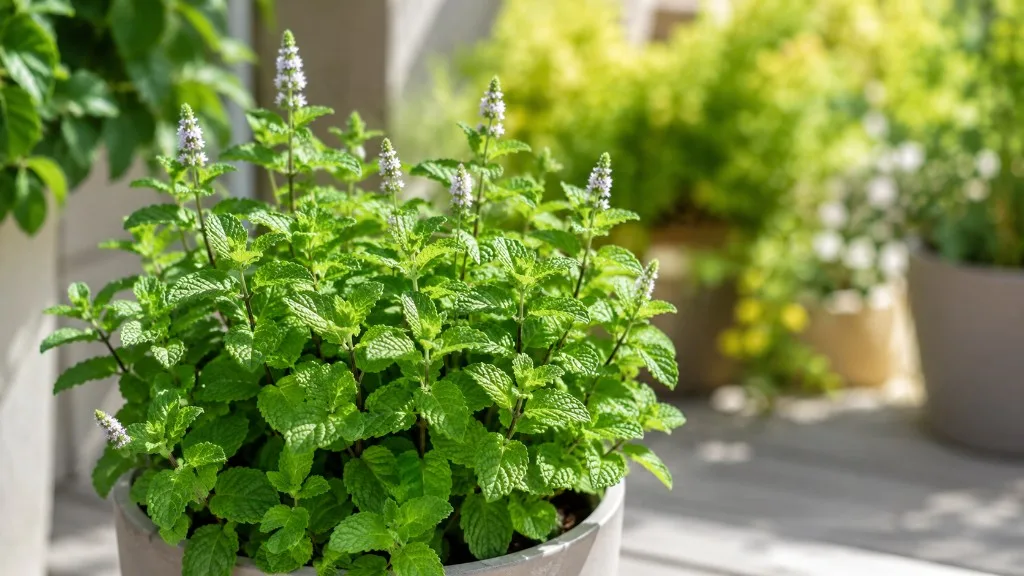
Mint (Mentha spp. - spearmint, peppermint, and their hybrids) is one of the few kitchen herbs where division is often the main repotting task, not a bigger pot. Mint spreads aggressively via runners and rhizomes, which is why University of Maryland Extension recommends growing it in containers above ground rather than letting it loose in a garden bed. A 20 cm pot that looked generous in March can hold a solid mat of white rhizomes by August - roots circling the drainage holes, water running straight through, and harvest confined to a thin ring around the pot edge while the centre goes woody and bare. Repotting mint means reading that root ball honestly: sometimes you need fresh mix and one size up; more often you need to split the clump and restart with two or three vigorous divisions in appropriately sized pots.
This guide covers when to repot or divide, seasonal timing for February–March in India and temperate spring windows, the repot-vs-divide-vs-top-dress decision, pot and soil choices linked to the Mint soil guide, step-by-step repot and division workflows with runner inspection, grocery-store mint rescue, recovery and harvest timing, common mistakes, pet safety, and links to the full Mint overview and sibling care pages.
Why Mint in Containers Needs a Different Repot Strategy
Most houseplant repotting advice assumes a single upright stem and slow root expansion. Mint breaks that model. It is a herbaceous species that typically reaches 30–60 cm tall and spreads vigorously through horizontal runners. In a confined pot, those runners circle inward, compress mix, and create a donut of living growth around a dead centre. Upsizing alone does not fix a donut - you still carry the exhausted core. Division removes woody centre tissue and gives each section fresh mix and room to push new shoots.
Container growing also changes how fast problems appear. In open ground, mint can explore outward indefinitely. In a pot, every watering cycle passes through the same shrinking soil volume. When mix breaks down or roots dominate, drainage slows, overwatering symptoms show up even when you water carefully, and flavour weakens on stems pulled from a stressed root zone. Repotting - or dividing - resets that environment and aligns with how you actually use mint: frequent harvest, steady regrowth, and replacement of tired clumps rather than nursing one pot for years.
Runners, Rhizomes, and Why Division Matters More Than Upsizing
Under the soil surface, mint stores energy in rhizomes - horizontal stems that send up shoots and roots at nodes. Above ground, stolons (runners) can root where they touch moist mix. Illinois Extension notes mints spread aggressively by underground rhizomes and should be grown in containers above ground. That biology means a “root-bound” mint pot is often a rhizome mat, not just circling fibrous roots. When you slide the plant out and see a solid white or tan pancake with little visible soil, division is usually smarter than a larger pot.
Spearmint (Mentha spicata) and peppermint (Mentha × piperita) both runner aggressively; peppermint often feels slightly more vigorous in warm, bright conditions, but the repot workflow is the same - inspect the mat, cut through rhizomes with a clean knife, and pot sections with at least two to three healthy shoot clusters each. Do not plant divided runners directly into open garden beds without a root barrier; UF/IFAS and UMD both emphasize containment because escaped mint is difficult to remove.
Editor observation (March 2026): A spearmint clump in a 20 cm plastic pot was divided into three sections, each repotted into 15 cm containers with fresh 60/20/20 mix. Runner tips appeared on the outer divisions by day 10; light harvest of outer stems resumed in week 4 once new leaves matched pre-repot size. The centre third, kept as a same-pot refresh with trimmed rhizomes, recovered more slowly - useful evidence that splitting beats upsizing when the core is woody.
When to Repot or Divide Mint
Plan maintenance on signs, not a calendar alone - though aggressive container mint often needs attention every 6–12 months because rhizomes fill pots quickly. Repot or divide when the plant shows it has outgrown its container, when mix smells sour, or when harvest quality drops despite good light and watering. If only one stem looks weak while the rest harvests fine, you may need pruning rather than a full repot; if the whole root mass is tight, soil is exhausted, or water runs through without soaking in, proceed with repot or division.
Avoid stacking repotting with heavy fertilizer application, major light moves, or pest treatment in the same week. Fix the root environment first; adjust other variables after new growth confirms recovery.
Signs Your Mint Has Outgrown Its Pot
The clearest signals are roots escaping drainage holes and a root ball that holds the pot shape when you lift the plant out - a solid cylinder or pancake with minimal loose mix visible on the sides. Secondary signs include water that runs straight through seconds after you pour, the pot feeling unusually light soon after watering because channels opened along the wall, and stalled regrowth after harvest even though you water on the top-2-cm schedule. When two or more signs appear together during active growth, act within the next favourable window.
Less obvious but important: sour smell at the drainage hole, persistent mold on soil surface, or yellow lower leaves combined with mix that never dries evenly often mean compacted or anaerobic soil - a full refresh or division, not another month of top-dressing. If stems are mushy at the base, inspect for root rot before repotting; trim affected tissue and use fresh mix with clear drainage.
Seasonal Timing for India and Temperate Climates
Spring and early summer are the safest default for routine repotting and division because mint is in active growth and roots colonize fresh mix quickly. For growers in India, February–March aligns with pre-monsoon active growth on many plains balconies and terrace herb setups - warm days, increasing daylight, and steady harvest demand before peak summer heat. Avoid routine repotting in the peak of hot dry weeks if the plant is already heat-stressed; water deeply, shade briefly, and repot when nights stabilize. Pre-monsoon (late May–early June in many regions) is a workable backup if you missed the February–March window, but watch dry-down speed - fresh mix in a heat wave can desiccate outer roots if watering checks slip.
In temperate climates, repot from late March through June when nights stay above roughly 10°C and the plant pushes visible new tips. Fall top-dressing - scraping the top 3–5 cm and replacing with fresh mix without disturbing the root mass - can extend a season when full division feels unnecessary. Winter repotting is reserved for emergencies: severe root-bound pots with repeated wilting, confirmed rot, or a container that cannot hold moisture evenly. If the plant is merely slow because of short days, wait for late winter or early spring and supplement light if possible.
| Season | India (typical plains) | Temperate indoor/balcony |
|---|---|---|
| Feb–Mar | Best default window | Early spring if frost-free |
| Apr–Jun | Good; shade first week in heat | Primary repot season |
| Jul–Sep | Backup; watch monsoon wetness | Late summer if still actively growing |
| Oct–Nov | Top-dress preferred | Top-dress or wait |
| Dec–Jan | Avoid unless urgent | Avoid unless urgent |
Repot vs Divide vs Top-Dress: Which Does Your Mint Need?
Use this decision logic before you gather pots:
Top-dress when growth is still vigorous, roots have not circled heavily, and mix structure is tired but not sour - scrape the top 3–5 cm, replace with fresh blend, and resume normal watering. Repot one size up when roots circle modestly, the centre still produces healthy shoots, and you want the same clump in fresh mix with slightly more room - typically moving from 15 cm to 18–20 cm diameter. Divide when the root mass is a dense rhizome mat, harvest comes only from the pot edge, the centre is woody or bare, or you want multiple pots from one clump - common every 6–12 months on fast spearmint in 20 cm containers.
Grocery-store mint almost always needs division, not a gentle upsize. Retail pots pack several stems into one small container for short-term display; splitting into individual 12–15 cm pots with fresh mix usually outperforms moving the crowded clump into one larger bowl. See the propagation guide for overlap between division during repot and deliberate propagation for new plants.
Choosing Pots and Soil for Mint
Every mint container needs drainage holes - no exceptions for long-term kitchen growing. Saucers are fine if emptied after watering so the pot never sits in standing water. Depth matters less than width for spreading rhizomes; a 20–25 cm wide pot comfortably supports one divided clump for a season of heavy harvest, while 12–15 cm pots suit single grocery divisions or desk herbs.
The One-Size-Up Rule
When repotting without division, follow the one-size-up rule: choose a new pot only 2–5 cm wider in diameter than the current one. A mint clump in a 15 cm pot moves to 18–20 cm, not 30 cm. Oversized pots surround small root mass with wet, unused mix - the classic path to rot and persistent wilting. UF/IFAS container guidance emphasizes well-drained containers; pairing a huge pot with moisture-retaining mix in dim light fails faster on mint than on drought-tolerant houseplants.
If you are refreshing mix without upsizing, wash the old pot, trim no more than one-third of the rhizome mass if severely bound, and replant at the same depth with new blend. That same-pot refresh works mid-season when diameter is still adequate but mix has collapsed.
Mint Soil Mix and the Full Soil Guide
Repot with the same 60/20/20 blend documented on the Mint soil guide: 60% quality potting soil, 20% cocopeat, and 20% finished compost or vermicompost, targeting pH 6.0–7.0 with optional perlite if your home mix stays wet too long. UF/IFAS Nassau lists spearmint in moist, rich, well-drained soil at roughly pH 6.5 - close to that target range. Heavy garden soil compacts in pots; pure cocopeat alone holds too much water without structure. Pre-moisten mix slightly so it is damp but not soggy before backfilling.
Do not reuse exhausted mix from a previous mint crop without refreshing; spent compost loses pore space and may carry fungus gnats or disease. Link persistent drainage problems to wrong soil mix diagnostics if symptoms continue after repot.
How to Repot Mint Step by Step
Repotting mint is straightforward when you prepare materials first and disturb rhizomes only as much as necessary. Water the day before so the root ball holds together and slides out cleanly. Gather the new pot (one size up unless dividing), fresh mix, clean scissors or knife, a hand trowel, and a chopstick for settling soil.
Turn the pot on its side and slide the plant out - squeeze flexible nursery pots gently; never yank by stems alone. Examine the root mass. If rhizomes circle lightly at the bottom, tease the lowest sections outward with fingers. If the mass is solid, switch to the division workflow below rather than forcing one oversized clump into a bigger pot.
Place a layer of fresh mix in the new pot so the crown sits at the same depth as before - burying runners too deep smothers buds; planting too shallow exposes rhizomes to dry air. Backfill, working mix between sections with a chopstick, firm lightly, water until excess drains, and keep the plant in bright indirect light for two to three days if it previously sat in full sun.
Preparing the Root Ball and Working With Runners
Runner inspection is the step most generic repot guides skip. Lay the removed mass on a tray and look for three zones: healthy white or tan rhizomes with firm green shoots (keep), brown mushy tissue (trim), and woody centre with no new buds (discard). Tease outer runners outward so they grow away from the pot wall rather than continuing to circle. Trim dead material with clean scissors; a few shallow vertical cuts through a tight rhizome mat can stimulate new buds - but avoid bare-rooting or rinsing all soil away, which strips fine root hairs mint needs for immediate water uptake.
If flowering stems are present, pinch them back before or during repot so energy redirects to roots - mint flavour declines after heavy flowering, and University of Maryland Extension notes division and propagation work best from vigorous vegetative growth rather than stressed bloom spikes.
Aftercare in the First Month
For the first 2–3 weeks, keep soil evenly moist but not waterlogged - follow the top-2-cm check from the watering guide rather than a fixed calendar. Hold fertilizer for at least four weeks after repot or division; fresh compost in the mix supplies enough nutrients for initial regrowth, and feeding too soon can burn disturbed roots. Expect mild transplant shock: slight wilting, a brief pause in regrowth, or a few lower leaves yellowing in the first week. That is normal if crowns stay firm and drainage is clear.
Return to full sun gradually if the plant wilted in direct afternoon light after the move. Empty saucers after every watering. Do not harvest heavily for the first 7–10 days - let the plant redirect energy to roots. Light pinching of top tips after week two is fine if new leaves look turgid.
How to Divide Mint During Repotting
Division is the highest-impact maintenance for runner-heavy mint. University of Maryland Extension lists division among standard propagation methods for mint - the same technique doubles as repotting when clumps overcrowd.
Water lightly a few hours before dividing. Slide the mass out and cut through the rhizome mat with a clean knife or hand pruners - each division needs at least two to three shoot clusters with attached roots. Pull apart gently where natural seams appear; some tearing is inevitable. Discard woody centre tissue with no green buds. Pot each division into its own 12–20 cm container with fresh mix - smaller pots for single grocery stems, 18–20 cm for vigorous spearmint divisions intended for heavy harvest.
Water thoroughly after potting, let drain, and place divisions in bright indirect light for three to five days before returning to full sun. Not every section may survive if roots were weak - that is normal. Surviving divisions typically outproduce the original crowded clump within two to three weeks in warm, bright conditions.
Tools, Runner Cut Points, and Potting Divisions
Use a sharp knife disinfected with rubbing alcohol between cuts if you suspect rot. Cut between nodes, not through the middle of the only shoot on a small division. Label pots if you grow multiple cultivars - spearmint and peppermint look similar early in regrowth. For water-rooted cuttings started from runners, see the propagation guide - repot water-rooted starts when roots reach 5–8 cm, using the same mix and one-size-up rule.
Do not plant fresh divisions into open ground without a deep root barrier. Container divisions belong in pots, raised beds with barriers, or dedicated mint planters - escaped rhizomes are difficult to eradicate.
Common Mint Repotting Mistakes and Fixes
Jumping multiple pot sizes is the most damaging error. Mint sits in wet, unused mix, oxygen drops, and wilting persists whether you water or not. Fix: same-pot refresh with trimmed rhizomes once the plant stabilizes - usually after one to two weeks of careful monitoring - not another immediate upsize.
Bare-rooting or washing all soil away strips fine root hairs. Tease circling rhizomes; do not rinse the ball clean unless treating confirmed rot and accepting a longer recovery.
Reusing exhausted mix brings fungus gnats, salt buildup, and collapsed structure. Always repot with fresh blend for full refreshes.
Repotting during extreme heat or cold without cause adds environmental stress on top of root disturbance. Choose mild weeks; shade briefly after summer repots.
Fertilizing immediately after repot burns tender regrowing roots - wait until new tips show normal size and colour.
Planting divided runners in open beds without containment invites garden takeover - keep divisions in pots or barriered planters.
Ignoring sour smell wastes a harvest season. Anaerobic mix means roots are losing oxygen; inspect and refresh before reaching for more fertilizer.
Recovery Timeline and When to Resume Harvesting
Mild transplant shock on mint usually clears within one to two weeks when drainage, light, and moisture are appropriate. Full root re-establishment in the new volume may take four to six weeks, but you do not need to wait that long for light harvest. Resume light picking of outer stems once new leaves at tips match pre-repot size and turgor - often week three or four for spring divisions, sometimes sooner on vigorous spearmint in warm bright conditions.
Damaged leaves will not heal; judge recovery by new growth, not old yellow foliage. If wilting persists beyond three weeks with soggy mix, inspect for rot and oversized pots rather than repotting again immediately. Persistent stall despite good care may indicate root-bound conditions returning faster than expected - some growers divide twice yearly on aggressive spearmint in small kitchen pots.
Pet Safety and Related Mint Care Guides
ASPCA lists mint (Mentha spp.) as toxic to cats and dogs. Ingestion can cause vomiting and diarrhea, especially with large amounts; menthol concentration varies by species and preparation. Repotting does not change toxicity - keep divided pots and trimmings out of reach of pets. Wear gloves if sap irritates your skin when handling many stems.
Related Mint care guides:
- Mint overview - identification, buying checks, first-month settling
- Watering - top-2-cm rhythm after repot
- Soil - full 60/20/20 blend and drainage tests
- Light - brightness paired with post-repot watering
- Propagation - division overlap and water-rooted starts
- Pruning - hard cuts before or after division
- Fertilizer - when to resume feeding after repot
For persistent problems after repot: overwatering, root rot, transplant shock, and root-bound.
Conclusion
Mint repotting is less about calendar reminders and more about reading runners and rhizomes. When water runs through without soaking in, harvest shrinks to the pot edge, or mix smells sour, choose top-dress, one-size-up repot, or division based on how dense the mat has become - division wins when the centre is woody or grocery stems are crowded. Time the job for February–March in India or temperate spring when possible, use the 60/20/20 mix with clear drainage, skip fertilizer for a month, and resume light harvest once new tips look healthy.
Avoid oversized pots, bare-root rinses, and open-ground planting without barriers. Split aggressive clumps before upsizing endlessly - three healthy divisions in 15 cm pots often beat one exhausted clump in a 30 cm bowl. Link repot work to the overview and sibling guides so watering, light, and feeding stay aligned after the move. The clearest success signal is fresh shoot tips at normal size within two to four weeks of a spring division.