How to Prune Mint: When, Where, and How Much to Cut
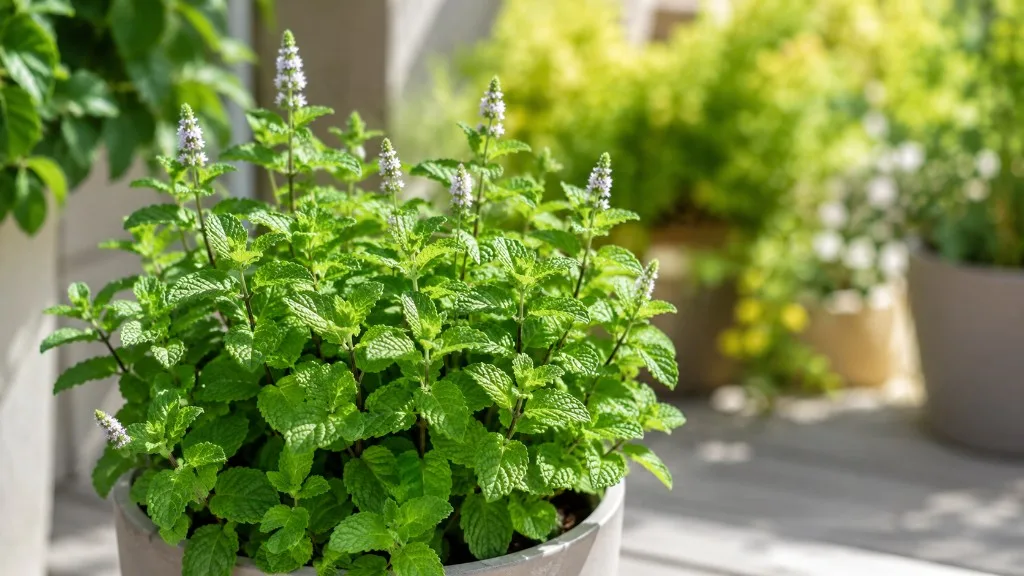
How to Prune Mint: When, Where, and How Much to Cut
How to Prune Mint: When, Where, and How Much to Cut
Quick Answer - Pinch Flower Buds or Cut Above the Top Node
First action: Scan the stem tips for flower buds. If you see tight clusters forming, pinch or snip them off with clean scissors before they open. If the plant is already past bud stage, make your first cut on the tallest stem just above a leaf pair-the node where two opposite mint leaves meet the square stem.
That single move stops flavor loss from early flowering and redirects growth into the side shoots waiting in the leaf axils below the cut. Do not start by plucking random individual leaves from the sides; whole-stem cuts above nodes restart mint faster than leaf stripping.
What Pruning Does for Mint
Mentha spicata (spearmint), Mentha × piperita (peppermint), and the chocolate, apple, and pineapple mints sold for containers all share the same pruning logic. Mint is a fast-growing herbaceous perennial that spreads by rhizomes and stolons (runners). Left alone, it stretches upward, flowers, and puts energy into seed rather than the tender leaves you want for tea and cooking.
Pruning-whether you call it harvesting or shaping-breaks apical dominance. The terminal bud at each stem tip suppresses side branches. Remove that tip above a node and buds in the leaf axils below usually push two or more new shoots. University of Maryland Extension notes that regular or frequent harvesting encourages bushy, full growth on both spearmint and peppermint.
Pruning cannot rescue a root-bound, waterlogged, or light-starved plant. It can, however, turn a single leggy pot into a steady supply of fresh shoots through spring and summer if you stay ahead of flowering and trim runners before they escape the container.
Nodes, Square Stems, and Where New Growth Starts
Mint stems are square with opposite leaves at each node. Run your finger down a stem: every pair of leaves marks a node, and tiny shoots often sit in the leaf axil-the angle between leaf and stem. New mint growth emerges from those axillary buds after you remove the tip.
Cut between nodes and you leave a bare internode with nothing to sprout. Cut through the node and you risk bruising the buds you need. The reliable target is 3–6 mm (about ¼ inch) above the top leaf pair you intend to keep, using sharp scissors or shears on a slight angle.
Pruning vs Harvesting on Mentha Species
For kitchen mint, pruning and harvesting are the same cut. Utah State University Extension recommends harvesting leaves and stems throughout the season once plants reach 3–4 inches (8–10 cm) tall, taking the youngest tissue for the strongest flavor. Container growers doing daily cooking take one or two stem tips; gardeners doing a seasonal reset may cut stems to within 2.5 cm (1 inch) of the soil two or three times a year just before bloom-harder than a light pinch, but mint regrows aggressively when roots are healthy.
What to Check Before You Cut
Before any session, inspect the plant in good light:
- Flower buds or open spikes at stem tips-remove these first.
- Runner stems creeping over the pot rim or across soil-plan to trim before they root elsewhere.
- Orange rust pustules, powdery gray patches, or blackened frost damage-do not compost infected cuttings; bag and discard.
- Aphids, spider mites, or sticky honeydew on new tips-rinse or treat before spreading trimmings across the kitchen.
- Soil moisture and stem base-mushy lower stems signal overwatering on Mint; fix drainage before a hard cutback.
- Tool cleanliness-wipe blades with rubbing alcohol if you recently cut diseased plants.
Plan the session’s cuts before you start. Mint in active growth tolerates frequent light harvests better than one surprise scalp on a stressed plant.
When to Prune Mint
Mint responds fastest when soil is warm, days are long, and new leaves open steadily at the tips-roughly late spring through summer for outdoor and bright-window plants. That is the best window for shaping cuts, hard cutbacks on leggy stems, and repeated harvests.
Light tip harvests are fine anytime on a healthy, actively growing plant, including indoor pots under strong light. NDSU Extension advises removing flowers and pinching back stems to keep plants bushy, which applies year-round in frost-free indoor setups.
For peak flavor, Utah State University Extension recommends picking on dry, sunny mornings after dew dries, when essential oils are concentrated-especially before flowering reduces leaf flavor.
Pinch Before Flowering for Best Flavor
If mint is allowed to bloom, oil content in the leaves drops and flavor weakens. Pinch blossom clusters as soon as they appear, or cut the flowering stem several nodes lower-not just the bud tip-to push the plant back into leaf production. Spearmint and peppermint both produce dense terminal spikes; removing them early keeps foliage tender longer.
For drying or long-term storage, University of Maryland Extension suggests cutting leafy stems just as flowering begins, when aroma is still high but the plant has not finished setting seed.
Hard Cutbacks and Season-End Cleanup
Vigorous established mint-especially in-ground plantings-can be cut back to within 2.5 cm (1 inch) of the soil about two or three times per season, timed just before bloom, without lasting harm. Utah State University Extension notes it is very difficult to over-prune healthy mint.
Before winter in cold climates, cut each plant back to the ground to discourage pests and disease on old stems. In frost-free containers, a lighter tidy-up is enough unless rust or mildew is present.
When Not to Prune
Hold off on heavy cutbacks when:
- The plant was repotted or divided within the last week-wait until fresh tip growth resumes.
- root rot on Mint, chronic wet soil, or severe wilting is active-fix the root environment first.
- Hard frost is imminent on outdoor mint-harvest for preservation if needed, but skip structural reshaping.
- Less than two leaf pairs remain on a weak seedling-let it build leaf area before removing a third.
Emergency removal of diseased, pest-infested, or frost-blackened stems is always appropriate regardless of season.
How to Prune Mint Step by Step
- Sterilize sharp scissors or pruning shears with rubbing alcohol.
- Remove flower buds or open spikes from stem tips first.
- Identify the tallest or leggiest stem and locate a target node two to three pairs below the tip where side buds are visible.
- Cut 3–6 mm above that leaf pair-whole stem, not individual leaves plucked off the sides.
- Trim escaping stolons at the pot rim before they touch neighboring soil or surfaces.
- Step back and repeat on other dominant stems, staying within your session’s removal limit.
- Use or preserve trimmings immediately-mint wilts quickly; stand cut stems in water if not cooking right away.
On a single dominant stem, the first structural cut usually sits above the second or third node from the top, sacrificing height to activate two lower shoots.
How Much You Can Safely Remove
For container mint under ordinary kitchen use, limit each session to about one-third of the visible foliage. Mint needs enough leaf area to photosynthesize while new shoots expand-especially if the plant is recovering from underwatering on Mint, transplant shock, or dim light.
Vigorous in-ground mint with deep, healthy rhizomes tolerates much harder cutbacks-Utah State Extension’s guidance of cutting to within an inch of the soil two or three times per season reflects that tolerance. Potted mint with circling roots and daily watering stress does not recover as fast from the same severity.
If a pot is severely leggy with pale, weak-flavored leaves, one hard cutback to 5 cm (2 inches) above the soil on all stems can reset shape-but only when the plant has 4–6 hours of direct sun or strong grow light and evenly moist, well-draining soil. Wait two to three weeks before another heavy pass.
Where to Cut - and What to Leave Alone
Cut: stem tips above nodes, flower spikes, leggy internodes, damaged or rust-spotted leaves, and stolons escaping the container.
Leave alone: the youngest seedling with only one or two leaf pairs; healthy lower leaves on a plant you just hard-cut elsewhere; and the crown if stems are mushy at the base- that signals rot, not a pruning problem.
Always leave at least two sets of leaf junctions above the soil on any stem you are lightly harvesting, so the plant keeps enough photosynthetic tissue while side shoots develop.
Pruning Leggy, Yellow, or Damaged Growth
Leggy mint-long internodes, pale small leaves, weak aroma-usually means insufficient light. Move the pot to 4–6 hours of direct sun or add supplemental light, then cut stems back hard to 5 cm above the soil to force compact regrowth from rhizome buds.
Yellow lower leaves on an otherwise healthy plant often follow heavy harvesting or nitrogen redistribution; remove only leaves that are clearly dead or pull away easily. If yellowing climbs the stem with orange pustules, treat it as mint rust-cut infected shoots below the damage and discard, do not compost.
Frost-blackened or sun-scorched foliage can be trimmed once the plant is stable. Cut back to healthy green tissue at a node, or to the ground after hard frost as extension guides recommend for overwintering cleanup.
Aftercare and Recovery
After pruning, keep soil evenly moist but not soggy-mint regrows fastest when the root ball never fully dries out. Hold fertilizer for one to two weeks after a hard cutback so you do not push weak, tasteless flush growth on stressed roots. Resume diluted balanced feed only when new shoots are visibly expanding.
Empty saucers within 15 minutes of watering. Rotate the pot weekly if light comes from one direction so new shoots stay balanced.
Recovery Timeline and Signs Pruning Worked
In warm, bright conditions, new shoots from leaf axils often appear within 5–10 days of a correct node cut. A bushy, harvest-ready pot typically takes three to six weeks of regular light tipping.
Signs the cut worked: two or more shoots emerging below the cut, deeper green color on new leaves, restored mint aroma when crushed, and no blackening or dieback creeping down from the cut end.
Signs something went wrong: stub dieback above the node (cut was too high), bare stem with no sprouting (cut between nodes or plant was too weak), or continued wilting despite moist soil (root problem, not pruning failure).
Mistakes to Avoid
Cutting Between Nodes
A cut mid-internode leaves a dead stub and no buds to activate. Mint may eventually push a weak side shoot from a lower node, but recovery is slower and the stub often turns brown. Always aim just above the top leaf pair you want to keep.
Ignoring Runners in Containers
Mint spreads by stolons that creep over pot edges and root wherever they touch soil. University of Maryland Extension recommends trimming runners before they escape the container. Neglecting them turns one pot into a bed-wide invasion within a season.
Pruning Through Active Root Rot or Rust
Scissors cannot fix Pythium root rot or Puccinia menthae rust. Cutting green tissue on a rotting plant spreads stress; cutting rust-infected stems without discarding spores reinfects clean growth. Stabilize roots or remove diseased material first, then resume harvest pruning.
Using Your Trimmings
Fresh mint tips go straight to the kitchen. For propagation, place 4–6 inch stem cuttings with lower leaves removed in water-roots often form in one to two weeks on spearmint. Do not root cuttings from rust- or pest-infested plants.
Conclusion
Mint rewards a simple routine: pinch flowers early, cut stems above nodes, harvest often during active growth, and trim runners before they escape the pot. Match cut severity to plant vigor-one-third harvests for everyday kitchen pots, harder cutbacks for vigorous in-ground stands with healthy rhizomes. When new shoots emerge from the axils within a week or two, you placed the cut correctly. When the plant stays leggy despite trimming, look to light and roots before taking more off the top.
Pet and Handling Note
ASPCA lists mint (Mentha spp.) as toxic to cats and dogs; ingestion can cause vomiting and diarrhea. Keep plants and trimmings out of reach of pets, and wash hands after handling if animals share your space.
When to use this page vs other Mint guides
- Mint overview - Start here for whole-plant context before deep-diving this topic.
- Mint problems hub - Jump to symptom-specific fix guides when this care topic does not resolve the issue.
- Leggy Growth on Mint - Escalate here when pruning adjustments are not enough.
- Slow Growth on Mint - Escalate here when pruning adjustments are not enough.
- Brown Tips on Mint - Escalate here when pruning adjustments are not enough.