Wilting on Mint: Causes, Checks & Fixes
Quick answer
Wilting on Mint usually means drought stress or failing roots on wet soil-not both at once. First step: press your finger into the top 2 cm of mix and lift the pot before you add any water.
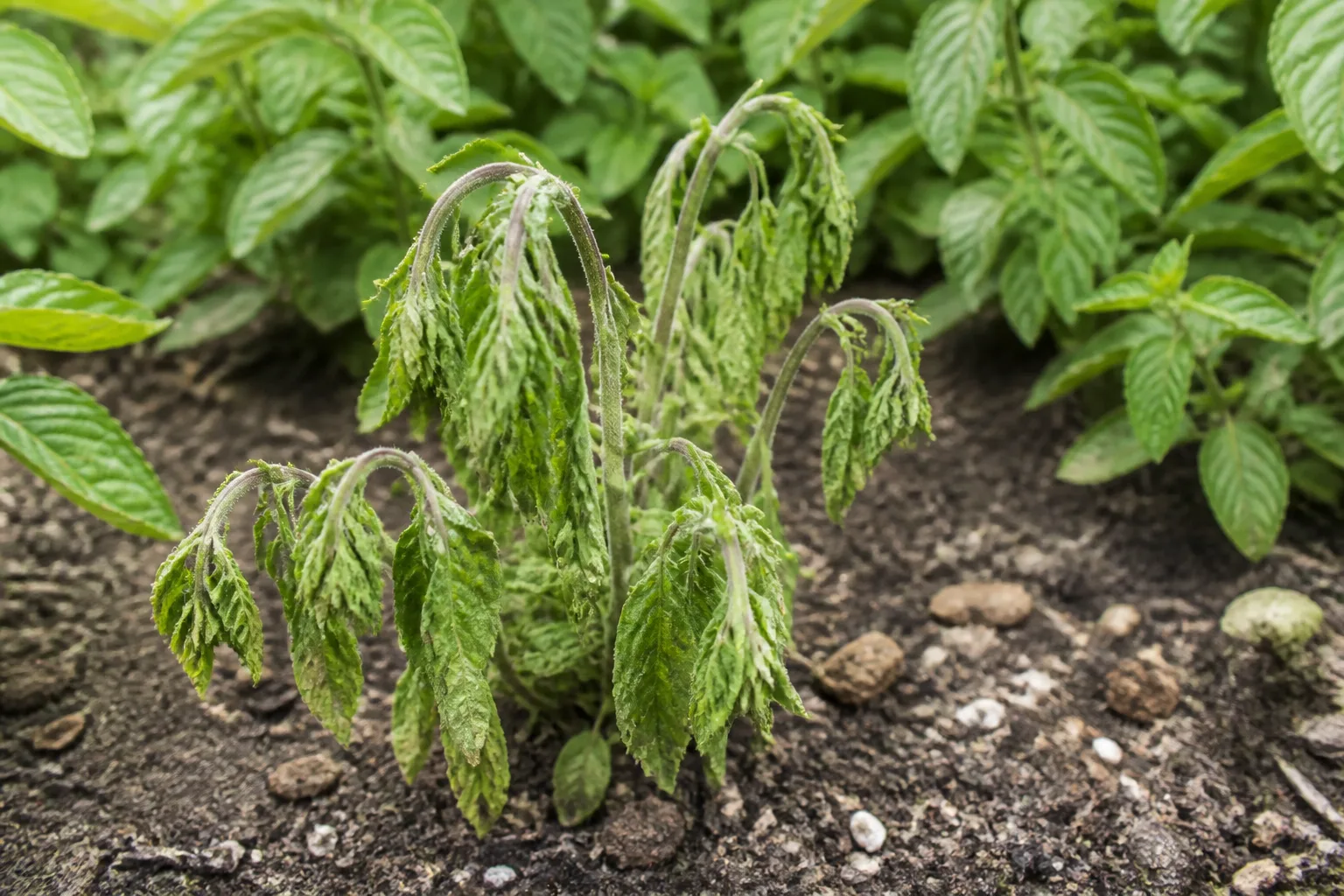
Wilting on Mint: Causes, Checks & Fixes
This guide covers wilting on Mint. See also the general Wilting guide, watering, and light pages for this plant.
Wilting on Mint: Causes, Checks & Fixes
Quick answer
Wilting on Mint (Mentha spicata, spearmint) is almost always a water-pathway problem-either the root ball ran dry, or roots are too damaged to pull water up from wet soil. The two causes look identical above ground, which is why guessing is dangerous.
First step: check soil moisture and pot weight before you water. Press your finger 2 cm into the mix. If it is dry and the pot feels light, soak thoroughly until water drains freely. If the mix is wet, heavy, or smells sour, stop watering and inspect roots instead of adding more moisture.
Mint is a fast-growing herb that drinks heavily in sun and heat. It also spreads by rhizomes and outgrows pots within months, so a plant that wilted yesterday from drought can wilt tomorrow from rot if drainage fails.
What wilting looks like on Mint
On mint, wilt shows as limp, drooping stems and leaves that lose their crisp texture. New shoot tips often sag first because they have the thinnest tissue and the highest water demand. Older lower leaves may hang down or curl at the edges.
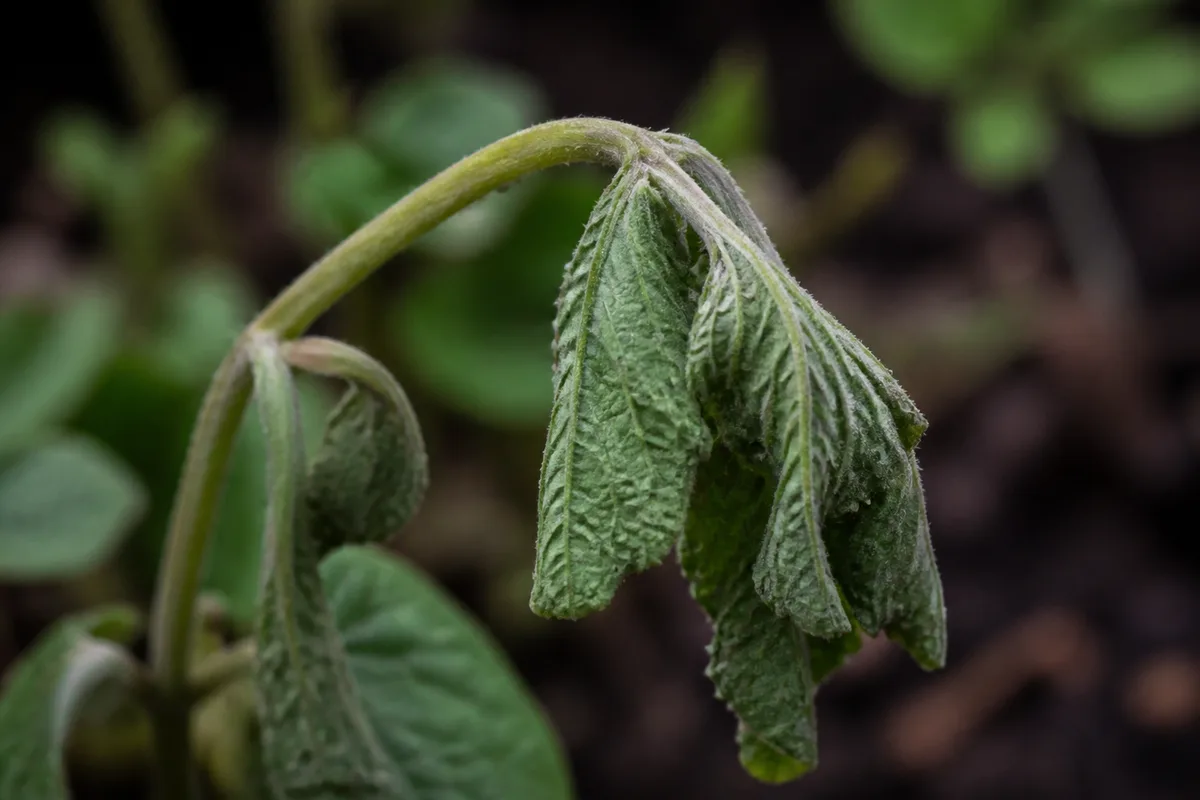
Wilting symptoms on Mint - compare with healthy tissue on the same plant.
Patterns that help narrow the cause:
- Dry-soil wilt - Mix is pale, hard, or pulled slightly away from the pot rim. Pot feels light. Leaves may feel papery; fragrance drops off. Stems stay firm when you pinch them.
- Wet-soil wilt - Mix stays dark and damp for days. Lower leaves yellow while tops still droop. Stem bases may feel soft. A sour or swampy smell from the pot points to rotting roots.
- Heat wilt - Afternoon collapse on a hot windowsill or patio, with mix that is merely dry at the surface but still moist deeper down. Plants often perk up by evening if roots are healthy.
- Post-repot wilt - Whole plant slumps for several days after dividing or transplanting, even when you watered carefully. New growth looks stalled.
Wilted mint leaves rarely return to perfect form once they have been limp for more than a day or two. Recovery is measured by new firm shoots, not by old leaves standing upright again.
Why Mint wilts
Mint evolved for rich, moist soil in sun to partial shade. Missouri Botanical Garden notes spearmint grows best in rich, moist soils with medium to wet water needs. That appetite makes mint sensitive to both ends of the moisture spectrum in containers.
underwatering on Mint and fast drying
Mint root balls should not dry out completely. In small pots on a sunny sill, mix can go from moist to dust-dry in a day during summer. Heavy harvesting also strips foliage that would otherwise shade the soil and slow evaporation.
Root-bound mint wilts faster because cramped rhizomes fill the pot and leave little water-holding mix. Edge shoots may look fine while the centre collapses.
overwatering on Mint and root failure
This is the trap most mint growers hit. Wet soil displaces air from root zones. Without oxygen, roots stop functioning; pathogens such as Pythium and Phytophthora often follow. Penn State Extension lists root rot from overwatering as a primary cause of wilting in indoor plants-and the leaves wilt while soil stays soggy.
Mint in sealed decorative pots, saucers that hold standing water, or heavy peat mixes without perlite is especially vulnerable. The plant looks thirsty; watering more makes rot worse.
Heat and transpiration stress
Temperatures above 30°C with dry surface soil push transpiration faster than roots can supply water, even when deeper mix still holds moisture. Container herbs on dark patios are common victims. RHS container guidance notes that pots dry quickly in hot weather and that repeated wilting can stunt growth even after plants recover.
Transplant shock
Dividing mint or moving store-bought pots breaks fine roots. Uptake drops for one to two weeks while rhizomes re-establish. Wilting right after Mint repotting guide with firm stems and evenly moist-not soggy-mix usually means shock, not rot.
Pests and disease (less common in kitchen pots)
Heavy aphid clusters on new tips can stunt and droop shoots. Field mint can suffer Verticillium wilt from Verticillium dahliae, which causes yellowing, stunting, and collapse-but that is rare in fresh container compost. Suspect it only if wilting persists after correcting water and drainage, especially on stock from outdoor beds.
How to confirm the cause
Work through these checks in order. You need only a finger, pot lift, and maybe a gentle unpot.
- Surface moisture - Dry 2 cm down with a light pot points to drought. Wet surface with a heavy pot points to excess moisture or poor drainage.
- Stem firmness - Pinch a stem above the soil line. Firm green tissue fits drought or heat stress. Soft, mushy bases fit rot.
- Smell - Sour or musty odour from the drainage hole suggests decay. Neutral or earthy smell fits normal or dry soil.
- Leaf pattern - Yellow lower leaves with wet mix suggest root stress. Uniform limp leaves on dry mix suggest underwatering.
- Time of day - Afternoon-only wilt that recovers overnight with firm stems often means heat, not disease.
- Recent care - Repotted, divided, or moved in the last two weeks? Shock is likely if water rhythm has been steady.
- Root check (if wet and not improving) - Slide the plant out. Healthy mint roots are white to cream and firm. Rot shows brown, black, or translucent mush that collapses between fingers.
University of Minnesota Extension advises never allowing herbs to wilt between waterings, but also warns that constantly soggy soil encourages root rots-the diagnosis hinges on which extreme you are actually running.
First fix for Mint
Match your action to moisture, not to how sad the plant looks.
- If mix is dry and pot is light: Water deeply once until water runs from drainage holes. Empty the saucer within 15 minutes. For very dry, hydrophobic mix, bottom-soak the pot in a basin for 20–30 minutes, then drain fully.
- If mix is wet and stems are still firm: Stop watering. Move the pot to bright light with good airflow. Recheck in 24 hours. Do not fertilize.
- If mix is wet and stems are soft, or roots are mushy: Stop watering, unpot, trim all brown slimy roots back to firm tissue, and repot into fresh perlite-amended mix with open drainage. That is a rescue path, not a same-day soak.
Do not water on autopilot. Mint in Mint light guide can need daily drinks in summer; the same plant in cool indoor light may need water only every three to four days.
Step-by-step recovery
For drought wilt
- Soak until the root ball is evenly moist, not just the surface.
- Move out of harsh afternoon sun for 24 hours to reduce water loss while roots rehydrate.
- Resume checking the top 2 cm before each watering.
- Snip stems that stay brown and crispy after 48 hours.
For rot-related wilt
- Unpot and rinse roots gently with lukewarm water.
- Cut away all mushy roots and any soft stem tissue at the base.
- Repot into fresh mix with 15–20% perlite; use a pot with drainage holes only slightly larger than the trimmed root mass.
- Water once lightly to settle mix, then let the top 2 cm dry before the next drink.
- Hold fertilizer until new shoots look healthy for two weeks.
For heat wilt
- Water if the top 2 cm is dry; do not flood an already wet root zone.
- Shift the pot to morning sun with afternoon shade, or group pots to raise local humidity.
- Use light-colored containers on hot patios to reduce root-zone heat.
For transplant shock
- Keep mix evenly moist but never soggy.
- Provide partial shade for three to five days.
- Avoid harvesting heavily until new growth firms up.
Recovery timeline
Mild drought wilt often improves within 2–12 hours after a proper soak-you should see shoot tips stiffen the same day.
Heat wilt typically corrects overnight once moisture and shade are adjusted.
Transplant shock may take 7–14 days before new tips look normal.
Root rot recovery is slower: expect two to four weeks before steady new growth if enough firm rhizome remains. Severely trimmed plants may need a full division from healthy side shoots.
Worsening signs: stems blacken from the base up, every shoot collapses despite dry-down treatment, or no new tips appear after three weeks in warm light.
Lookalike symptoms
- Leggy pale growth - Long gaps between leaf pairs in dim light; stems flop but mix is often moist. Fix light before watering more.
- Yellow leaves only on Mint - May be nitrogen shortage or overwatering without full wilt. Check whether oldest leaves yellow first and whether mix is wet or dry.
- Rust or powdery mildew - Orange pustules or white powder on leaves with otherwise firm stems; foliage may drop but base stays solid. Treat as disease, not drought.
- Aphid damage - Curled new tips with sticky residue; wilting is local to infested shoots. Rinse and treat pests.
- Normal post-harvest slump - Heavy cutting can temporarily reduce turgor on remaining leaves; stems stay firm and mix moisture is normal.
Mistakes to avoid
Do not add water because leaves look limp when soil is already wet-that deepens rot. Avoid letting mint bake dry repeatedly in small pots; RHS notes that recovering from wilting may still slow growth.
Do not repot into a much larger container on day one unless roots are visibly rotting-extra wet soil volume dries slowly and invites more rot. Skip fertilizer on stressed plants; salts on damaged roots worsen wilt.
Do not move wilted mint into blasting midday sun to “dry it out.” Do not reuse sour, waterlogged mix after trimming rot.
How to prevent wilting on Mint
- Water by touch, not calendar - Check the top 2 cm; soak when dry, never when soggy.
- Use containers with drainage and empty saucers after every watering.
- Repot or divide every 6–12 months before rhizomes circle the pot and force daily drought cycles.
- Give 4–6 hours of direct sun or strong supplemental light so growth matches your Mint watering guide.
- Harvest regularly to keep plants bushy and replace cut stems with fresh growth.
- In hot weather, water early in the day and consider afternoon shade for patio pots.
RHS recommends keeping container mint compost evenly moist, never soggy, and checking pots regularly during dry spells-especially because mint in pots dries faster than in-ground plantings.
When to worry
Treat immediately if the stem base goes soft, wilting spreads to all shoots while soil stays wet, or roots are mostly mush on inspection. Those patterns rarely self-correct with another soak.
You can usually wait until your next scheduled check if the pot is simply light and dry, stems are firm, and wilt appeared after one hot afternoon.
If verticillium-type collapse is suspected on outdoor stock-persistent wilt with yellowing and stunting despite good drainage-discard infected plants and start clean divisions in fresh compost rather than nursing the same rhizome.
Conclusion
Wilting on Mint is a diagnostic puzzle with two opposite answers. Dry mix and a light pot mean soak; wet mix and soft stems mean stop watering and inspect roots. Check moisture before every fix, match drainage to mint’s fast growth, and judge success by new firm shoots-not by old leaves standing tall again.
When to use this page vs other Mint guides
- Mint watering guide - Use for routine moisture checks before assuming wilting is the main issue.
- Mint problems hub - Browse all 40 common issues on this species.
- Underwatering on Mint - Different entry point when symptoms overlap with wilting.
- Overwatering on Mint - Different entry point when symptoms overlap with wilting.
- Root Rot on Mint - Different entry point when symptoms overlap with wilting.