Anacharis / Elodea Problems: Causes & Quick Fixes
Quick answer
Anacharis / Elodea is prone to 49 common issues - each link below is a plant-specific fix guide.
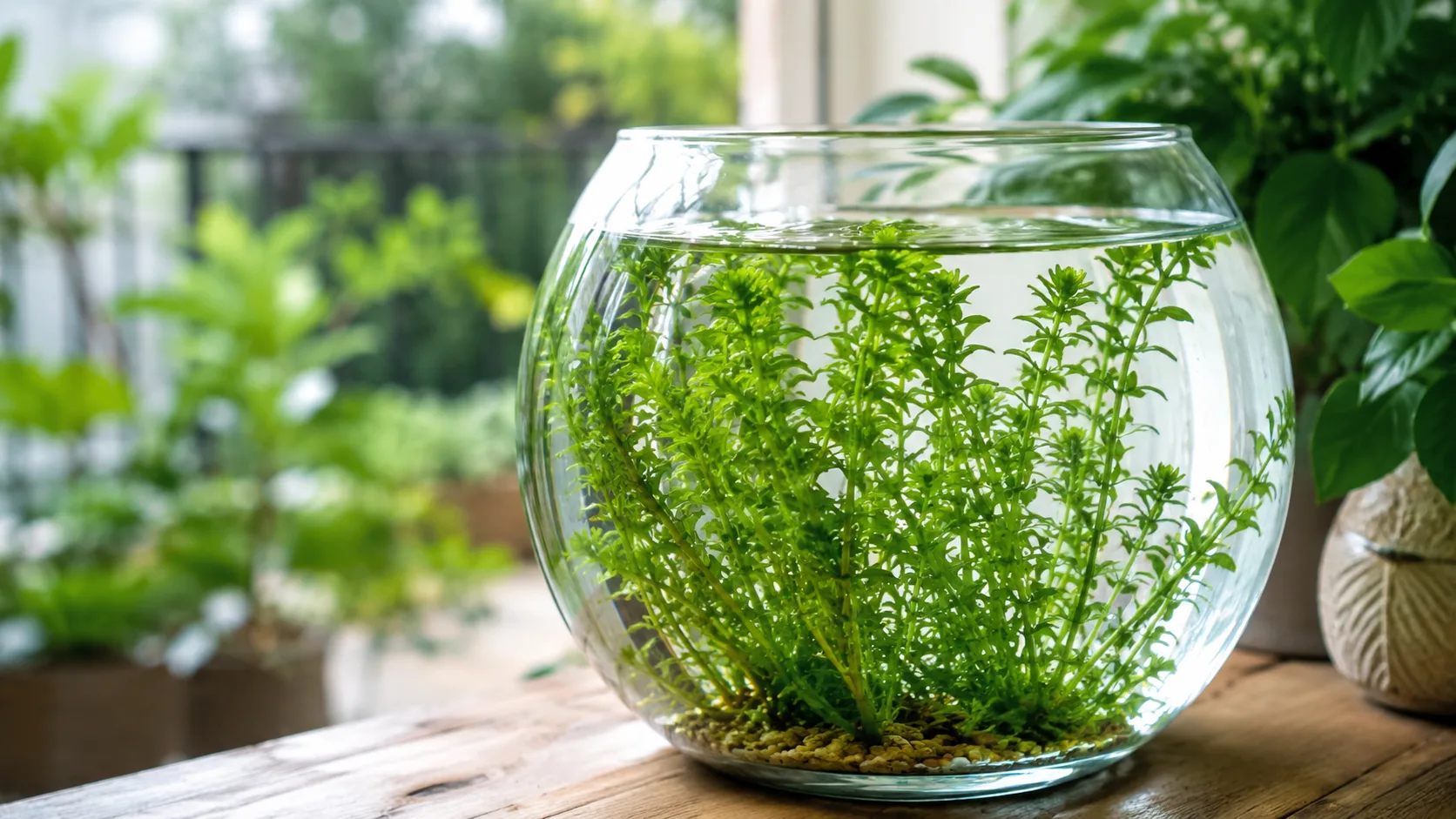
Anacharis / Elodea problems
Use the guides below to diagnose and fix common issues on Anacharis / Elodea. Each problem page explains why it happens on this species and what to do first.
Or use our problem diagnosis tool to narrow down symptoms.
Common problems on Anacharis / Elodea
Black Spots
MediumLikely cause: Black beard or filamentous algae attaching to fast-growing stems, often where flow or CO₂ is uneven.
Quick fix: Trim heavily coated stems, improve flow, stabilize CO₂ or reduce photoperiod, and spot-treat algae cautiously.
Full fix guide →Brown Leaves
MediumLikely cause: Shaded lower leaves, diatom algae film, nutrient stress, or post-shipping acclimation melt.
Quick fix: Remove mushy brown tissue, increase light reaching lower stems, improve filtration, and dose balanced aquarium fertilizer if needed.
Full fix guide →Brown Tips
MediumLikely cause: Nutrient deficiency (often potassium), shaded lower growth, or early melt on older leaves.
Quick fix: Trim affected tips, thin dense stems for better light, and use a balanced liquid aquarium fertilizer.
Full fix guide →Chemical Damage
HighLikely cause: Copper-based fish meds, algaecides, or glutaraldehyde/Excel overdoses liquefy Anacharis tissue.
Quick fix: Stop copper and liquid-carbon products, remove melted stems, and perform partial water changes before replanting healthy cuttings.
Full fix guide →Cold Damage
MediumLikely cause: Outdoor pond freeze, ice damage, or water held near freezing for extended periods.
Quick fix: Move plants below the ice line in ponds, use a de-icer for gas exchange, or overwinter cuttings indoors in cool aquarium water.
Full fix guide →Crispy Leaves
MediumLikely cause: Floating mats or emergent stems left above water long enough to desiccate.
Quick fix: Re-submerge healthy stems immediately, trim dried tissue, and keep all growth fully underwater.
Full fix guide →Damaged Roots
MediumLikely cause: Shipping bands left on stems, stems planted too deep, or crushed nodes during planting.
Quick fix: Remove bands/weights, float cuttings until white roots form, then replant shallowly with lower leaves stripped.
Full fix guide →Drooping Leaves
MediumLikely cause: Acclimation melt, temperature shock, or decay spreading from mushy lower stems.
Quick fix: Remove limp melting sections, match tank temperature on transfer, and leave firm upper stems to regrow.
Full fix guide →Faded Leaves
MediumLikely cause: Low light, nitrogen deficiency on older leaves, or iron shortage on new tips.
Quick fix: Increase moderate aquarium lighting and dose a balanced liquid fertilizer with iron.
Full fix guide →Fertilizer Burn
MediumLikely cause: Excess liquid fertilizer or dosing before submerged leaves establish, especially in new tanks.
Quick fix: Pause fertilizer 1–2 weeks, change 30–50% water, trim melted stems, then restart at half dose.
Full fix guide →Heat Stress
HighLikely cause: Warm tropical tanks, summer heat spikes, or moving plants from cool to hot water too fast.
Quick fix: Cool the tank with surface agitation or partial changes, remove melted tissue, and acclimate future plants gradually.
Full fix guide →Likely cause: Herbivorous tank mates (goldfish, turtles, apple snails) chewing whorled leaves.
Quick fix: Grow backup stems in a separate tub, float plants out of reach, or accept grazing because fast regrowth often outpaces damage.
Full fix guide →Iron Deficiency
MediumLikely cause: Low iron in lightly stocked or shrimp-only tanks with moderate/high light.
Quick fix: Dose chelated iron or a complete liquid aquarium fertilizer and confirm nitrate is not zero.
Full fix guide →Leaf Drop
LowLikely cause: Normal acclimation melt after shipping or moving tanks; old leaves not adapted to submerged growth.
Quick fix: Siphon fallen leaves during water changes and leave firm stems in place for new submerged growth.
Full fix guide →Leggy Growth
LowLikely cause: Insufficient PAR or short photoperiod in low-tech aquariums and turtle tanks.
Quick fix: Increase to moderate aquarium lighting, trim and replant tops to bush lower stems, or float stems nearer the light.
Full fix guide →Low Humidity
MediumLikely cause: Leaves or roots left above the waterline in open tanks, turtle basking areas, or during shipping.
Quick fix: Keep all tissue underwater or fully floating wet, and trim any air-dried sections before they rot.
Full fix guide →Nitrogen Deficiency
MediumLikely cause: Low nitrate in clean shrimp tanks, new setups, or fast growth outpacing fish waste.
Quick fix: Test nitrates and dose nitrogen or a complete liquid fertilizer until older leaves re-green.
Full fix guide →No New Growth
MediumLikely cause: New tank instability, copper/Excel exposure, heat melt, or removing all healthy nodes during cleanup.
Quick fix: Verify ammonia/nitrite are safe, stop medications and liquid carbon, and leave at least one firm node on each stem.
Full fix guide →Not Enough Light
MediumLikely cause: Low-tech turtle tank lighting, deep tanks, or dense shading from floating mats.
Quick fix: Upgrade to moderate aquarium lighting 8–10 hours, thin overlapping stems, or float cuttings nearer the surface.
Full fix guide →Overfertilization
MediumLikely cause: Full-strength daily dosing in low-tech tanks or combining liquid ferts with heavy fish bioload.
Quick fix: Halve fertilizer dose, increase water-change frequency, and trim algae-coated or mushy stems.
Full fix guide →Overwatering
HighLikely cause: Letting melted stems decay in unfiltered bowls, clogged turtle tanks, or infrequent water changes.
Quick fix: Remove rotting plant debris immediately, increase filtration and water changes, and replant only firm cuttings.
Full fix guide →Pale Leaves
MediumLikely cause: Nutrient-poor water in heavily planted or lightly stocked aquariums combined with moderate lighting.
Quick fix: Dose a complete aquarium fertilizer, confirm nitrate 10–20 ppm, and improve light reaching lower stems.
Full fix guide →Root Rot
HighLikely cause: Buried leaves rotting in gravel, anaerobic substrate pockets, or decay spreading from melting stems.
Quick fix: Trim to healthy green tissue, float cuttings until new white roots form, then replant shallowly.
Full fix guide →Slow Growth
LowLikely cause: Cool unheated tanks, low PAR lighting, or nutrient-poor water in lightly stocked setups.
Quick fix: Warm water into the 64–77°F range, add moderate lighting, then dose a light aquarium fertilizer if growth stays sluggish.
Full fix guide →Likely cause: Snails imported on store-bought stems grazing leaves and reproducing in the tank.
Quick fix: Quarantine and rinse new plants, manually remove snails, or add controlled snail-eating helpers if appropriate for the tank.
Full fix guide →Stem Rot
HighLikely cause: Deep planting, leftover stem bands, or thick bunches shading and rotting lower internodes.
Quick fix: Cut back to firm green tissue, strip lower leaves, float until roots appear, and replant stems shallowly and spaced apart.
Full fix guide →Stunted Growth
MediumLikely cause: Chronic low nutrients, weak light, or repeated parameter swings preventing new submerged leaves.
Quick fix: Stabilize temperature and water quality, improve lighting, and start half-strength comprehensive fertilizer.
Full fix guide →Likely cause: Moving plants to harsh pond sun or jumping from low to high PAR without acclimation.
Quick fix: Shade or float stems, shorten photoperiod, acclimate gradually, and trim bleached tissue.
Full fix guide →Likely cause: Emersed-to-submersed transition, temperature shock, or liquid-carbon/copper toxicity.
Quick fix: Remove all transparent mushy tissue immediately and keep firm upper stems in stable, medication-free water.
Full fix guide →Transplant Shock
MediumLikely cause: Rapid changes in temperature, pH, hardness, or light when moving between tanks or stores.
Quick fix: Float in bag acclimation, avoid moving stems again, trim melt, and wait for new tips on firm nodes.
Full fix guide →Underwatering
MediumLikely cause: Water level drop in turtle tanks, stems stranded during maintenance, or shipping exposure to air.
Quick fix: Re-submerge immediately in dechlorinated water and discard brittle dried sections.
Full fix guide →Water Stress
HighLikely cause: Large unmatched water changes, new-tank cycle spikes, or moving between very different source tanks.
Quick fix: Match temperature and parameters on transfers, fix ammonia/nitrite, and remove decaying stems promptly.
Full fix guide →Wilting
HighLikely cause: Acclimation melt, heat above ~82°F, copper/Excel exposure, or rotting lower stems polluting the tank.
Quick fix: Remove wilted tissue, stabilize temperature and water quality, and keep only firm stems with green nodes.
Full fix guide →Yellow Leaves
MediumLikely cause: Low nutrients, poor light reaching lower stems, fouled water, or post-transfer melt.
Quick fix: Remove melting yellow tissue, improve water changes and lighting, and dose balanced aquarium fertilizer.
Full fix guide →Aphids
MediumLikely cause: Aphids on Anacharis almost always cluster on emersed stems above the waterline-not healthy submerged whorls. First step: Pinch off infested emersed tips, bag the trimmings, and submerge only clean fir
Quick fix: See plant-specific guide for step-by-step fixes.
Full fix guide →Fungus Gnats
MediumLikely cause: Fungus gnats near Anacharis setups come from damp houseplant soil on the tank stand or emersed propagation cups-not submerged aquarium water. First step: Let the top 1–2 inches of adjacent potting soi
Quick fix: See plant-specific guide for step-by-step fixes.
Full fix guide →Mealybugs
MediumLikely cause: Mealybugs on Anacharis almost always colonize emersed stems above the waterline-not healthy submerged whorls. First step: Bag and discard infested emersed cuttings, then plant only rinsed submerged st
Quick fix: See plant-specific guide for step-by-step fixes.
Full fix guide →Mold on Soil
MediumLikely cause: Mold on soil near Anacharis means damp potting mix in emersed propagation cups or overwatered houseplant pots on the tank stand - not submerged aquarium gravel. First step: discard moldy soil cups and
Quick fix: See plant-specific guide for step-by-step fixes.
Full fix guide →Spider Mites
MediumLikely cause: Spider mites on Anacharis almost always attack emersed stems above the waterline-not healthy submerged whorls. First step: Trim infested above-water tissue, treat cuttings off-tank with insecticidal s
Quick fix: See plant-specific guide for step-by-step fixes.
Full fix guide →Curling Leaves
MediumLikely cause: Common curling leaves pattern on Anacharis / Elodea under indoor care stress.
Quick fix: Inspect roots, watering, light, and pests; adjust one variable and monitor new growth.
Full fix guide →Distorted Leaves
MediumLikely cause: Common distorted leaves pattern on Anacharis / Elodea under indoor care stress.
Quick fix: Inspect roots, watering, light, and pests; adjust one variable and monitor new growth.
Full fix guide →Scale Insects
MediumLikely cause: Common scale insects pattern on Anacharis / Elodea under indoor care stress.
Quick fix: Inspect roots, watering, light, and pests; adjust one variable and monitor new growth.
Full fix guide →Thrips
MediumLikely cause: Common thrips pattern on Anacharis / Elodea under indoor care stress.
Quick fix: Inspect roots, watering, light, and pests; adjust one variable and monitor new growth.
Full fix guide →Whiteflies
MediumLikely cause: Common whiteflies pattern on Anacharis / Elodea under indoor care stress.
Quick fix: Inspect roots, watering, light, and pests; adjust one variable and monitor new growth.
Full fix guide →Leaf Miners
MediumLikely cause: Common leaf miners pattern on Anacharis / Elodea under indoor care stress.
Quick fix: Inspect roots, watering, light, and pests; adjust one variable and monitor new growth.
Full fix guide →Caterpillars
MediumLikely cause: Common caterpillars pattern on Anacharis / Elodea under indoor care stress.
Quick fix: Inspect roots, watering, light, and pests; adjust one variable and monitor new growth.
Full fix guide →Magnesium Deficiency
MediumLikely cause: Common magnesium deficiency pattern on Anacharis / Elodea under indoor care stress.
Quick fix: Inspect roots, watering, light, and pests; adjust one variable and monitor new growth.
Full fix guide →Potassium Deficiency
MediumLikely cause: Common potassium deficiency pattern on Anacharis / Elodea under indoor care stress.
Quick fix: Inspect roots, watering, light, and pests; adjust one variable and monitor new growth.
Full fix guide →Calcium Deficiency
MediumLikely cause: Common calcium deficiency pattern on Anacharis / Elodea under indoor care stress.
Quick fix: Inspect roots, watering, light, and pests; adjust one variable and monitor new growth.
Full fix guide →