Zebra Plant Care: Light, Water & Humidity
Aphelandra squarrosa
Zebra plants need bright indirect light, high humidity, and even moisture. They are demanding but reward with stunning striped foliage and yellow bracts.
Zebra Plant Care: Light, Water & Humidity
Start with wateringThe most common care mistake for Zebra PlantWatering guide →Zebra Plant care essentials
Light
bright indirect light, medium indirect light
Water
Keep evenly moist but never waterlogged; water when the top inch of soil dries.
Soil
Well-draining, moisture-retentive peat-based mix with perlite.
Humidity
High humidity (60–70%); mist regularly or use a pebble tray
Temperature
18°C to 24°C (65–75°F)
Fertilizer
Feed lightly during active growth. High-potassium liquid fertilizer to encourage blooms.
About Zebra Plant
Zebra Plant has a upright growth habit.
| Detail | Information |
|---|---|
| Growth habit | Upright |
| Scientific name | Aphelandra squarrosa |
Zebra Plant Care: Light, Water & Humidity
What Is Zebra Plant?
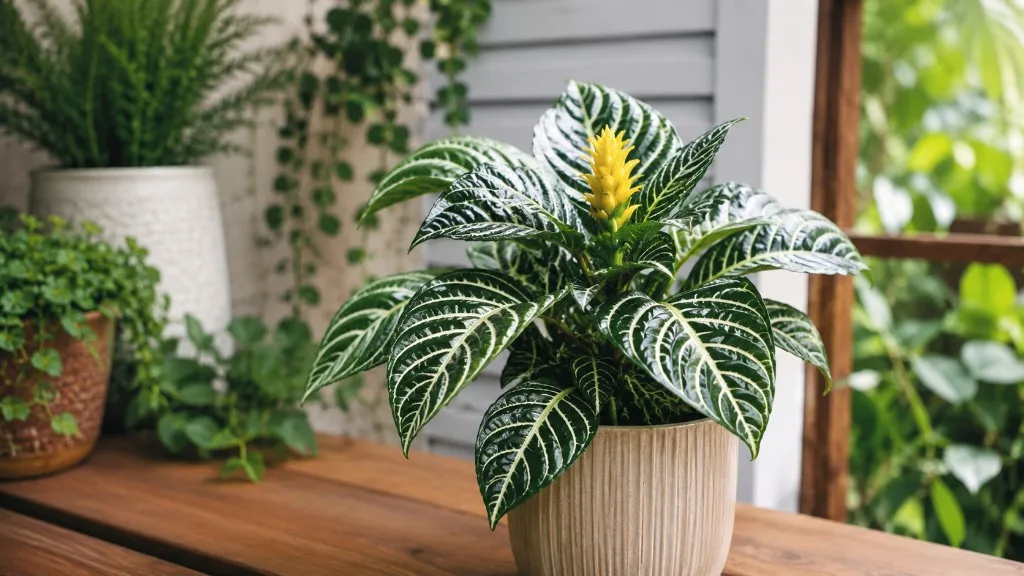
Zebra plant is a tropical evergreen grown for two showstoppers at once: glossy dark green leaves traced with bold white veins that read like painted stripes, and golden-yellow flower bracts that rise in thick vertical spikes above the foliage. The accepted scientific name is Aphelandra squarrosa, a member of the family Acanthaceae. In its native range of northeast and southeast Brazil, it grows as a broadleaf shrub in the humid understory of the Atlantic Forest, where filtered light, steady warmth, and moisture never far from the root zone define what “healthy” looks like.
Indoors, zebra plant typically reaches 1 to 2 feet (30 to 60 cm) tall and wide - a fraction of the 4 to 6 feet it can achieve in tropical outdoor plantings, according to the NC State Extension Gardener Plant Toolbox. Growth is slow compared with fast foliage plants like coleus or pothos, and the species has a reputation for being short-lived as a houseplant - often two to three years before it looks tired - though stem cuttings taken during routine pruning make continuity straightforward. The payoff is one of the most graphic leaf patterns in common houseplant commerce, plus a bloom display that can persist for several weeks when conditions align.
If you are deciding whether zebra plant fits your home, the honest summary is this: it rewards Zebra Plant light guide, high humidity, and consistently moist but well-drained soil - and it punishes dry air, drought, cold drafts, and direct sun. It is more demanding than a snake plant or ZZ plant and roughly comparable to a finicky calathea in humidity appetite, with the added expectation that you will manage it through a flowering cycle and post-bloom cutback. One bright spot for pet owners: Aphelandra squarrosa is listed as non-toxic to cats, dogs, and horses by the ASPCA, making it one of the few bold, flowering tropicals that is genuinely pet-friendly by official classification.
Botanical Background and Naming Confusion
Aphelandra squarrosa belongs to Acanthaceae, a family that includes many tropical ornamentals with opposite leaves and showy inflorescences. The genus name comes from Greek: apheles (simple) and andros (male), referring to the one-celled anthers. The species epithet squarrosa describes the somewhat spreading, scaly texture of the flower bracts. You may also see the older synonym Justicia macrophylla on vintage references, though modern labels and databases use Aphelandra squarrosa.
The common name “zebra plant” is shared by at least three unrelated houseplants, and mixing them up leads to bad care advice. Aphelandra squarrosa - the subject of this guide - has large, glossy, paddle-shaped leaves with prominent white longitudinal veins and produces yellow bracted flower spikes. Calathea zebrina (recently reclassified as Goeppertia zebrina) is a prayer-plant relative with velvety leaves banded in alternating light and dark green stripes running horizontally; it folds leaves at night and rarely flowers indoors. Haworthia fasciata is a small succulent rosette with white raised bumps on dark green leaves - a desert plant with entirely different water and light needs. When you buy a “zebra plant,” check the leaf texture and venation: glossy with white veins points to Aphelandra; velvety horizontal bands point to calathea; chunky succulent bumps point to haworthia.
In cultivation, zebra plant is treated as a broadleaf evergreen perennial in USDA Hardiness Zones 11a through 12b, where frost-free outdoor culture is possible. Everywhere else, it is a container houseplant or seasonal patio specimen brought indoors before temperatures drop. NC State Extension notes a slow growth rate and medium maintenance level - accurate framing for a plant that does not demand daily attention but will not forgive a dry winter heating season.
Why the Bold Veined Foliage Deserves the Extra Attention
Zebra plant earns its place on a shelf through pattern alone. The dark green leaf surface acts as a canvas for white or pale veins that run from base to tip, an adaptation that helps maximize light capture in shaded forest understory. Indoors, that contrast only reads when light is strong enough to keep pigments saturated but filtered enough to avoid scorch. Too little light and the plant stretches, leaves shrink, and the graphic veining dulls. Too much direct sun and the glossy surface bleaches or browns at the margins before you notice the color shift on new growth.
The flower display is the second act. Each stem tip can produce a dense spike of bright yellow bracts - modified leaves - with small tubular yellow flowers emerging from between them. The bracts are the show; the individual flowers are comparatively small. Bloom is not guaranteed on every cycle indoors, but prolonged bright indirect light during the growing season improves the odds substantially, according to NC State Extension. After flowering, the plant often looks spent unless you cut stems back to a lower node and restart vegetative growth - a step many beginners skip, then wonder why the specimen becomes leggy and leafless.
Zebra plant also fits a specific aesthetic niche: tropical accent in bright bathrooms, kitchens with east windows, or grouped plant displays where collective transpiration raises local humidity. It is a poor match for low-light offices, drafty entryways, and homes that run below 40% humidity all winter without intervention. Knowing that upfront saves you from treating a rainforest understory plant like a tolerant desert succulent.
For related Zebra Plant care, see Crispy Leaves on Zebra Plant, Curling Leaves on Zebra Plant, Draft Stress on Zebra Plant.
Best Growing Conditions for Zebra Plant
Zebra plant performs best when your room approximates the warm, humid, bright-filtered rhythm of coastal Brazil. The four variables that decide almost every outcome are light, water, soil, and temperature with humidity. Align those and feeding, Zebra Plant repotting guide, pruning, and propagation become predictable routines. Misalign any one - especially humidity or moisture - and the plant declines through leaf drop long before a single pest appears.
Light Requirements
Zebra plant needs bright, indirect light for compact growth, vivid veining, and the best chance of flowering. Think of the light quality on a forest floor beneath an open canopy: bright ambient daylight without sustained direct beams on the leaves. An east-facing window is often ideal - gentle morning sun, then bright indirect exposure the rest of the day. A north-facing window in a genuinely bright room can work if you accept slower growth and fewer blooms. South- and west-facing exposures are usable when the plant sits 2 to 4 feet back from the glass or behind a sheer curtain that filters harsh afternoon rays.
Direct sunlight is the fastest way to damage foliage. Leaves exposed to hot midday sun develop bleached patches, brown scorch, or curling within days. If you are acclimating a greenhouse-grown plant to a brighter home position, move it gradually over one to two weeks rather than jumping from a dim shop shelf to an unfiltered south window. The diagnostic that matters is new growth: compact internodes, firm glossy leaves, and crisp white veining mean the plant is probably happy. Long bare stems with small pale leaves mean more light. Sun-facing brown patches on mature leaves mean less direct exposure.
Low light is survivable for a while but produces a leggy, sparse plant that drops lower leaves and rarely flowers. If your only available spot is dim, a full-spectrum grow light on a 10–12 hour timer, positioned 12–18 inches above the canopy, is more reliable than hoping a dark corner will suffice. Rotate the pot weekly so stems do not lean sharply toward the window.
Temperature and Humidity
Zebra plant prefers stable warmth between 65 and 75°F (18 and 24°C) during active growth. NC State Extension sets 65°F (18°C) as a practical floor - temperatures below that encourage leaf drop, stalled growth, and cold-stress yellowing. Keep the pot away from winter window panes, air-conditioning vents, and front doors that admit cold drafts; a few hours below its comfort range can trigger shedding that takes weeks to recover from.
Humidity is not optional for Zebra Plant overview - it is a core requirement. Zebra plant thrives at 60 to 70% relative humidity, with some growers reporting acceptable performance down to about 50% when watering and light are otherwise perfect. Average heated homes in winter often sit at 30 to 40%, which is where brown leaf tips, curling margins, and spider mite outbreaks begin. A hygrometer near the plant removes guesswork.
Raising humidity effectively ranked by impact:
- Cool-mist humidifier placed near the plant - most reliable year-round solution
- Grouping plants so collective transpiration creates a microclimate
- Pebble tray with the pot elevated above the water line - helpful as a supplement, not a sole fix
- Bright bathroom with shower steam - excellent if light is adequate
Misting leaves is a poor primary strategy. The humidity boost lasts minutes, and wet foliage in stagnant air invites fungal spotting. If you mist, do it early in the day with good air movement, and treat it as cosmetic refresh rather than climate control.
Soil and Drainage
Use a rich, well-draining, slightly acidic potting mix with high organic matter. NC State Extension specifies acidic soil below pH 6.0, good drainage, and loam with high organic content - a profile that mirrors rainforest floor conditions. A practical home blend is roughly two parts quality peat-based or peat-free houseplant mix, one part perlite, and one part orchid bark or coarse coco chips to keep the structure open. The goal is a mix that holds moisture in the root zone without staying waterlogged for days and that retains air pockets so roots can breathe.
Always plant in a container with a drainage hole. Zebra plant wants moist roots, not submerged ones - NC State Extension explicitly warns that the plant does not like wet feet, and drooping stems on heavy wet mix usually mean excess water, not thirst. A decorative cachepot is fine only if you empty runoff after every watering. Repot into fresh mix annually if you are keeping the plant long term; broken-down peat compacts, reducing oxygen at the roots and making moisture behavior unpredictable.
How to Water Zebra Plant
The general rule for zebra plant is keep the soil consistently moist but never waterlogged. This is not a drought-tolerant succulent and not a bog plant - it occupies the middle ground where the root zone should feel like a wrung-out sponge most of the time. Water when the top 1 to 2 inches (2.5 to 5 cm) of mix feel dry to the touch but before the entire pot has gone dusty dry. In warm, bright, humid conditions that often works out to roughly every five to seven days for a medium pot, but your calendar is a reminder to check, not a rule to follow blindly.
Water thoroughly until a small amount runs from the drainage hole, then empty the saucer within 30 minutes so the roots are not standing in stale water. Use room-temperature water; cold water shocks tropical roots. If your tap water is hard or heavily chlorinated and leaf tips brown despite good humidity, switch to filtered or distilled water for a few months and see if new growth improves - mineral and chlorine sensitivity is common though not universal.
Check moisture with a finger, a wooden skewer, or by lifting the pot. A light pot with dry surface crust means water soon. A heavy pot with wet surface and drooping stems means hold off and improve drainage or airflow instead.
Zebra Plant watering guide During Active Growth
During the warm, bright months when new leaves are expanding and flower spikes may form, zebra plant uses water steadily. The goal is even moisture without saturation cycles. Letting the plant wilt dramatically between soakings stresses roots and triggers lower leaf drop even if the plant appears to recover after watering. At the same time, shallow daily sips that wet only the top inch while the center stays dry produce chronic stress that looks like underwatering on Zebra Plant but is really poor watering technique.
If you just brought the plant home from a garden center, expect a short adjustment period. Nursery zebra plants are often grown in peat-heavy, high-humidity greenhouse conditions your living room may not match. Stabilize light and humidity first, then fine-tune watering based on how fast your specific container dries. Do not compensate for transplant shock by watering more frequently unless the pot is genuinely dry at depth.
Seasonal Adjustments
Zebra plant enters a period of semi-dormancy in winter, according to NC State Extension. Growth slows, water uptake drops, and the plant needs less frequent watering - but not a full drought. The most common winter failure is continuing a midsummer watering rhythm in lower light, which keeps the mix waterlogged and leads to yellow lower leaves, fungus gnats, and root rot on Zebra Plant. Stretch the interval, verify moisture at depth before each watering, and pause fertilizer until new growth resumes in late winter or early spring.
In heated dry homes, winter humidity drops at the same time watering should slow - a double stress. Running a humidifier matters more from November through February than in summer, even if the plant is drinking less. If leaf tips brown in January despite correct watering, suspect humidity first, not root disease.
Common Watering Mistakes
The single most damaging mistake is letting the soil dry out completely. Zebra plant responds with rapid leaf drop and crisp brown edges that will not fully recover on the lost foliage. The second mistake is watering on a fixed schedule without checking the pot, which overwaters in winter and underwater in bright summer kitchens. The third is letting the pot sit in a full saucer, which suffocates roots within days even when the surface looks fine.
People also misread drooping. A thirsty zebra plant on light, dry mix perks up within hours after a thorough soak. A rotting plant may wilt while the mix stays wet and then decline despite more water. Always pair droop with a depth moisture check before adding another drink. If stems are soft at the base and the mix smells sour, stop watering, inspect roots, trim brown mushy tissue, and repot into fresh mix.
How to Feed Zebra Plant
Zebra plant is a modest feeder during active growth, not a heavy one. A balanced water-soluble houseplant fertilizer - such as 10-10-10 or 20-20-20 - diluted to one-quarter to one-half of the label rate is sufficient. Apply to already-moist soil every three to four weeks from late winter through early fall while new growth is visible. NC State Extension recommends a weak fertilizer solution every few weeks as new growth begins after winter semi-dormancy - the same principle at gentler concentration.
Hold fertilizer entirely during deep winter semi-dormancy, after a major repot until new tips appear, and while the plant is recovering from root rot or pest damage. Overfeeding produces salt buildup and brown leaf margins that mimic low humidity damage. If margins crisp despite good moisture and humidity, flush the pot with plain water at two to three times the pot volume and pause feeding for six to eight weeks.
Feeding supports flowering but does not replace light. No fertilizer compensates for a dim corner. If you want bracts, prioritize bright indirect exposure for prolonged periods during the growing season, then support with light feeding once the plant is clearly growing - not while it is stalled in winter.
Repotting and Root Health
Repot zebra plant annually or every one to two years, going up only one pot size each time. NC State Extension specifically recommends annual repotting into the next size container to give roots room - a more frequent schedule than many houseplants need, reflecting the plant’s rainforest soil expectations and short productive lifespan indoors. The best timing is late winter to early spring as new growth resumes, which gives the plant a full warm season to establish.
Choose a pot only 1 to 2 inches (2.5 to 5 cm) wider than the current root ball. Oversized pots hold excess wet mix around a small root system - the most common trigger for rot after repotting. Use fresh, well-draining acidic mix, maintain the same planting depth, and water lightly for the first week while cut roots heal. Keep the plant in bright indirect light and skip fertilizer until you see new leaf expansion.
Signs It Is Time to Repot
Physical signs include roots circling drainage holes, water running straight through without soaking in, or a top-heavy plant that wilts within a day of watering despite moist mix. Performance signs include stalled growth for weeks during warm weather with adequate light, or chronic tip burn that persists after you have corrected humidity - sometimes indicating mineral-loaded old mix rather than current care errors.
Do not repot a plant that is actively collapsing from overwatering on Zebra Plant until you have inspected roots and trimmed rot. Moving a failing root ball into fresh mix without fixing the moisture problem rarely saves Aphelandra.
Propagation Methods for Zebra Plant
The standard home propagation method for zebra plant is stem cuttings taken during post-flowering pruning - the stems you remove when cutting the plant back are exactly the material you root. NC State Extension notes that stems removed during pruning can propagate additional plants, which is how growers offset the species’ short indoor lifespan.
Take a cutting 4 to 6 inches (10 to 15 cm) long with at least two nodes, using clean, sharp shears. Remove leaves from the lower half, leaving one or two leaf pairs at the top. You can root in moist, well-draining mix or in plain water changed every few days. For mix rooting, cover the pot with a clear plastic bag or dome to raise humidity, keeping plastic off the leaves, and place the cutting in bright indirect light at 70°F (21°C) or warmer. Roots typically form in three to five weeks; tug gently for resistance before treating the cutting as established.
After flowering, cut stems back aggressively - NC State Extension advises cutting back stems and leaves to leave about two rows of leaves per stem. This prevents the bare, leggy look that follows bloom and supplies propagation material simultaneously. Without this cutback, the plant often sheds leaves on tall bare stems and looks depleted for months.
Do not propagate stressed, diseased, or heavily pest-infested plants. Cuttings inherit the parent’s problems, and weak material fails at high rates. Division is possible on multi-stem specimens but is rarely necessary when stem cuttings are this straightforward.
Common Zebra Plant Problems
Most zebra plant problems are environmental - light, moisture, humidity, or temperature - not mysterious diseases. The plant signals trouble through leaf drop, tip color, and stem posture days before total collapse. The useful habit is to check humidity and moisture first, then light, then pests before reaching for fertilizer or a new pot.
Yellow Leaves, Brown Tips, and Pests
Yellow leaves often trace to overwatering, underwatering, cold drafts, or natural aging of lower leaves. If yellow leaves are soft and the mix is wet, suspect root stress and inspect for brown mushy roots. If yellow leaves are crisp and the pot is light, drought or complete dry-out is more likely - a critical distinction because zebra plant tolerates less drought than many common houseplants. A single yellow lower leaf on an otherwise full plant may be normal senescence; remove it and watch new growth.
Brown leaf tips and margins usually mean low humidity first, then salt buildup, hard tap water, or inconsistent watering. Raise humidity with a humidifier before assuming disease. Tips that are already brown will not green up; judge success by undamaged new leaves emerging after the fix.
Leaf drop in clusters during winter often combines dry heated air with incorrect watering - too much or too little. Scorched patches on sun-facing leaves mean direct light is too strong. Leggy bare stems after flowering mean you likely need the post-bloom cutback described above.
Watch for spider mites in dry indoor air - fine webbing and stippled leaves are the tell. Mealybugs hide in leaf axils as white cottony clusters. Scale appears as immobile bumps along stems. Aphids and whiteflies can appear on new growth, per NC State Extension. Catch infestations early with weekly inspection. A strong shower, manual removal, and insecticidal soap applied per label directions handle most issues if you act before populations spread.
Drooping on wet mix with foul odor is advanced overwatering. Trim healthy cuttings above the rot and restart propagation rather than trying to save a mushy base.
Is Zebra Plant Safe for Pets?
Aphelandra squarrosa is non-toxic to cats, dogs, and horses according to the ASPCA’s toxic plant listing under “Saffron Spike Zebra”. That is a meaningful distinction in a category - bold tropical foliage plants - where many lookalikes carry toxicity risk. If you have been avoiding flowering houseplants because of pet concerns, zebra plant is one of the few that combines graphic foliage, bracted blooms, and official non-toxic classification.
Non-toxic does not mean edible or digestion-proof. Pets that chew large amounts of any plant material may experience mild gastrointestinal upset - vomiting or soft stool - from fiber bulk or mechanical irritation rather than poison. The ASPCA listing addresses toxic principles, not whether your cat should use the pot as a snack bar. Sap may irritate sensitive skin on some people and pets, and small bracts or leaf pieces can pose a choking hazard to kittens or toy-breed dogs. Practical pet safety still means stable placement, enrichment, and supervision, not assuming non-toxic status eliminates all risk.
Confirm you have Aphelandra squarrosa and not a different “zebra plant” before relying on this guidance. Calathea zebrina is also generally considered non-toxic, but Haworthia fasciata - another zebra nickname - is a separate species with different care and a different safety profile in multi-plant households where labels get mixed.
If your pet ingests a large amount of plant material or shows persistent vomiting, lethargy, or loss of appetite, contact your veterinarian or the ASPCA Animal Poison Control Center at (888) 426-4435 (a consultation fee may apply). This is general information, not veterinary advice.
Conclusion
Zebra plant (Aphelandra squarrosa) is a Brazilian rainforest understory shrub grown indoors for glossy white-veined foliage and golden bracted flower spikes. Give it bright indirect light, 60 to 70% humidity, consistently moist well-drained acidic soil, and stable warmth above 65°F, and it will hold its graphic leaves and reward you with one of the more dramatic bloom displays in the pet-safe tropical category. Expect slow growth, a finite indoor lifespan, and a post-flowering cutback - then renew the plant from stem cuttings taken during that same pruning.
When something looks wrong, read the plant in context: brown tips and sudden leaf drop usually mean humidity or moisture first; scorched patches mean too much direct sun; leggy bare stems after bloom mean prune and propagate. Yellow leaves trace to watering imbalance, cold, or age - not a missing magic nutrient. Fix the environment, adjust watering second, and treat pests before they spread. Do that, and zebra plant becomes a manageable specialty specimen rather than a mystery that sheds leaves every winter - as long as you respect its rainforest roots and confirm you are growing Aphelandra squarrosa, not whichever striped plant happened to share the nickname at the garden center.
When to use this page vs other Zebra Plant guides
- Zebra Plant overview - Canonical hub for this species - care topics and problems branch from here.
- Zebra Plant problems - Symptom-first path when you already know something is wrong.
Related Zebra Plant guides
How to care for Zebra Plant?
How much light does Zebra Plant need?
bright indirect light, medium indirect light
- bright indirect light, medium indirect light - bright indirect light, medium indirect light.
When should you water Zebra Plant?
Keep evenly moist but never waterlogged; water when the top inch of soil dries.
- Check top 2 inches - Keep evenly moist but never waterlogged; water when the top inch of soil dries.
- Drain excess water - Keep evenly moist but never waterlogged; water when the top inch of soil dries.
What soil works best for Zebra Plant?
Well-draining, moisture-retentive peat-based mix with perlite.
- Well-draining mix - Well-draining, moisture-retentive peat-based mix with perlite.
Grower notes for Zebra Plant
What matters most with Zebra Plant
Zebra Plant is easiest to grow when you judge the whole plant: new growth, root-zone moisture, light exposure, and how quickly the pot dries after watering. In practice, the care checkpoint is simple: bright indirect light, medium indirect light. Pair that with well-draining, moisture-retentive peat-based mix with perlite, and avoid changing water, pot size, and placement all at once.
Best placement in a real home
Zebra Plant belongs where bright indirect light, medium indirect light is realistic for most of the day, not only where the pot looks good. Keep evenly moist but never waterlogged; water when the top inch of soil dries. If the pot stays wet longer than expected, move the plant into better light or reassess the mix before watering again. Humidity target: High humidity (60–70%); mist regularly or use a pebble tray.. Temperature comfort zone: 18°C to 24°C (65–75°F).
Before you buy this plant
Choose Zebra Plant with firm new growth, clean leaf undersides, and soil that does not smell sour or feel compacted. Be cautious if you see brown-tips, sticky residue, collapsed crowns, or a pot that is wet in poor light. Cosmetic old-leaf damage is less worrying than weak roots or active pests.
First month after bringing it home
Do not repot Zebra Plant on day one unless the mix is failing or pests are obvious. Quarantine it, learn how fast the pot dries, and keep care boring while it adjusts. Watch especially for brown-tips, drooping-leaves, and yellow-leaves. If problems appear, correct the condition first rather than stacking fertilizer, repotting, and pruning together.
Safety note for Zebra Plant
Zebra Plant is not a plant to keep within reach of pets or children. Treat it as an inaccessible display plant. Use gloves if sap or plant tissue is irritating, and pick a pet-safe alternative for floor pots or low shelves.
How to tell Zebra Plant is settling in
If you plan to multiply it later, common methods include Stem cuttings. If drooping-leaves shows up early, inspect light, watering, and roots before assuming the plant is permanently weak.
Is it pet safe?
Zebra Plant is generally considered pet safe.
Watering Zebra Plant
Keep evenly moist but never waterlogged; water when the top inch of soil dries.
Soil & potting for Zebra Plant
Well-draining, moisture-retentive peat-based mix with perlite.
Humidity & temperature for Zebra Plant
Zebra Plant prefers high humidity (60–70%); mist regularly or use a pebble tray, though normal home humidity is usually fine. Keep temperatures around 18°C to 24°C (65–75°F).
| Detail | Information |
|---|---|
| Humidity | High humidity (60–70%); mist regularly or use a pebble tray - normal home humidity is fine. |
| Ideal temperature | 18°C to 24°C (65–75°F) |
Fertilizer & pruning for Zebra Plant
Use feed lightly during active growth. High-potassium liquid fertilizer to encourage blooms. for Zebra Plant.
| Detail | Information |
|---|---|
| Fertilizer type | Feed lightly during active growth. High-potassium liquid fertilizer to encourage blooms. |
Common problems on Zebra Plant
Aphids
MediumLikely cause: Aphids cluster on new Aphelandra squarrosa growth, distorting striped leaves.
Quick fix: Spray insecticidal soap on new shoots; isolate until colonies clear.
Full fix guide →Brown Leaves
MediumLikely cause: Inconsistent watering, cold drafts, or direct sun scorch Aphelandra squarrosa foliage.
Quick fix: Maintain even moisture; move away from drafts and harsh direct sun.
Full fix guide →Brown Tips
MediumLikely cause: Fluoride, chloramines, and low humidity crisp zebra plant leaf edges.
Quick fix: Water with filtered or RO water; use a pebble tray for 60–70% humidity.
Full fix guide →Bud Drop
MediumLikely cause: Low humidity, cold drafts, or dry soil abort yellow bract buds on zebra plant.
Quick fix: Keep soil evenly moist and humidity above 60%; avoid AC vents.
Full fix guide →Cold Damage
MediumLikely cause: Temperatures below 18°C cause leaf drop and bud loss on tropical Aphelandra squarrosa.
Quick fix: Move to 18–24°C range away from cold windows and winter drafts.
Full fix guide →Crispy Leaves
MediumLikely cause: Low humidity below 60% dries zebra plant leaf edges to a papery texture.
Quick fix: Use a humidifier or pebble tray; avoid placing near heating vents.
Full fix guide →Curling Leaves
MediumLikely cause: Low humidity or spider mite feeding causes zebra plant leaves to curl inward.
Quick fix: Increase humidity to 60–70%; inspect undersides for mites and treat if found.
Full fix guide →Draft Stress
MediumLikely cause: Cold drafts from windows or AC cause sudden leaf drop on Aphelandra squarrosa.
Quick fix: Relocate away from vents; maintain stable 18–24°C temperatures.
Full fix guide →Drooping Leaves
HighLikely cause: Underwatering or cold stress wilts zebra plant leaves on thin stems.
Quick fix: Water thoroughly when top inch dries; move away from cold drafts.
Full fix guide →Likely cause: Yellow bracts fade naturally after peak bloom or when humidity drops too low.
Quick fix: Maintain humidity and even moisture; deadhead spent bracts to redirect energy.
Full fix guide →Fertilizer Burn
MediumLikely cause: Chemical fertilizers quickly scorch Aphelandra squarrosa leaf tips and margins.
Quick fix: Switch to organic fertilizer at half strength; flush soil if crust appears.
Full fix guide →High Humidity
MediumLikely cause: Excessive humidity without airflow promotes powdery mildew on Aphelandra squarrosa.
Quick fix: Maintain 60–70% humidity with a fan for gentle air circulation.
Full fix guide →Leaf Drop
HighLikely cause: Sudden leaf drop signals environmental stress from drafts, dry soil, or pests on zebra plant.
Quick fix: Stabilize temperature and moisture; inspect for pests and treat promptly.
Full fix guide →Leaf Spot Disease
MediumLikely cause: Fungal leaf spot causes brown or black spots on zebra plant foliage in stagnant humid air.
Quick fix: Remove spotted leaves; improve airflow and avoid wetting foliage when watering.
Full fix guide →Leggy Growth
MediumLikely cause: Insufficient light produces stretched stems with smaller striped leaves on zebra plant.
Quick fix: Move to bright indirect light; avoid deep shade.
Full fix guide →Low Humidity
HighLikely cause: Aphelandra squarrosa requires 60–70% humidity; dry air causes tip browning and bud drop.
Quick fix: Use a humidifier or pebble tray; group with other tropical plants.
Full fix guide →Mealybugs
MediumLikely cause: Mealybugs hide in zebra plant leaf axils as white cottony masses.
Quick fix: Dab with isopropyl alcohol; follow with neem oil spray weekly.
Full fix guide →No Flowers
MediumLikely cause: Insufficient light or potassium limits yellow bract formation on mature zebra plants.
Quick fix: Provide bright indirect light; use high-potassium fertilizer every two weeks in summer.
Full fix guide →Not Enough Light
MediumLikely cause: Low light prevents zebra plant flowering and produces weak pale striped foliage.
Quick fix: Move to bright indirect light; avoid north-facing rooms with no supplemental light.
Full fix guide →Overfertilization
MediumLikely cause: Heavy feeding causes white soil crust and crispy edges on Aphelandra squarrosa.
Quick fix: Flush soil; feed every two weeks at half strength with organic fertilizer only.
Full fix guide →Overwatering
HighLikely cause: Waterlogged peat mix rots Aphelandra squarrosa roots despite the plant liking even moisture.
Quick fix: Let top inch dry slightly; ensure pot drains and mix contains perlite.
Full fix guide →Powdery Mildew
MediumLikely cause: White powdery coating develops on Aphelandra squarrosa leaves in humid stagnant air.
Quick fix: Improve airflow; apply neem oil or potassium bicarbonate spray to affected leaves.
Full fix guide →Root Rot
HighLikely cause: Soggy soil causes soft brown roots and wilting on zebra plant despite wet potting mix.
Quick fix: Unpot, trim rotten roots, repot in fresh perlite-heavy mix; reduce watering.
Full fix guide →Scale Insects
MediumLikely cause: Scale insects attach along Aphelandra squarrosa stems as brown shell-like bumps.
Quick fix: Scrape with alcohol-soaked cotton; apply neem oil to stems weekly.
Full fix guide →Slow Growth
LowLikely cause: Zebra plant grows slowly when humidity, light, or moisture are below optimal.
Quick fix: Optimize bright indirect light, 60% humidity, and consistent watering.
Full fix guide →Spider Mites
MediumLikely cause: Dry conditions invite spider mites that stipple and web Aphelandra squarrosa leaves.
Quick fix: Increase humidity; rinse leaves and apply insecticidal soap.
Full fix guide →Sticky Leaves
MediumLikely cause: Scale and aphid honeydew makes zebra plant leaves sticky and attracts sooty mold.
Quick fix: Treat pests with alcohol or insecticidal soap; wipe leaves clean.
Full fix guide →Thrips
MediumLikely cause: Thrips scar zebra plant striped leaves, leaving silvery streaks on new growth.
Quick fix: Prune damaged leaves; apply spinosad or insecticidal soap to all surfaces.
Full fix guide →Underwatering
HighLikely cause: Letting Aphelandra squarrosa dry out causes wilt, leaf drop, and dry flower bracts.
Quick fix: Water when the top inch of soil dries; never let the pot go completely bone dry.
Full fix guide →Water Stress
MediumLikely cause: Alternating wet and dry cycles stress Aphelandra squarrosa, causing leaf drop and bud loss.
Quick fix: Maintain even moisture—water when top inch is dry but before wilting.
Full fix guide →Wilting
HighLikely cause: Zebra plant wilts from underwatering, root rot, or spider mites in dry air.
Quick fix: Check soil moisture and roots; adjust watering and humidity together.
Full fix guide →Yellow Leaves
MediumLikely cause: Overwatering or nutrient deficiency yellows Aphelandra squarrosa lower leaves.
Quick fix: Allow slight drying between waterings; feed every two weeks in spring and summer.
Full fix guide →Fungus Gnats
MediumLikely cause: Fungus gnats on Zebra Plant mean the soil surface stays wet too long-common when growers chase 'never dry out' on peaty Aphelandra mix. First step: let the top 1–2 inches dry before you water again wh
Quick fix: See plant-specific guide for step-by-step fixes.
Full fix guide →Mold on Soil
MediumLikely cause: White or gray fuzz on Zebra Plant soil is usually harmless saprophytic mold on a damp peat surface-not a disease attacking the striped leaves. First step: scrape the top inch of moldy mix, then let th
Quick fix: See plant-specific guide for step-by-step fixes.
Full fix guide →