No Flowers on Zebra Plant: Causes, Checks & Fixes
Quick answer
No flowers on Zebra Plant usually means insufficient bright indirect light-not disease. First step: move the plant to the brightest filtered spot in your home and confirm it gets enough daily light for bud initiation.
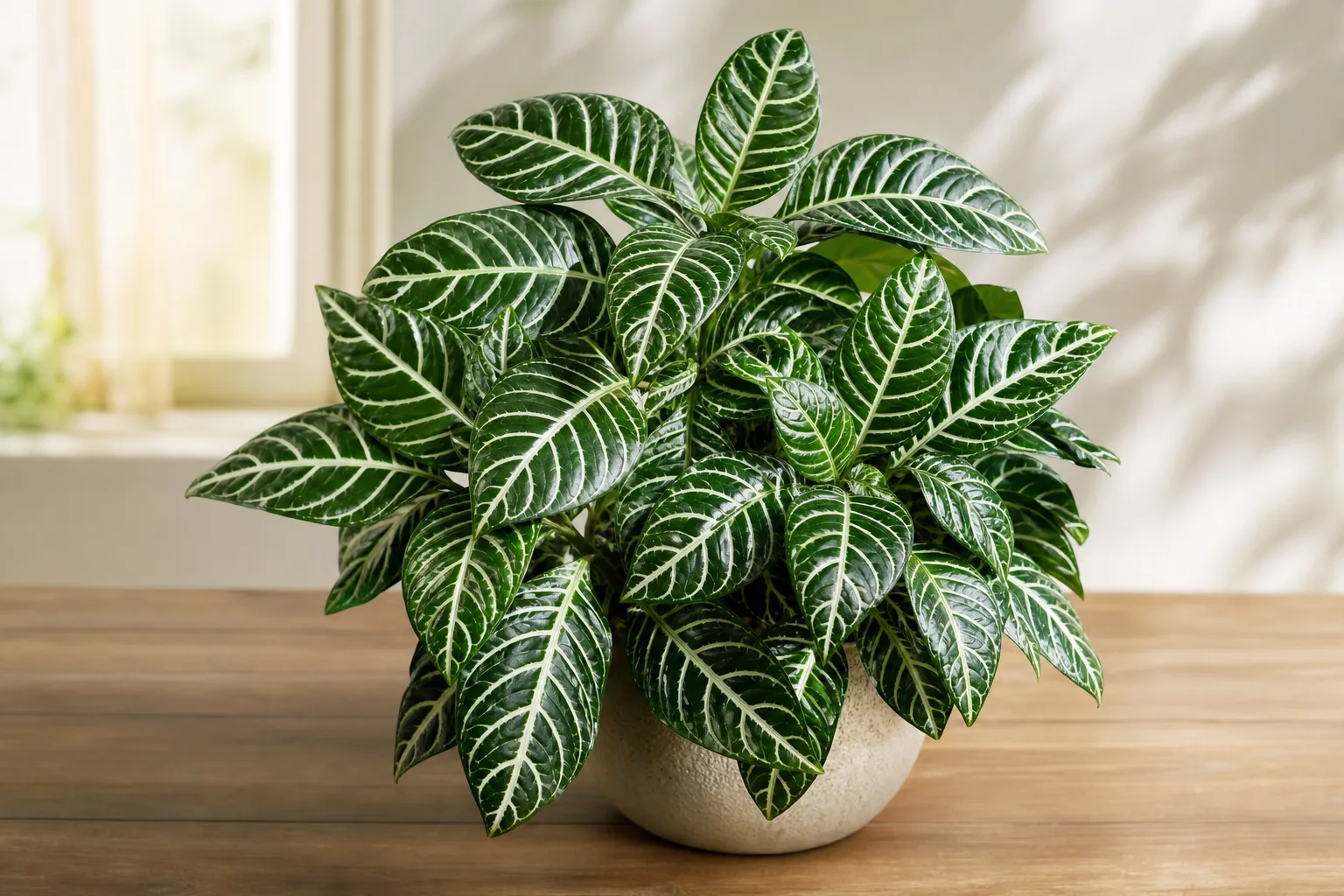
No Flowers on Zebra Plant: Causes, Checks & Fixes
This guide covers no flowers on Zebra Plant. See also the general No Flowers guide, watering, and light pages for this plant.
No Flowers on Zebra Plant: Causes, Checks & Fixes
Quick answer
A Zebra Plant (Aphelandra squarrosa) without its signature yellow bract spikes frustrates growers because the bloom display is the whole point of keeping Zebra Plant overview. Healthy striped leaves with no terminal flower spike through an entire warm season usually trace to insufficient Zebra Plant light guide-not pests, disease, or a mysterious flowering curse.
First step: move the plant to the brightest filtered location you have. An unobstructed east window or two to three feet back from a south or west window is the usual target indoors. Zebra plants are photo-accumulators that need prolonged strong indirect light before bracts form; dim corners produce foliage only.
After light improves, you can address humidity, feeding, and post-bloom rest-but light is the gatekeeper. Without enough of it, nothing else reliably triggers flowering.
What no flowers looks like on Zebra Plant
On a blooming Zebra Plant, stiff vertical spikes of overlapping yellow bracts appear at stem tips. Small tubular yellow flowers emerge briefly from within the bracts, but the bracts themselves provide the long-lasting show-often persisting for several weeks under good conditions.
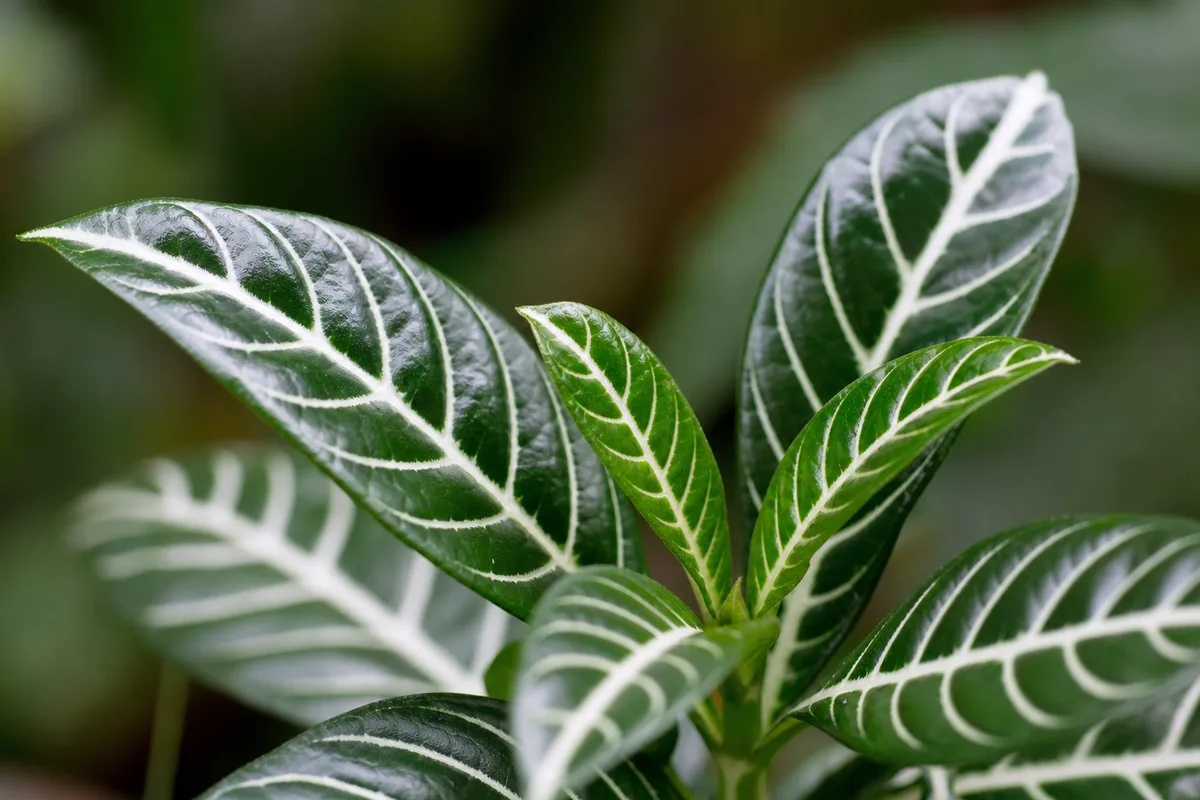
No Flowers symptoms on Zebra Plant - compare with healthy tissue on the same plant.
No flowers means none of that happens through a full growing season:
- Dark green leaves with bold white veining look healthy, but stem tips stay leafy with no bract spike
- Growth continues slowly or stems stretch toward windows
- Lower leaves may drop while upper growth looks thin-often paired with low light
- A plant that bloomed at the nursery but never repeats indoors
Distinguish from related patterns:
- Bud drop - Small yellow bracts started forming, then aborted before opening. That points to humidity swings, drafts, or dry soil during bud set-not the same as never initiating buds.
- Post-bloom rest - After a successful bloom cycle, the plant naturally quiets for months with reduced growth. No new flowers during this rest is expected, not failure.
- Winter slowdown - Cooler, shorter days slow Aphelandra squarrosa even in heated homes. Lack of flowers in deep winter is normal if the plant is otherwise stable.
Leggy stems with smaller-than-usual striped leaves are a strong light-deficiency signal. A recently repotted plant may skip one bloom season while roots establish-that is stress delay, not permanent infertility.
Why Zebra Plant won’t flower
Aphelandra squarrosa evolved in the warm, humid forests of Brazil. Indoors it behaves like a demanding tropical shrub: it wants bright filtered light, steady warmth, high humidity, and even moisture. Flowering is the reward when those conditions align long enough-not a default outcome on any windowsill.
Insufficient bright indirect light
This is the most common cause. Zebra plants are photo-accumulators-they must accumulate enough days of strong indirect light before bract initiation, similar to how some geraniums set buds. Dim north-facing rooms, shelves far from windows, or blocked light from sheer curtains often produce leaves without ever triggering bloom.
Leggy growth, pale veining, and long gaps between leaves confirm the plant is reaching for photons. If you see that architecture, assume light is limiting flowers until proven otherwise.
Immature or recently stressed plants
Small nursery pots sold in bloom were often forced under greenhouse light. A young plant re-homed to average indoor conditions may need a season or two of stable care before repeating the display. Recent Zebra Plant repotting guide, relocation, or a bout of leaf drop from drafts can also pause flowering while the plant recovers energy.
Low humidity and dry air
Aphelandra squarrosa prefers high humidity-ideally 60–70%. Dry winter air from heating vents or air conditioning does not always prevent bud initiation entirely, but it commonly causes bud drop once bracts start forming. Chronic low humidity also browns leaf edges, adding stress that diverts energy away from flowering.
Inconsistent watering
This species wants evenly moist soil-not waterlogged, but never bone dry. Letting the pot dry completely wilts lower leaves and can abort developing buds. Alternating flood-and-drought cycles stress roots and slow the metabolic push needed for bract formation.
Skipped or mistimed fertilizer
Light feeding during active spring and summer growth supports repeat blooming. Plants that receive no fertilizer through warm months may grow foliage slowly without the resources to produce showy terminal spikes. Overfeeding with harsh chemical fertilizers, conversely, scorches leaf tips and stresses the plant-also counterproductive for blooms.
Post-bloom rest and seasonal timing
After flowering, zebra plants appreciate a resting period with slightly reduced watering. New growth typically resumes in late winter, and bract formation often targets late summer through fall indoors when day length and accumulated light align. Expecting flowers year-round misunderstands the plant’s rhythm.
Cold drafts and temperatures below 65°F
Night temperatures below about 65°F (18°C) stall tropical growth and can drop buds before you notice them. Cold window sills in winter and air-conditioning vents in summer both interfere with the warmth flowering requires.
How to confirm the cause
Work through these checks in order before changing multiple variables at once:
- Light intensity and duration - How many hours of bright indirect light hits the pot daily? Can you read comfortably without a lamp at the plant’s position in midday? Leggy stems or faded leaf contrast suggest insufficient light.
- Plant age and history - Has the plant ever bloomed in your home, or only at purchase? First-year plants often skip repeat blooms while adjusting.
- Recent changes - Repotting, room moves, or heavy pruning within the last three months can delay flowering one season.
- Humidity and drafts - Are leaf tips browning? Is the pot near AC vents, radiators, or a cold window? Dry crispy edges plus no buds point to humidity stress.
- Soil moisture pattern - Stick a finger into the top inch. Does the pot swing between soggy and dust-dry? Even moisture supports bud development; extremes do not.
- Fertilizer timing - Did you feed at all last spring and summer? Check for white crust on soil surface from overfeeding-burned tips mean pull back, not push harder.
- Bud versus never-budded - Look closely at stem tips. Tiny aborted bract scars mean buds tried and failed (humidity/draft/water issue). Completely leafy tips with no bud scars mean initiation never started (usually light).
If light is weak and the plant is leggy, you have your answer. If light is strong, humidity stable, and watering even-but the plant is under one year old-patience may be the realistic path.
First fix for Zebra Plant
Move the plant to the brightest filtered spot available-today.
Place it at an east-facing window for gentle morning light, or two to three feet inside a south or west window where curtains or blinds diffuse direct sun. Avoid hot midday rays on the leaves; scorched foliage sets the plant back further. If your brightest room is still dim, add a full-spectrum grow light overhead for 10–12 hours daily.
Do not repot, fertilize heavily, or prune aggressively the same week. Let the plant accumulate light in its new position for several weeks before stacking other fixes. Photo-accumulation takes time-this is not an overnight switch.
Step-by-step recovery
Once light improves, layer these actions in order:
- Stabilize humidity - Target 60–70% with a humidifier, pebble tray, or grouped tropical plants. Keep the pot off radiators and away from AC blasts.
- Even out watering - Water when the top inch of soil feels dry, before leaves wilt. Ensure the pot drains freely; soggy peat causes root stress that also blocks blooming.
- Feed lightly during active growth - Apply diluted balanced or high-potassium organic fertilizer every two weeks from late winter through late summer. Skip fall and winter when growth slows.
- Maintain warmth - Keep night temperatures above 65°F. Move off cold window ledges in winter or add a sheer barrier.
- Leave buds alone - Once you see bract formation, do not move or repot the plant until the display finishes. Bud drop from relocation is common on Aphelandra.
- Prune after bloom - When bracts fade, cut back the spent spike and trim leggy stems to encourage bushier growth for the next cycle.
If the plant bloomed once years ago and has declined into a bare stem with few leaves, take tip cuttings in spring after stabilizing conditions. Compact young plants from cuttings often flower more reliably than neglected parent specimens.
Recovery timeline
Zebra plants do not bloom on command. Expect roughly 8–12 weeks of strong indirect light and warm stable care before bract initiation-photo-accumulation is gradual, not instant.
| Phase | What to expect |
|---|---|
| Weeks 1–3 after light fix | New growth may look slightly tighter; no flowers yet |
| Weeks 4–8 | Firmer stems, richer leaf veining if light was the limiter |
| Weeks 8–12+ | Terminal bud swelling possible if warmth and humidity hold |
| Late summer–fall | Most indoor zebra plants flower if conditions aligned through summer |
| Post-bloom rest | 2–3 months of slower growth; reduced watering is normal |
Signs you are on track: shorter internodes, upright growth instead of leaning, new leaves opening with bold white stripes, and no ongoing leaf drop. Signs the problem is worsening: yellowing lower leaves on wet soil, soft stems at the base, or widespread pest webbing-address those before expecting flowers.
One missed season does not doom future blooms. Chronic dim light over years, however, produces permanently leggy plants that may never reward you without propagation from healthier top growth.
Lookalike symptoms
Healthy winter rest - Slower growth and no flowers from November through February is normal in many homes. Do not panic-fertilize or overwater to force action.
Bud drop versus no flowers - If bracts appeared then vanished, troubleshoot humidity, drafts, and watering during bud set. That is a different fix path than never initiating buds at all.
Not enough light (leggy growth) - Stretched stems with small leaves mean the plant is starving for photons. Flowers will not form until light improves, regardless of fertilizer.
root rot on Zebra Plant from overwatering on Zebra Plant - Wilting on wet soil, sour smell, and yellow dropping leaves mean roots are failing. Blooming is irrelevant until roots recover-reduce watering and inspect roots before chasing flowers.
Pest stress - Spider mites in dry air, scale on stems, and aphids on new tips all drain energy. Sticky residue, stippled leaves, or visible insects require pest treatment first.
Mistakes to avoid
- Repotting when you want flowers - Fresh disturbance redirects energy to roots for weeks. Wait until after the bloom cycle.
- Chasing blooms with heavy nitrogen feed - Pushes leafy growth at the expense of bract formation and burns sensitive leaf tips.
- Placing in direct hot sun - Scorches the glossy foliage zebra plants are grown for; filtered bright light is the target.
- Letting soil go bone dry - Lower leaves drop and buds abort; this species punishes drought harder than many foliage houseplants.
- Moving the plant after buds appear - Even a short trip to another room can drop developing bracts.
- Expecting grocery-store bloom timing forever - Forced greenhouse plants set unrealistic expectations for average home conditions.
How to prevent no flowers next time
Keep the plant in its brightest filtered location year-round, rotating slightly so all sides receive light. Maintain 60–70% humidity with stable warmth above 65°F at night. Water when the top inch dries, using well-drained peat-based mix with perlite. Feed lightly every two weeks during spring and summer active growth, then rest through fall and winter.
After each bloom cycle, remove faded bracts, cut back leggy stems, and continue bright light through summer so photo-accumulation can restart. Avoid buying only for instant flowers-choose specimens with firm leaves, clean stems, and no pest residue, then plan on earning the next display through consistent care.
When to worry
No flowers alone is rarely an emergency. Escalate when:
- Mass leaf drop follows a cold draft or temperature crash
- Stems soften at the soil line while mix stays wet-possible root rot
- Pests coat growing tips and new growth stalls entirely
- The plant wilts repeatedly despite your watering adjustments
A stable zebra plant with good foliage that skips one bloom season needs better light and patience-not panic repotting or chemical fertilizer dumps.
Conclusion
No flowers on Zebra Plant almost always comes down to light accumulation, timing, and the stable tropical conditions Aphelandra squarrosa expects-not a hidden disease. Move the plant to your brightest filtered spot first, confirm humidity and even moisture, feed lightly through warm months, and give the photo-accumulation process a full season. The yellow bract spikes are achievable indoors, but they reward consistent bright light more than any single trick.
When to use this page vs other Zebra Plant guides
- Zebra Plant watering guide - Use for routine moisture checks before assuming no flowers is the main issue.
- Zebra Plant problems hub - Browse all 32 common issues on this species.