Zebra Plant Problems: Causes & Quick Fixes
Quick answer
Zebra Plant is prone to 34 common issues - each link below is a plant-specific fix guide.
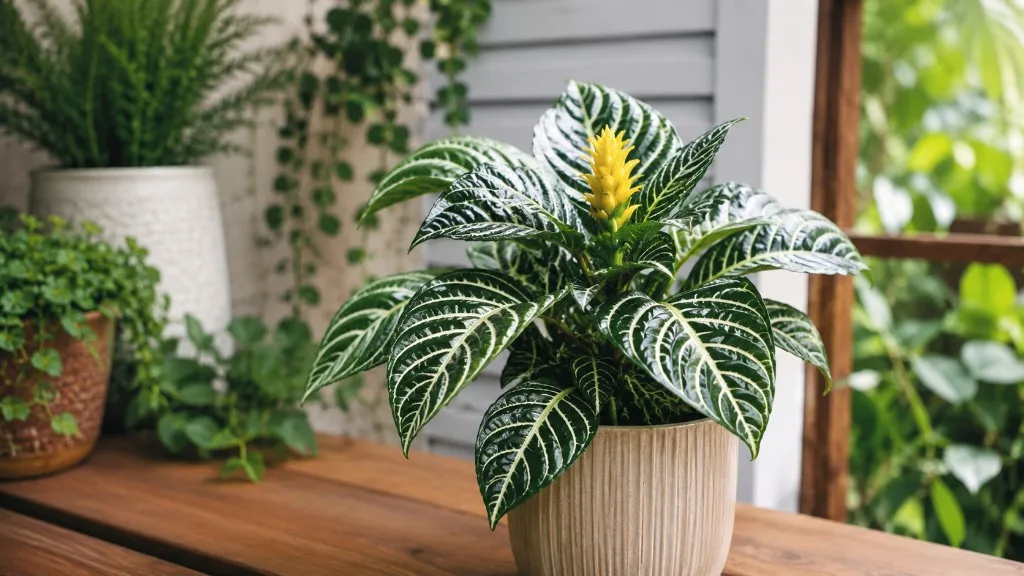
Zebra Plant problems
Use the guides below to diagnose and fix common issues on Zebra Plant. Each problem page explains why it happens on this species and what to do first.
Or use our problem diagnosis tool to narrow down symptoms.
Common problems on Zebra Plant
Aphids
MediumLikely cause: Aphids cluster on new Aphelandra squarrosa growth, distorting striped leaves.
Quick fix: Spray insecticidal soap on new shoots; isolate until colonies clear.
Full fix guide →Brown Leaves
MediumLikely cause: Inconsistent watering, cold drafts, or direct sun scorch Aphelandra squarrosa foliage.
Quick fix: Maintain even moisture; move away from drafts and harsh direct sun.
Full fix guide →Brown Tips
MediumLikely cause: Fluoride, chloramines, and low humidity crisp zebra plant leaf edges.
Quick fix: Water with filtered or RO water; use a pebble tray for 60–70% humidity.
Full fix guide →Bud Drop
MediumLikely cause: Low humidity, cold drafts, or dry soil abort yellow bract buds on zebra plant.
Quick fix: Keep soil evenly moist and humidity above 60%; avoid AC vents.
Full fix guide →Cold Damage
MediumLikely cause: Temperatures below 18°C cause leaf drop and bud loss on tropical Aphelandra squarrosa.
Quick fix: Move to 18–24°C range away from cold windows and winter drafts.
Full fix guide →Crispy Leaves
MediumLikely cause: Low humidity below 60% dries zebra plant leaf edges to a papery texture.
Quick fix: Use a humidifier or pebble tray; avoid placing near heating vents.
Full fix guide →Curling Leaves
MediumLikely cause: Low humidity or spider mite feeding causes zebra plant leaves to curl inward.
Quick fix: Increase humidity to 60–70%; inspect undersides for mites and treat if found.
Full fix guide →Draft Stress
MediumLikely cause: Cold drafts from windows or AC cause sudden leaf drop on Aphelandra squarrosa.
Quick fix: Relocate away from vents; maintain stable 18–24°C temperatures.
Full fix guide →Drooping Leaves
HighLikely cause: Underwatering or cold stress wilts zebra plant leaves on thin stems.
Quick fix: Water thoroughly when top inch dries; move away from cold drafts.
Full fix guide →Likely cause: Yellow bracts fade naturally after peak bloom or when humidity drops too low.
Quick fix: Maintain humidity and even moisture; deadhead spent bracts to redirect energy.
Full fix guide →Fertilizer Burn
MediumLikely cause: Chemical fertilizers quickly scorch Aphelandra squarrosa leaf tips and margins.
Quick fix: Switch to organic fertilizer at half strength; flush soil if crust appears.
Full fix guide →High Humidity
MediumLikely cause: Excessive humidity without airflow promotes powdery mildew on Aphelandra squarrosa.
Quick fix: Maintain 60–70% humidity with a fan for gentle air circulation.
Full fix guide →Leaf Drop
HighLikely cause: Sudden leaf drop signals environmental stress from drafts, dry soil, or pests on zebra plant.
Quick fix: Stabilize temperature and moisture; inspect for pests and treat promptly.
Full fix guide →Leaf Spot Disease
MediumLikely cause: Fungal leaf spot causes brown or black spots on zebra plant foliage in stagnant humid air.
Quick fix: Remove spotted leaves; improve airflow and avoid wetting foliage when watering.
Full fix guide →Leggy Growth
MediumLikely cause: Insufficient light produces stretched stems with smaller striped leaves on zebra plant.
Quick fix: Move to bright indirect light; avoid deep shade.
Full fix guide →Low Humidity
HighLikely cause: Aphelandra squarrosa requires 60–70% humidity; dry air causes tip browning and bud drop.
Quick fix: Use a humidifier or pebble tray; group with other tropical plants.
Full fix guide →Mealybugs
MediumLikely cause: Mealybugs hide in zebra plant leaf axils as white cottony masses.
Quick fix: Dab with isopropyl alcohol; follow with neem oil spray weekly.
Full fix guide →No Flowers
MediumLikely cause: Insufficient light or potassium limits yellow bract formation on mature zebra plants.
Quick fix: Provide bright indirect light; use high-potassium fertilizer every two weeks in summer.
Full fix guide →Not Enough Light
MediumLikely cause: Low light prevents zebra plant flowering and produces weak pale striped foliage.
Quick fix: Move to bright indirect light; avoid north-facing rooms with no supplemental light.
Full fix guide →Overfertilization
MediumLikely cause: Heavy feeding causes white soil crust and crispy edges on Aphelandra squarrosa.
Quick fix: Flush soil; feed every two weeks at half strength with organic fertilizer only.
Full fix guide →Overwatering
HighLikely cause: Waterlogged peat mix rots Aphelandra squarrosa roots despite the plant liking even moisture.
Quick fix: Let top inch dry slightly; ensure pot drains and mix contains perlite.
Full fix guide →Powdery Mildew
MediumLikely cause: White powdery coating develops on Aphelandra squarrosa leaves in humid stagnant air.
Quick fix: Improve airflow; apply neem oil or potassium bicarbonate spray to affected leaves.
Full fix guide →Root Rot
HighLikely cause: Soggy soil causes soft brown roots and wilting on zebra plant despite wet potting mix.
Quick fix: Unpot, trim rotten roots, repot in fresh perlite-heavy mix; reduce watering.
Full fix guide →Scale Insects
MediumLikely cause: Scale insects attach along Aphelandra squarrosa stems as brown shell-like bumps.
Quick fix: Scrape with alcohol-soaked cotton; apply neem oil to stems weekly.
Full fix guide →Slow Growth
LowLikely cause: Zebra plant grows slowly when humidity, light, or moisture are below optimal.
Quick fix: Optimize bright indirect light, 60% humidity, and consistent watering.
Full fix guide →Spider Mites
MediumLikely cause: Dry conditions invite spider mites that stipple and web Aphelandra squarrosa leaves.
Quick fix: Increase humidity; rinse leaves and apply insecticidal soap.
Full fix guide →Sticky Leaves
MediumLikely cause: Scale and aphid honeydew makes zebra plant leaves sticky and attracts sooty mold.
Quick fix: Treat pests with alcohol or insecticidal soap; wipe leaves clean.
Full fix guide →Thrips
MediumLikely cause: Thrips scar zebra plant striped leaves, leaving silvery streaks on new growth.
Quick fix: Prune damaged leaves; apply spinosad or insecticidal soap to all surfaces.
Full fix guide →Underwatering
HighLikely cause: Letting Aphelandra squarrosa dry out causes wilt, leaf drop, and dry flower bracts.
Quick fix: Water when the top inch of soil dries; never let the pot go completely bone dry.
Full fix guide →Water Stress
MediumLikely cause: Alternating wet and dry cycles stress Aphelandra squarrosa, causing leaf drop and bud loss.
Quick fix: Maintain even moisture—water when top inch is dry but before wilting.
Full fix guide →Wilting
HighLikely cause: Zebra plant wilts from underwatering, root rot, or spider mites in dry air.
Quick fix: Check soil moisture and roots; adjust watering and humidity together.
Full fix guide →Yellow Leaves
MediumLikely cause: Overwatering or nutrient deficiency yellows Aphelandra squarrosa lower leaves.
Quick fix: Allow slight drying between waterings; feed every two weeks in spring and summer.
Full fix guide →Fungus Gnats
MediumLikely cause: Fungus gnats on Zebra Plant mean the soil surface stays wet too long-common when growers chase 'never dry out' on peaty Aphelandra mix. First step: let the top 1–2 inches dry before you water again wh
Quick fix: See plant-specific guide for step-by-step fixes.
Full fix guide →Mold on Soil
MediumLikely cause: White or gray fuzz on Zebra Plant soil is usually harmless saprophytic mold on a damp peat surface-not a disease attacking the striped leaves. First step: scrape the top inch of moldy mix, then let th
Quick fix: See plant-specific guide for step-by-step fixes.
Full fix guide →