Zebra Plant Watering: Moist Soil, Not Soggy Roots
Zebra Plant Watering: Moist Soil, Not Soggy Roots
Zebra Plant Watering: Moist Soil, Not Soggy Roots
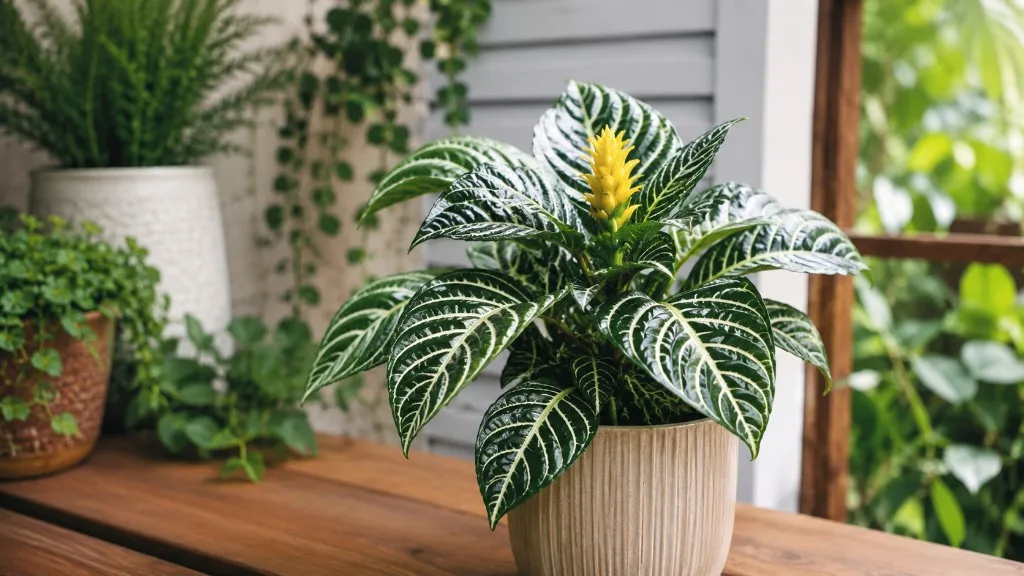
Zebra plant watering sits on a narrow ledge. Aphelandra squarrosa - the true zebra plant sold for its glossy, white-veined leaves and yellow bracted flowers - evolved in the humid understory of Brazilian rainforests, where the soil stays damp but never stagnant and the air holds steady moisture. Indoors, that translates to a rule most guides repeat but few explain well: keep the mix consistently moist, never soggy. Moist means the root zone holds available water and enough air for roots to breathe. Soggy means water fills pore spaces, oxygen drops, and fungi that cause root rot on Zebra Plant get the upper hand. Miss the balance in either direction and the same symptom appears - wilting - which is why so many growers add water to an already drowning plant or let a thirsty one collapse twice before they notice.
The practical workflow that works in real homes is simpler than the plant’s reputation suggests. Check the top inch of soil before every watering. When that layer feels dry to the touch, water thoroughly until excess runs from the drainage holes, then empty the saucer so the pot never sits in runoff. Pair that rhythm with high humidity around 60–70%, a well-draining peat-based mix, and seasonal adjustments when growth slows. Do not water on a fixed weekly calendar. A zebra plant in a bright bathroom may need water every five to seven days in summer; the same plant in a dim, air-conditioned room may take ten to fourteen. The pot, not the clock, decides.
This guide covers what moist-not-soggy means in practice, how often to water through the year, the humidity link that changes how fast soil dries, how to read wilt and yellowing correctly, and how to prevent and recover from root rot before the plant drops its lower leaves.
Why Zebra Plant Watering Confuses Even Experienced Growers
Zebra plant belongs to Acanthaceae, the same family as many tropical foliage houseplants that share a preference for steady moisture and warm, stable conditions. Missouri Botanical Garden notes that Aphelandra squarrosa is native to Brazil and typically reaches one to six feet indoors under good care, with a shrubby upright habit and dramatic inflorescences in late summer or autumn (Missouri Botanical Garden - Aphelandra squarrosa). That rainforest origin is the key: the plant never evolved to survive extended drought, but it also never evolved to sit in anaerobic mud. Indoor growers often treat it like a succulent because the leaves look thick, or like a fern because it wants humidity - both shortcuts lead to trouble.
The central confusion is symptom overlap. When soil dries too far, cells lose turgor and leaves go limp - classic underwatering on Zebra Plant. When soil stays wet too long, roots stop absorbing water even though the mix is saturated, and the shoots wilt from functional drought while the pot is heavy and cool. NC State Extension notes that drooping leaves or stems can mean too much water, not just underwatering. Without checking root-zone moisture and pot weight, you cannot tell which problem you have from wilt alone. That is why the finger test matters more here than on many houseplants.
Low air moisture increases transpiration, which dries soil faster and crisps leaf edges even when watering seems adequate. Humidity does not replace watering, but it reduces false dry stress. Conversely, misting without fixing soggy soil does not prevent rot.
After the yellow bracts fade, zebra plant enters a post-flowering rest period with slower growth and slightly lower water demand if temperatures sit near 65°F (18°C). Summer watering volume through that rest often triggers rot in cooler, slower roots.
What “Consistently Moist, Never Soggy” Means
Consistently moist does not mean wet surface soil seven days a week. It means the root ball never swings from bone-dry to flooded. Think of a wrung-out sponge: damp throughout, not dripping. For zebra plant, the workable band is water when the top inch of mix dries, then soak until a small fraction of water exits the drainage holes. Between waterings, the middle and bottom of the pot should remain slightly cool and pliable, not dusty and shrunken away from the sides.
Never soggy means no standing water in the saucer, no cachepot holding runoff, and no mix that stays glossy and dark five days after you watered. Soggy soil excludes oxygen. Roots need oxygen to respire and to actively transport water into the plant. When oxygen drops, root tips die, brown, and become entry points for Pythium, Phytophthora, and other rot organisms common in overwatered tropical pots. NC State Extension specifies well-drained acidic potting soil and warns that the plant does not like wet feet - the pairing of drainage and retention is deliberate, not contradictory.
If you are new to Zebra Plant overview, aim for slightly more cautious drying rather than aggressive drought. Zebra plant recovers from one short dry spell better than from two weeks of wet feet in a dim corner. As you learn your pot’s rhythm, you will feel the difference between a pot that is appropriately light after partial dry-down and one that is alarmingly light because the whole root ball has pulled away from the mix.
The Top-Inch Dry-Down Test
The top-inch dry-down test is the most reliable single check for zebra plant watering in home conditions. Stick your finger into the mix up to the first knuckle - roughly one inch or 2.5 cm. If the surface and upper layer feel dry and crumbly, it is time to water. If the top feels cool or damp, wait. This test works because the upper layer dries first while lower roots still access moisture, matching how rainforest soils dry from the surface after rain.
A wooden skewer or chopstick works the same way. Insert to the bottom, wait thirty seconds, and feel the stick - dry wood means water; damp means wait. Combine with pot weight over time so your hands learn the halfway point faster than any calendar reminder. Do not rely on surface color alone; peat can look dry on top while staying wet underneath.
Why Wet Soil and Wilting Can Happen Together
When growers see limp leaves on wet soil, the instinct is to assume the plant cannot be thirsty. Often it is not - the roots are. Rotting roots lose their ability to pull water upward even though the mix holds plenty. The shoots wilt because water never reaches the leaves, a condition sometimes called physiological drought. Leaves may yellow from the base upward, feel soft rather than crispy, and drop if the root damage progresses. The pot stays heavy, the soil smells faintly sour, and new growth stalls while old leaves fail first.
Dry-soil wilting shows a light pot, mix pulling from the walls, and crisp brown edges rather than uniformly soft tissue. Recovery after a thorough drink often appears within hours. If unsure, inspect roots: healthy tissue is firm and white or tan; rot is dark, mushy, and may smell sour. The top-inch test breaks the tie before you add water to rotting roots or withhold from a genuinely dry plant.
How Often to Water Zebra Plant Indoors
There is no honest universal answer to how often to water zebra plant because interval length depends on pot volume, mix composition, light intensity, room temperature, humidity, and season. Published ranges of every five to seven days in active growth are starting points, not contracts. Your job is to check the top inch and pot weight every few days until you know how your specific setup behaves.
In bright, warm, humid conditions - east or north window with supplemental humidity, or a steamy bathroom with good light - soil may reach the dry-down point every five to eight days during spring and summer. In a dry, air-conditioned office with medium light, the same plant may need water every seven to twelve days in summer and far less in winter. A recently repotted plant in oversized soil volume dries slower until roots explore the new mix. A root-bound plant in a small pot may need water every three to five days at peak growth because there is little soil to hold reserve moisture.
The only wrong schedule is one that never adapts. Set a reminder to check twice a week, not to water blindly.
Active Growth Season Rhythm
From mid-spring through early fall, zebra plant pushes foliage and, in mature specimens, prepares the yellow bracted flowers that make the plant a statement piece. Active photosynthesis and transpiration increase water use. During this window, maintain the moist-not-soggy band aggressively: never let the entire pot go dust-dry, but never let the saucer hold water overnight.
Water to saturation when the top inch dries - NC State Extension advises watering frequently but not allowing the soil to dry out completely during active growth. Use lukewarm water rather than cold tap shock, which can slow root uptake on tropical species. Direct water at the soil surface under the foliage rather than overhead onto the crown if your tap water leaves spots or if leaf wetness in cool rooms invites fungal spotting.
If new leaves emerge with brown tips despite regular watering, suspect low humidity or salt buildup before assuming underwatering. More water in dry air sometimes worsens tip burn because the plant transpires faster than roots can supply.
Winter and Post-Flowering Rest
After flowering, many zebra plants enter a rest phase for several weeks. Growth slows, water demand drops, and NC State Extension recommends reducing watering during winter semi-dormancy while keeping temperatures above 65°F (18°C). During rest, allow the top inch to dry as usual, but expect the interval between waterings to stretch by roughly a third. The full root ball should still never go completely desiccated for weeks - zebra plant is not a cactus - but the mix can stay slightly drier at depth than during summer growth.
Winter in heated homes adds complication. Air is often drier, which increases leaf water loss, but lower light reduces root activity, which decreases water uptake. The net effect is usually longer dry-down times and a higher rot risk if you keep summer volume. Check weekly, water less often, and prioritize humidity if leaf edges brown. Cold drafts combined with wet soil are especially dangerous; if the plant sits below 60°F (15°C) with saturated mix, pause watering until conditions improve.
Best Soil Moisture Checks Before You Water
Build a short pre-water checklist you run every time before the can reaches the pot. First, test the top inch with finger or skewer. Second, lift the pot and compare weight to your mental baseline after the last full watering. Third, look at the plant: soft wilt with heavy pot suggests rot investigation, not water; crisp edges with light pot suggests drought. Fourth, sniff near the drainage hole if you suspect problems - sour odor means pause and inspect roots. Fifth, confirm the saucer and outer cachepot are empty from the previous watering.
New growth with compact internodes and strong veining signals a healthy root zone. Yellow lower leaves on wet soil suggest overwatering on Zebra Plant; crispy tips on moist mix often mean low humidity or tap-water salts. Terracotta dries faster than glazed ceramic - adjust checks per pot, not per room.
Step-by-Step Safe Watering Method
When checks say it is time to water, use a consistent method so results repeat. Step one: bring the plant to the sink or use a watering can with a narrow spout. Step two: pour lukewarm water evenly across the soil surface until you see runoff from every drainage hole - usually one to three passes for a six-inch pot. Step three: let the pot drain freely for ten to fifteen minutes. Step four: empty the saucer and any decorative outer pot completely. Step five: return the plant to its display spot only when dripping has stopped.
Avoid small daily sips. They wet the top layer repeatedly without flushing salts and old fertilizer residues through the mix, and they encourage shallow root growth that dries out faster. A full drench followed by partial dry-down matches rainforest downpours followed by surface drying. Avoid letting the plant sit in a cachepot that hides standing water; many zebra plants die in beautiful outer pots that never get emptied.
If your water is hard or heavily chlorinated, room-temperature filtered or rainwater reduces edge browning on sensitive tropical foliage. That is a quality improvement, not a substitute for correct frequency. The ASPCA lists Aphelandra squarrosa as non-toxic to dogs and cats, which matters when you water at the sink around curious pets - still keep fertilizer and stagnant saucer water out of reach.
Humidity, Transpiration, and Water Loss
Zebra plant requires high humidity, with NC State Extension noting that brown leaf tips can result from low humidity. Humidity does not replace soil moisture, but it changes how fast the plant loses water to the air. In dry rooms below 40%, transpiration stays high even when roots sit in damp mix. Leaves may show tip burn, partial curl, or wilt at midday that recovers overnight - a pattern that tricks growers into watering more when the air is the problem.
Think of humidity as reducing demand on the root system. Stable air moisture keeps stomata functioning without excessive water loss, which means soil dries at a predictable rate and you water less frantically. Low humidity does the opposite: soil dries faster, wilt appears sooner, and the risk of alternating drought and flood spikes.
Practical Ways to Raise Humidity Without Overwatering
A small humidifier holds 60% reliably. A pebble tray raises local humidity without wicking into the mix. Grouping plants shares moisture in the air if each pot drains independently. Misting lasts minutes, not hours - use it lightly for unfurling leaves, not as your main strategy. Bright bathrooms and kitchens often hit humidity targets naturally. The top-inch rule still applies regardless of humidity tools.
Signs Your Zebra Plant Is Too Dry
Underwatered zebra plant sends clear signals if you read them before collapse. Wilting is the first obvious sign - leaves and soft stems lose rigidity, often starting at the top where new tissue is most vulnerable. The pot feels light for its size, and the top inch is not just dry but sometimes pale and pulled slightly away from the pot edge. Leaf margins may turn crispy brown; older lower leaves yellow and drop if drought repeats.
A single dry episode usually recovers within hours of a full soak if roots are still healthy. Water thoroughly, drain completely, and watch turgor return by evening. If the plant perks up, adjust your check frequency - you waited one day too long, not one week. If it does not perk up despite heavy watering, suspect root damage from prior overwatering or rot, not current drought.
Repeated drought compacts peat and can make mix hydrophobic - water channels down the pot sides while the center stays dry. Bottom-water in a basin for twenty to thirty minutes to rehydrate, then drain. Never let the full root ball go crunch-dry for extended periods during active growth.
Signs of Overwatering and Early Root Rot
Overwatering kills more zebra plants than underwatering in typical indoor settings because growers overcorrect for humidity demands. Early signs include yellowing lower leaves while the soil stays dark and wet, soft stems at the base, and ** stalled new growth** despite what looks like adequate care. The pot remains heavy days after watering, and the top inch may never quite reach the dry point that triggers your next check.
Root rot advances from subtle to catastrophic. Roots turn brown or black, feel mushy, and may smell earthy or sour when you inspect through the drainage hole or after gentle unpotting. Leaves wilt while soil is wet, as described earlier. Advanced rot brings leaf drop starting from the bottom, stem collapse, and sometimes white fungal growth on the soil surface. NC State Extension ties leaf drop to excessive water, extremely dry conditions, or low humidity.
Rot accelerates with no drainage holes, oversized pots, heavy garden soil, low light, and cold wet soil - rarely from one extra cup alone.
Root Rot Prevention and Recovery
Prevention is simpler than rescue. Use a pot with multiple drainage holes sized appropriately - often six inches or less in diameter for a typical indoor specimen, as heavy soil in oversized containers stays damp too long. Fill it with well-draining, moisture-retentive mix: peat or coco coir with perlite, or a commercial African violet blend with soil pH below 6.0 as NC State Extension specifies. Water only when the top inch dries, drain fully, and empty saucers. Keep humidity up and light adequate so the plant uses water at a healthy rate. Reduce volume in winter and after flowering.
If you catch early rot with only a few soft roots and no major stem damage, stop watering and let the mix dry to the appropriate dry-down point before the next modest drink. Improve airflow and light if possible. Remove the plant from any cachepot. Mild cases sometimes stabilize when conditions correct before half the root mass is gone.
Moderate to severe rot requires unpotting, rinsing roots, trimming all mushy tissue, and Zebra Plant repotting guide into fresh mix in a clean pot sized to the remaining root ball. Water lightly once, then maintain Zebra Plant light guide, high humidity, and cautious dry-down checks. Expect partial leaf loss; recovery takes weeks. Do not fertilize during recovery. Propagate from healthy stem tips if the base is gone.
Pot, Soil, and Drainage That Support Better Watering
Your watering technique cannot fix a container setup that fights you. Drainage holes are non-negotiable for zebra plant. One hole is minimum; three or four in a six-inch pot drain more evenly. Terracotta speeds dry-down for growers who tend to overwater; glazed ceramic forgives slightly missed timing but hides problems longer. Plastic nursery pots inside decorative covers work well if you lift and drain after every watering.
Soil texture determines how long moist-not-soggy lasts. A good zebra plant mix holds water in peat or coir while perlite or coarse bark keeps pores open. Straight bagged potting soil without amendment often compacts in months, especially under repeated top watering without occasional full flushes. If water sits on the surface or runs straight through channels, repot into fresh airy mix rather than watering more often.
Pot size should match the root ball with a small margin - roughly one to two inches of new mix around the roots when repotting. Too large a pot means excess wet soil the roots never reach, extending dry-down time past what your checks assume. After repotting, expect slower drying for four to six weeks until roots grow; adjust checks accordingly.
Water Type, Temperature, and Technique
Use lukewarm water around room temperature. Cold water shocks tropical roots and can slow uptake enough to mimic drought stress for a day. Rainwater or filtered water helps if your tap is hard or high in fluoride; zebra plant leaves show tip burn on sensitive specimens when salts accumulate. If you must use tap, let it sit overnight to dissipate chlorine, though modern chloramine-treated supplies benefit more from filtration than sitting.
Water under the leaf canopy at the soil line rather than overhead when possible. Wet crowns in cool rooms encourage fungal issues on thick foliage. A narrow-spout can or sink wand gives even distribution without eroding the surface into a crater. Bottom watering works for rehydrating shrunken mix but should not replace periodic top flushing to leach salts.
Avoid watering by calendar alerts without a check. Avoid ice cubes or self-watering pots unless you have verified the wick or reservoir keeps moisture in the moist-not-soggy band - many self-watering systems run too wet for Aphelandra squarrosa.
Seasonal and Environmental Adjustments
Spring and summer mean shorter intervals between checks as growth and transpiration peak. Fall after flowering calls for tapered volume and rest temperatures near 65°F. Winter stretches intervals - never pair cold drafts with wet soil. After any move to brighter light or drier air, reset your schedule and watch wilt or yellowing for two weeks. Compensate for dry heated or air-conditioned air with a humidifier, not extra soil moisture.
Common Zebra Plant Watering Mistakes
The most common mistake is calendar watering - every Sunday, regardless of soil - which guarantees soggy winters and dry summers. Second is ignoring the saucer, leaving roots in stagnant runoff until rot starts. Third is using a decorative pot without drainage as the only container; if you must, use an inner nursery pot and drain at every watering. Fourth is chasing wilt with water without checking soil moisture first, drowning a plant that is already too wet. Fifth is treating humidity and watering as the same fix - misting leaves while soil stays soggy solves neither problem.
Also avoid oversized pots, heavy garden soil, cold tap on stressed plants, and fertilizing struggling roots. Moving to low light without reducing water volume keeps mix wet too long; trim rotted roots before repotting, not after.
Conclusion
Zebra plant watering rewards attention, not volume. Keep the mix consistently moist but never soggy by watering when the top inch dries, soaking until drainage runs clear, and emptying every saucer. Pair that rhythm with 60–70% humidity, a well-draining peat-perlite mix, and seasonal slowdown after bloom and through winter. Learn to read wilting with context - light pot and crisp edges mean dry; heavy pot and soft yellow leaves mean investigate rot before you pour.
Build the habit of checking soil and weight twice a week instead of watering on autopilot. Correct drainage, pot size, and air moisture and the watering interval often fixes itself. Catch root problems early by inspecting roots when wilt and wet soil disagree. Done consistently, this workflow keeps Aphelandra squarrosa glossy, upright, and ready to produce the yellow bracts that make the plant worth the extra attention.
When to use this page vs other Zebra Plant guides
- Zebra Plant overview - Start here for whole-plant context before deep-diving this topic.
- Zebra Plant problems hub - Jump to symptom-specific fix guides when this care topic does not resolve the issue.
- Overwatering on Zebra Plant - Escalate here when watering adjustments are not enough.
- Underwatering on Zebra Plant - Escalate here when watering adjustments are not enough.
- Root Rot on Zebra Plant - Escalate here when watering adjustments are not enough.
Related Zebra Plant guides
- Zebra Plant overview
- Zebra Plant light
- Zebra Plant soil
- Zebra Plant propagation
- Zebra Plant fertilizer
- Zebra Plant repotting
- Overwatering on Zebra Plant
- Underwatering on Zebra Plant
- Root Rot on Zebra Plant
- Wilting on Zebra Plant
- Drooping Leaves on Zebra Plant
- Zebra Plant problems
Related tool
Try the Plant Watering Calculator with zebra-plant pre-selected to estimate needs for your setup.