Zebra Plant Repotting: When, How & Pot Size
Zebra Plant Repotting: When, How & Pot Size
Zebra Plant Repotting: When, How & Pot Size
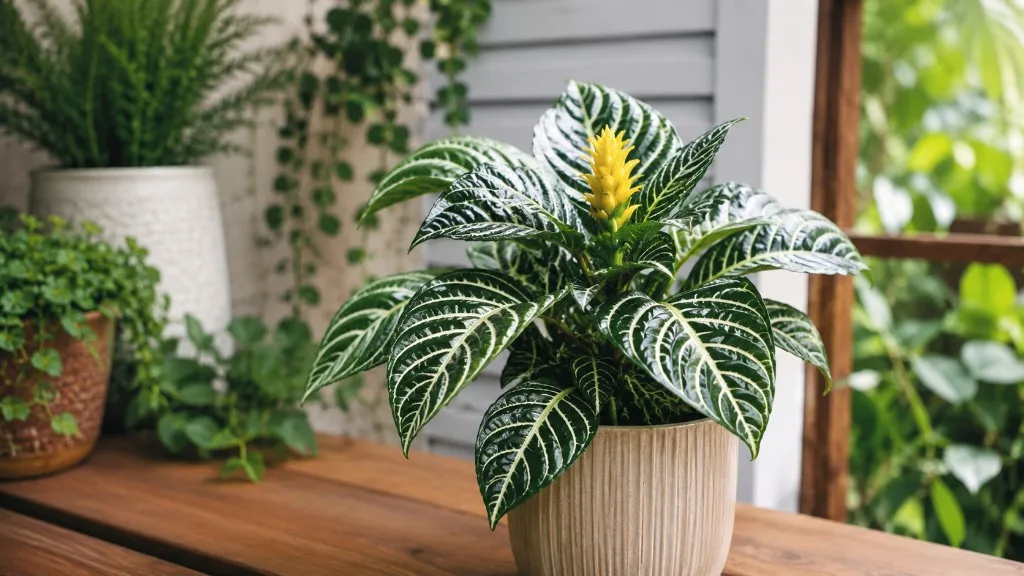
Zebra plant (Aphelandra squarrosa) rewards patience with striped foliage and golden bracts - and punishes sloppy repotting with curled leaves, dropped lower foliage, and a crown that rots when buried too deep. The species is not fragile because it is dramatic; it is fragile because its fine fibrous roots, acidic substrate preference, and post-bloom energy cycle do not forgive the generic “spring repot, two sizes up, wash every root” playbook used on pothos.
In its native Brazilian forest understory, Aphelandra grows in loose, organic, slightly acidic soil that drains quickly but holds moisture near fine roots (NC State Extension). Indoors, that root system lives in peat-heavy mix that compacts and holds water differently over twelve to twenty-four months. Repotting means refreshing degraded substrate and giving roots a modest upgrade - ideally in spring after flowering has finished, into a pot one size up, with gentle handling and a fresh acidic blend. For year-round care defaults, start with the zebra plant care overview; this page focuses on timing, pot sizing, mix refresh, and the first month after the move.
| Decision | Rule of thumb |
|---|---|
| Best timing | Spring or early summer, after spent bracts are pruned - not mid-bloom |
| Pot size | One size up only (~1–2 in / 2.5–5 cm wider diameter) |
| Mix | Acidic, well-draining blend - e.g. 2 parts peat, 1 perlite, 1 potting soil |
| Fertilizer | Wait 4–6 weeks after repotting |
| Humidity | Keep 60–70% while roots re-establish |
Quick reference - when, pot size, and aftercare at a glance
Use the table above as your at-a-glance checklist before you unpot. The sections below explain why each rule exists for Aphelandra specifically - including how extension guidance to re-pot annually by going up one pot size fits alongside the practical home-grower rhythm of every one to three years when mix structure still drains well. Annual upsizing is the greenhouse ideal for actively growing stock; in a stable indoor home, you repot when soil health or root binding demands it, not when the calendar flips.
Why Zebra Plant Needs Repotting - and Why Timing Matters More Than Enthusiasm
Zebra plant is an upright tropical in the Acanthaceae family with fibrous roots concentrated in the upper and middle pot layers. They need oxygen, consistent moisture, and soil pH below 6.0 - not the neutral blends many bagged soils default to. After one to two years, even a presentable plant may sit in mix that has compacted, acidified unevenly, or accumulated fertilizer salts, making its moisture sensitivity harder to manage.
Repotting replaces exhausted organic matter, gives circling roots modest room, and lets you inspect for rot before leaves show stress. Zebra plant benefits from being slightly root-bound - it likes a snug home, not a stale one. Upsizing aggressively will not speed growth; it keeps unused soil wet and invites rot. The goal is a substrate refresh, not an expansion project. Chicago Botanic Garden describes Aphelandra squarrosa as a Brazilian tropical perennial often sold in small flowering pots that declines when watering, temperature, or light drift - repotting is one of the few interventions that resets the root environment before that decline becomes visible on striped leaves (Chicago Botanic Garden).
How Often to Repot Zebra Plant (Aphelandra squarrosa)
The practical answer depends on age, pot size, and how fast mix breaks down in your home. Young plants in 4-inch (10 cm) nursery pots often need a full repot every year in spring - matching NC State’s annual one-size-up recommendation for actively growing specimens. Mature plants in 6- to 8-inch (15–20 cm) containers can go every two to three years, or when the soil system fails - whichever comes first.
If the plant is thriving with predictable drainage and new leaves arriving on schedule, you do not need to repot on calendar autopilot. Top-dressing - replacing the top 2–3 cm of mix each spring - can extend the interval by a year or more. Repot sooner if roots circle heavily, water runs straight through compacted soil, a sour smell develops, or you find active root rot (root rot guide). The frequency question is really a soil-health question, not a loyalty test.
A dated repot observation - March 2026, post-bloom window
In March 2026, a 6-inch (15 cm) Aphelandra that had finished its fall bract display was repotted the week after spent spikes were pruned per the pruning guide. The root ball showed fine white circling at the bottom third; the move used a 7-inch (18 cm) terracotta pot and the acidic blend below. Room humidity held near 65% with a small humidifier. Day 7: one lower leaf yellowed - normal shock. Day 14: soil dry-down stretched from five days to eight in fresh mix. Day 18: the first new crown shoot unfurled at half size. Day 28: that leaf reached full stripe contrast. Recovery tracked faster than a November emergency repot on the same species in prior years - evidence that post-bloom spring timing matters as much as technique.
Seven Signs Your Zebra Plant Is Ready for a New Pot
Roots and soil tell the truth before leaves do. Watch for these seven signals on Aphelandra squarrosa.
- Roots circling the bottom or poking through drainage holes. A few visible root tips are normal. A dense white mat wrapping the entire root ball means the plant has used the space available.
- Water runs straight through in seconds. When irrigation channels through old, decomposed mix without wetting the root zone evenly, the plant dehydrates even though you are watering - and the substrate itself is the problem.
- Soil dries unevenly or stays wet too long. If the top crusts over while the bottom stays soggy, or if the pot takes much longer to approach dryness than it used to, the mix structure has failed.
- Growth stalls despite good light and normal watering. A zebra plant that refuses new leaves for an entire growing season while light and watering otherwise look correct often has exhausted or compacted soil.
- Persistent fungus gnats or a sour smell. Organic matter breaking down anaerobically in the lower pot invites gnats and means roots are losing oxygen even if foliage still looks acceptable.
- Leaf tip burn or white crust on the soil surface. Salt buildup from repeated fertilizing in old mix is a common hidden stressor. Refreshing the substrate at repot is often more effective than flushing repeatedly.
- The plant is physically unstable or rising out of the pot. A compressed, root-bound mass can push the crown upward until the plant wobbles with every watering.
One sign is a fair reason to plan a repot during the next appropriate window. Two or more, and the plant is overdue - though you should still avoid repotting mid-bloom unless the situation is an emergency.
Best Time to Repot Zebra Plant
Timing is not cosmetic on zebra plant. Roots respond to warmth, daylight length, humidity, and the plant’s internal cycle of flowering and recovery. Repot when the plant is gearing up to grow after its rest period, and recovery is measured in days. Repot while it is pushing bracts or sitting in cold, dim winter, and recovery is measured in months - if it happens at all.
Why Spring After Flowering Is the Sweet Spot
Spring and early summer, once flowering has finished and spent bracts are pruned, are the ideal window. Zebra plant typically blooms in late summer to early fall in commerce; after bracts fade, the plant rests through late fall and winter. NC State notes semi-dormancy in winter with reduced watering and new growth evident in late winter - by the time days lengthen and temperatures stay above about 65°F (18°C) - NC State’s minimum comfort threshold - roots colonize fresh mix fastest.
The rule: repot after flowering, not during it. Blooming drains energy; root disturbance mid-bract forces the plant to split resources between recovery and a display it may abandon. Prune spent inflorescences, assess whether the mix needs a full refresh or top-dressing, then repot if warranted. In temperate climates, that window usually falls between March and June.
Nursery purchases: Plants sold in full bract are often root-bound in small pots. Resist repotting on day one unless mix is sour or pests are obvious - quarantine, learn dry-down rhythm, and plan the first full repot for the spring after the store bloom fades, matching the overview hub’s first-month guidance.
Emergency Repots That Override the Calendar
Two situations demand an immediate repot regardless of month: active root rot (black, mushy roots, sour smell, wilting that watering adjustments do not fix) and a broken or waterlogged pot. Trim rot back to firm white tissue, repot into fresh dry mix, and expect slower recovery than a spring repot. For non-emergency fall or winter repots, keep warmth and bright indirect light steady per the light guide, maintain high humidity, and do not feed early. Do not repot a plant still in full bloom unless rot leaves no choice.
Choosing the Right Pot - One Size Up and Proper Drainage
The new container matters as much as the new mix. For zebra plant, diameter is the decision that matters most, and most repotting failures come from treating upsizing like a generosity contest.
Why Zebra Plants Prefer a Slightly Snug Root Zone
Zebra plant roots spread modestly and perform best when the root ball fills most of the container - not when it dangles in unused soil. A slightly snug root zone supports predictable drying and the bloom cycle. Upsizing one size up gives enough fresh substrate for another one to three years without creating a wet zone the roots cannot reach for months.
Whatever pot you choose, a drainage hole is mandatory. Go one pot size up - roughly 1 to 2 inches (2.5–5 cm) wider than the current container. A pot twice as wide holds roughly four times the soil volume - far more than Aphelandra roots can use before the mix sours. Unglazed terracotta dries faster; plastic and glazed ceramic retain moisture longer. Match material to your watering habits. The crown should sit in the upper third of the pot, not buried deep in a tall cylinder of unused soil.
The Best Acidic Mix for Repotting Zebra Plant
Zebra plant wants a well-draining, moisture-retentive, slightly acidic blend - not garden soil, pure peat, or coarse cactus mix. NC State lists acidic potting soil (pH below 6.0) with good drainage and high organic matter as the cultural target. A reliable home formula:
- 2 parts peat moss (or peat-free acidic alternative) for moisture retention and acidity
- 1 part perlite for drainage and air pockets
- 1 part indoor potting soil for structure and slow nutrients
The mix should feel loose, drain quickly when tested, and not compact after three months. Target pH 5.6 to 6.5. Do not reuse old mix - the point of repotting is refreshing structure and drainage behavior. Bagged tropical mixes work if light; add extra perlite if dense. For long-term pH maintenance after repot, see the soil guide.
Prepping Your Plant 24 Hours Before Repotting
Good repotting starts before you tip the plant out. Gather the new pot one size up, fresh acidic blend, clean scissors, a chopstick, and a workspace where you can lay the plant on its side without crushing stems. Water lightly the day before so the root ball holds together but is not saturated.
Prune spent bract stalks from last season before repotting. Remove yellow lower leaves if needed, but keep enough foliage to regulate stress. Choose stable conditions afterward - no same-day move to a new windowsill or cold draft. If the old pot is stuck, run a knife around the edge or cut plastic away; never yank by stems. Multi-stem specimens can sometimes be divided at repot - see the propagation guide if you want offsets rather than one larger plant.
Step-by-Step: How to Repot Zebra Plant
Follow this sequence for a clean move with minimal shock.
- Add a shallow base layer of fresh mix to the new pot - roughly 1–2 cm deep, enough to lift the root ball so the crown will sit at the same depth it occupied before.
- Tip the plant out gently. Hold the pot sideways, support the root ball with your palm, and slide it out. Never yank by the stems or leaves.
- Inspect the roots. Healthy Aphelandra roots are white to pale tan and firm. Trim only what is clearly dead, black, or mushy with sterilized shears.
- Tease circling roots lightly. Use your fingers to loosen the bottom and outer edges. Remove loose old mix from the bottom third. Do not bare-root the entire plant or wash every particle away - the fine root hairs you cannot see do most of the absorbing.
- Place the root ball on the base layer. Center it so the crown sits at the original soil line. Burying the crown is one of the fastest ways to rot a tropical stem base.
- Fill around the sides with fresh mix. Add small amounts, tap the pot gently, and use a chopstick to settle mix into gaps without packing it tight.
- Stop filling about 1 cm below the rim. You need headroom for watering without overflow.
- Water lightly. One slow pass around the crown - enough to settle the mix, not enough to saturate a volume the roots cannot reach yet.
Move the plant back to its usual bright indirect light spot. Maintain high humidity if your home is dry. Skip fertilizer for at least four weeks. Expect a brief pause in growth while roots find their footing in the refreshed mix.
Setting the Crown at the Correct Depth
The crown - where stems meet soil - must sit at the same depth as before, not lower. Tropical plants like Aphelandra rot quickly when mix is piled against the stem base. After filling, brush away any mix that settled against the petioles. The soil surface should slope slightly away from the stem so water does not pool there during irrigation. If the plant was slightly high in its old pot because of a coir plug or nursery soil mound, correct that gently by removing excess from the top rather than burying the stem deeper to look level.
Handling the Root System Gently
Zebra plant roots are fine, fibrous, and easily damaged - more like threads than ropey pothos roots. The goal is minimum necessary disturbance: tease circling roots and refresh lower mix, do not strip the ball naked. If old mix clings to the center, leave it; that collar protects root hairs and reduces shock.
Never tug by striped leaves or brittle stems. If the pot will not release the root ball, water lightly, wait ten minutes, and try again - or cut a stuck plastic pot away. Root pruning is rarely needed except for rot: cut to firm white tissue with sterile shears, air-dry briefly, repot into fresh mix, and reduce watering while root mass recovers.
Top-Dressing vs. Full Repot - When Each Makes Sense
Not every spring maintenance session requires lifting the entire plant. Top-dressing - scraping away the top 2–3 cm of old mix and replacing it with fresh acidic substrate - is often enough when the plant is healthy, roots are not circling heavily, and the pot still drains well. Top-dressing refreshes the upper root zone where salts accumulate and where much of the oxygen exchange happens, without the stress of a full move.
| Situation | Top-dress | Full repot |
|---|---|---|
| Healthy plant, last full repot under 2 years ago | Yes | No |
| Two or more readiness signs from list above | No | Yes |
| Cracked pot or failed drainage | No | Yes |
| Active root rot | No | Yes (rescue protocol) |
| Goal: refresh salts before growing season | Yes | Optional |
Choose a full repot when two or more of the seven signs above are present, when the pot itself is failing, or when you need to inspect roots for rot. Full repots stress the plant more than top-dressing. If you top-dressed last spring and the plant still looks excellent with predictable drainage, you do not need to full-repot this spring just because the calendar says so.
Aftercare for the First 4–6 Weeks
Transplant shock on zebra plant usually shows up as slight wilting, one or two yellowing lower leaves, or a pause in new growth for one to two weeks. That is normal. Sustained collapse, multiple soft stems, or spreading yellow leaves beyond the third week usually mean the mix is staying too wet, the pot is too large, or the crown was buried - not that the plant needs more water.
Keep the plant in stable bright indirect light - no direct sun while roots are re-establishing, and no move to a darker corner “to rest.” Temperature stability matters more than usual; avoid cold drafts from windows or hot air from radiators directly above the pot. University of Arkansas Extension notes zebra plant resents cool, dry winter conditions in many homes and needs highly organic, extremely well-drained soil that is never allowed to dry completely - repotted roots recover faster when leaf transpiration is not extreme (University of Arkansas Extension).
Watering, Humidity, and Fertilizer Rules After Repotting
Water selectively for the first two to three weeks. Fresh mix around the root ball holds moisture differently from the old compacted soil your rhythm was calibrated to. Check the top 2.5 cm (1 inch) with your finger before each watering - the same depth used in the watering guide dry cue for Zebra Plant overview. When in doubt, wait an extra day. Zebra plant recovers from slight underwatering on Zebra Plant far more reliably than from soggy fresh mix in an oversized pot.
Do not fertilize for four to six weeks after repotting. Fresh mix already contains some nutrients, and roots without active tips cannot absorb fertilizer efficiently. Early feeding can burn fine root hairs and show up as brown leaf edges or tip burn on new growth. Resume your normal diluted fertilizer schedule only after you see healthy new leaves unfurling at full size and color - typically mid to late spring if you repotted at the right time.
Hold off on expecting rebloom immediately. Aphelandra is a photo-accumulator that must accumulate bright light over many weeks before bracts form (University of Arkansas Extension). A spring repot sets the foundation for the late-summer bract cycle; it does not produce golden spikes on demand. Focus recovery signals on vegetative growth: firm existing leaves, new shoots from the crown, and a pot that dries on a predictable schedule.
Common Repotting Mistakes to Avoid
Over-potting is the most common mistake. A pot that is too wide holds wet soil the roots never reach while the upper layers dry - classic root-rot setup. One size up, every time. Bare-rooting or aggressively washing roots strips fine hairs that absorb water; tease circling roots gently and keep a core of old mix if it clings tightly.
Repotting during flowering splits the plant’s energy between bracts and recovery. Wait until bracts fade and are pruned, then repot in the following spring window. Burying the crown traps moisture against the stem base where Aphelandra rots quickly. Fertilizing within the first month burns recovering roots, and ignoring humidity lets transpiration outpace what damaged roots can supply. Stacking changes - repot plus relocate plus feed on the same weekend - doubles shock; stabilize light and humidity first.
How Repotting Connects to Watering, Light, and Blooming
Repotting resets the relationship between water, soil volume, and root mass. A plant that needed water every five days in compacted old mix may need seven to ten days in fresh substrate inside a slightly larger pot. Re-calibrate by checking the mix, not by following the old calendar - the watering guide covers post-repot dry-down in detail.
Keep bright indirect light consistent before and after the move. A repot plus a simultaneous relocation doubles the adjustment load. Spring repotting after flowering sets up the late-summer bract cycle - once roots re-establish, normal feeding and steady humidity help the plant build the strength bract production demands. Use the same acidic blend at repot that you use for routine care to avoid drainage mismatches documented in the soil guide.
When to use this page vs other Zebra Plant guides
- Zebra Plant overview - Start here for whole-plant context before deep-diving this topic.
- Zebra Plant problems hub - Jump to symptom-specific fix guides when this care topic does not resolve the issue.
- Root Rot on Zebra Plant - Escalate here when repotting adjustments are not enough.
Related Zebra Plant guides
- Zebra Plant overview
- Zebra Plant watering
- Zebra Plant light
- Zebra Plant soil
- Zebra Plant propagation
- Zebra Plant fertilizer
- Root Rot on Zebra Plant
- Zebra Plant problems
Conclusion
Routine repot: When two or more readiness signs appear and the calendar reads spring after bracts are pruned - move Aphelandra squarrosa one pot size up with fresh acidic mix, protect the crown and fine roots, and judge recovery by new crown shoots within two to four weeks, not by immediate rebloom.
Wait: One yellow lower leaf, stable watering rhythm, and firm white roots at the drainage holes mean top-dress or defer - not emergency unpotting.
Act now: Sour smell, mushy roots, or a crown buried in wet mix require same-day rescue regardless of season - trim rot, modest pot, dry mix, steady humidity and light.
Zebra plant repotting is low-frequency and high-precision. Get post-bloom timing, pot size, mix refresh, and the first-month feed hold right, and striped foliage - plus a fair shot at golden bracts when late summer arrives - follows.