Zebra Plant Pruning: When, How, and What to Cut
Zebra Plant Pruning: When, How, and What to Cut
Zebra Plant Pruning: When, How, and What to Cut
A zebra plant that finished its yellow-bract show and now looks tall with bare stems does not need fertilizer first - it needs a clean assessment and one conservative cut plan. Start by removing dead, yellow, or damaged leaves and faded bracts with sterilized scissors. Snip each leaf at its base where the petiole meets the stem, and cut spent bract spikes back to the first healthy leaf pair below the bloom. That cleanup costs the plant almost nothing and shows you which stems are truly leggy before you shorten anything structural.
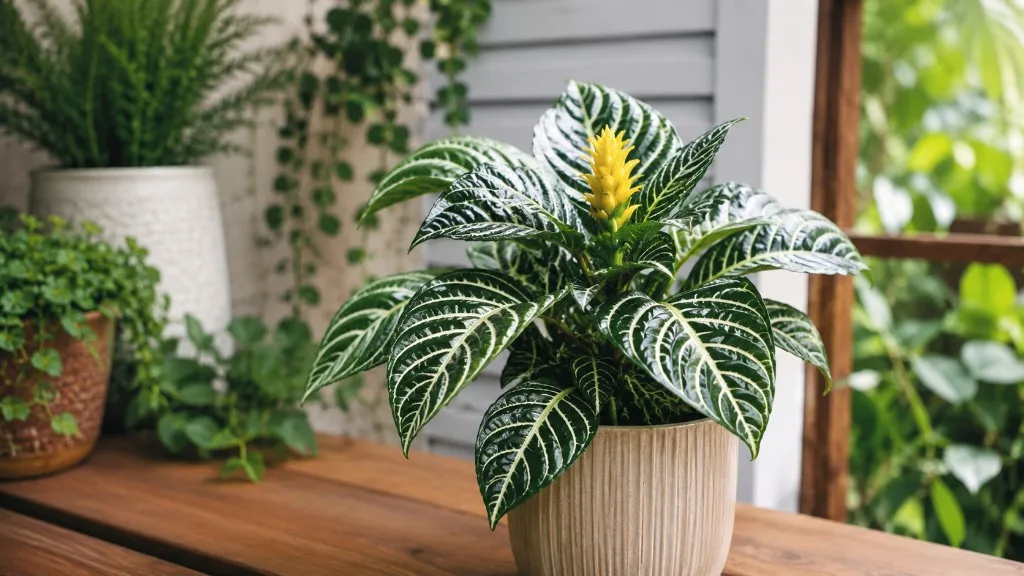
Aphelandra squarrosa - the zebra plant - is a slow-growing, upright tropical shrub from Brazil grown indoors for glossy dark-green leaves with white veining and long-lasting yellow-bracted flower spikes. Missouri Botanical Garden notes it can reach 6 feet in native habitat but is typically kept much smaller as a houseplant, often pruned to 12–18 inches tall. Indoors it grows slowly with thick opposite leaves on woody stems, so cut placement and timing matter more than frequent aggressive trimming.
Why Zebra Plant Needs Post-Bloom Cutbacks
Zebra plants bloom from bright yellow bracts at stem tips. After peak display, bracts fade and the plant often stretches - long internodes, fewer leaves on lower stems, and a top-heavy silhouette. Without intervention, Aphelandra can become leggy and drop lower foliage, especially when light is weak or humidity dips.
Pruning after flowering serves three purposes on Zebra Plant overview: it removes spent bloom tissue, redirects energy to new shoots, and keeps the plant compact enough for indoor spaces. North Carolina Extension recommends cutting plants back after flowering to manage growth, leaving two rows of leaves on remaining stems to prevent excessive leaf drop. That post-bloom window is the main structural pruning event for Aphelandra - not a year-round haircut.
Pruning manages architecture; it does not replace Zebra Plant light guide, even moisture, or 60–70% humidity. If the plant is wilting from drought, sitting in soggy soil, or was repotted within the past two weeks, stabilize care before structural cuts.
What to Check Before You Cut
Walk the plant once before blades touch tissue. Look for leggy stems - smooth internodes with leaves clustered near tips. Note which direction each stem leans; uneven light often produces taller shoots on one side. Check leaf axils and stem joints for mealybugs, scale, and aphids, which hide where you will cut and can spread via tools or propagation jars.
Separate three cut categories in your head. Cleanup removes dead, yellow, or damaged leaves and faded bracts - always appropriate. Post-bloom cutbacks shorten the tallest stems after flowering - the main shaping event. Tip pinching on young soft growth encourages branching without major stress - useful between bloom cycles on actively growing plants.
If multiple leaves are yellowing from overwatering on Zebra Plant, soil smells sour, or the whole plant is collapsed, pruning is secondary. Fix watering, drainage, or root health first, then trim damaged foliage after firmness returns.
When to Prune Zebra Plant
The strongest window for structural pruning is after flowering finishes, in late spring or early summer when warm temperatures and longer days support new bud break. Missouri Botanical Garden advises cutting plants back after flowering to control growth - that timing aligns with the plant’s natural rest period after bloom, when it appreciates slightly reduced watering before pushing new growth in late winter and spring.
Light cleanup - removing a single yellow leaf or a faded bract - can happen any time. Tip pinching on soft new shoots works during active growth when humidity stays above 60% and temperatures remain above 65°F (18°C). Avoid heavy cutbacks in late autumn and winter unless you are removing diseased material. Shorter days and cooler rooms slow Aphelandra’s already slow growth rate, and hard pruning during semi-dormancy increases leaf-drop risk.
Remove pest-infested or rotting stems immediately regardless of season. If bud drop or leaf drop preceded your pruning plan, fix drafts, dry soil, or low humidity before shortening stems - cutting a stressed plant stacks problems.
The First Cut to Make
Your first cut should never shorten a live stem. Remove dead, damaged, or fully yellow leaves at their base, then cut spent yellow bracts back to the first healthy leaf pair below the faded spike. Hold the bract stalk gently, trace it down to where normal foliage resumes, and snip just above that leaf pair with clean bypass pruners sterilized in 70% isopropyl alcohol.
Only after cleanup should you identify the tallest leggy stem and plan a structural cutback. That order keeps you from cutting healthy tissue you might have saved once the plant’s true shape is visible.
Where to Cut: Nodes, Bracts, and Stem Height
Every structural pruning decision on a zebra plant comes down to the node - the joint where opposite leaves attach to the stem. Meristematic tissue at nodes produces new shoots when the dominant tip is removed or shortened. Smooth sections between leaf pairs are internodes; Aphelandra lengthens them when light is insufficient, leaving bare stem below clustered foliage at the tips.
Position your blade just above a node, not through it and not halfway up a bare internode. Missouri Botanical Garden pruning guidance recommends cutting directly above a dormant bud so the wound heals cleanly and new tips emerge below the cut. A slight angle helps moisture run off; avoid cutting downward toward the bud beneath your blade.
Removing Spent Yellow Bracts
Zebra plant flowers are showy yellow bracts - modified leaves - with small tubular yellow flowers emerging from them. After bloom, bracts brown or fade but persist on the stem. Leaving them on redirects energy away from new foliage and can make the plant look tired.
Cut the bract stalk back to the first healthy leaf pair below the spent spike. Do not strip leaves below that point unless they are yellow or damaged. Removing bracts promptly after fade is low-stress maintenance, not the same as a hard post-bloom cutback - you can do it as soon as color dulls, even before major stem shortening.
Cutback Height and the Two-Row Rule
When shortening leggy stems after flowering, North Carolina Extension advises cutting back stems and leaves while leaving two rows of leaves on each remaining stem. That means each shortened shoot should retain at least two opposite leaf pairs below your cut - enough photosynthetic tissue to support recovery without triggering massive leaf drop.
For overall height control, Missouri Botanical Garden notes zebra plants are typically maintained at 12–18 inches indoors. Use that range as a target, not a mandate - a young plant with only three leaf pairs total cannot be cut to 12 inches without removing nearly everything. Match cut height to what the stem can still carry, always honoring the two-row minimum on each stem you shorten.
Step-by-Step Zebra Plant Pruning
Work on a healthy plant after bloom unless you are removing diseased tissue. Examine the plant from all sides. Identify spent bracts, yellow leaves, the tallest stems, and bare internode sections.
Sterilize bypass pruners or fine floral snips with 70% isopropyl alcohol. Remove dead and yellow material first, then faded bracts. Address the tallest leggy stems one at a time, cutting just above a node at a height that leaves two rows of leaves on the remaining stem. Step back after each major cut and assess balance - Aphelandra often has two to four main stems, so uneven shortening shows quickly.
If a stem has a long bare internode with leaves only at the tip, cut back to a lower node where healthy foliage remains rather than trimming the tip alone. A tip-only cut on a bare stem does not fix legginess; the bare section stays bare. Collect healthy trimmings for propagation if you plan to root them. Wipe sap from blades between cuts if stems bleed slightly.
After structural work, place the plant in bright indirect light with steady humidity. Hold off on fertilizer for two to three weeks while new buds activate.
How Much You Can Safely Remove
Aphelandra squarrosa grows slowly indoors. Remove no more than one-third of total foliage in a single session under normal conditions. For a severely leggy plant, spread major cutbacks over two sessions spaced four to six weeks apart, waiting for new shoots to appear between sessions.
The two-row rule on each stem is more important than a global one-third estimate - cutting a stem down to a single leaf pair often causes that stem to drop remaining leaves even if the rest of the plant looks fine. When in doubt, cut less, wait for side shoots, then shorten further in the next active-growth window.
What Not to Cut
Do not cut below the two remaining leaf rows on any stem you intend to keep - Aphelandra often responds by dropping what is left. Avoid mid-internode cuts on bare stems; nodes hold the buds, and internode tissue has no branching potential. Do not remove all green foliage from a stem unless you are discarding that stem entirely for propagation.
Leave healthy green leaves that are performing photosynthesis, even if they look slightly older than upper foliage. Do not prune flower buds or fresh bracts if you want the plant to bloom again - structural cutbacks belong after the current display finishes. Skip structural pruning on a plant with active root rot on Zebra Plant, severe wilting, or recent Zebra Plant repotting guide until it stabilizes.
Pinching Young Tips for Fuller Growth
Between major post-bloom cutbacks, pinch soft new growth at stem tips to encourage branching. Missouri Botanical Garden’s indoor plant guidance describes pinching as pruning on a small scale - removing the apical growing tip causes the plant to branch below the pinch, producing a fuller silhouette.
Pinch or snip just above the uppermost node on young shoots during warm months when humidity is high. This works best on actively growing side shoots, not on woody lower stems that have already hardened. Pinching complements post-bloom cutbacks; it does not replace them on a plant that has already stretched two feet with bare lower stems.
Using Pruning Cuttings for Propagation
Healthy stem sections removed during post-bloom pruning root readily. North Carolina Extension notes that stems removed during cutback can propagate additional plants - useful because Aphelandra is considered short-lived indoors but easy to renew from cuttings.
Take 10 cm (4 inch) tip cuttings with at least two nodes, remove the lowest leaf pair, dip the cut end in rooting hormone if you have it, and root in moist peat-based mix or water in a warm, humid environment. Keep bright indirect light and humidity above 60%. Roots typically form over several weeks during active growth. Plan propagation for spring when you are already pruning after bloom so you use tissue you would have discarded.
Aftercare and Recovery After Pruning
After pruning, place the zebra plant in bright indirect light - not direct sun, which scorches stripped foliage. Maintain 60–70% humidity with a humidifier or pebble tray and keep temperatures above 65°F (18°C). Missouri Botanical Garden notes Aphelandra requires high humidity and warm temperatures, which directly affects how fast pruned stems resprout.
Water evenly when the top inch of soil dries - avoid letting the pot go bone dry while new buds form, but do not keep soil soggy either. Hold fertilizer for two to three weeks after structural pruning; resume half-strength feeding only when you see new shoots. Do not repot on pruning day unless root failure forced the trim - fresh cuts plus root disturbance compound stress on a slow grower.
Expect new side shoots to emerge from nodes below your cuts within three to six weeks during active growth. Recovery is slower in winter or low humidity. A successfully pruned plant holds remaining leaves, then pushes compact new growth from lower nodes rather than dropping everything and going bare.
Signs Pruning Worked - and Signs It Was Too Much
Pruning worked when remaining leaves stay firm and green, new shoots appear from nodes below your cuts within a few weeks, internodes on new growth stay relatively short, and the plant holds a balanced multi-stem shape without continued leaf drop.
Pruning was too much or poorly timed when lower leaves yellow and fall en masse after cutback, stems wilt despite moist soil, no new buds appear after six weeks in warm humid conditions, or cut surfaces turn dark and soft - possible infection from dull tools or cuts made too close to nodes. If leaf drop continues, stop cutting, stabilize humidity and moisture, and wait before any second session.
Mistakes to Avoid
Cutting too hard after bloom. Removing all but one leaf pair per stem triggers the leaf drop Aphelandra is known for. Honor the two-row rule.
Pruning in winter without cause. Slow growth and lower light mean hard cuts sit open longer with little replacement tissue.
Tip-trimming bare leggy stems. A snip at the top leaves feet of naked internode below. Cut back to a lower node with foliage instead.
Skipping spent bract removal. Faded bracts drain energy and make timing for true post-bloom cutback harder to judge.
Pruning while stressed. underwatering on Zebra Plant, root rot, cold drafts, and recent repotting all reduce recovery capacity. Fix conditions first.
Using dull or dirty tools. Aphelandra stems are soft but susceptible to disease entry through crushed tissue. Sterilize bypass pruners; avoid anvil cutters that crush stems.
When Not to Prune
Delay structural pruning when the plant is wilting from underwatering or root rot, when soil stays waterlogged, when temperatures drop below 65°F (18°C), or within two weeks of repotting. Skip major cutbacks if the plant has fewer than three healthy leaf pairs total - let it grow one season first.
Do not prune heavily during peak bloom if you want to enjoy the display. Emergency removal of diseased or pest-infested stems is the exception. If bud drop or leaf drop is active from environmental stress, correct humidity, drafts, and watering before shortening stems.
Conclusion
Zebra plant pruning centers on one predictable rhythm: clean up spent bracts and damaged leaves first, then cut back leggy stems after flowering while leaving two rows of leaves on each remaining shoot. Cut just above nodes, remove no more than one-third of total foliage per session, and keep humidity and warmth steady while slow new growth fills in. Root the healthy trimmings in spring and you can renew a short-lived Aphelandra without starting over from a nursery pot.
When to use this page vs other Zebra Plant guides
- Zebra Plant overview - Start here for whole-plant context before deep-diving this topic.
- Zebra Plant problems hub - Jump to symptom-specific fix guides when this care topic does not resolve the issue.
- Leggy Growth on Zebra Plant - Escalate here when pruning adjustments are not enough.
- Slow Growth on Zebra Plant - Escalate here when pruning adjustments are not enough.
- Brown Tips on Zebra Plant - Escalate here when pruning adjustments are not enough.