Snake Plant Problems: Causes & Quick Fixes
Quick answer
Snake Plant is prone to 50 common issues - each link below is a plant-specific fix guide.
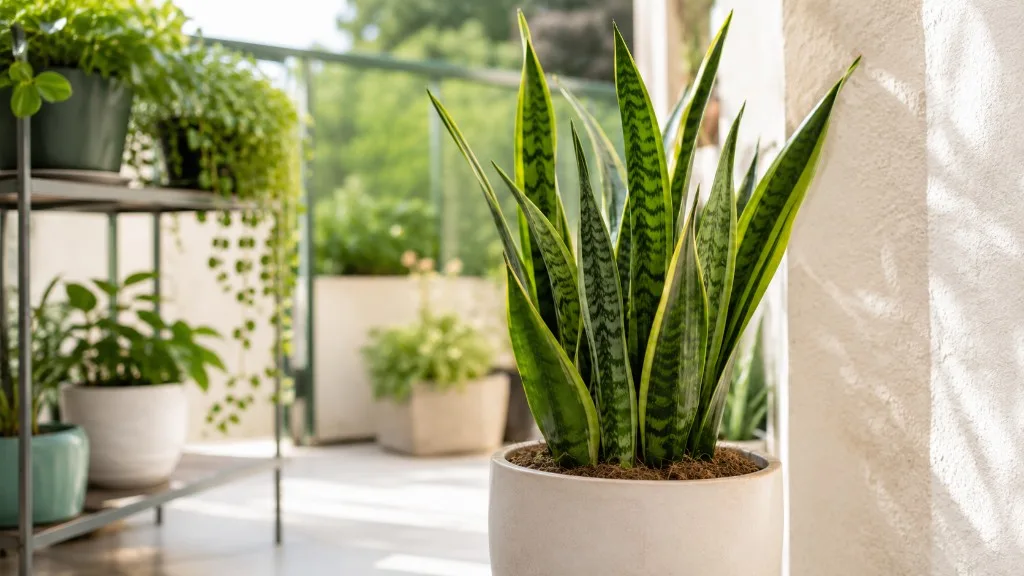
Snake Plant problems
Use the guides below to diagnose and fix common issues on Snake Plant. Each problem page explains why it happens on this species and what to do first.
Or use our problem diagnosis tool to narrow down symptoms.
Common problems on Snake Plant
Root Rot
HighLikely cause: Overwatering or dense, slow-draining soil keeps Sansevieria roots wet; Fusarium/Pythium rot turns roots black and mushy and yellows leaf bases.
Quick fix: Unpot, trim all brown mushy roots with sterile scissors, air-dry 12–24 hours, repot in dry cactus mix; withhold water 7–10 days.
Full fix guide →Brown Tips
LowLikely cause: Fluoride and salts in tap water, low humidity, or over-fertilising concentrate at leaf margins on thick Sansevieria leaves.
Quick fix: Switch to filtered or rainwater; flush soil to remove salts; trim browned tips diagonally with clean scissors.
Full fix guide →Yellow Leaves
MediumLikely cause: Yellow mushy leaves at the base indicate overwatering/root rot; firm yellow leaves can follow chronic underwatering or harsh direct sun.
Quick fix: Check soil moisture first—if wet and sour, stop watering, inspect roots, and repot in dry gritty mix; if bone dry, water thoroughly once.
Full fix guide →Slow Growth
LowLikely cause: Normal in winter dormancy and low light; snake plants are inherently slow, but zero new leaves for 12+ months may signal root-bound conditions.
Quick fix: Move to brighter indirect light in spring; repot into a pot 1–2 in. wider if roots circle the pot or escape drainage holes.
Full fix guide →Overwatering
HighLikely cause: Succulent-like Sansevieria stores water in leaves and rhizomes; watering before soil is bone dry suffocates roots and is the top cause of death.
Quick fix: Let top 2–3 in. of soil dry completely between waterings; repot in fast-draining mix if soil stays wet for days.
Full fix guide →Underwatering
MediumLikely cause: Months without water depletes leaf moisture reserves, causing wrinkled, puckered leaves and crispy brown tips on snake plants.
Quick fix: Water thoroughly until it drains, then wait until soil is fully dry before watering again—typically every 2–6 weeks indoors.
Full fix guide →Spider Mites
MediumLikely cause: Glasshouse red spider mites attack Sansevieria in hot, dry indoor air, causing fine webbing and stippled yellow mottling on leaves.
Quick fix: Isolate plant; wipe leaves and increase humidity; spray insecticidal soap or neem oil on all leaf surfaces weekly until clear.
Full fix guide →Mealybugs
MediumLikely cause: Mealybugs hide in Sansevieria leaf crevices at the base, feeding on sap and leaving white cottony clusters and sticky honeydew.
Quick fix: Dab visible bugs with 70% isopropyl alcohol on a cotton swab; follow with insecticidal soap on leaf bases and crevices.
Full fix guide →Aphids
MediumLikely cause: Aphids colonise new Sansevieria growth and leaf undersides, sucking sap and causing distorted, yellowing leaves plus sticky honeydew.
Quick fix: Spray affected areas with water or soapy water; treat with neem oil or insecticidal soap, repeating every 3–7 days.
Full fix guide →Leggy Growth
LowLikely cause: Too little light causes snake plants to stretch with thinner, weaker leaves as they reach for brighter conditions.
Quick fix: Move to bright indirect light; rotate pot weekly so growth stays upright and compact.
Full fix guide →Wilting
MediumLikely cause: Wilting with wet soil signals root rot—damaged roots cannot move water despite moist mix; wilting with dry soil indicates underwatering.
Quick fix: Check soil: if wet, unpot and trim rotted roots; if dry, water thoroughly once and adjust schedule to dry-out cycles.
Full fix guide →Drooping Leaves
MediumLikely cause: Drooping/falling leaves most often follow overwatering or root rot; oversized pots and physical damage at the leaf base are secondary causes.
Quick fix: Reduce watering, confirm drainage holes are open, and repot in dry cactus mix if bases feel soft or soil smells sour.
Full fix guide →Low Humidity
LowLikely cause: Very dry indoor air accelerates moisture loss from Sansevieria leaf tips, contributing to brown crispy margins despite drought tolerance.
Quick fix: Keep humidity around 40–50%; switch to filtered water and trim browned tips—mist lightly only if air is extremely dry.
Full fix guide →Not Enough Light
MediumLikely cause: Extended low light stalls photosynthesis, causing pale floppy leaves and little to no new growth on snake plants.
Quick fix: Relocate to bright indirect light near a window; avoid dark corners with no natural light for weeks at a time.
Full fix guide →Fungus Gnats
MediumLikely cause: Fungus gnat larvae thrive in chronically wet Sansevieria soil from overwatering, feeding on decaying organic matter in the top inches.
Quick fix: Let soil dry completely for several weeks; use yellow sticky traps and BTI dunks; repot into gritty mix if gnats persist.
Full fix guide →Mold on Soil
LowLikely cause: White or gray surface mold on snake plant pots signals excess moisture, poor airflow, or organic-heavy soil staying damp too long.
Quick fix: Scrape off moldy top 1–2 in. of soil, let pot dry fully, improve drainage with perlite, and water only when soil is bone dry.
Full fix guide →Crown Rot
HighLikely cause: Advanced root rot spreads into the Sansevieria crown (central leaf base), turning it soft, black, and mushy with foul odor.
Quick fix: If crown is firm, treat as root rot; if crown is black and soft, propagate healthy leaf sections—parent plant cannot recover.
Full fix guide →Likely cause: Harsh direct sun—especially hot afternoon glass—bleaches and scorches Sansevieria leaves into pale yellow or brown crispy patches.
Quick fix: Move to bright indirect light; trim severely damaged leaves at soil level; acclimate gradually if increasing light.
Full fix guide →Cold Damage
MediumLikely cause: Temperatures below 50°F (10°C) or frost burst succulent Sansevieria cells, causing mushy translucent patches and brown leaf margins.
Quick fix: Move to 65–80°F away from cold windows; withhold water until stable; trim mushy leaves once damage stops spreading.
Full fix guide →Draft Stress
LowLikely cause: Cold drafts from winter windows or AC vents chill Sansevieria leaves and roots, slowing uptake and inviting rot in wet soil.
Quick fix: Pull plant 30–90 cm back from leaky windows and vents; maintain stable 16–27°C with gentle airflow, not cold blasts.
Full fix guide →Heat Stress
LowLikely cause: Hot radiator or heater blasts dry Sansevieria leaves quickly, causing brown crispy edges and accelerated soil drying.
Quick fix: Move pot away from heat sources; check soil more often in hot spots but still wait for full dry-out before watering.
Full fix guide →Likely cause: Excess fertilizer salts draw water from Sansevieria roots osmotically, scorching leaf tips and margins—snake plants are light feeders.
Quick fix: Stop feeding; flush soil with plain water 3–5 min twice; resume half-strength fertilizer only in spring/summer.
Full fix guide →Likely cause: Fluoride and mineral salts from tap water and fertilizer accumulate at Sansevieria leaf tips and as white crust on soil.
Quick fix: Switch to filtered or rainwater; flush pot thoroughly to dissolve salts; trim irreversibly browned tips.
Full fix guide →Poor Drainage
HighLikely cause: Peat-heavy potting mix or blocked holes keep Sansevieria roots in anaerobic wet soil, leading to rot even with cautious watering.
Quick fix: Repot into cactus mix with 30–50% perlite; confirm pot has open drainage holes and empty saucers after watering.
Full fix guide →Wrong Soil Mix
HighLikely cause: Standard moisture-retentive potting mix suffocates drought-adapted Sansevieria roots; nursery mixes stay wet for weeks indoors.
Quick fix: Repot into cactus/succulent mix or potting soil amended with 30–50% perlite or coarse sand.
Full fix guide →No Drainage Hole
HighLikely cause: Decorative pots without drainage trap water around Sansevieria rhizomes regardless of soil quality, causing rapid root rot.
Quick fix: Move plant to a pot with drainage holes or drill holes; never let snake plant sit in standing water.
Full fix guide →Pot Too Large
MediumLikely cause: Oversized containers hold excess wet soil beyond the root zone; Sansevieria rhizomes rot in the permanently moist outer soil.
Quick fix: Repot into a container only 1–2 in. wider than the root ball; use fast-draining mix and wait 5–7 days before first water.
Full fix guide →Scale Insects
MediumLikely cause: Scale insects attach as tan or brown waxy bumps on Sansevieria leaves and stems, sucking sap and causing yellowing and sticky honeydew.
Quick fix: Scrape or dab each scale with alcohol-soaked cotton swab; follow with horticultural oil or insecticidal soap on all surfaces.
Full fix guide →Thrips
MediumLikely cause: Thrips scar Sansevieria leaves with silvery streaks and distorted new growth as they rasp and suck leaf tissue.
Quick fix: Isolate plant; wipe leaves and spray insecticidal soap or neem oil weekly, covering leaf bases and crevices.
Full fix guide →Likely cause: Honeydew from mealybugs, scale, aphids, or whiteflies on Sansevieria leaves feels sticky and can lead to sooty mold.
Quick fix: Identify and treat the sap-sucking pest; wipe sticky residue with damp cloth and apply insecticidal soap.
Full fix guide →Leaf Spot Disease
MediumLikely cause: Colletotrichum and Fusarium cause reddish-brown circular spots with yellow halos on Sansevieria leaves, often after leaf wetness or misting.
Quick fix: Remove affected leaves at soil line; stop misting; improve airflow; treat remaining plant with copper fungicide if spreading.
Full fix guide →Edema
LowLikely cause: Overwatering in low light makes Sansevieria roots take up water faster than leaves release it, bursting cells into corky bumps.
Quick fix: Reduce watering frequency and move to brighter indirect light; existing bumps won't heal but new growth stays clear.
Full fix guide →Damaged Roots
HighLikely cause: Rot, overwatering, vine weevil grubs, or repotting trauma damage Sansevieria fleshy rhizomes and roots, stalling growth and causing collapse.
Quick fix: Unpot, trim black or mushy roots with sterile tools, air-dry, repot in dry gritty mix; inspect for C-shaped vine weevil grubs.
Full fix guide →Root Bound
LowLikely cause: Dense circling roots fill the pot after years; severely root-bound Sansevieria stops pushing new leaves and dries out within days of watering.
Quick fix: Repot in spring into a pot 1–2 in. wider; gently loosen outer roots and use fresh fast-draining mix.
Full fix guide →Likely cause: Winter dormancy, low light, root-bound conditions, or rot can halt new Sansevieria leaves for months beyond normal slow growth.
Quick fix: Wait through winter; in spring move to brighter light, check roots, and repot if roots escape drainage holes.
Full fix guide →Likely cause: Repotting disturbs Sansevieria rhizomes; watering too soon after repotting in a larger pot often triggers rot and stalled growth.
Quick fix: Wait 5–10 days before first water after repot; use only slightly larger pot and withhold fertilizer 4–6 weeks.
Full fix guide →Curling Leaves
MediumLikely cause: Common curling leaves pattern on Snake Plant under indoor care stress.
Quick fix: Inspect roots, watering, light, and pests; adjust one variable and monitor new growth.
Full fix guide →Brown Leaves
MediumLikely cause: Common brown leaves pattern on Snake Plant under indoor care stress.
Quick fix: Inspect roots, watering, light, and pests; adjust one variable and monitor new growth.
Full fix guide →Black Spots
MediumLikely cause: Common black spots pattern on Snake Plant under indoor care stress.
Quick fix: Inspect roots, watering, light, and pests; adjust one variable and monitor new growth.
Full fix guide →Holes in Leaves
MediumLikely cause: Common holes in leaves pattern on Snake Plant under indoor care stress.
Quick fix: Inspect roots, watering, light, and pests; adjust one variable and monitor new growth.
Full fix guide →Pale Leaves
MediumLikely cause: Common pale leaves pattern on Snake Plant under indoor care stress.
Quick fix: Inspect roots, watering, light, and pests; adjust one variable and monitor new growth.
Full fix guide →Distorted Leaves
MediumLikely cause: Common distorted leaves pattern on Snake Plant under indoor care stress.
Quick fix: Inspect roots, watering, light, and pests; adjust one variable and monitor new growth.
Full fix guide →Whiteflies
MediumLikely cause: Common whiteflies pattern on Snake Plant under indoor care stress.
Quick fix: Inspect roots, watering, light, and pests; adjust one variable and monitor new growth.
Full fix guide →Leaf Miners
MediumLikely cause: Common leaf miners pattern on Snake Plant under indoor care stress.
Quick fix: Inspect roots, watering, light, and pests; adjust one variable and monitor new growth.
Full fix guide →Caterpillars
MediumLikely cause: Common caterpillars pattern on Snake Plant under indoor care stress.
Quick fix: Inspect roots, watering, light, and pests; adjust one variable and monitor new growth.
Full fix guide →Nitrogen Deficiency
MediumLikely cause: Common nitrogen deficiency pattern on Snake Plant under indoor care stress.
Quick fix: Inspect roots, watering, light, and pests; adjust one variable and monitor new growth.
Full fix guide →Iron Deficiency
MediumLikely cause: Common iron deficiency pattern on Snake Plant under indoor care stress.
Quick fix: Inspect roots, watering, light, and pests; adjust one variable and monitor new growth.
Full fix guide →Magnesium Deficiency
MediumLikely cause: Common magnesium deficiency pattern on Snake Plant under indoor care stress.
Quick fix: Inspect roots, watering, light, and pests; adjust one variable and monitor new growth.
Full fix guide →Potassium Deficiency
MediumLikely cause: Common potassium deficiency pattern on Snake Plant under indoor care stress.
Quick fix: Inspect roots, watering, light, and pests; adjust one variable and monitor new growth.
Full fix guide →Calcium Deficiency
MediumLikely cause: Common calcium deficiency pattern on Snake Plant under indoor care stress.
Quick fix: Inspect roots, watering, light, and pests; adjust one variable and monitor new growth.
Full fix guide →