Exposed Houseplant Roots: Causes and Safe Fixes
Root health determines everything above the soil. Exposed Roots produces Roots visible above soil surface when roots suffocate, rot, dry out, or run out of space. Because damage is hidden, owners often treat leaves while the real problem sits in the pot. Track weekly progress after you change care, and note watering, light, and repotting dates so you can tell whether the symptom is improving or returning. Compare upper versus lower leaves, new versus old growth, and soil moisture at root depth before you treat, because the same visible symptom can come from watering, light, pests, or normal aging on different plants.
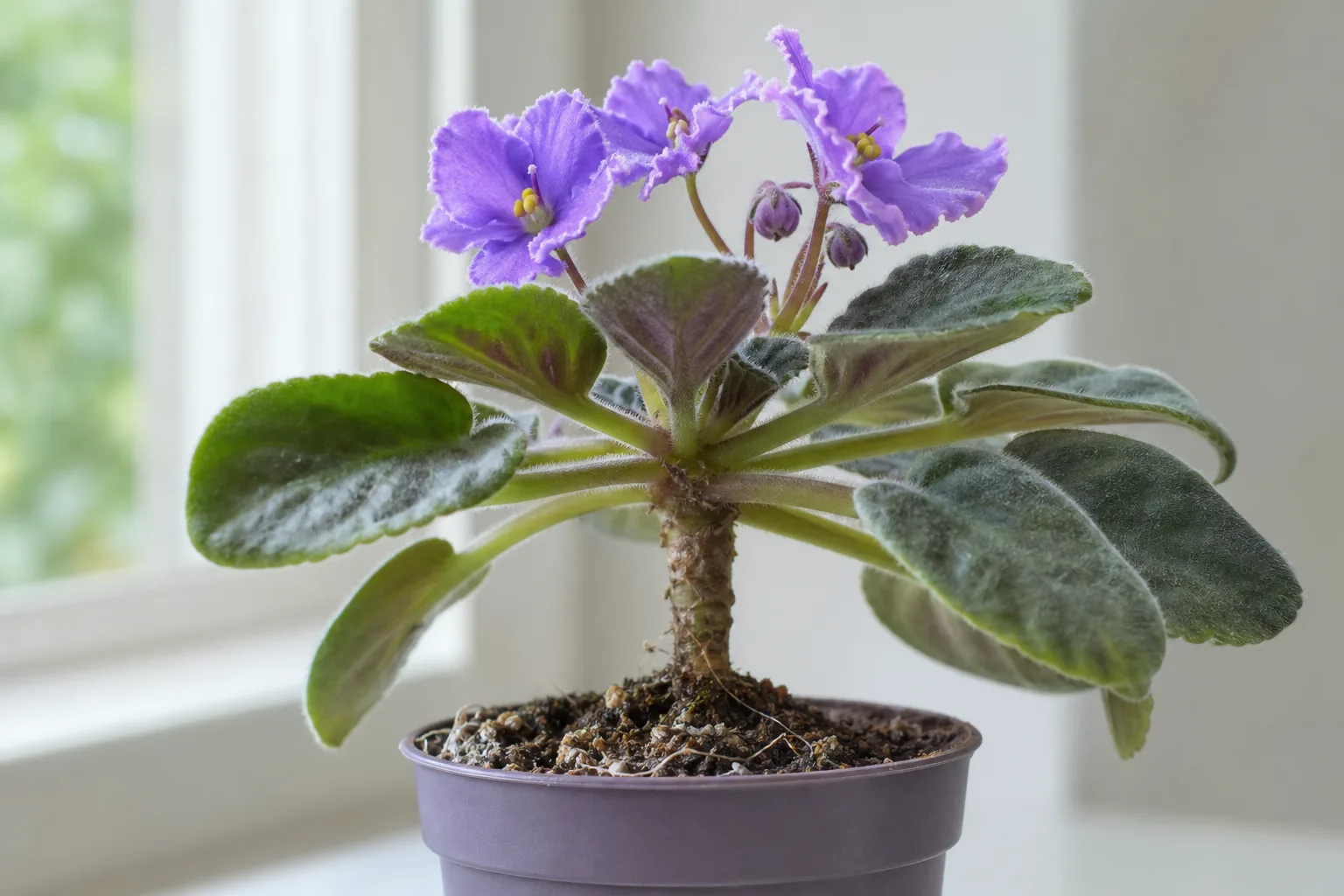
Exposed Roots on Houseplants
Still unsure?Match your symptoms to the most likely problems in under a minute.Run diagnosis →Understand and fix exposed roots
Root health determines everything above the soil. Exposed Roots produces Roots visible above soil surface when roots suffocate, rot, dry out, or run out of space. Because damage is hidden, owners often treat leaves while the real problem sits in the pot. Track weekly progress after you change care, and note watering, light, and repotting dates so you can tell whether the symptom is improving or returning. Compare upper versus lower leaves, new versus old growth, and soil moisture at root depth before you treat, because the same visible symptom can come from watering, light, pests, or normal aging on different plants.
Overview
Root health determines everything above the soil. Exposed Roots produces Roots visible above soil surface when roots suffocate, rot, dry out, or run out of space. Because damage is hidden, owners often treat leaves while the real problem sits in the pot. Track weekly progress after you change care, and note watering, light, and repotting dates so you can tell whether the symptom is improving or returning. Compare upper versus lower leaves, new versus old growth, and soil moisture at root depth before you treat, because the same visible symptom can come from watering, light, pests, or normal aging on different plants.
How to identify it
- Plant wilts soon after watering or stays wilted with wet soil
- Yellow leaves despite moist soil
- Roots brown, black, or mushy when you unpot
- Soil smells sour or musty
- Roots wrap densely around the root ball
When to worry
Black mushy roots, foul odor, or stem rot climbing from soil line means act today-propagation may be the salvage path.
Common causes
Chronic overwatering
Roots need oxygen. Soggy soil kills fine roots first, leading to Exposed Roots and top growth collapse.
Poor drainage and heavy mix
Waterlogged pots rot roots even when you water 'correctly' on schedule.
Extreme root binding
Tight root mats have little soil left to hold moisture and nutrients-plants stress despite watering.
Physical damage during repotting
Broken roots cannot uptake water temporarily, causing wilt and yellowing until they regrow.
Step-by-step fix
Unpot and inspect roots
Healthy roots are firm and white or tan. Trim black mushy sections with sterile scissors.
Repot into fresh, airy mix
Use well-draining soil and a clean pot with holes. Do not water heavily for the first few days if you trimmed rot.
Fix watering going forward
Let top soil dry appropriately for your plant. Never let pots sit in standing water.
Reduce stress on the plant
Keep in bright indirect light, hold fertilizer, and avoid repotting again for several months.
Propagate if roots are mostly gone
Take healthy cuttings above rot and root in water or moss while discarding the base.
Prevention tips
- Use drainage holes and well-aerated potting mix
- Water based on soil dryness, not leaf appearance
- Repot before roots severely circle the pot
- Avoid cool drafts on wet soil
Common mistakes
- Watering more when a plant wilts without checking roots
- Leaving rotted roots in the pot hoping they recover
- Fertilizing to 'strengthen' rotting roots
A root visible above potting mix may be completely normal, mildly inconvenient, or evidence that the container system is failing. Monstera and many orchids routinely produce roots in the air. A fine feeder root uncovered by eroded media has different needs, while a root mass lifting the plant from its pot can indicate crowding.
Do not cover or cut an exposed houseplant root until you identify what kind of root it is and where the plant’s crown normally belongs. The safest response may be no action, a thin layer of compatible media, added support, or a careful repot. Burying the stem to hide every root can create a wetter, less-aerated zone around tissue that was never meant to be underground.
Exposed Does Not Automatically Mean Damaged
Roots become visible for several reasons. Some grow from stems as part of the plant’s normal architecture. Others are ordinary soil roots revealed when potting mix settles, washes away, shrinks from the pot edge, or is displaced during watering. Crowded roots can also reach the surface or emerge through drainage holes.
Exposure becomes a concern when fine roots dry repeatedly, the plant is unstable, the root ball no longer accepts water evenly, or roots are accompanied by decline. A root that is firm and structurally intact is not automatically in danger. A black, soft root at a wet crown needs a different and more urgent response.
Start with plant identification. Advice for terrestrial African violets cannot simply be transferred to epiphytic orchids, climbing aroids, mangroves, aquatic plants, or bonsai. If you do not know the species, compare the whole plant—not just one root—with reliable botanical or horticultural references before acting.
Identify the Root Before You Treat It
| Root or structure | Typical clues | Usually appropriate response |
|---|---|---|
| Aerial/adventitious root | Emerges from stem or node above media; often purposeful on climbers and epiphytes | Leave, guide gently, or support according to species |
| Exposed soil root | Begins within root ball but is uncovered at surface | Protect with a light compatible top-up if depth remains safe |
| Crowded root | Dense mat at surface or many roots at holes; little usable media remains | Assess full root ball and consider modest repotting |
| Rhizome, caudex, crown, or stem | Thicker plant organ with shoots or leaf bases | Do not assume it should be buried; follow species depth |
Texture provides another check. Viable roots are generally firm and resist gentle pressure, though normal color varies. Soft, slimy, hollow, or sloughing roots are dead or dying. Do not trim a firm root merely because it is tan.
Photograph the plant from the side before adding media. Mark the existing crown line and note where leaves, stems, or a caudex meet the substrate. That reference prevents a cosmetic fix from turning into accidental deep planting.
Why Roots Appear Above Potting Mix
Organic media loses volume as particles decompose and settle. Repeated watering can wash fine material downward or out of large holes. A root ball may also shrink away from the pot when peat-rich media becomes extremely dry, leaving roots near the surface and sides.
The plant itself moves. Thickening roots, new offsets, rhizomes, and expanding crowns can lift older tissue. A leaning plant may lever one side of its root ball upward, especially when top-heavy growth lacks support.
Sometimes the original potting depth was shallow. That can be appropriate for a plant vulnerable to crown or stem rot, or it can leave genuine soil roots inadequately protected. The correct depth depends on the species and organ, not on making the surface look level.
Media Settlement, Erosion, and Plant Movement
A small drop in media level after repotting is common as particles settle into gaps. If roots remain moist enough, the plant is stable, and the crown is correctly positioned, a compatible top-up may be all that is needed. Avoid compressing the new layer, which can reduce air at the surface.
Measure the change instead of estimating from memory. A small marker on the inside of a plain nursery pot or a dated side photograph can show whether the surface dropped once after potting or continues to fall after every watering. Ongoing loss deserves investigation of particle size, drainage-hole openings, and watering force.
Forceful watering can excavate a channel around the stem. Apply water more gently in several passes or use a fine-spouted can. If media repeatedly floats or washes away, reconsider particle size and the distance between the surface and pot rim.
When old mix has collapsed substantially, topping up only hides the failed structure underneath. Check drying time, smell, water penetration, and root health. The RHS notes that different houseplant groups require different growing media, reinforcing that replacement material should match the plant rather than merely fill space (houseplant growing-media guidance).
Crowding and Limited Container Space
One root at a drainage hole does not prove that a plant is root-bound. Roots naturally follow moisture and may find a hole before the rest of the pot is full. Look for several supporting signs: a dense circling mat, little media remaining, very rapid drying, slowed growth, instability, or difficult rewetting.
The opposite problem can look similar. A plant with dead roots may loosen and expose remaining tissue as media collapses around it. If the pot stays wet, foliage declines, or the base softens, inspect for root loss rather than moving automatically to a larger container.
When crowding is real, move up modestly. The RHS recommends a replacement pot only slightly larger during routine repotting (how to repot a plant). A large jump surrounds the existing root ball with media that can stay wet longer than the plant can use.
Aerial Roots and Species Exceptions
Aerial roots originate above the soil line. Climbing aroids such as Monstera and Philodendron can use them for anchorage and moisture capture. They may grow toward a support, into potting media, or out into the room without indicating that the soil roots are crowded.
Orchid roots require special caution. Many cultivated epiphytic orchids have roots adapted to open, airy conditions and should not be forced into dense general-purpose compost. Healthy exposed orchid roots may change color as they wet and dry; follow genus-specific care rather than covering them for neatness.
The RHS specifically advises leaving Phalaenopsis roots that grow into the air unburied and describes healthy roots as firm and plump rather than judging them by exposure alone (moth orchid growing guide). That exception is concrete evidence for the article’s larger rule: identify the organ and species before changing its environment.
Some palms naturally show root initials near the stem base, and some succulents or caudiciform plants are displayed with thickened organs partly above the media. African violets can develop an exposed “neck” as lower leaves are removed, but burying the crown itself invites trouble. These examples are why root identity comes before treatment.
Cut an aerial root only when it is dead, diseased, dangerous, or genuinely unmanageable and species guidance supports pruning. Clean the tool first and avoid removing many functioning roots at once. Aerial roots are living organs, not decorative strings.
Check Whether the Plant Is Actually in Trouble
Ask four questions. Is the plant stable in the pot? Does water enter the root ball evenly? Does the mix dry at an appropriate rate? Is new growth healthy? Four reassuring answers support observation rather than urgent intervention.
Check leaves for a pattern, not a single blemish. Progressive yellowing, wilting in wet media, stalled growth, or a soft lower stem raises concern. UC Statewide IPM lists water, light, fertilizer, temperature, pests, compacted media, and root crowding among overlapping houseplant problems (diagnostic overview).
Inspect the root surface without digging aggressively. Firm roots, a clean smell, and evenly moist but aerated media are reassuring. Fungus gnats or surface mold may indicate consistently damp organic material, but neither proves that the exposed root is diseased.
Inspect the Crown, Media, and Hidden Roots
The crown is the transition between roots and shoots. It should sit at the species-appropriate depth and remain firm. A dark, water-soaked, or soft crown can indicate serious decay; adding more moist mix over it is unsafe.
Check stability with one hand supporting the pot and a very gentle movement at the plant base. A healthy, newly potted plant may have slight movement before roots establish, but increasing looseness can indicate media loss or root failure. Do not repeatedly rock the stem as a test, because that breaks new contacts.
Probe moisture below the surface and compare pot weight over several days. If the lower mix remains saturated while the top is dry, adding a top layer increases total water storage without correcting the hidden problem. Inspect the root ball when decline justifies the disturbance.
If roots are soft or their outer layer slips off, shift to a root-rot workflow. Wisconsin Horticulture explains that houseplant root rot can involve several pathogens and that symptoms alone do not identify the cause (root-rot guidance). Isolate the plant and consider a diagnostic clinic for valuable specimens or recurring cases.
Choose the Smallest Safe Response
| What you find | Best starting response |
|---|---|
| Normal aerial root; plant healthy | Leave it or guide it gently |
| A few firm soil roots exposed after settlement | Add a thin layer of compatible media without changing crown depth |
| Root ball loose but roots healthy | Stabilize with support and a careful top-up or repot |
| Dense roots, little media, rapid drying | Repot one modest size larger |
| Surface roots plus wet, collapsed media | Inspect hidden roots and replace failed media if needed |
| Soft roots or crown | Do not cover; isolate and treat as decay |
The smallest response preserves diagnostic clarity. Observe after one change rather than adding media, enlarging the pot, cutting roots, fertilizing, and relocating on the same day. Urgent decay is the exception, because delay can sacrifice viable tissue.
Keep drainage functional during any correction. Do not block holes to prevent media loss; use an appropriate mesh or pot design that allows water to leave. Never let a nursery pot stand in collected cachepot runoff.
Top-Dress Without Burying the Crown
Use fresh media compatible with what is already in the pot. A radically different layer can hold water differently and create an abrupt wet boundary. Remove loose debris and deposits, then add only enough to shield true soil roots.
Before adding it, photograph the crown line and measure the proposed layer against a ruler or marked plant label. The record makes a later rise, settlement, or repeated exposure visible and prevents successive “small” top-ups from gradually burying sensitive tissue.
Maintain the original safe depth around the stem, crown, rhizome, or caudex. Feather media away from tissue that should stay exposed. Do not mound mix against petioles or fill a pot to the rim; leave space for controlled watering.
Settle the top-dressing gently with water if species and root conditions allow, then drain fully. Do not press it hard. Recheck after watering because floating bark and washed fines can uncover the same area again.
When Repotting Is Justified
Repot when several signs point to crowding, when the plant cannot stand securely, when media has collapsed, or when hidden root problems require inspection. Healthy roots emerging from one hole alone are not an emergency. Repotting during active growth is often easier for many plants, but urgent rot or instability can override ideal timing.
Prepare the new pot and media before exposing roots. Support the root ball, loosen only severe circling or failed material, and preserve fine roots. Match the container to the viable root mass, not to how large you hope the foliage will become.
Place the plant at the appropriate depth. The former media line is a useful reference only if it was correct. Consult species-specific guidance when dealing with orchids, African violets, palms, succulents, rhizomatous plants, or caudiciforms.
Support Aerial Roots Without Forcing Them
Climbing plants may benefit from a stake, trellis, plank, or moss-style support suitable for the species. Guide flexible roots with loose ties or gentle contact; do not bend a stiff root until it cracks. A support should be stable without crushing the root ball.
Some aerial roots can be directed into the plant’s own media, but forcing every root downward can crowd the surface and complicate watering. Others can remain in air. If you use a moist support, maintain hygiene and avoid keeping the entire pot chronically wet.
Do not place aerial roots into a separate water vessel as a universal trick. Constant immersion changes oxygen conditions and can lead to decay in roots not adapted to it. Follow plant-specific propagation or support guidance.
Aftercare and Monitoring
After top-dressing or repotting, keep the plant in stable appropriate light and temperature. Check moisture more frequently because the altered media volume and particle structure may change drying time. Frequent checking does not mean frequent watering.
Track stability, crown firmness, water penetration, and new growth. Exposed old roots may retain cosmetic damage; success is the absence of further drying or decay and the production of healthy roots and shoots. Avoid digging them up weekly.
Use a defined review point rather than a vague impression: compare the same side photograph, pot weight at a similar moisture stage, crown firmness, and the number of newly exposed roots after two or three watering cycles. If exposure returns, investigate why before adding more material.
Record the surface and side view after the correction. A weekly photograph can show whether the media is settling again, the plant is lifting, or a new aerial root is following a normal path. Pair the photograph with pot weight and watering date so a visual change is interpreted beside root-zone moisture.
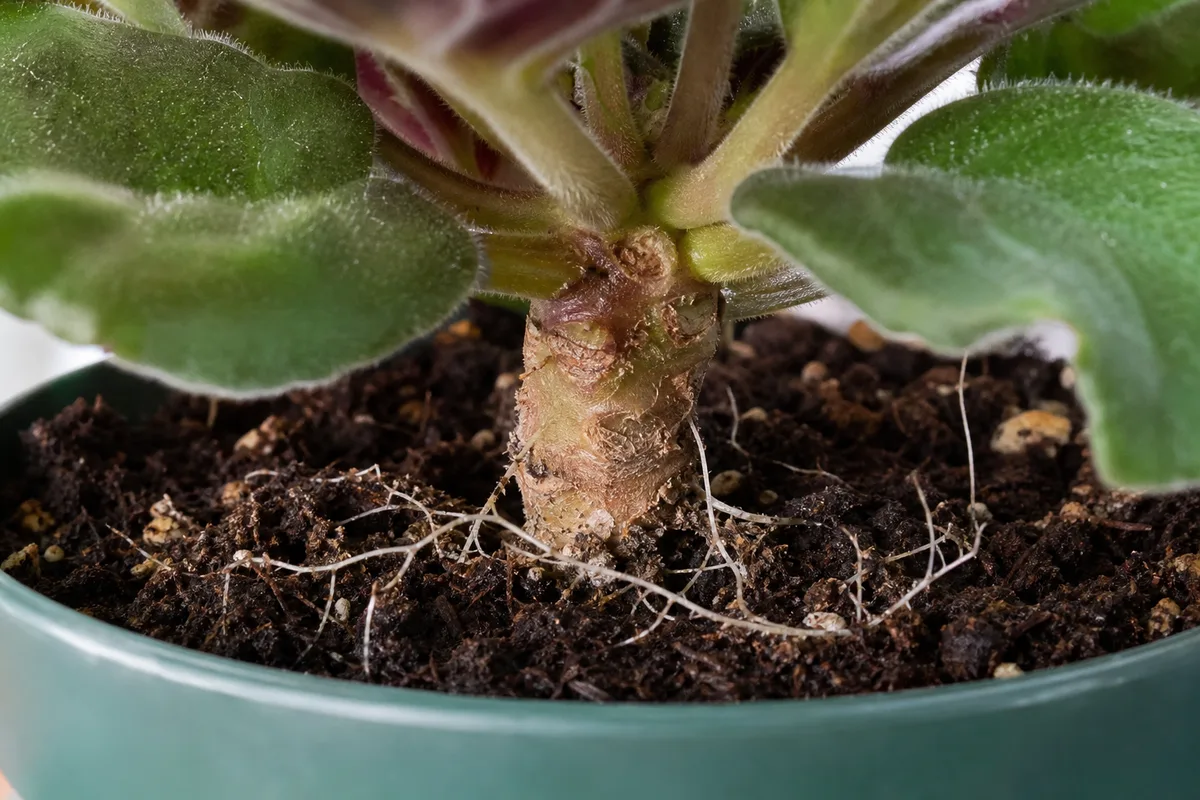
Hold strong fertilizer after substantial repotting or root injury. Fresh mix may already contain nutrients, and concentrated salts do not repair physical damage. Resume a suitable diluted feed only when normal growth and hydration return.
If a top-dressed root repeatedly becomes exposed, stop adding layers and find the mechanism. Continuing settlement points to unstable media, repeated excavation points to watering technique, and upward movement may reflect root or rhizome growth. Repeatedly raising the surface can eventually bury a crown that began at the correct depth.
Common Mistakes
The most serious mistake is burying the crown to make the pot look tidy. Moist media against sensitive stem or crown tissue can invite decay. The second is cutting all aerial roots because they look untidy, removing useful organs without solving a plant-health problem.
Do not add a decorative layer that prevents you from checking moisture or slows evaporation unexpectedly. Thick moss, fine sand, stones, and sealed dressings can change the surface environment. If decoration is important, keep it thin, removable, and compatible with watering.
Avoid a huge pot upgrade. Extra media can stay wet beyond the root ball and increase instability rather than cure it. Also avoid repeated top-ups when the underlying mix has decomposed; replacement is the honest fix for structural failure.
Do not tie roots tightly to a stake or force a rigid aerial root into the pot. Loose guidance should allow thickening and movement. Wire, narrow cord, and tight plastic clips can constrict living tissue as the root expands.
Prevent Roots From Becoming Hazardously Exposed
Use a stable, plant-appropriate medium that does not collapse rapidly. Water gently enough to avoid excavation and leave adequate headspace below the rim. Support top-heavy climbers before they lever themselves out of the pot.
Inspect the media level during routine care. A small top-up is less disruptive than waiting until a large root area dries. Keep a record of the original crown position, especially for plants with vulnerable necks, rhizomes, or caudices.
Match pot size and drainage to the root system. Adding gravel beneath fine media is not a drainage solution; Illinois Extension explains that water can perch above the coarse layer (container drainage options). Maintain open holes and empty runoff.
For plants that climb, install support before the canopy becomes heavy enough to wrench the root ball. Check ties as stems expand and keep the support anchored without compacting the center of the pot. For plants carried outdoors seasonally, protect exposed fine roots from abrupt sun and wind during the move.
When Exposure Signals Disease or Needs Expert Help
Act promptly when exposed tissue is black and soft, the crown collapses, lesions advance up the stem, or the plant declines in persistently wet media. Do not cover the evidence. Isolate the pot and keep its runoff away from the collection.
If pruning diseased tissue, clean soil and debris from tools before disinfecting. The University of Minnesota notes that debris can reduce disinfectant effectiveness (tool sanitation guidance). Follow the product label and protect skin and eyes.
Seek a diagnostic laboratory when decay repeats, several plants are affected, or a rare specimen has little healthy tissue left. A visible rotten root confirms failed tissue but cannot name the pathogen. Avoid unlabelled pesticide use or home remedies that may damage the roots that remain.
Provide the clinic with a useful history: plant identity, water and fertilizer routine, media and pot age, recent repotting, symptom timeline, and clear photographs. Ask how to package a sample before shipping, because dried, overheated, or decomposed tissue may be impossible to diagnose. Keep a representative boundary between healthy and affected tissue rather than submitting only fully rotten material.
Conclusion
Exposed houseplant roots are a prompt to identify, not a diagnosis. Determine whether you are looking at a normal aerial root, an uncovered soil root, true crowding, or a stem-like organ that belongs above the media. Then check stability, crown health, root texture, media condition, and drying behavior.
Leave normal structures alone, top-dress mild exposure without raising the crown line, and repot only when supporting evidence justifies it. If tissue is soft or decay is progressing, isolate and diagnose rather than hiding it under fresh mix.
Plants commonly affected
These houseplants often struggle with exposed roots. Open a care guide or plant-specific troubleshooting page for tailored fixes.
 Medium
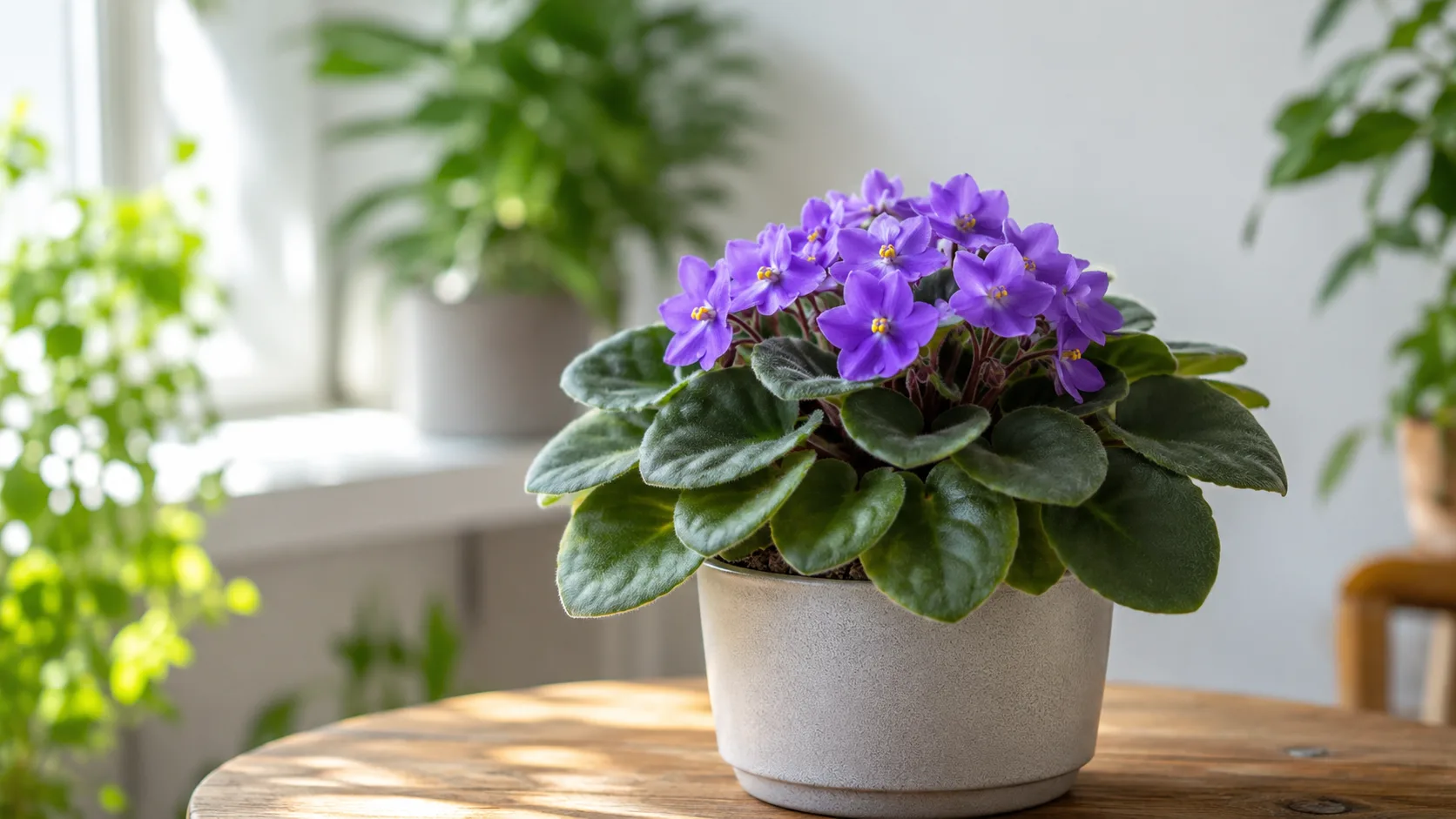
African Violet
Likely causeExposed Roots on African Violet: By creating a consistent, comfortable environment, you give your African violets the best chance to thrive—roots and all. We've covered a lot about African violet roots, from understanding their
Quick fixInspect African Violet, confirm exposed roots matches your symptoms, then adjust care or treat per authoritative guides.
 Medium
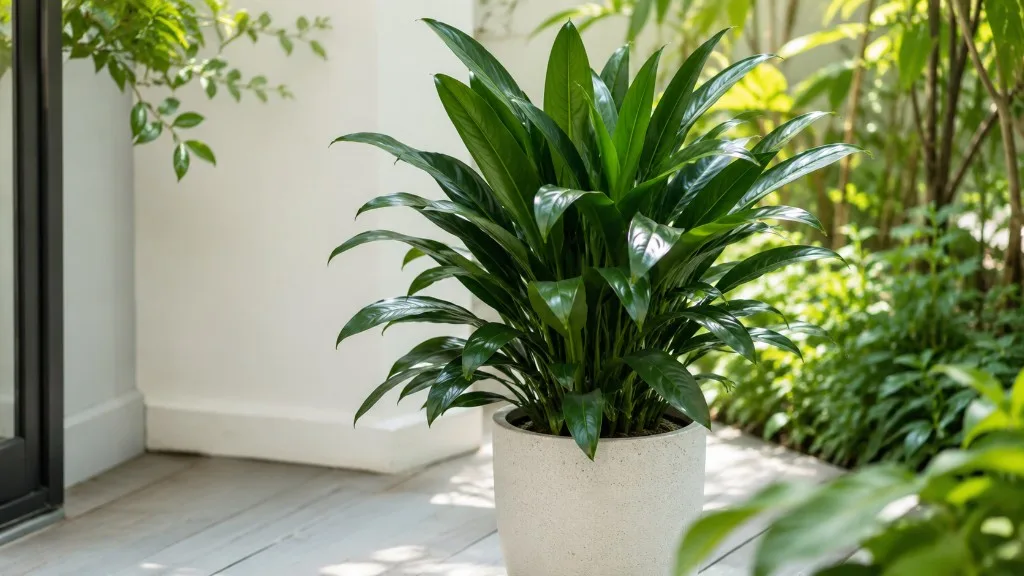
Janet Craig Dracaena
Likely causeFeb 5, 2023 · Janet Craig Dracaena roots are typically fibrous and spread out rather than diving deep into the soil. This structure helps them gather moisture efficiently from the top layer of soil, which is where most of the nutrients resi
Quick fixConfirm diagnosis on your Janet Craig Dracaena, then address the most likely care or pest factor described in current extension guidance.
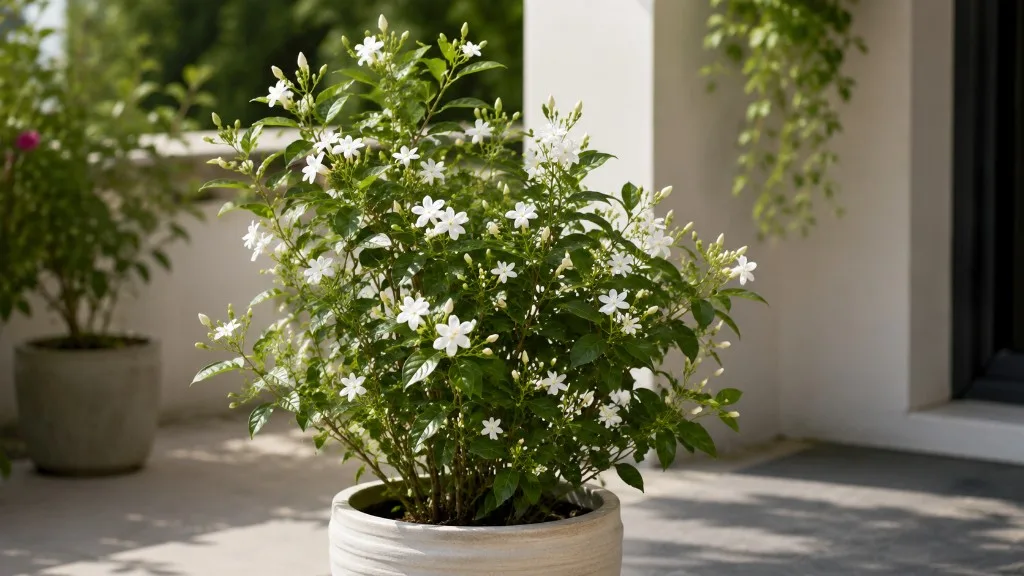 Medium
Jasmine
Likely causeShop this exposed root Water Jasmine bonsai featuring fragrant white flowers, elegant trunk movement, glossy foliage, and a blue Yixing ceramic pot. Ships from Florida.
Quick fixConfirm diagnosis on your Jasmine, then address the most likely care or pest factor described in current extension guidance.
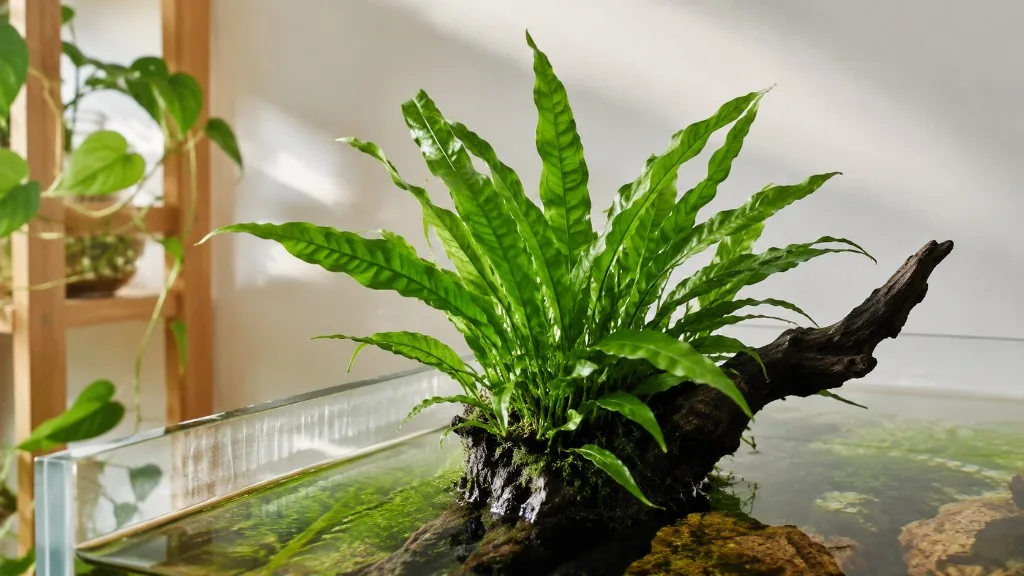 Easy
EasyJava Fern
Likely causeAug 17, 2025 · It’s all in understanding the java fern roots and the part they play with their companion, the rhizome. In this complete guide, we’ll dive deep into everything you need to know.
Quick fixConfirm diagnosis on your Java Fern, then address the most likely care or pest factor described in current extension guidance.
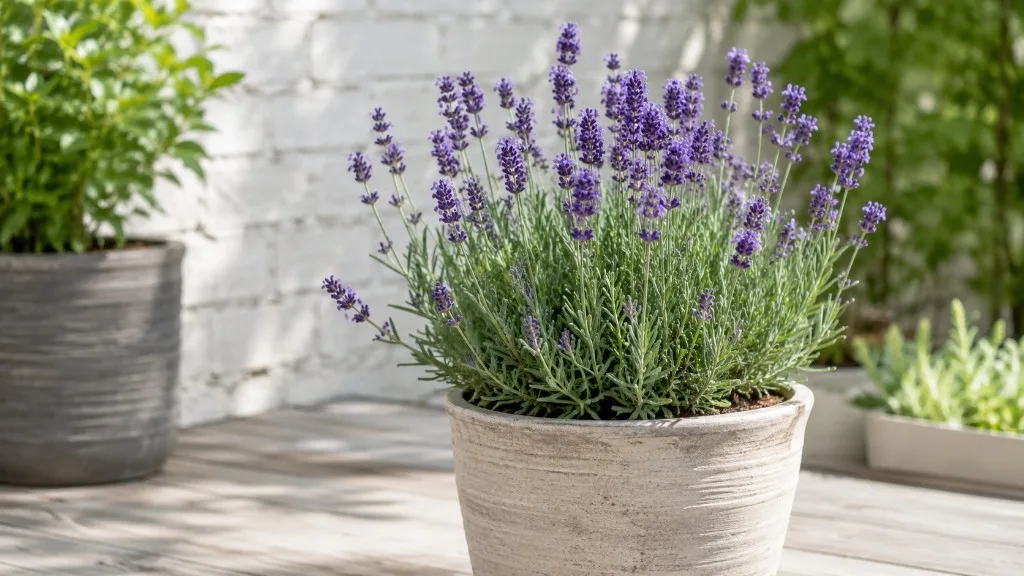 Medium
Lavender
Likely causeLavender plants are shallow- rooted shrubs that require direct sunlight and proper air circulation inside the soil. They grow well in sandy and rocky soil. They are not invasive in nature and spread within the growing range. The roots grow
Quick fixConfirm diagnosis on your Lavender, then address the most likely care or pest factor described in current extension guidance.
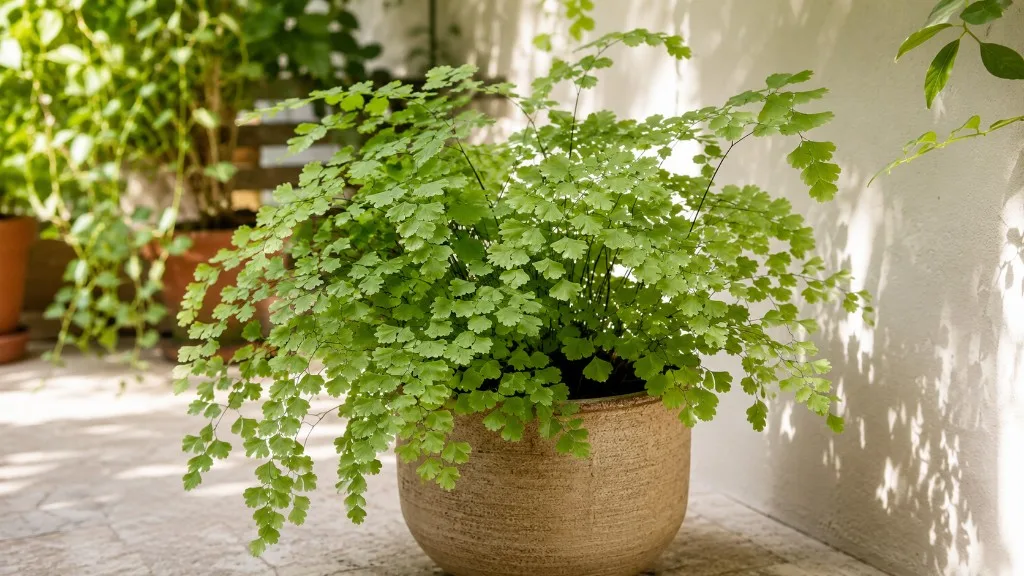 Medium
Maidenhair Fern
Likely causeFeb 8, 2023 · Root rot: Caused by overwatering, root rot presents as dark, mushy roots . To resolve, cut away affected roots , repot the plant in fresh soil, and adjust your watering routine.
Quick fixConfirm diagnosis on your Maidenhair Fern, then address the most likely care or pest factor described in current extension guidance.
 Medium
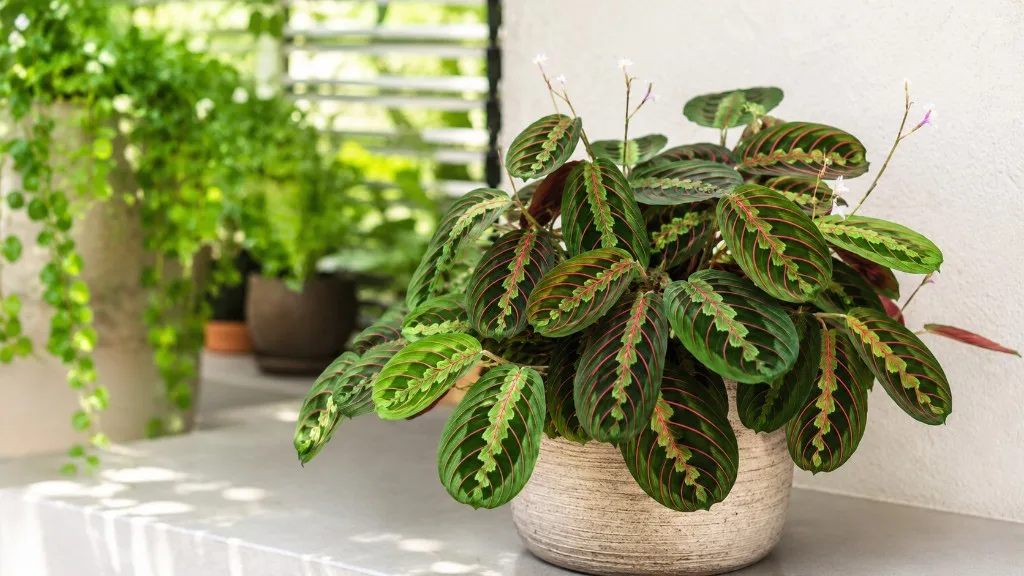
Maranta Leuconeura
Likely causeDec 4, 2025 · Proper drainage is paramount because the fine root structure of the Maranta is highly susceptible to fungal diseases. Healthy roots should appear firm and light-colored.
Quick fixConfirm diagnosis on your Maranta Leuconeura, then address the most likely care or pest factor described in current extension guidance.
 Medium
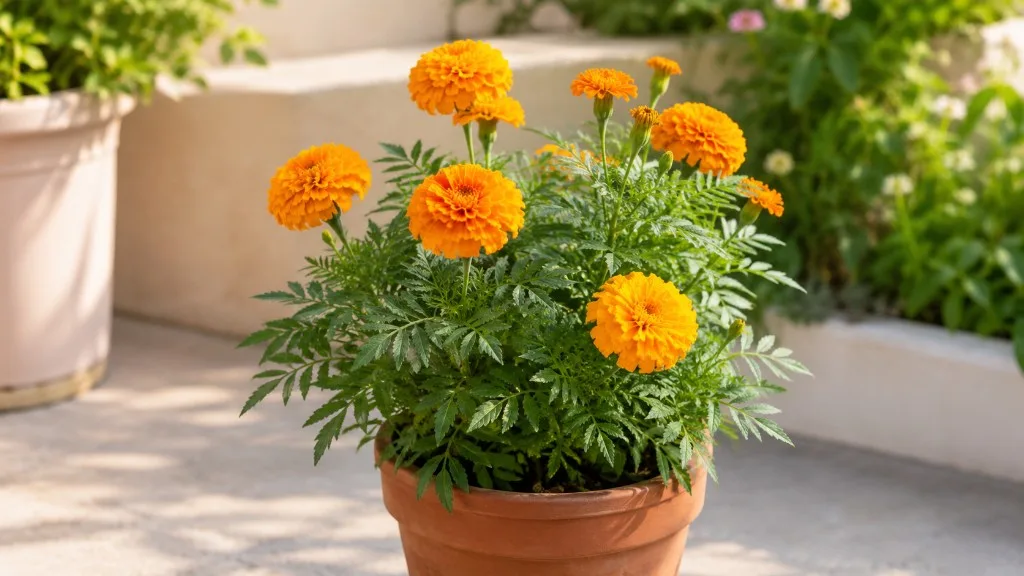
Marigold
Likely causeJul 8, 2023 · Marigold plants have a fibrous root system, which means they have many small, branching roots rather than a single taproot. These fibrous roots spread out horizontally in the soil, allowing the plant to maximize its absorption
Quick fixConfirm diagnosis on your Marigold, then address the most likely care or pest factor described in current extension guidance.
 Medium
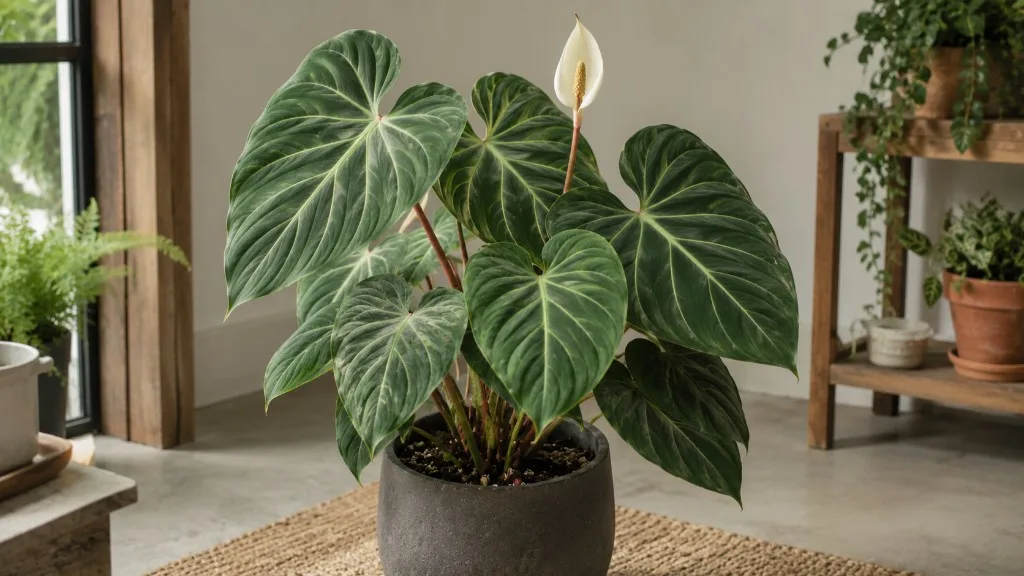
Philodendron Gloriosum
Likely causeRather, P. gloriosum develops a "creeping", crawling growth habit as its root nodes adhere the plant's ever-lengthening stem to fallen trees, large roots (such as certain species of Ficus), and even rocks.
Quick fixConfirm diagnosis on your Philodendron Gloriosum, then address the most likely care or pest factor described in current extension guidance.
 Medium
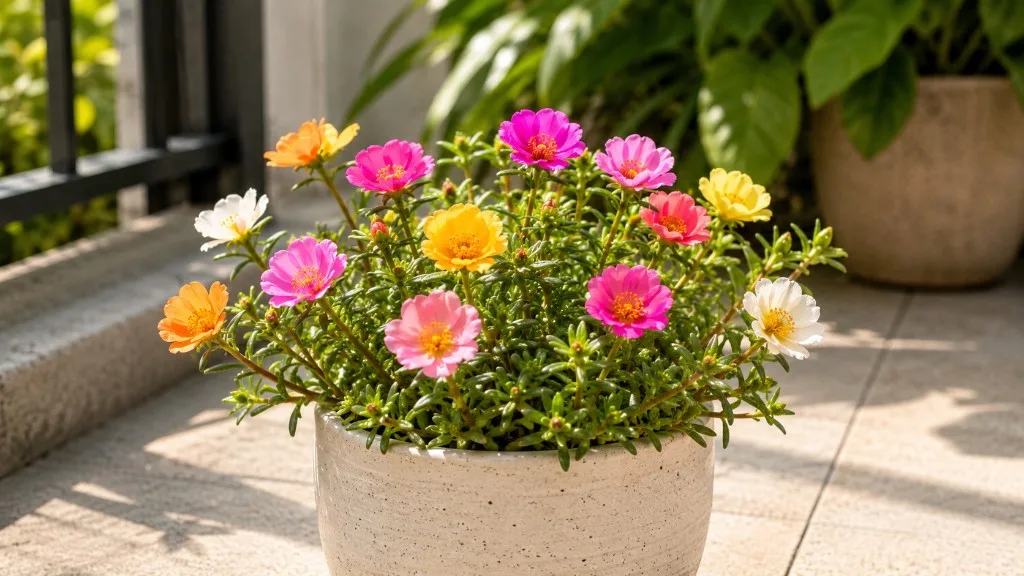
Portulaca
Likely causeJul 23, 2023 · Like many succulent plants, Portulaca has a shallow root system that spreads horizontally rather than deeply into the soil. These fibrous roots are thin, fleshy, and tend to form a dense network. One of the key features of Po
Quick fixConfirm diagnosis on your Portulaca, then address the most likely care or pest factor described in current extension guidance.
 Medium
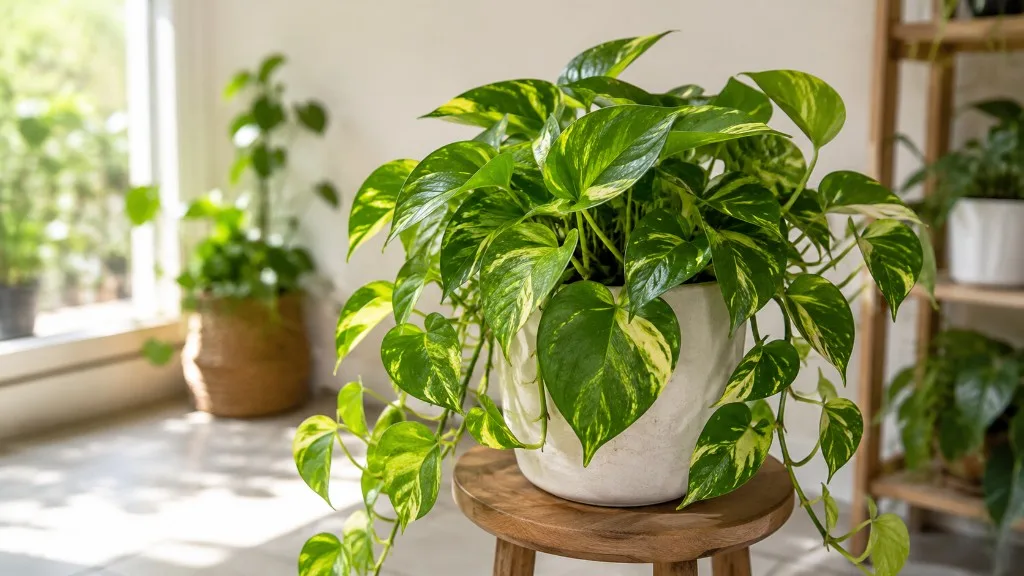
Pothos
Likely causeEpipremnum aureum is an evergreen vine growing to 20 m (66 ft) tall, with stems up to 4 cm (2 in) in diameter, climbing using aerial roots which adhere to surfaces.
Quick fixConfirm diagnosis on your Pothos, then address the most likely care or pest factor described in current extension guidance.
 Medium
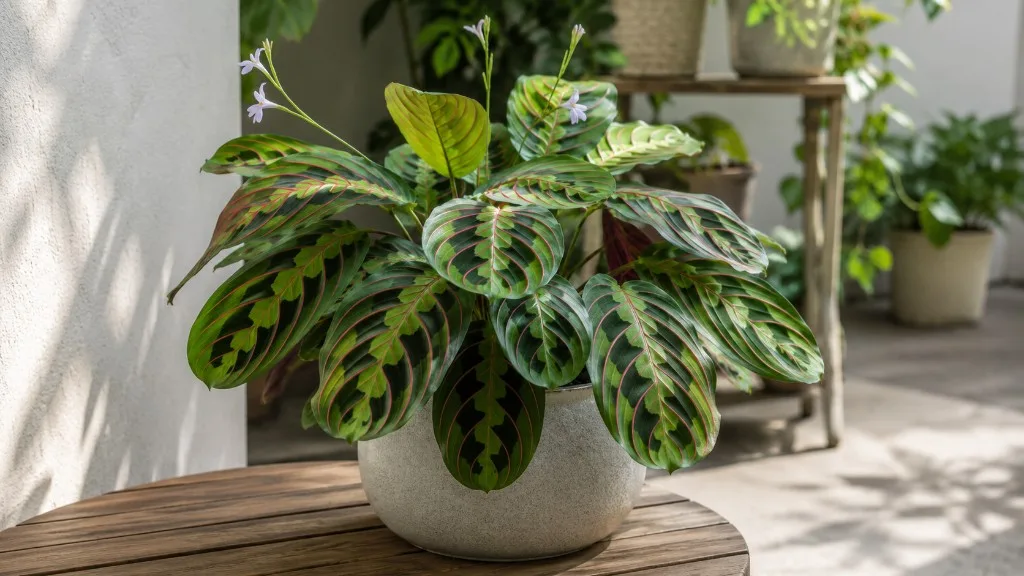
Prayer Plant
Likely causeAug 8, 2025 · A prayer plant becomes root -bound when its root system grows too large for its current container, restricting further growth. Common signs include roots emerging from drainage holes or circling tightly inside the pot.
Quick fixConfirm diagnosis on your Prayer Plant, then address the most likely care or pest factor described in current extension guidance.