Problems

Dischidia Problems: Causes & Quick Fixes

Quick answer

Dischidia is prone to 16 common issues - each link below is a plant-specific fix guide.
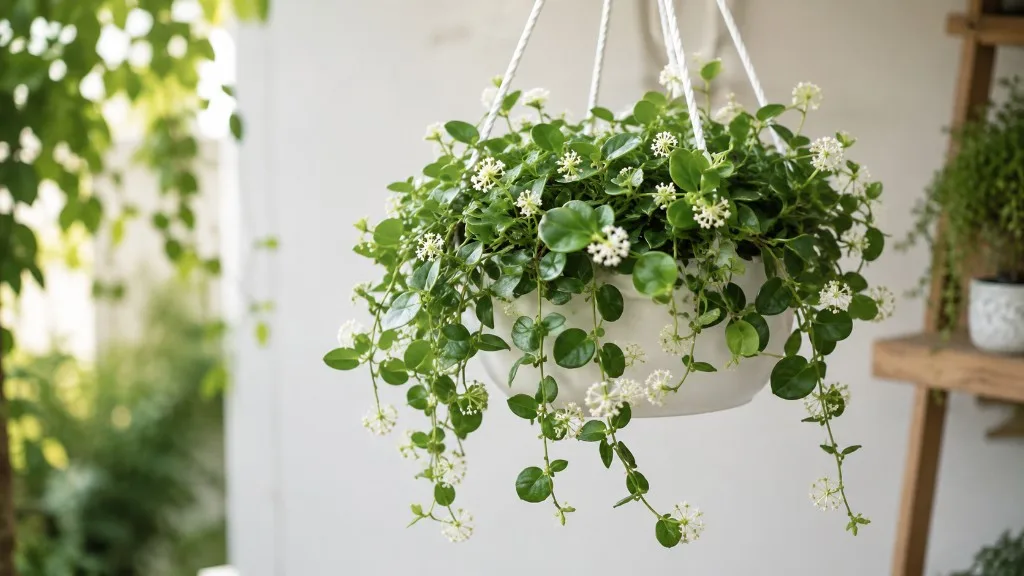
Dischidia houseplant

Dischidia problems

Use the guides below to diagnose and fix common issues on Dischidia. Each problem page explains why it happens on this species and what to do first.

Or use our problem diagnosis tool to narrow down symptoms.

Common problems on Dischidia

Likely cause: Standard potting soil or too-frequent watering retains excess moisture for epiphytic roots

Quick fix: Repot into dry orchid bark mix; allow to dry fully before first watering

Full fix guide →

Likely cause: Insufficient light or too-dense a growing medium

Quick fix: Move to brighter indirect light; switch to bark-based mix

Full fix guide →

Likely cause: Brown tips usually reflect dry air, inconsistent moisture, or fertilizer salts collecting around delicate epiphytic roots.

Quick fix: Check how fast the bark mix dries, flush salts if needed, and raise humidity before changing several variables at once.

Full fix guide →

Likely cause: Overwatering happens when Dischidia sits in dense mix or is watered again before the bark and roots have dried enough to breathe.

Quick fix: Stretch the interval, improve airflow, and repot into a looser epiphytic mix if the current one stays damp.

Full fix guide →

Likely cause: Underwatered Dischidia often shows soft or wrinkled leaves, limp stems, and a bark mix that has gone completely dry and hydrophobic.

Quick fix: Re-wet the root ball thoroughly, then return to a lighter dry-down instead of letting the plant stay bone dry for long stretches.

Full fix guide →

Likely cause: Spider mites build up fastest on dry, warm plants with thin stressed leaves and poor air circulation.

Quick fix: Rinse the plant well, raise humidity modestly, and repeat follow-up checks on new growth and leaf undersides.

Full fix guide →

Mealybugs

Medium

Likely cause: Mealybugs hide at nodes and under clustered leaves where Dischidia grows densely and stays hard to inspect.

Quick fix: Isolate the plant, wipe pests away by hand, and inspect every node weekly until fresh growth stays clean.

Full fix guide →

Aphids

Medium

Likely cause: Aphids target tender new shoots and flower growth when the plant is pushing soft, juicy tips.

Quick fix: Pinch off the worst infested shoots, rinse the plant, and monitor the next flush instead of spraying everything repeatedly.

Full fix guide →

Likely cause: Leggy growth usually means the plant is stretching in low light and cannot keep the tight leaf spacing that makes Dischidia look full.

Quick fix: Move it into brighter filtered light, then trim the longest stems once you see stronger new growth.

Full fix guide →

Wilting

Medium

Likely cause: Wilting can come from severe dryness or from roots failing in stale wet mix, so soil condition matters more than the droop alone.

Quick fix: Feel the mix and inspect root firmness before reacting; correct either drought or rot first instead of adding feed or repotting blindly.

Full fix guide →

Likely cause: Drooping leaves usually reflect loss of root function, prolonged dryness, or sudden environmental stress after a move.

Quick fix: Stabilize moisture, avoid extra pruning, and inspect the roots if the plant does not firm up after care is corrected.

Full fix guide →

Likely cause: Dry indoor air can crisp tips and stall fresh roots on this epiphytic genus, especially near vents or hot windows.

Quick fix: Keep the plant away from direct airflow and raise humidity gently without keeping the mix wet.

Full fix guide →

Likely cause: Not enough light slows drying, weakens growth, and leaves the plant sparse and reluctant to branch.

Quick fix: Shift it into brighter indirect light and then reassess watering speed before changing the mix.

Full fix guide →

Likely cause: Fungus gnats show up when organic material stays damp in a potting setup that should really be drying faster between waterings.

Quick fix: Let the surface dry more between waterings and remove or replace the wettest fine material in the pot.

Full fix guide →

Likely cause: Surface mold usually means the top layer is staying too wet and stagnant for an epiphytic plant that wants more airflow.

Quick fix: Remove the moldy top layer, water less often, and keep the plant in a brighter, airier position.

Full fix guide →

Frequently asked questions

How often should I water Dischidia?

Water sparingly every 10–14 days; allow mix to dry almost completely. Mist foliage between waterings.

What light does Dischidia need?

Dischidia grows best in bright indirect light, medium indirect light, gentle direct morning sun.

Is Dischidia toxic to pets?

Dischidia is toxic to cats and dogs. Keep out of reach of curious pets and choose pet-safe alternatives for accessible spots.

How do I propagate Dischidia?

Propagate Dischidia from healthy stem or root divisions during active growth.

What soil is best for Dischidia?

Use orchid bark-based epiphytic mix with perlite and a small amount of sphagnum moss.

When should I repot Dischidia?

Repot Dischidia when roots circle the pot or growth slows despite good care.

Why does my Dischidia have root rot?

Standard potting soil or too-frequent watering retains excess moisture for epiphytic roots Quick fix: Repot into dry orchid bark mix; allow to dry fully before first watering

How this Dischidia problems guide is reviewed?

Editorial policyReview board

Written by · Reviewed by LeafyPixels Review Board · Updated June 29, 2026

This Dischidia problems problem guide was researched and written by . Problems symptoms on Dischidia, lookalike causes, and step-by-step fixes are cross-checked against extension pest, disease, and care references before publication.

We prioritize sources that hold up under scrutiny:

  • University cooperative extension bulletins and fact sheets (Penn State, Clemson, UMD, NC State, and similar programs)
  • Botanical garden and horticultural society publications
  • Peer-reviewed plant science and veterinary toxicology references where pet safety matters (including ASPCA Animal Poison Control)
  • Established reference works on indoor plant culture

The LeafyPixels editorial team then reviews the draft for clarity, step-by-step usefulness, and fit with real apartment and home conditions-not ideal greenhouse setups. When guidance changes materially, we update the page and note the revision date.


Sources used

  1. 12–14 hours daily (n.d.) Lighting Indoor Plants. [Online]. Available at: https://extension.umd.edu/resource/lighting-indoor-plants (Accessed: 29 June 2026).
  2. Aphids reproduce quickly (n.d.) Integrated Pest Management I P M For Aphids. [Online]. Available at: https://hgic.clemson.edu/factsheet/integrated-pest-management-i-p-m-for-aphids/ (Accessed: 29 June 2026).
  3. Apocynaceae (n.d.) PlantFinderDetails. [Online]. Available at: https://www.missouribotanicalgarden.org/PlantFinder/PlantFinderDetails.aspx?taxonid=276110 (Accessed: 29 June 2026).
  4. Apocynaceae vines (n.d.) Florataxon. [Online]. Available at: http://www.efloras.org/florataxon.aspx?flora_id=2&taxon_id=110546 (Accessed: 29 June 2026).
  5. ASPCA Animal Poison Control Center (n.d.) Animal Poison Control. [Online]. Available at: https://www.aspca.org/pet-care/animal-poison-control (Accessed: 29 June 2026).
  6. black sooty mold on honeydew (2020) How Do You Get Rid Mealybugs Houseplants. [Online]. Available at: https://extension.unh.edu/blog/2020/12/how-do-you-get-rid-mealybugs-houseplants (Accessed: 29 June 2026).
  7. brief humidity spikes do not replace ambient RH (n.d.) Temperature And Humidity Indoor Plants. [Online]. Available at: https://www.extension.umd.edu/resource/temperature-and-humidity-indoor-plants (Accessed: 29 June 2026).
  8. brightest indirect spot (n.d.) Online resource. [Online]. Available at: https://hgic.clemson.edu/?s=indoor+plants+light+requirements (Accessed: 29 June 2026).
  9. Damaged roots cannot absorb water (n.d.) Winter Indoor Plant Problems. [Online]. Available at: https://extension.umd.edu/resource/winter-indoor-plant-problems (Accessed: 29 June 2026).
  10. decaying organic matter (n.d.) Algae And Fungal Growth Soil Indoor Plants. [Online]. Available at: https://extension.umd.edu/resource/algae-and-fungal-growth-soil-indoor-plants (Accessed: 29 June 2026).