Dischidia Fertilizer: When to Feed, How Much, and What
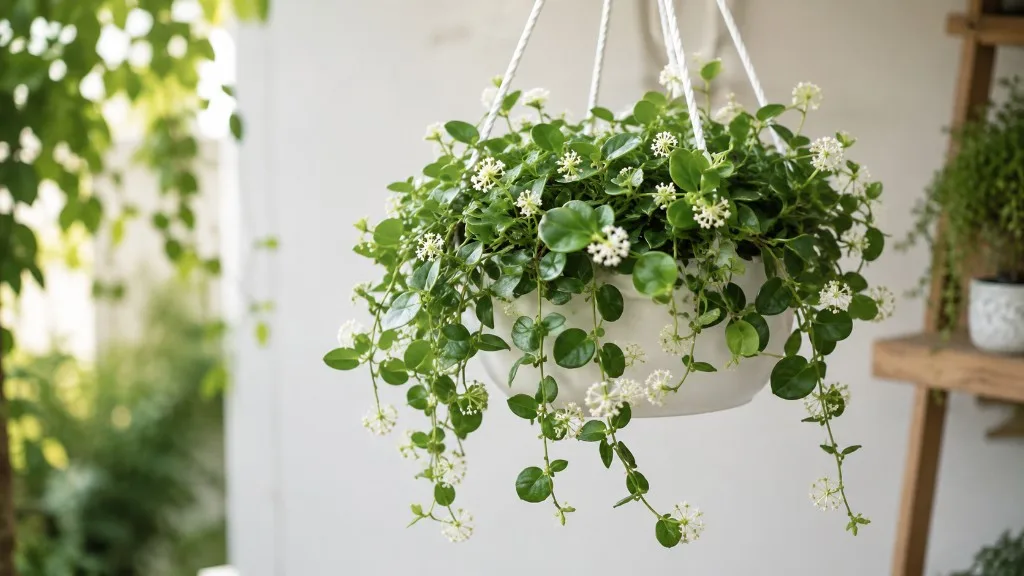
Dischidia Fertilizer: When to Feed, How Much, and What to Avoid
Dischidia Fertilizer: When to Feed, How Much, and What to Avoid
The Main Fertilizer Risk on Dischidia Is Not Deficiency
Most Dischidia does not fail because it was underfed. It fails because the grower tried to push an epiphytic plant with more fertilizer than the roots could safely handle.
This genus grows with limited root volume, fast drainage, and a strong dependence on airflow. That means fertilizer behaves differently here than it does in a peace lily or a large foliage plant in a deep pot. A small mistake concentrates fast.
If you remember only one rule, use this one:
Feed weakly, only during active growth, and only when the roots are otherwise healthy.
That approach lines up with University of Maryland Extension guidance for indoor plants and with the biology of Dischidia itself.
What Fertilizer Can and Cannot Do
Fertilizer helps only after the basics are already working:
- light is adequate
- the root zone dries properly
- the media still has air in it
- the plant is actually growing
Fertilizer does not fix:
- low light
- wet compacted media
- root rot
- a cold stressed plant
- a recently remounted plant that has not re-established
If your Dischidia is yellowing on damp media, feed is not the next move. The next move is to inspect moisture, light, and root health.
Why Dischidia Usually Wants Less Than Other Houseplants
Kew, NParks, and NC State all place cultivated Dischidia firmly in the epiphytic camp. That matters because epiphytes naturally receive nutrients in small dilute pulses rather than from a large soil reservoir.
In practical indoor terms:
- mounted plants have almost no stored fertility
- shallow potted plants have only a small buffer
- salts can concentrate quickly in moss, bark, and small root zones
That is why aggressive feeding schedules often backfire. The goal is not maximum growth at all times. The goal is steady healthy growth without tip burn, salt crust, or root damage.
When to Feed
Feed only when you can see that the plant is actively growing.
Good signs include:
- fresh vine extension
- new leaves opening at a normal size
- a pot or mount that is drying on a healthy rhythm
Do not feed when:
- the plant is in winter slowdown
- the mix is staying wet too long
- the plant was just repotted or remounted
- roots are recovering from rot
- pest pressure is active and the plant is stressed
That usually means spring through early fall for most indoor setups, with a pause or near-pause in winter.
What Type to Use
A balanced liquid fertilizer is the safest default. University of Maryland Extension emphasizes using fertilizer according to label directions and avoiding excess salts; for Dischidia, that means using a more diluted solution than many labels suggest for heavier-rooted plants.
You do not need a special “Dischidia fertilizer.” You need a liquid formula you can dilute reliably.
A reasonable starting point is:
- balanced houseplant fertilizer
- mixed weaker than the standard full label rate
- applied only to already moist media
If you use an orchid fertilizer because that is what you already have for epiphytes, that can work too. The important variable is still concentration, not branding.
How Much to Use
Here the old version was too confident. Controlled Dischidia-specific fertilizer trials are limited, so the safest editorial standard is to recommend a starting range, not to pretend there is one perfect exact dose for every species and setup.
Use this as a practical starting point:
- Potted Dischidia: begin at roughly one-quarter strength, about once a month during active growth
- Mounted Dischidia: begin weaker than that, because mounts have less buffering capacity
If the plant grows steadily, leaves stay firm, and no salt crust appears, stay conservative. Do not escalate just because the plant “seems small.” Compact growth is normal for many species.
Mounted Plants Need a Different Feeding Mindset
Mounted Dischidia usually dries faster and stores less moisture and fewer dissolved nutrients than the same plant in a shallow pot. That can tempt growers to feed more often, but the better framing is:
- weaker solution
- careful observation
- regular plain-water rinsing
If you fertilize a mount, follow with periodic plain-water flushing so dissolved salts do not accumulate in the moss pad or on the cork.
Mounted plants can sometimes benefit from slightly more frequent light feeding during strong active growth, but only if:
- the plant is drying properly
- the foliage is not stressed
- the mount is flushed regularly
If any of those conditions are missing, reduce feed before increasing it.
Ant-Associated Species Need Extra Restraint
Some Dischidia species, including Dischidia major, are associated with ants in nature. That does not mean you should try to replicate a full ant-plant system indoors, but it does reinforce the broader point that these plants are not heavy feeders.
If you are growing an ant-associated species in a humid display, do not assume it needs more fertilizer than a trailing retail form. Start from the same conservative baseline and adjust only if the plant clearly shows healthy active growth and no salt damage.
Signs the Plant May Benefit From Feeding
Underfeeding is possible, but it is usually subtle.
Potential signs include:
- smaller new leaves over time despite good light and healthy roots
- slower new growth during warm active months
- generally pale new growth after a long period in exhausted media
Those signs matter only if the plant is otherwise healthy. If the roots are compromised or the plant is sitting in poor light, the same symptoms can appear for reasons fertilizer will not solve.
Signs You Are Feeding Too Much
University of Maryland Extension points to soluble-salt damage as a common indoor plant problem. On Dischidia, that risk often shows up fast.
Watch for:
- brown or blackened leaf tips soon after feeding
- white crust on moss, bark, or the pot rim
- roots that look dry and brittle rather than firm
- sudden decline after fertilizer hit dry media
- a plant that looks weaker even though you increased inputs
If you see those signs, assume overfeeding before you assume deficiency.
Never Fertilize Dry Roots
This rule matters enough to stand alone.
Do not pour fertilizer onto a mount or pot that has already dried too far. Plain water first. Let the root zone absorb moisture. Then feed if the plant is in active growth and actually needs it.
Fertilizer on dry moss or bark is one of the fastest ways to burn the roots.
How to Flush Salt Buildup
If you see salt crust or suspect fertilizer burn, stop feeding and flush with plain water.
For potted plants
- water thoroughly until runoff is generous
- wait a few minutes
- repeat
- discard the runoff
For mounted plants
- soak or rinse thoroughly with plain water
- let the mount drain completely
- repeat again on the next normal watering cycle if crust remains
Then pause fertilizer until the plant is growing cleanly again.
Common Fertilizer Mistakes on Dischidia
Feeding to compensate for low light
The plant is not stalled because it lacks nutrients. It is stalled because it lacks usable energy.
Using a standard houseplant schedule
Dischidia is not a heavy-rooted peace lily or philodendron. Generic weekly feeding schedules are often too much.
Increasing strength instead of fixing the setup
When growth slows, check roots, light, and media first.
Forgetting that media changes over time
Old bark and old moss hold salts differently than fresh airy media. A schedule that was safe last year may not be safe now.
Doubling up after missed feedings
Skipping a feed is far safer than trying to “make up” for it later.
A Safe Working Routine for Most Growers
If you want one simple routine that fits most indoor Dischidia setups, use this:
- Keep light and watering stable first.
- Feed only during active growth.
- Use a weak balanced liquid fertilizer.
- Start at about monthly for shallow pots, weaker for mounts.
- Flush periodically with plain water.
- Pause immediately if you see crust, tip burn, or root stress.
That routine is not flashy, but it is much safer than chasing faster growth.
Conclusion
Dischidia fertilizer works best when it stays in the background. This is a plant that usually responds better to better light, healthier roots, and cleaner wet-dry cycles than to stronger feed.
Use a diluted liquid fertilizer during real active growth, keep mounted plants even more conservative than potted ones, and treat salt buildup as the main warning sign. If you are deciding between feeding more and backing off, backing off is usually the better bet for this genus.
Related Dischidia guides
- Dischidia overview for the epiphytic care model behind the feeding advice
- Dischidia watering for the soak-and-dry rhythm fertilizer depends on
- Dischidia soil for bark, moss, and root-aeration setup
- Brown Tips on Dischidia when salt stress and dry-air damage overlap
- Slow Growth on Dischidia when growth stalls for reasons beyond fertilizer
- Root Rot on Dischidia when root health is the real limiting factor
Related tool
Try the Fertilizer Dilution Calculator with dischidia pre-selected to estimate needs for your setup.