Watering Dischidia: Soak, Dry, and Rot Prevention
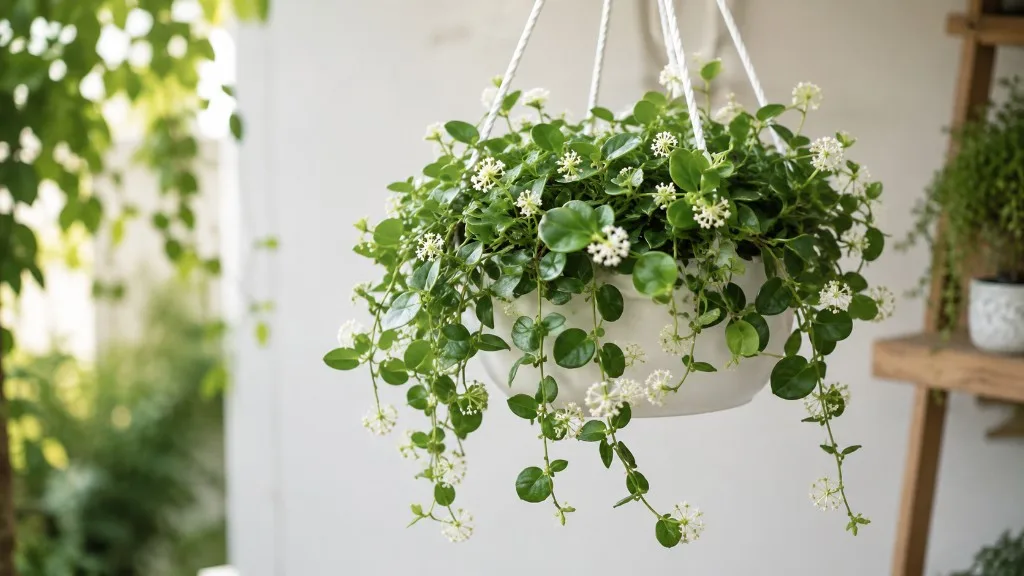
Watering Dischidia: Soak, Dry, and Rot Prevention
Watering Dischidia: Soak, Dry, and Rot Prevention
Dischidia is not a plant you keep evenly moist like a peace lily or fern. In the wild, these Apocynaceae epiphytes cling to tree branches in Southeast Asian forests, where heavy rain arrives fast, drains immediately, and leaves the root zone breathing again within hours. Your job indoors is to copy that rhythm - not the calendar on your phone. Water thoroughly when the mount or substrate is mostly dry, then let it dry down again before the next drink. Get that cycle right and Dischidia is surprisingly forgiving. Get it wrong - usually by keeping moss or bark wet too long - and root rot on Dischidia shows up quietly before you notice anything wrong with the leaves.
Why Dischidia Watering Works Differently Than Most Houseplants
Most houseplant advice assumes roots live in soil that holds moisture between waterings. Dischidia roots evolved for crevices, moss pads, and bark - places where water passes through and air moves constantly. They take up moisture in bursts and tolerate dry intervals far better than they tolerate stagnant wetness. That is why “water when the top inch is dry” only gets you partway there. The useful question is whether the whole root zone has had time to dry and re-oxygenate, not whether the surface looks slightly pale.
Fine roots also store less reserve than thick succulent roots. A Dischidia in an airy orchid-bark mix can go from properly hydrated to ready for water in a week during bright summer growth, then take three weeks in a cool dim room. The plant is not being inconsistent. Your environment changed how fast the substrate releases water. Treating every Dischidia the same - String of Nickels (Dischidia nummularia), Million Hearts (Dischidia ruscifolia), or a mounted bladder vine (Dischidia pectinoides) - on one fixed schedule is the fastest route to rot or chronic underwatering on Dischidia stress.
The Epiphyte Mindset: Rain Bursts and Fast Drainage
Think of a tree branch after a tropical downpour. Water sheets off. Moss holds a little, then dries. Roots never sit in a puddle. That is the soak-and-dry model extension guidance for watering indoor plants supports: drench thoroughly, drain completely, wait until the medium is mostly dry before repeating. “Mostly dry” means the moss or bark feels light, a skewer pulled from depth comes out clean and dry, and the pot no longer has that cool, heavy feel at the base. Bone-dry for weeks in hot bright conditions can stress fine roots, but slightly early water is almost always safer than slightly late water when the media is still damp inside.
This mindset also changes what “humidity” means. High humidity around the leaves does not replace root-zone drying. A Dischidia in a steamy bathroom with constantly wet sphagnum can still rot because the roots never get air. Humidity supports leaf health and aerial root plumpness; soaking the substrate supports the main root mass. You need both concepts separated or you will mist the foliage daily while the moss stays soggy - a pattern that causes more Dischidia losses than honest drought ever does.
How Often to Water Dischidia (Without a Calendar)
There is no honest universal answer in days. Epiphytic roots accustomed to drenching rain followed by drying periods should have substrate dry almost completely between waterings, as with other houseplants that need the top one to two inches dry before the next drink. In many homes that translates to roughly every 7 to 14 days during active spring and summer growth, and every 2 to 4 weeks in cooler, slower winter months - but those numbers are examples of what happens when you check moisture, not instructions to set a recurring phone alarm.
Light intensity, pot size, mount thickness, room temperature, and airflow all shift the timeline. A small terracotta pot in a bright east window dries faster than a plastic cachepot in a shaded shelf. A thick sphagnum cushion on cork holds water longer at the core than a thin layer of orchid bark. The only reliable habit is to check before you pour. If you have watered on Tuesday for three weeks and the plant is still heavy on Friday, Friday is not water day. Next Tuesday might not be either.
Mounted Dischidia vs Potted Dischidia
Potted Dischidia usually lives in a chunky epiphyte mix - orchid bark, perlite, pumice, and sometimes a small fraction of sphagnum. You water by running water through the pot until it drains freely, or by bottom-soaking the container in a bowl of room-temperature water for 10 to 20 minutes until the mix saturates, then lifting it out to drain. Either way, the exit path matters as much as the entry. Never let the pot sit in a saucer of runoff.
Mounted Dischidia has no drainage holes. The “reservoir” is the moss or fiber wrapped around the roots on cork bark or tree fern. Here you briefly soak or dunk the mount until the moss darkens and feels heavy, then hang it somewhere with airflow so water does not pool at the base. Mounted plants often need less total water volume per event but the same dry-down wait. A mount that stays wet in the center while the surface looks dry is a common hidden overwatering on Dischidia trap - poke the moss, do not trust the outer layer alone.
Moisture Checks That Actually Tell You When to Water
Calendar watering fails because it skips observation. Dischidia gives you several signals if you learn to read them together. Pot weight is the single most useful check for potted plants. Lift the container when you know the plant is well watered; lift it daily until it feels noticeably lighter. That lightness means the bark has released most of its moisture. Depth checks matter more than surface color. Insert a dry wooden skewer to the bottom third of the pot. If it emerges with particles clinging or feels cool and damp, wait. For mounts, press a finger into the moss behind the plant or near the root pad - cool and spongy means wait; light and crisp means soak time.
Leaf feel is a secondary signal, not a solo trigger. Many Dischidia leaves become slightly less turgid - a soft, thin feeling - when the plant is ready for water. Yellowing with wet substrate and drooping with chronic wetness match University of Maryland Extension patterns for overwatering and soluble-salt stress rather than simple thirst. Wrinkled, deflated coin leaves on String of Nickels usually mean dry, but limp leaves with wet media mean rot stress, not thirst. Always cross-check leaf texture against substrate moisture before you respond.
Finger Test, Skewer Probe, and Pot Weight
Use all three checks until you internalize your setup. The finger test one inch deep works in shallow pots with open bark mixes where you can reach the root zone. It fails in deep pots and dense moss where the surface dries first. The skewer probe solves that by sampling depth without disturbing roots. Mark the skewer with tape at your typical dry point so you compare consistently week to week. Pot weight catches what probes miss in large containers - a top-dry pot can still hold water low down until roots struggle.
For mounted plants, add a moss squeeze test: gently pinching the moss pad should not release visible water. If it does, you are still in the drying phase. Aerial roots tell their own story. Plump, silvery-green roots indicate recent hydration. Shriveled gray roots on an otherwise dry mount mean soak soon. Slimy black roots mean rot already - watering more will not fix that.
Soaking vs Misting: What Hydrates Roots and What Does Not
This is the question that separates thriving Dischidia from slowly declining ones. Soaking - fully saturating the moss, bark, or mix, then draining - is how you water the root system. Misting - fine spray on leaves and surrounding air - changes humidity briefly and wets surfaces. It does not reliably replace a soak for potted plants. University of Maryland Extension emphasizes that misting leaves does not replace thorough watering of the root zone and that soluble salts concentrate when water evaporates without flushing. For roots in a pot, misting is cosmetic at best and misleading at worst, because the plant looks dewy while the bark inside stays dry or, worse, stays wet from a previous overwater while you add more surface moisture.
Bottom line for most growers: plan on soak-and-dry for hydration, use misting only where it serves a defined purpose. In an open room with potted Dischidia, skip daily leaf misting and water the substrate when dry. On a mount, a light mist directed at aerial roots in very dry winter air can supplement soaks - it does not replace them. In a closed terrarium, misting may be part of the system, but even there the moss must dry partially between inputs or anaerobic decay follows.
When Misting Helps and When It Hurts
Misting helps when indoor humidity drops below roughly 40 percent and aerial roots on a mount are shriveling between soaks, when you are establishing fresh moss on a new mount and need light surface moisture without a full dunk, or when terrarium conditions require fine tuning and you still verify moss dry-down. Misting hurts when you use it instead of checking substrate dryness, when water sits on leaves overnight in cool stagnant air, when hard tap water leaves mineral spots on succulent foliage, and when repeated light sprays keep the moss surface damp while the core never dries - the classic slow rot setup.
If you love the ritual of misting, redirect it. Mist the mount moss or bark, not the decorative leaf face, in the morning so evaporation has hours to run. One thorough soak weekly beats seven superficial mists that never reach the root pad.
How to Water Potted Dischidia the Right Way
Start with room-temperature rainwater, distilled, or filtered water if your tap is very hard. Mineral buildup crusts bark and moss over months, making dry-down uneven. Once every couple of months during active growth, flush the pot with extra water to rinse salts, especially if you fertilize lightly.
Top watering method: Use a narrow-spout can and circle the pot edge slowly until water runs from drainage holes. Repeat once to ensure the bark chunk in the center wets - dry pockets happen in airy mixes. Stop when runoff is clear. Empty the saucer within minutes.
Soak-and-drain method: Set the pot in a bowl or sink filled halfway with water. Let it absorb until bubbles stop - often 10 to 20 minutes for a 4-inch pot. Lift, drain fully, and return to its spot only when dripping has stopped. This method reduces the “dry top, wet core” problem some growers create by splashing the surface only.
After either method, do not return the pot to a decorative outer pot that holds water. Cachepots are Dischidia rot machines unless you lift the inner pot to drain every time. Terracotta and unglazed ceramic help beginners by speeding evaporation through the walls; sealed plastic keeps moisture longer and demands stricter dry-down checks.
How to Water Mounted Dischidia on Cork or Moss
Mounted culture is the most natural display for Dischidia, and the easiest to overwater if you treat moss like soil. Remove the mount from the wall or hook. Submerge the moss root pad in a basin of water for a few minutes - long enough for the moss to darken throughout, not hours. Alternatively, run lukewarm water over the mount until the moss is saturated and water streams off the cork without pooling in pockets you taped shut.
Hang or tilt the mount so gravity pulls excess water out of the bottom edge. Airflow completes the job. Do not wrap the mount in plastic to “keep humidity” immediately after soaking unless you are deliberately propagating - sealed wet moss rots. Wait until the moss pad feels light and the cork at the back is dry to the touch before soaking again. For many indoor mounts that means a rhythm similar to potted plants, sometimes slightly longer intervals because the moss volume is small.
New mounts need careful attention the first month: moss that is too loose dries unevenly; moss packed too tight stays wet in the center. Adjust wrapping and soak duration before you change light or fertilizer.
Seasonal Watering Changes Through the Year
Dischidia slows in lower light and cooler temperatures even if it does not go fully dormant like a deciduous outdoor plant. Growth phase changes water uptake. In spring and summer, new runners and leaves mean roots pull moisture faster - checks may lead you to water weekly or a bit more in hot dry rooms. In fall, taper as growth slows. In winter, the same pot that needed water every ten days in July may need only a light soak every three weeks in January - or less.
The seasonal mistake is emotional: you watered “regularly” all year and the plant looked fine in summer, so you keep the summer rhythm in winter while roots sit cold and wet. Reduce watering significantly in winter because reduced light and temperature slow growth - the same seasonal pattern University of Maryland Extension describes when houseplants use less water in cooler months. Watch leaf turgor more closely in winter, but still confirm dryness before you soak.
Summer Active Growth vs Winter Slowdown
Summer: Brighter light and warmth increase evaporation but also increase metabolic demand. Check pots every few days; water when dry, not when convenient. Early morning watering gives the mount or pot hours to drain before night. Avoid soaking cold plants in hot midday sun shock - room-temperature water and stable placement matter.
Winter: Stretch intervals. Skip fertilizer. Keep minimum night temperatures above about 15 to 16°C (60°F) when possible - cold wet roots fail faster than cold dry roots. If leaves look slightly soft and all dryness checks agree, soak lightly once. If checks say damp, do not water because the heating vent makes the air dry. Dry air is a humidity problem, not automatically a watering problem.
Dischidia in Terrariums and High-Humidity Setups
Closed terrariums change the math. Evaporation is slower; moss stays wet longer. Many Dischidia thrive here - Million Hearts and smaller species are popular terrarium vines - but rot prevention becomes airflow and restraint, not more water. Water lightly at the substrate or moss base, not in repeated overhead floods. Watch for condensation that never clears; that often means the system is too wet overall.
Open-front cabinets and humidity boxes sit in the middle. You may need less frequent but still complete soaks because ambient humidity reduces dry-down time. A hygrometer helps, but the moss squeeze and skewer tests still beat a number on a screen. If humidity stays above 60 percent and moss never lightens, you are overwatering even if the plant looks green today.
Signs You Are Overwatering Dischidia
Overwatering is the primary killer. University of Maryland Extension lists yellowing leaves, wilting on moist soil, and root decay among symptoms of chronic overwatering: yellowing leaves with wet substrate, mushy stems at the base, sour smell when you inspect moss or bark, and sudden leaf drop while leaves still look green on species like String of Nickels often trace to rot, not old age. Limp foliage paired with heavy pots is the diagnostic combo - the plant looks thirsty, but roots are drowning and cannot transport water.
Other overwatering signs include algae on moss surfaces, fungus gnats in constantly damp mix, and new growth that stalls while older leaves yellow from the base up. Blackened aerial roots and soft cork where water pooled are late-stage warnings. If several signs appear together, stop watering, inspect roots or moss around the base, trim mushy tissue with sterile scissors, and repot or remount into fresh airy media only after you understand why the last cycle stayed wet too long.
Signs Dischidia Is Dry and Needs a Drink
Underwatering is real but less common than rot in indoor culture. Wrinkled or thin leaves, drooping stems on Million Hearts, deflated coin leaves on String of Nickels, and shriveled aerial roots on mounts point to dry. The pot or mount feels very light, and a skewer comes out dusty dry at depth. A single dry spell usually recovers with one full soak and drain.
Repeated drought stresses fine roots and makes the plant react badly when water returns - leaves may yellow from shock even though you finally watered correctly. If you forgot a mount for two weeks in summer heat, soak thoroughly once rather than giving tiny daily spritzes that never rehydrate the moss core. Then reset your check routine.
Root Rot Prevention for Epiphytic Dischidia
Root rot in Dischidia is fungal and bacterial decay in oxygen-starved wet tissue - not a mystery disease. Prevention is structural. Let mount or substrate dry between waterings. Use fast-draining epiphyte media, never heavy peat-heavy potting soil that stays wet for days. Ensure drainage and airflow at the root zone: holes in pots, tilt on mounts, no standing saucer water. Match water frequency to light - dim wet corners rot faster than bright airy windows.
When Dischidia repotting guide or remounting, remove old degraded moss that holds water without structure. Trim dead roots before resetting. After repot, water once lightly, then begin a normal dry-down - drowning a stressed plant “to help it settle” reverses recovery. If rot is advanced, salvage firm cuttings above healthy nodes and root them in fresh moss or bark rather than saving a mushy base.
Drainage, Airflow, and Substrate Choice
The mix is part of watering. Orchid bark, coco husk, perlite, and pumice in various ratios mimic canopy conditions. A small amount of sphagnum aids moisture retention on mounts; too much in a closed pot behaves like a sponge that never dries. Pot bound Dischidia often performs well - large empty pots stay wet in the center where roots are not drinking.
Airflow is the overlooked variable. A fan in a humid room, an open terrarium vent, or a mount hung with space behind it speeds dry-down and prevents leaf spot after misting. If you must choose between higher humidity with stagnant air or moderate humidity with movement, Dischidia usually prefers the second for root health.
Common Dischidia Watering Mistakes and Quick Fixes
Mistake: Watering on a fixed weekly schedule. Fix: Switch to pot weight and skewer checks; note how many days your setup actually takes between soaks.
Mistake: Daily misting instead of soaking. Fix: One full soak when dry; mist aerial roots only if humidity is below 40 percent and roots shrivel.
Mistake: Leaving pots in cachepots with runoff. Fix: Drain every time; use a pebble tray without standing water touching the pot bottom.
Mistake: Using regular potting soil. Fix: Repot into chunky epiphyte mix; old soil holds moisture Dischidia roots cannot survive.
Mistake: Watering winter plants on summer frequency. Fix: Halve or third winter intervals; confirm dryness at depth.
Mistake: Ignoring limp leaves without checking media. Fix: Heavy wet pot means rot protocol; light dry pot means soak.
Mistake: Soaking mounts without drainage angle. Fix: Tilt after soak until dripping stops; verify moss lightens within a few days.
Build a simple routine: check weight and depth twice a week, soak only when dry, drain completely, log how long the cycle took, adjust seasonally. Boring consistency beats clever shortcuts.
Conclusion
Watering Dischidia well comes down to one epiphyte rhythm: soak the mount or substrate thoroughly, let it dry mostly between waterings, and never confuse misting with root hydration. Check pot weight, moss depth, and leaf turgor together instead of trusting a calendar. Soak potted plants until water runs free or the bark fully charges, then drain; dunk mounted moss until saturated, then hang to dry. Use misting sparingly for aerial roots or humidity support, not as a daily substitute for proper soaks. Watch for yellow leaves and mushy stems with wet media - rot, not thirst - and scale back immediately. In winter, slow down as growth slows. Match water to light, airflow, and substrate, and Dischidia rewards you with trailing, coin-like, or heart-shaped foliage that looks delicate but thrives on disciplined dryness between drinks.
When to use this page vs other Dischidia guides
- Dischidia overview - Start here for whole-plant context before deep-diving this topic.
- Dischidia problems hub - Jump to symptom-specific fix guides when this care topic does not resolve the issue.
- Overwatering on Dischidia - Escalate here when watering adjustments are not enough.
- Underwatering on Dischidia - Escalate here when watering adjustments are not enough.
- Root Rot on Dischidia - Escalate here when watering adjustments are not enough.
Related Dischidia guides
- Dischidia overview
- Dischidia light
- Dischidia soil
- Dischidia propagation
- Dischidia fertilizer
- Dischidia repotting
- Overwatering on Dischidia
- Underwatering on Dischidia
- Root Rot on Dischidia
- Wilting on Dischidia
- Drooping Leaves on Dischidia
- Mold on Soil on Dischidia
Related tool
Try the Plant Watering Calculator with dischidia pre-selected to estimate needs for your setup.