Iron Deficiency in Houseplants: Signs and Fixes
Iron deficiency is one of the clearest chlorosis patterns on indoor plants: the newest leaves fade yellow while the veins stay greener for a time. Because iron is not readily moved from old leaves into new ones, fresh growth shows the problem first. Gardenias and other acid-loving plants are especially known for this pattern, but any container plant with stressed roots or the wrong media chemistry can show it. The key question is whether iron is absent or simply unavailable. Recent fertilizing does not rule the problem out. High pH, salt buildup, or root injury can block uptake and make the plant look deficient even when some iron is present. That means the fix may be a pH or root-zone correction rather than more general fertilizer.
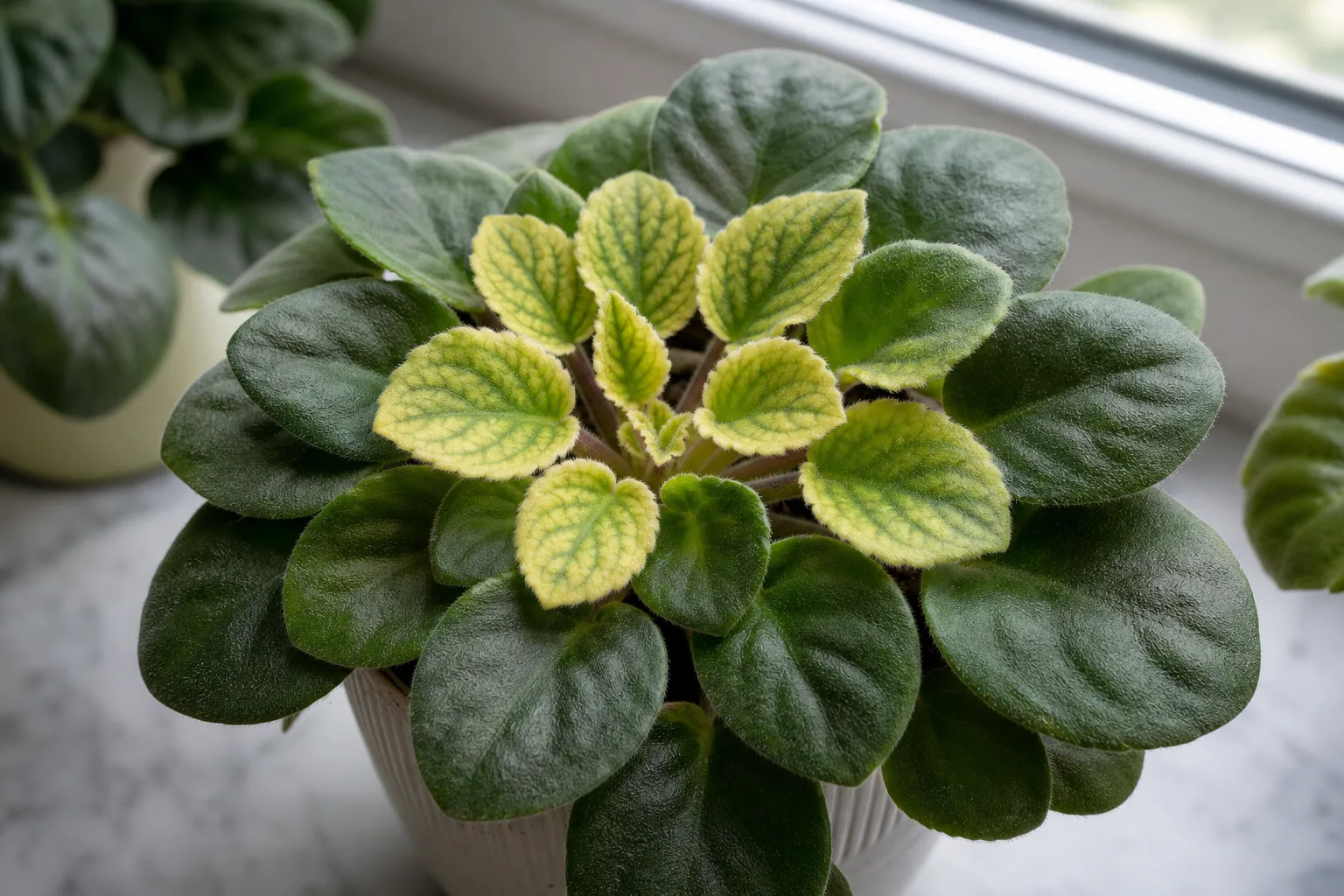
Iron Deficiency on Houseplants
Still unsure?Match your symptoms to the most likely problems in under a minute.Run diagnosis →Understand and fix iron deficiency
Iron deficiency is one of the clearest chlorosis patterns on indoor plants: the newest leaves fade yellow while the veins stay greener for a time. Because iron is not readily moved from old leaves into new ones, fresh growth shows the problem first. Gardenias and other acid-loving plants are especially known for this pattern, but any container plant with stressed roots or the wrong media chemistry can show it. The key question is whether iron is absent or simply unavailable. Recent fertilizing does not rule the problem out. High pH, salt buildup, or root injury can block uptake and make the plant look deficient even when some iron is present. That means the fix may be a pH or root-zone correction rather than more general fertilizer.
Overview
Iron deficiency is one of the clearest chlorosis patterns on indoor plants: the newest leaves fade yellow while the veins stay greener for a time. Because iron is not readily moved from old leaves into new ones, fresh growth shows the problem first. Gardenias and other acid-loving plants are especially known for this pattern, but any container plant with stressed roots or the wrong media chemistry can show it.
The key question is whether iron is absent or simply unavailable. Recent fertilizing does not rule the problem out. High pH, salt buildup, or root injury can block uptake and make the plant look deficient even when some iron is present. That means the fix may be a pH or root-zone correction rather than more general fertilizer.
How to identify it
- The youngest leaves or shoot tips turn pale yellow first.
- Veins stay greener than the tissue between them in early stages.
- Older leaves may remain darker green while the top of the plant fades.
- Growth often slows and new leaves can emerge smaller than normal.
- The plant may have been recently overwatered, allowed to stay too alkaline, or kept in old mix.
- Acid-loving plants are more prone to this pattern than many easy foliage plants.
When to worry
Take action when several new leaves in a row emerge chlorotic, the growing tip weakens, or the plant is an acid-lover already known to dislike high-pH media.
Common causes
High pH or alkaline irrigation
Iron becomes harder to absorb when the root zone is too alkaline for the plant.
Root stress
Damaged or waterlogged roots cannot take up iron efficiently, so new foliage chloroses even when nutrients are present.
Exhausted potting media
Long-used media may no longer supply balanced micronutrients or may hold them poorly.
Fast growth without support
A plant pushing fresh growth quickly can outpace its micronutrient supply if care and media are marginal.
Step-by-step fix
Confirm it starts on new leaves
Iron deficiency is mainly a top-growth problem. If old leaves yellow first, another nutrient pattern is more likely.
Correct root stress first
Resolve chronic wetness, compaction, or drought swings before trying to force the plant green with more fertilizer.
Refresh or acidify when appropriate
For acid-loving plants in tired or alkaline media, repotting or adjusting the root-zone chemistry may restore iron availability.
Use chelated iron when the pattern is clear
A chelated iron product can help when new leaves show classic green-vein chlorosis and general care is otherwise stable.
Monitor the next flush
Existing yellow leaves may stay pale. Recovery is measured by greener new leaves emerging after the root-zone correction.
Prevention tips
- Keep acid-loving plants in media and water conditions they tolerate well.
- Avoid chronic saturation that weakens iron uptake.
- Repot aging mix before chemistry and structure drift too far.
- Use balanced feeding instead of repeated high-nitrogen pushes.
Common mistakes
- Treating all yellowing as nitrogen shortage when only the top leaves are pale.
- Adding more general fertilizer instead of addressing pH or root function.
- Using Epsom salt for a problem that fits iron chlorosis, not magnesium shortage.
Maidenhair fern and African violet iron-deficiency images show contrasting leaf forms; visual similarity alone cannot confirm iron status.
Quick Diagnosis
Suspect iron chlorosis when the youngest expanded leaves turn yellow between veins while the veins remain greener and older foliage is initially less affected. The University of Maryland identifies interveinal yellowing on new growth as a classic iron-deficiency pattern. It is a useful clue, not proof: manganese problems, high-pH lockout, damaged roots, cold media and some pest or disease injuries can overlap.
First step: document leaf age and pattern, then inspect roots and review media pH, irrigation water and fertilizer history. Penn State notes that the most common cause of iron deficiency in managed growing systems is high pH in the medium or irrigation water. Adding iron without correcting the cause can give a short response or no response.
The maidenhair fern image below demonstrates the pattern on delicate pinnae; the African violet image shows a different leaf form. Their light, moisture and fertilizer needs are not interchangeable, and neither image confirms iron status.
What iron deficiency looks like on a houseplant
The signature pattern is yellow or whitish tissue between greener veins on the youngest expanded leaves. On broad leaves this can look like a green network; on fern pinnae it may appear as paler tissue between fine veins. Severe chlorosis can become nearly uniform, which makes visual diagnosis less reliable.
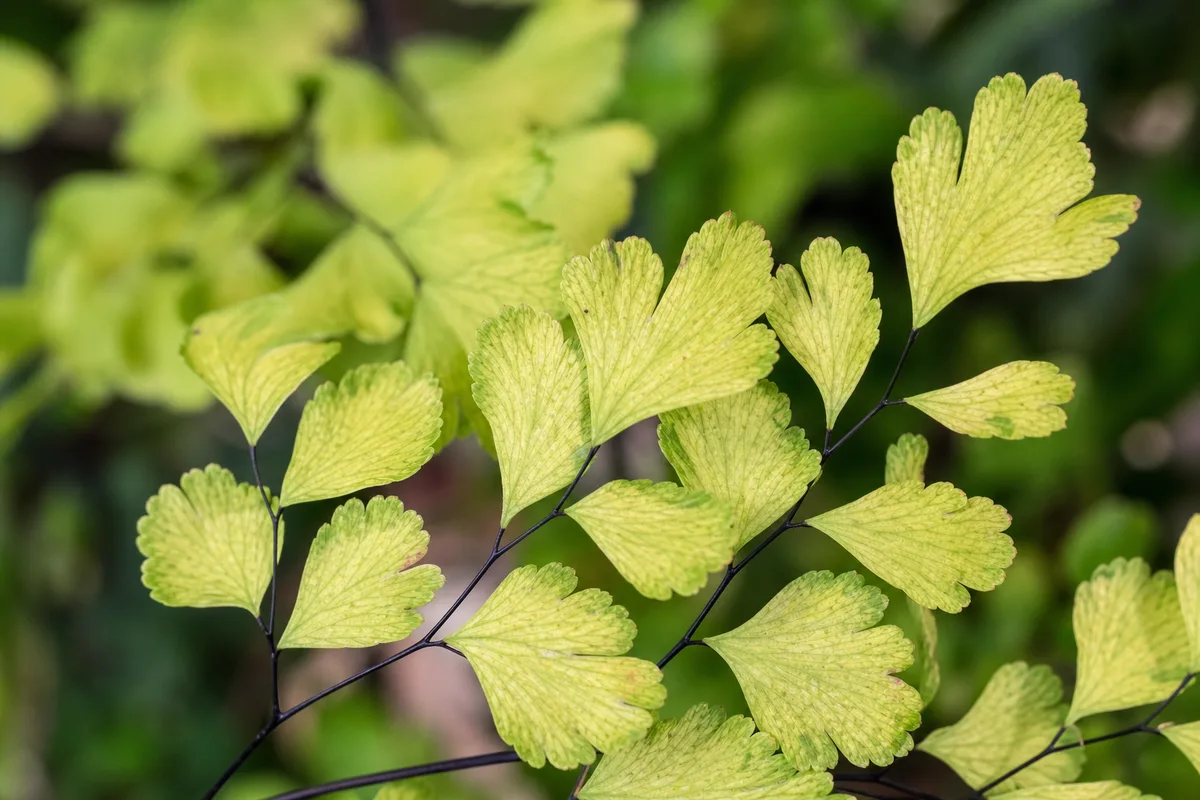
Representative maidenhair fern image. Use it to compare tissue age and vein pattern, not to transfer fern care to another species.
Common patterns:
- Youngest leaves show interveinal yellowing while older leaves remain greener
- Successive emerging leaves fail to reach the species’ normal color
- Growth slows or new leaves are smaller when the problem persists
- Severe cases become very pale and may develop necrotic patches, reducing the reliability of vein-pattern diagnosis
On Adiantum raddianum, fine translucent pinnae can make color changes conspicuous. Whole-frond yellowing with limp tissue and a saturated pot points more strongly toward root stress, while sharply exposed tan patches fit scorch. Other species express these lookalikes differently, so use the table as a branching aid rather than a universal visual key.
Compare with magnesium, nitrogen, sun, and overwatering
| Pattern you see | Most likely issue | Fast differentiator |
|---|---|---|
| Yellow between veins on youngest leaves; older foliage greener | Possible iron deficiency or lockout | New-growth interveinal pattern |
| Yellow between veins on older, lower foliage; new leaves relatively green | Magnesium deficiency | Opposite age pattern is a useful clue |
| Uniform fade on lowest fronds; no vein net | Nitrogen deficiency | Whole leaflet yellow, not striped |
| Whole frond bleach with brown crispy patches | Sunburn or too much light | Veins do not stay prominently green; sun-facing side worst |
| Limp yellow fronds, wet heavy soil, sour smell | Overwatering or root rot | Weak or absent interveinal pattern; mushy roots |
| Pale new growth after months of hard tap without repot | Soil too alkaline or nutrient lockout | Test pH before chelate; white rim crust |
Rule of thumb: interveinal yellow on new tissue directs the investigation toward iron, manganese, pH and roots. Interveinal yellow on older tissue points toward mobile nutrients such as magnesium. Uniform yellowing with a failing root zone requires root correction before micronutrients.
Why houseplants develop iron deficiency
Plants need iron to build chlorophyll in constantly renewing fronds. The problem is usually roots cannot absorb iron, not that the pot is empty of minerals.
High root-zone pH is a common cause because iron becomes less available as pH rises. The exact acceptable range depends on the crop and medium, so do not force every houseplant toward one target. Repeated use of high-alkalinity irrigation water can drive container chemistry upward; pH and alkalinity are related but not interchangeable measurements.
Old or degraded potting medium can lose physical structure and drift chemically, but age alone does not prove iron deficiency. Review roots, fertilizer, pH and salts before repotting; orchids in bark, African violets in fine mixes and semi-hydroponic plants require different sampling and replacement decisions.
An incomplete fertilizer program can cause low supply during active growth. Check whether the product actually includes micronutrients and whether it was used as labeled. Conversely, repeated strong fertilizer can injure roots and create an availability problem rather than curing one.
Over-fertilizing history can worsen the picture. Ferns are sensitive to salt buildup from heavy feeds. Brown tips and white crust on the rim often precede interveinal yellowing as pH and salt load shift - iron lockout follows chemistry problems, not just hunger. See fertilizer burn if recent heavy feeding preceded chlorosis.
Root damage limits uptake even when iron is present. Saturated, compacted, diseased, cold or severely dry roots may all fail to acquire nutrients. The pictured maidenhair fern normally needs more consistent moisture than a succulent, illustrating why “let the pot dry completely” and “keep it moist” cannot be generic prescriptions.
How to confirm the cause
Work through this inspection order before repotting guidance or stacking treatments:
- Leaf age and pattern - Yellow between veins on the newest expanded leaves supports iron trouble; iron deficiency starts on young terminal leaves. Uniform lower-leaf yellowing points elsewhere.
- Light exposure - Compare the damage distribution and placement with species-specific light guidance. Scorch follows exposure more often than veins, but severe stress can blur patterns.
- Soil moisture and roots - Firm pale roots with moist but draining mix fit deficiency. Mushy tan roots with sour odor and wet soil mean rot - hold all fertilizer and read root rot.
- Medium and salt evidence - White deposits, degraded structure or root-tip injury justify pH and electrical-conductivity testing; pot age alone is insufficient.
- Water source - Review irrigation pH and alkalinity where possible, especially if several plants using the same water show new-growth chlorosis.
- Feeding history - Record products, analyses, dilution and frequency. Both incomplete nutrition and excessive salts can lead to a compatible pattern.
If new leaves show interveinal chlorosis, roots are firm, environmental injury is unlikely and measured pH or the nutrition record supports reduced iron availability, iron deficiency is a strong working diagnosis. Tissue or media analysis is the better confirmation for valuable plants.
First fix for a houseplant
Correct the evidenced cause before selecting an iron product. If measured high pH is limiting availability, address the irrigation or medium chemistry using crop-appropriate guidance. If roots are damaged, repair the root zone. If supply is genuinely incomplete, use a chelated or complete fertilizer labeled for the plant and system at the label rate.
Do not assume every chelate works equally across all pH ranges. Select the product using the label and measured conditions, and avoid foliar application on sensitive leaves unless explicitly permitted. If soil smells sour or roots are soft, adding iron increases salt load without restoring root function.
Hold additional products while evaluating the response. Stacking repotting, acidification, flushing and fertilizer on the same day can injure the plant and obscures which change mattered.
Step-by-step recovery
- Identify the species and compare light, temperature and moisture with a reliable care reference.
- Confirm interveinal chlorosis on the youngest expanded leaves and photograph the pattern.
- Inspect roots and drainage; treat active rot before nutrient supply.
- Review fertilizer analysis, water source, medium age and recent changes.
- Measure pH appropriately or submit media and water when the plant or collection justifies testing.
- Correct one evidenced cause: root damage, high-pH inputs, excessive salts or incomplete nutrition.
- Mark the youngest leaf at treatment and compare growth formed afterward.
- Remove severely damaged tissue only after the plant stabilizes and where the species tolerates pruning.
Recovery timeline
A houseplant may show healthier color in its next active flush, but the calendar varies from fast-growing foliage plants to seasonal orchids and slow woody plants. Leaves already severely chlorotic or necrotic may not regain full color; judge success by tissue initiated after correction.
If new leaves stay pale after a measured correction:
- Re-test water hardness and soil pH - high pH above 7.0 keeps iron unavailable even when chelate was applied
- Consider whether manganese deficiency mimics iron at early stages - both tie to alkaline mix; see nutrient lockout
- Review roots, salts, irrigation alkalinity and product choice before repeating iron
- Escalate to laboratory testing or an extension service rather than blindly acidifying or repotting
Severe crown collapse with mostly mushy roots gives a poor prognosis unrelated to iron correction.
Lookalike symptoms
- Too much light - Exposed tissue bleaches or develops tan patches; compare with the species’ safe exposure.
- Overwatering and root rot - Uniform yellowing, wilt in wet medium, sour odor or soft roots; vein pattern may be weak.
- Magnesium deficiency - Older foliage yellows between veins while new growth stays relatively green.
- Nitrogen deficiency - Lower, older fronds fade uniformly; crown may stay green initially.
- Low humidity or desiccation - More often browns tips and margins than producing a clean interveinal pattern.
- Alkaline-media lockout - Can create the same new-growth chlorosis and requires input or medium correction, not repeated iron alone.
Causes to rule out
Rule out light injury, root dysfunction, pests and natural aging before treating iron. One or two aging lower leaves are not a micronutrient diagnosis.
What not to do
Do not apply fertilizer or iron to dry, waterlogged, rotting or newly disturbed roots. Do not use Epsom salt for iron deficiency; it contains magnesium and sulfur, not iron. Do not combine repotting, acidification, leaching and chelate on the same day. Do not assume every yellow leaf needs iron. Foliar and drench products must be labeled for the plant and use; sensitive foliage may be damaged by concentrated contact.
How to prevent iron deficiency next time
Use irrigation water, fertilizer and potting medium as one system. Test or review high-alkalinity water when chlorosis recurs, use a complete fertilizer at the label rate during active growth, and maintain drainage without imposing one repotting or flushing calendar on every species. Keep light, temperature and moisture within the identified plant’s range so roots remain functional.
When to worry
Escalate when every emerging leaf opens chlorotic while growth stalls, roots decline, several plants using the same inputs are affected, or symptoms worsen after treatment. A stable mild pattern allows time for measurement and one conservative correction.
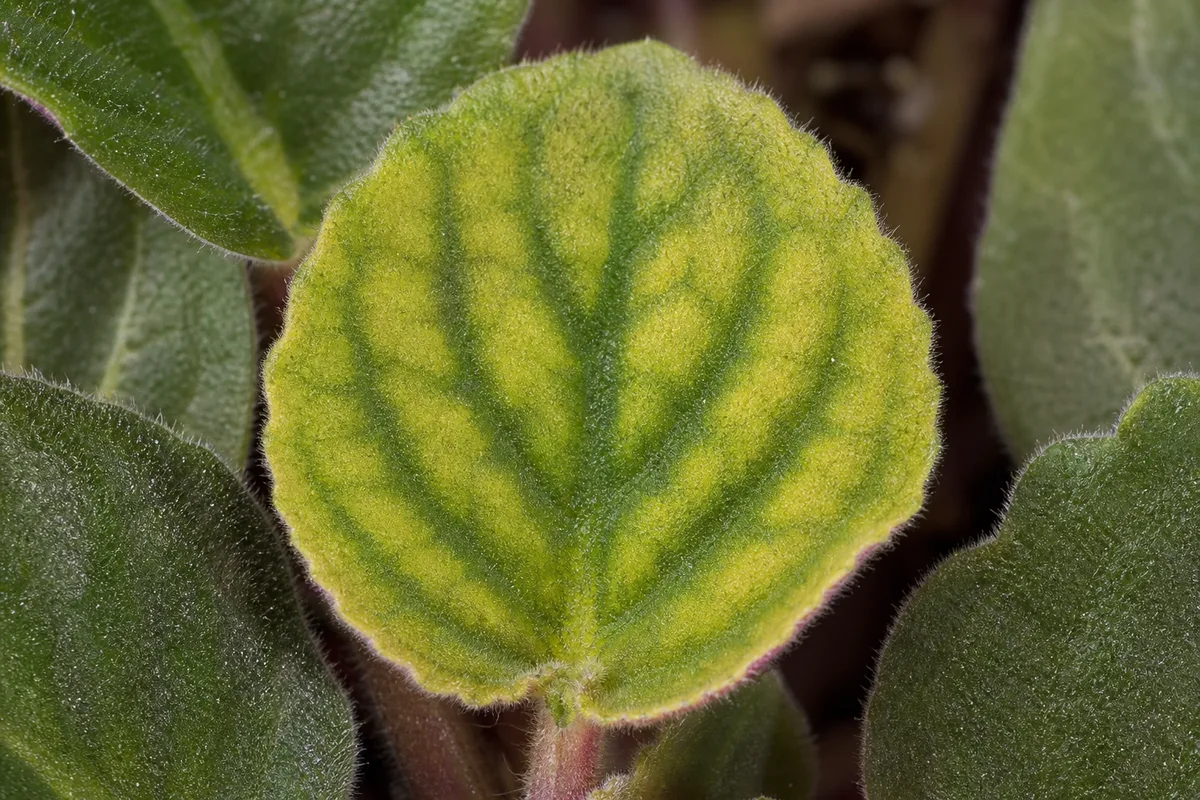
Iron is essential to chloroplast function and photosynthesis even though it is needed in small amounts. A peer-reviewed review indexed by the U.S. Department of Energy explains that iron participates in electron transport and chlorophyll formation and that deficiency promotes chlorosis, or leaf yellowing. The visible pattern reflects lost chlorophyll, not a direct measurement of iron in the pot.
Because iron is poorly mobile within many plants, deficiency usually appears on the youngest expanded leaves first. Early interveinal chlorosis leaves veins greener than the tissue between them; severe cases can become nearly uniform yellow or white and may develop necrosis. The University of Maryland Extension identifies yellowing between green veins on new growth as a classic iron-deficiency pattern.
High root-zone pH is a common reason iron becomes unavailable even when total iron is present. Utah State University Extension explains that high-pH soil can reduce micronutrient availability and cause iron chlorosis. Container media can also drift as irrigation water, fertilizer, decomposition, and accumulated salts change its chemistry.
Root dysfunction creates a similar outcome. Saturated, compacted, cold, diseased, or severely dry roots may fail to acquire nutrients. If the pot stays wet, smells sour, or contains soft roots, repair drainage and root health before adding iron. Fertilizer cannot compensate for tissue that is no longer functioning.
Leaf age separates some lookalikes. Nitrogen or magnesium problems more often begin on older leaves because those nutrients can be redistributed, whereas iron more often affects new growth. This distinction is useful but imperfect: species vary, advanced deficiencies blur their patterns, and several stresses can occur together. Missouri Extension recommends using symptom location and pattern as part of diagnosis rather than relying on color alone.
Measure before making aggressive chemical changes. Use a calibrated pH method suitable for container media or submit a sample to a laboratory. A cheap probe pushed into a dry pot is not equivalent to a standardized extraction. Also review the irrigation-water source, fertilizer label, repotting history, and whether multiple plants using the same water show the same new-growth pattern.
Separate three questions that are often collapsed into one. First, is the symptom pattern genuinely compatible with iron chlorosis? Second, is iron absent from the nutrition program, or present but unavailable? Third, what condition made it unavailable? A fertilizer label can answer part of the supply question, while a media test, irrigation-water analysis and root inspection address availability. None of those checks is replaced by leaf color alone.
Collection patterns can make the investigation more efficient. If only one plant is affected, its roots, potting medium, pest exposure or species sensitivity deserve priority. If several unrelated plants using the same water develop pale new growth at the same time, shared irrigation or fertilizer becomes more plausible. If only acid-preferring plants respond, root-zone pH deserves attention, but that still requires measurement before acidification.
Keep the sampling sequence clean. Collect media or water before leaching, repotting or adding chelate when formal analysis is planned. Photograph both the youngest symptomatic leaf and an older comparison leaf in neutral light. Record the fertilizer product and dilution exactly rather than writing “fed normally.” These details allow an extension specialist or laboratory to distinguish low supply, excessive salinity, unsuitable pH and root damage with far more confidence.
Chelated iron can help when the pattern fits and pH or supply is the limiting factor. Select a product labeled for the plant and growing system, follow its directions, and do not exceed the rate in an attempt to green leaves faster. Different chelates remain available across different pH ranges, so the product and root-zone conditions must match.
Do not use Epsom salt for iron chlorosis; it supplies magnesium and sulfur, not iron. Do not acidify a pot with vinegar or coffee grounds by guesswork. A rapid pH swing can damage roots, and repeated amendment without measurement can exchange one imbalance for another.
Existing chlorotic leaves may regain some color if corrected early, but severely pale or necrotic tissue may not recover. Mark the youngest leaf at treatment and evaluate leaves formed afterward. Greener new growth, stable roots, and resumed expansion are the most reliable household signs that the underlying limitation has improved.
If several plants develop the same pattern, look for a shared input: irrigation water, fertilizer concentrate, potting-mix batch, cold root-zone exposure, or a recent change in treatment. A collection-level pattern is often more informative than repeatedly diagnosing each pot as an isolated iron shortage.
Where diagnosis matters enough to justify cost, submit water and media samples before changing several variables. Record pH, electrical conductivity, alkalinity when available, fertilizer composition, dilution, and symptom position. These measurements help distinguish low supply from high-pH lockout, salt injury, or root dysfunction.
Why Iron Can Be Present but Unavailable
Total iron and plant-available iron are different. High pH, competing ions, salt stress, and impaired roots can block uptake even when fertilizer contains iron.
Match the chelate to the root-zone conditions
Chelated products differ in stability. Use the crop label and measured pH rather than selecting a product solely because it says “iron.”
A Measurement-First Correction Plan
Confirm leaf age and pattern, inspect roots, review water and feeding, measure pH appropriately, then correct the limiting factor. This avoids blind supplementation.
What to Monitor After Treatment
Compare leaves formed after correction, not old scars. Also monitor root firmness, pot drying, and whether chlorosis appears on other plants using the same water.
Document Changes Across the Collection
Record which plants are affected, their potting mixes, water sources, and dates of new chlorosis. Shared timing can reveal an irrigation, fertilizer, temperature, or media issue that a single-pot inspection misses. Keep one stable comparison where practical, and avoid treating every plant before the suspected shared input is checked.
Do not expect all species in a mixed collection to respond identically. Acid-loving plants may show availability problems before tolerant neighbors, while plants with damaged roots may decline even when the shared water and fertilizer are suitable. Collection patterns narrow the investigation, but each pot still needs a root and moisture check.
Review the record after each new leaf or frond expands. If later growth is greener while the old chlorosis remains unchanged, the correction may be working. If new tissue becomes paler, stop repeating supplements and return to root, pH, salinity, and irrigation-water evidence before taking another action.
Interpret the response without overtreating
Create a reference point before correcting anything. Photograph the youngest expanded leaf beside an older leaf, mark the date, and record root-zone moisture, fertilizer composition, irrigation source, and any pH result. Neutral lighting matters because warm indoor bulbs can exaggerate yellowing. If the plant is valuable enough for laboratory testing, collect the recommended medium and water samples before leaching, repotting, acidifying, or adding chelated iron.
Address root dysfunction first. Persistently saturated mix, a sour odor, soft roots, or a cold root zone can restrict uptake even when iron is present. Restore drainage and species-appropriate conditions, then wait for new growth rather than applying iron to failing roots. Where roots are firm and a standardized test identifies unsuitable pH, adjust the growing system cautiously with products labeled for the crop. Household acids such as vinegar do not provide a stable or measurable correction.
When an iron product is justified, the label, formulation, and root-zone pH all matter. More is not faster: excessive micronutrient application or an abrupt chemistry change can injure roots and obscure the original pattern. Use one conservative intervention, retain the product record, and avoid adding a general fertilizer, Epsom salt, and chelate together. The University of Maryland Extension’s guide to nutrient deficiency in indoor plants identifies new-growth interveinal chlorosis as a useful clue, but the leaf still does not measure the medium.
Judge the result at the growing point. A newly emerging leaf that expands greener than the marked reference supports improvement, although severely chlorotic old leaves may remain pale or become necrotic. No change after a species-appropriate growth interval is a reason to revisit the diagnosis, not automatically to repeat the dose. Examine young tissue for pests, compare older-leaf patterns associated with nitrogen or magnesium, and reassess salts and roots.
A shared pattern across several plants can strengthen the case for a common water, fertilizer, or potting-mix issue. A single affected plant instead raises the priority of its roots, species sensitivity, and individual history. Where repeated chlorosis affects an important collection, ask a diagnostic laboratory to interpret pH, electrical conductivity, alkalinity, and nutrient results together. This measured follow-up separates true low supply from high-pH unavailability and prevents a cycle in which every pale leaf receives another unverified treatment.
Conclusion
Iron deficiency should remain a pattern-based hypothesis until young leaves show interveinal chlorosis and competing causes such as wet roots, unsuitable pH, and general fertilizer imbalance have been checked. Restore root function and verify the root-zone pH before choosing an iron product; adding more iron cannot solve uptake failure caused by damaged roots or incompatible chemistry. Track the next flush of growth for greener tissue, and use a laboratory substrate or tissue analysis when chlorosis persists or commercial-value plants justify a precise correction.
Plants commonly affected
These houseplants often struggle with iron deficiency. Open a care guide or plant-specific troubleshooting page for tailored fixes.
 Medium
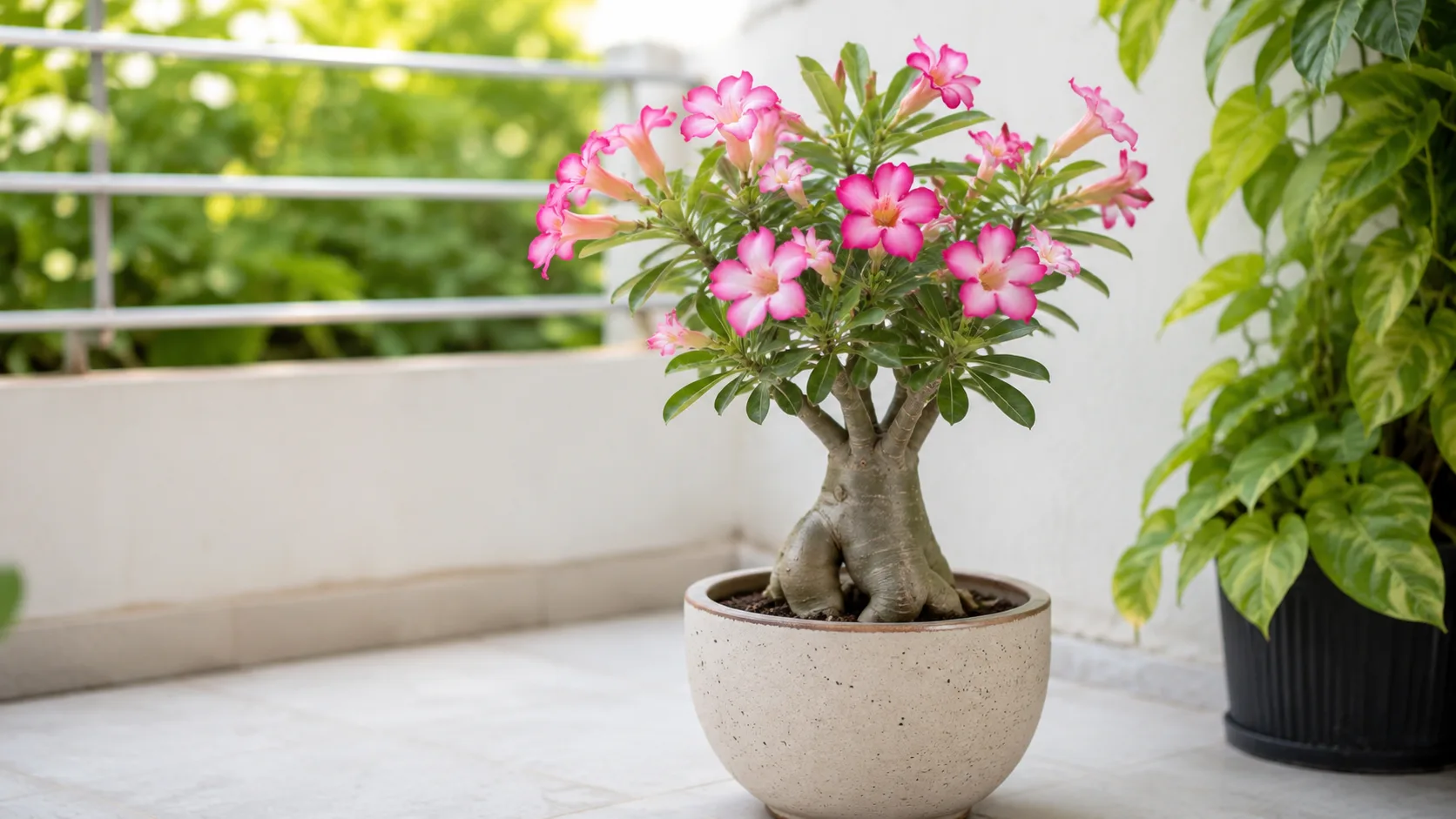
Adenium
Likely causeCommon iron deficiency pattern on Adenium under indoor care stress.
Quick fixInspect roots, watering, light, and pests; adjust one variable and monitor new growth.
 Medium
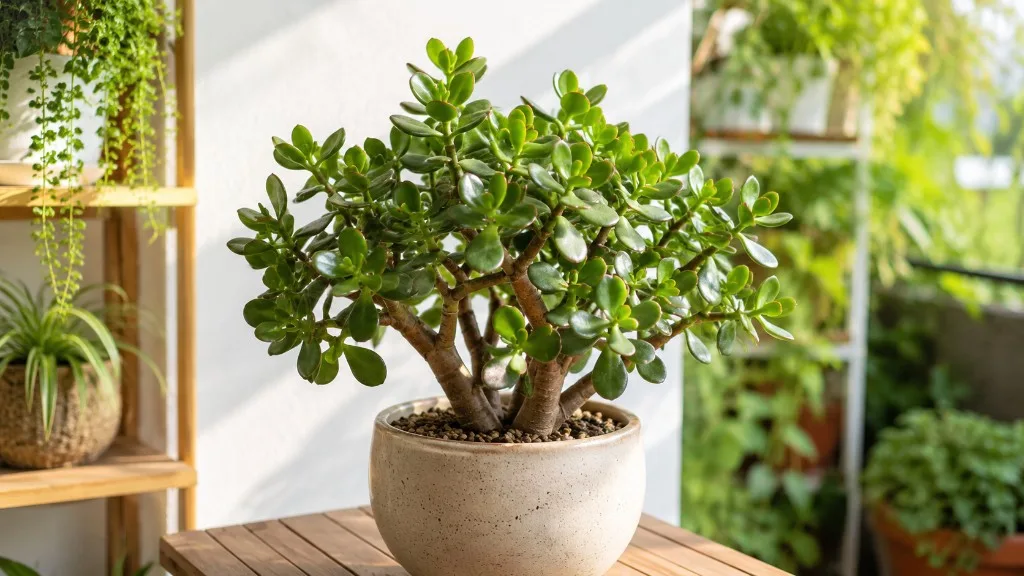
African Milk Tree
Likely causeCommon iron deficiency pattern on African Milk Tree under indoor care stress.
Quick fixInspect roots, watering, light, and pests; adjust one variable and monitor new growth.
 Medium
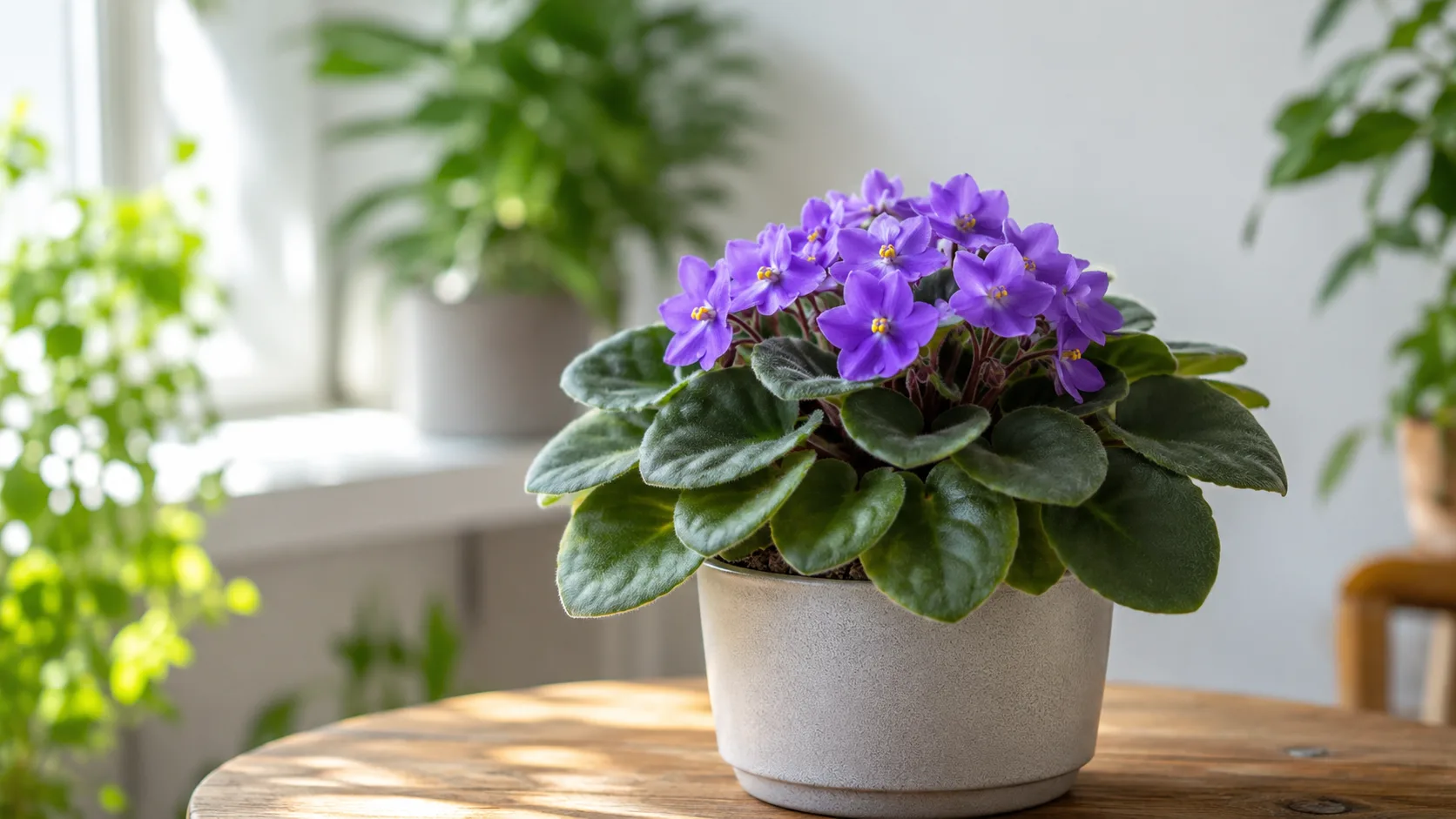
African Violet
Likely causeIron Deficiency on African Violet: Iron Deficiency Description Iron Deficiency is a condition which describes an African Violet that is not getting enough iron (Fe). While considered a micronutrient, iron is essential to the growth and
Quick fixInspect African Violet, confirm iron deficiency matches your symptoms, then adjust care or treat per authoritative guides.
 Medium
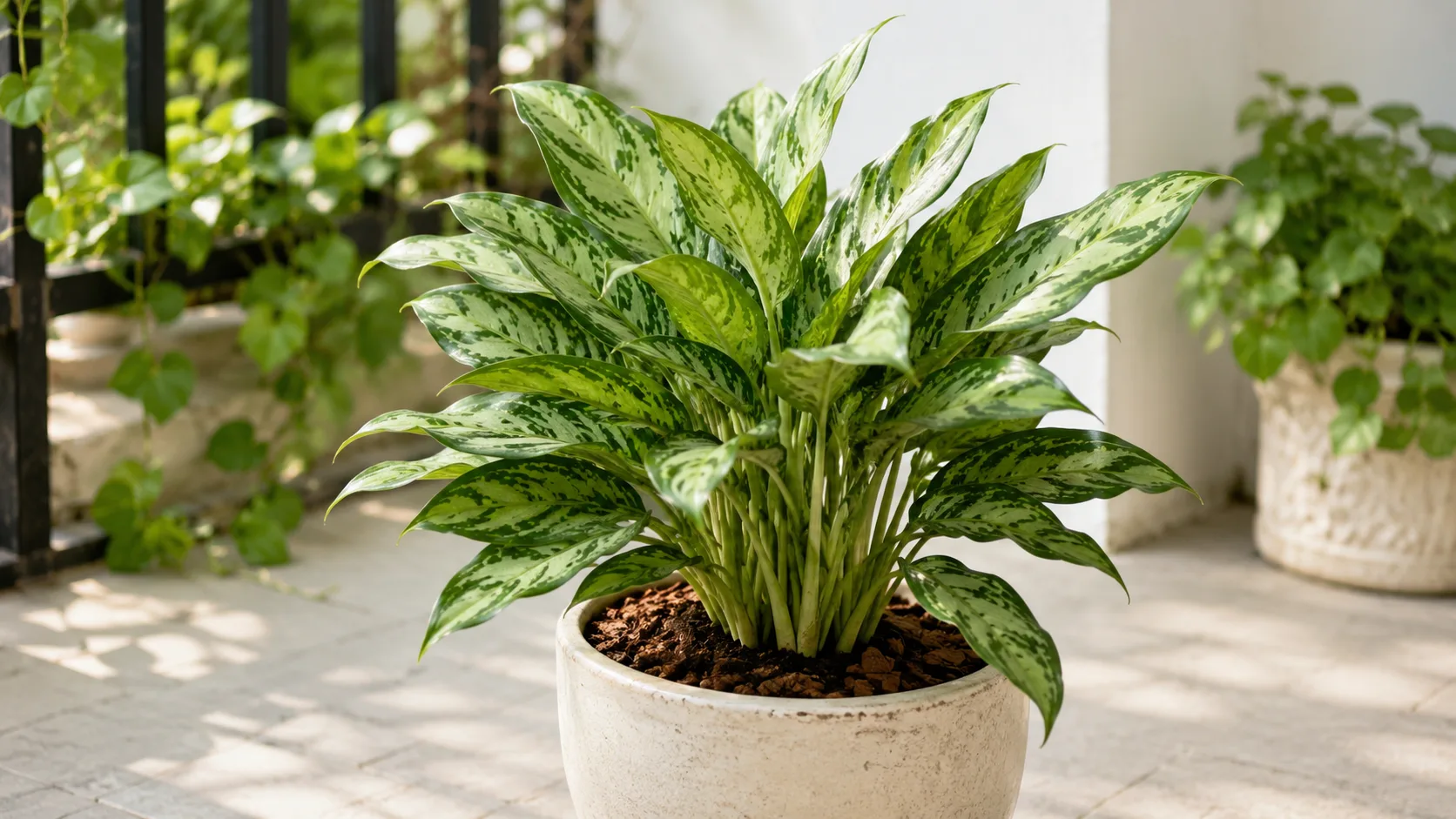
Aglaonema
Likely causeCommon iron deficiency pattern on Aglaonema under indoor care stress.
Quick fixInspect roots, watering, light, and pests; adjust one variable and monitor new growth.
 Medium
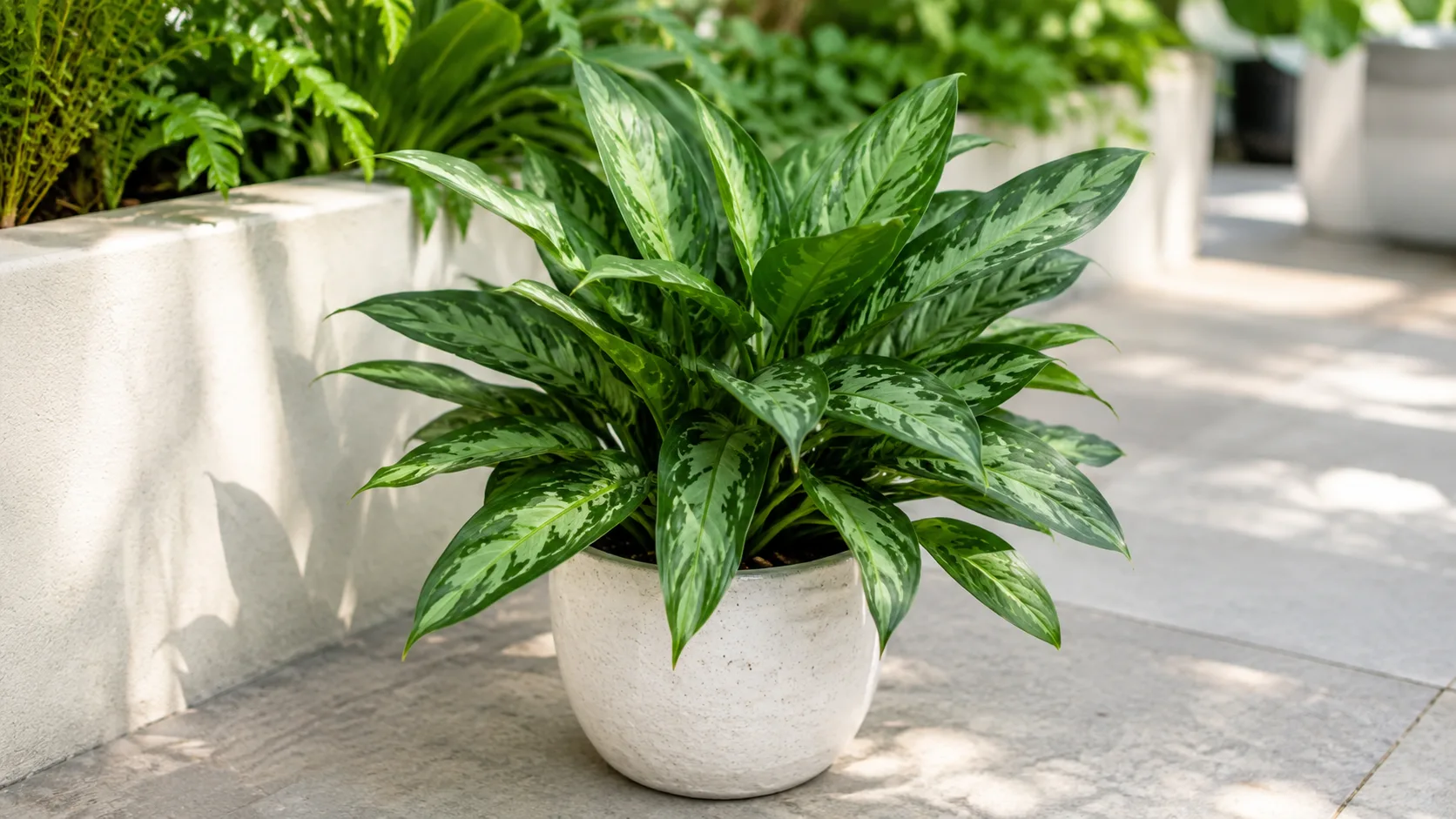
Aglaonema Cutlass
Likely causeCommon iron deficiency pattern on Aglaonema Cutlass under indoor care stress.
Quick fixInspect roots, watering, light, and pests; adjust one variable and monitor new growth.
- Medium
Aglaonema Lady Valentine
Likely causeCommon iron deficiency pattern on Aglaonema Lady Valentine under indoor care stress.
Quick fixInspect roots, watering, light, and pests; adjust one variable and monitor new growth.
- Medium
Aglaonema Maria
Likely causeCommon iron deficiency pattern on Aglaonema Maria under indoor care stress.
Quick fixInspect roots, watering, light, and pests; adjust one variable and monitor new growth.
- Medium
Aglaonema Pictum Tricolor
Likely causeCommon iron deficiency pattern on Aglaonema Pictum Tricolor under indoor care stress.
Quick fixInspect roots, watering, light, and pests; adjust one variable and monitor new growth.
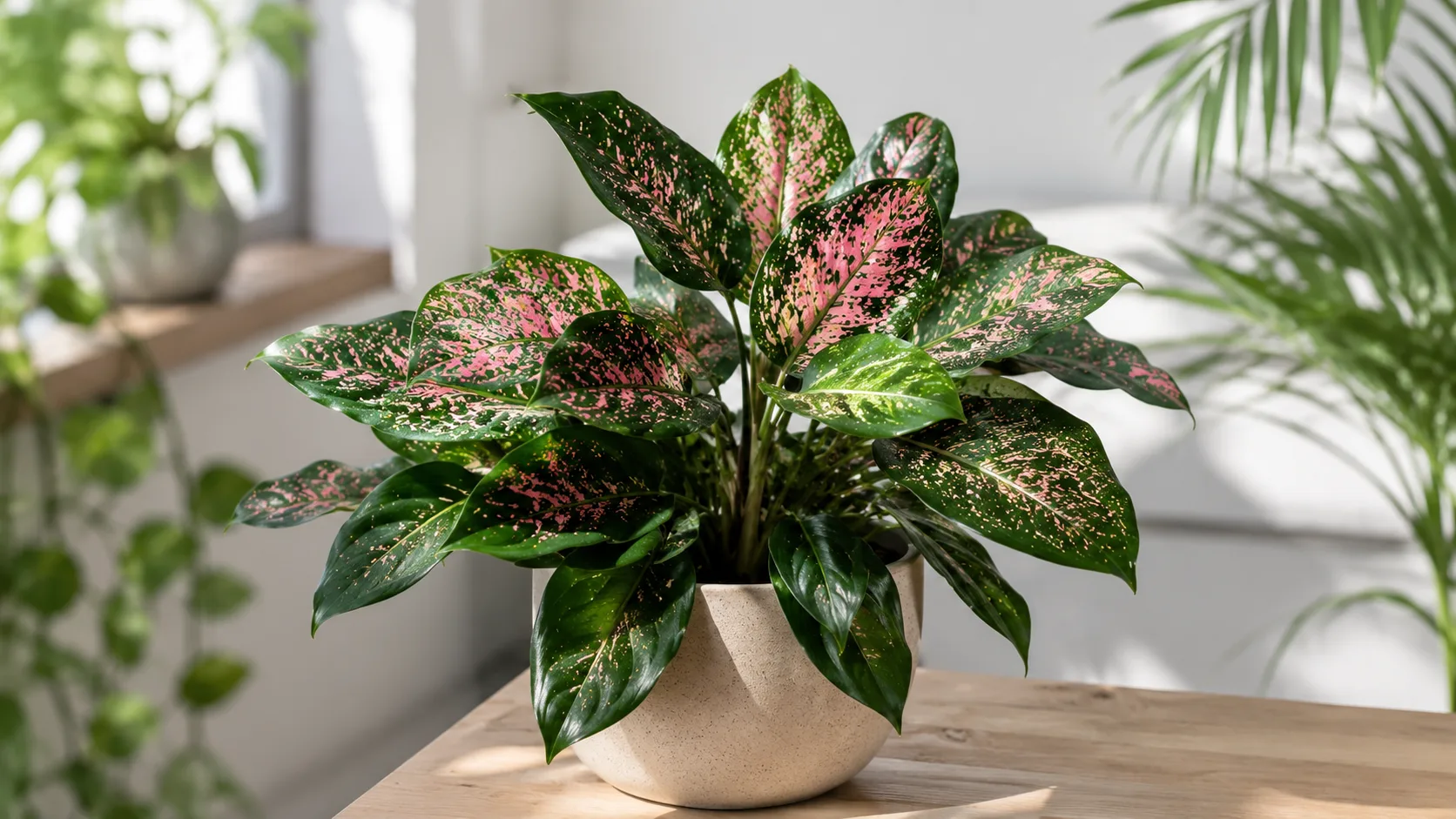 Medium
Aglaonema Pink Dalmatian
Likely causeCommon iron deficiency pattern on Aglaonema Pink Dalmatian under indoor care stress.
Quick fixInspect roots, watering, light, and pests; adjust one variable and monitor new growth.
- Medium
Aglaonema Red Siam
Likely causeCommon iron deficiency pattern on Aglaonema Red Siam under indoor care stress.
Quick fixInspect roots, watering, light, and pests; adjust one variable and monitor new growth.
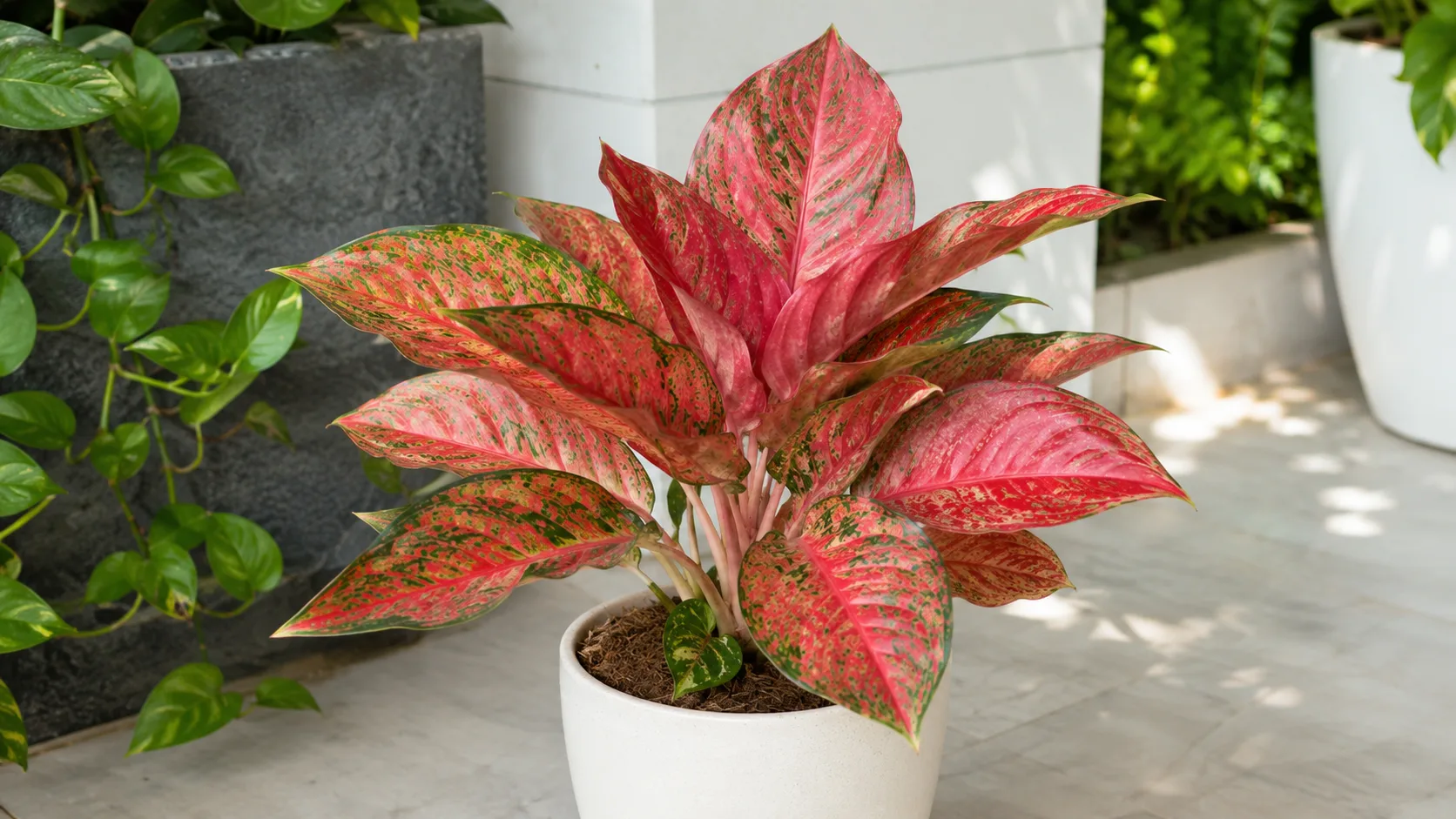 Medium
Aglaonema Red Valentine
Likely causeCommon iron deficiency pattern on Aglaonema Red Valentine under indoor care stress.
Quick fixInspect roots, watering, light, and pests; adjust one variable and monitor new growth.
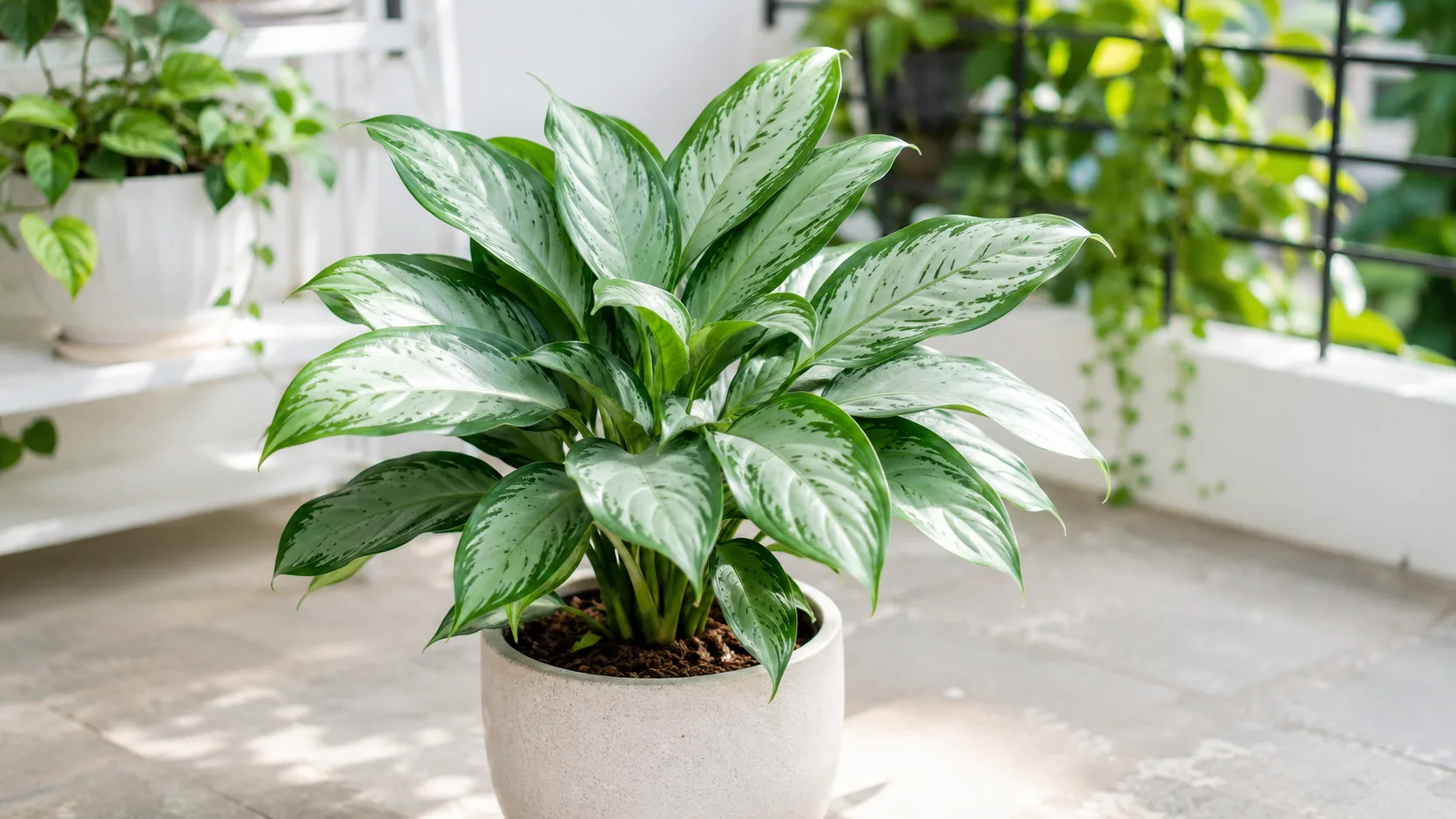 Medium
Aglaonema Silver Bay
Likely causeCommon iron deficiency pattern on Aglaonema Silver Bay under indoor care stress.
Quick fixInspect roots, watering, light, and pests; adjust one variable and monitor new growth.