Magnesium Deficiency in Houseplants: Signs and Fixes
Magnesium deficiency usually shows on older leaves first because magnesium is mobile inside the plant. When supply runs short, the plant can pull magnesium out of mature leaves to support newer growth, leaving the older foliage with yellowing between still-greener veins. That pattern is easy to confuse with general aging unless you look closely at where the discoloration starts and how it spreads. True magnesium shortage can happen in long-used containers, heavily leached media, or plants that have been fed inconsistently. But root stress and chemical imbalance can also mimic it. The goal is to confirm the classic older-leaf interveinal chlorosis pattern before reaching for Epsom salt or any other targeted supplement.
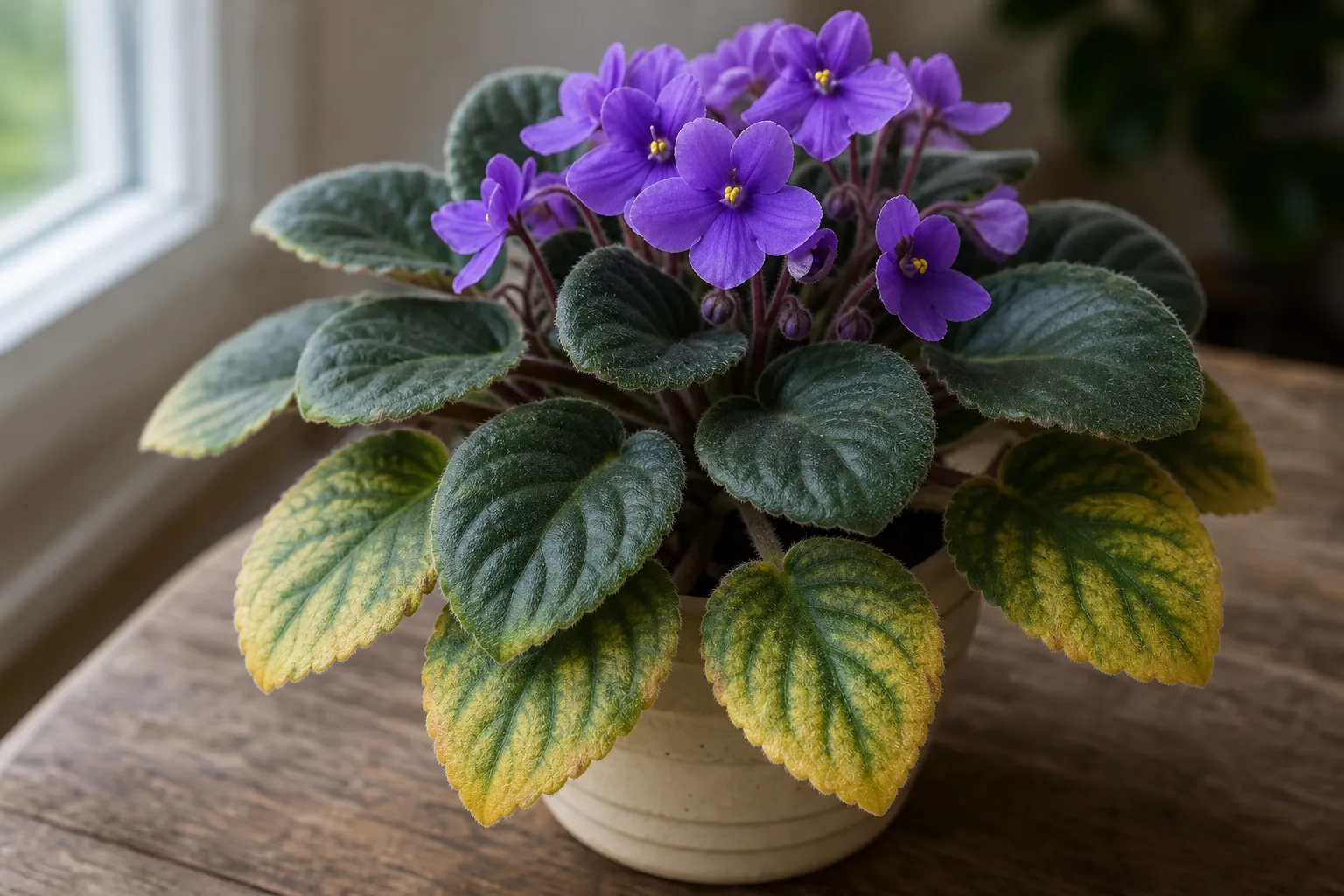
Magnesium Deficiency on Houseplants
Still unsure?Match your symptoms to the most likely problems in under a minute.Run diagnosis →Understand and fix magnesium deficiency
Magnesium deficiency usually shows on older leaves first because magnesium is mobile inside the plant. When supply runs short, the plant can pull magnesium out of mature leaves to support newer growth, leaving the older foliage with yellowing between still-greener veins. That pattern is easy to confuse with general aging unless you look closely at where the discoloration starts and how it spreads. True magnesium shortage can happen in long-used containers, heavily leached media, or plants that have been fed inconsistently. But root stress and chemical imbalance can also mimic it. The goal is to confirm the classic older-leaf interveinal chlorosis pattern before reaching for Epsom salt or any other targeted supplement.
Overview
Magnesium deficiency usually shows on older leaves first because magnesium is mobile inside the plant. When supply runs short, the plant can pull magnesium out of mature leaves to support newer growth, leaving the older foliage with yellowing between still-greener veins. That pattern is easy to confuse with general aging unless you look closely at where the discoloration starts and how it spreads.
True magnesium shortage can happen in long-used containers, heavily leached media, or plants that have been fed inconsistently. But root stress and chemical imbalance can also mimic it. The goal is to confirm the classic older-leaf interveinal chlorosis pattern before reaching for Epsom salt or any other targeted supplement.
How to identify it
- Older or lower leaves yellow between veins while the veins stay somewhat greener.
- Newest leaves often stay less affected early on.
- Discoloration can spread from the leaf edge or between veins before full yellowing.
- Growth may slow if the shortage continues.
- The plant may be in old mix or on a long stretch of weak fertilization.
- Symptoms can overlap with root stress, so moisture and drainage still need checking.
When to worry
Take action when interveinal chlorosis keeps climbing through the older foliage, growth stalls, or several lower leaves fade rapidly despite otherwise decent care.
Common causes
Nutrients leached from old media
Repeated watering over time can wash available magnesium out of container mix.
Incomplete fertilizing during active growth
Plants using nutrients steadily can run short if feeding has been skipped for a long period.
Root-zone chemistry issues
Wrong pH or salt stress can reduce magnesium uptake even when the pot contains some.
Root stress
Weak roots cannot absorb magnesium efficiently, so deficiency-like chlorosis can appear on aging leaves.
Step-by-step fix
Verify that older leaves are affected first
Magnesium is a mobile nutrient, so lower or older foliage should show the clearest early pattern.
Check whether salts or root stress are interfering
If the plant has been overfed or roots are compromised, solve that first so the nutrient can actually move into the plant.
Repot or feed if the medium is tired
Fresh mix or a balanced fertilizer program often corrects mild magnesium shortage in long-neglected containers.
Use magnesium only when the symptom pattern fits
Epsom salt or another magnesium source can help, but only when interveinal yellowing on older leaves truly points in that direction.
Monitor the next few leaves
Existing chlorosis may not reverse fully. Improvement means the spread slows and newer foliage stays greener.
Prevention tips
- Refresh containers before the medium becomes nutritionally exhausted.
- Fertilize lightly but consistently during active growth.
- Prevent chronic root stress from saturation or prolonged drought.
- Avoid guessing with single nutrients unless the leaf pattern supports them.
Common mistakes
- Treating every older yellow leaf as normal aging.
- Adding magnesium to a plant that actually has wet roots or iron chlorosis.
- Expecting one supplement to fix a badly degraded potting mix.
Magnesium deficiency has a recognizable pattern, but it does not have a uniquely recognizable photograph. The useful clue is yellowing between the veins of older leaves while the veins remain greener. That pattern raises magnesium on the shortlist; it does not prove that the pot lacks magnesium. Damaged roots, accumulated salts, an unsuitable root-zone pH, or competition among supplied nutrients can create an availability problem even when magnesium is present.
Treat this page as a decision guide for container-grown houseplants. Its purpose is to help you decide whether to observe, correct the root environment, resume a complete fertilizer, or seek a test—not to prescribe Epsom salt from leaf color. The cited extension sources describe general plant-nutrition and container principles; species-specific care, the fertilizer label, and a validated water or substrate analysis take priority when they conflict with a general rule.
Quick diagnosis
Use this 60-second screen before reaching for a supplement:
- Map the yellowing. Magnesium becomes more plausible when several older leaves show a repeated interveinal pattern. Uniform paling, isolated spots, or damage confined to the newest leaves points elsewhere.
- Check current growth. Compare mature leaves with the two newest leaves or shoots. A mobile-nutrient pattern normally has an age gradient, although mixed stresses can blur it.
- Audit the nutrient inputs. Read the guaranteed analysis on the fertilizer and the potting-mix label. Determine whether magnesium is supplied at all and whether a starter or controlled-release charge is already present.
- Check roots and drainage. A plant cannot use a correct nutrient program through badly injured roots. Persistently wet, sour-smelling media or soft roots changes the first action.
- Look for salt evidence. Crust, a recent strong feed, overlapping products, or an elevated EC result argues against blindly adding magnesium.
Pause unverified supplements while collecting this evidence. The University of Maryland explains that mineral and fertilizer deposits can contribute to tissue burn, altered medium chemistry, and impaired uptake. A yellow leaf after repeated feeding is not automatically a sign that the plant needs still more.
What magnesium deficiency looks like
The most compatible pattern is interveinal yellowing that begins on older or lower leaves while the veins remain relatively greener. Look for repetition across more than one leaf and relate it to growth stage. A single torn, sunburned, chilled, or aging leaf is weak evidence.
Representative image only. Compare leaf age, distribution, and tissue texture; do not diagnose from color alone.
Useful observations include:
- whether yellowing is uniform or between veins;
- whether margins are dry and crisp or soft and water-soaked;
- whether the newest leaf is expanding normally;
- whether damage faces a window, vent, lamp, or spray path;
- whether several plants receiving the same water or fertilizer changed together;
- whether the pot stays wet much longer than it once did;
- whether white or tan deposits occur on the mix, rim, or drainage opening.
Magnesium is part of the chlorophyll molecule and is relatively mobile in plants. When supply or uptake is inadequate, a plant can redistribute magnesium from older foliage toward actively growing tissue, which is why the classic pattern starts low or old rather than at the newest leaf. Penn State’s plant-nutrition overview emphasizes that nutrient symptoms must be interpreted with nutrient function, mobility, moisture, pH, and balance rather than treated as isolated color codes (plant nutrition principles).
Why the symptom pattern matters
Magnesium is mobile enough that a plant can redistribute it from older tissue toward developing tissue. That is why the age of the first affected leaf matters as much as the shade of yellow. A repeated older-leaf pattern is more compatible with magnesium shortage than chlorosis limited to the newest leaves. Penn State’s overview of essential nutrient function and deficiency also stresses that mobility, pH, moisture, and nutrient balance must be interpreted together.
Pattern also separates magnesium from its closest lookalikes. Nitrogen shortage more often causes broad, relatively even paling of older leaves. Iron-related chlorosis is usually first conspicuous on younger leaves. Salt injury commonly produces dry tips or margins and may arrive with wilting or root-tip damage. These are tendencies, not diagnostic laws. A severely compromised root system can produce several patterns at once.
Read old leaves and new leaves separately
On the three oldest living leaves, note whether yellowing fills the areas between veins, whether the veins remain green, and whether the margins are also scorched. Then repeat the same check on the three newest leaves. Photograph both groups under the same lighting. The question is not “Does any leaf look chlorotic?” but “Is there a consistent age-linked distribution?”
If new leaves are the palest or most distorted tissue, move iron availability, root injury, pests, or another developing-tissue disorder higher on the list. If every leaf is broadly pale and growth is weak, compare nitrogen supply, light, and root condition. If only one lowest leaf is fading while the plant grows normally, observe for normal senescence before treating.
Use the timeline, not one photograph
Reconstruct enough history to test the magnesium hypothesis. Record the last fertilizer that supplied magnesium, any use of calcium-only or potassium-heavy supplements, the age of the potting mix, and whether irrigation water or pH correction changed. Note when the first older leaf changed relative to each event.
Follow the same marked leaves weekly, but judge the intervention mainly from tissue that develops afterward. Existing chlorosis may persist. A useful recovery signal is that the age-linked spread stops and subsequent leaves expand with a more typical color. A useful failure signal is continued progression despite healthy roots and a verified complete nutrient program; that is when testing becomes more valuable than another supplement.
Check roots before nutrients
Root inspection comes before supplementation because roots must absorb water and ions. Slide out the root ball only if the plant tolerates handling and evidence warrants disturbance. Otherwise inspect through drainage holes, smell the medium, feel moisture at depth with a clean skewer or finger where safe, and compare pot weight after watering and as it dries.
Chronic saturation can reduce oxygen around roots and encourage decay. Severe drought can kill fine absorbing roots. Compacted or decomposed media can create wet and dry pockets. A root-bound plant may shed water down the sides without wetting the center. Each condition can produce deficiency-like leaves while making extra fertilizer ineffective or harmful.
If roots are soft, sloughing, hollow, or sour-smelling, correct root health and drainage first. Remove only dead tissue with clean tools; retain firm roots. Choose fresh media appropriate for the species rather than automatically moving to a much larger pot. A large volume of wet mix around a small recovering root system can prolong stress.
Test pH and soluble salts responsibly
pH influences nutrient availability, but there is no single ideal value for every houseplant or every medium. Water alkalinity, fertilizer form, lime content, decomposition, and irrigation practice all affect root-zone pH over time. A cheap probe pushed into dry bark or peat is not equivalent to a validated container-media test.
Electrical conductivity (EC) estimates the concentration of dissolved ions; it does not identify which ions are present. Rutgers explains that damaging soluble-salt levels vary with species and culture, and recommends systematic monitoring rather than symptom-only diagnosis (soluble-salt monitoring). Use the extraction method and interpretation range supplied by the laboratory or extension protocol.
For one inexpensive plant, careful history and staged correction may be enough. For a valuable collection, repeated crop loss, or several affected pots sharing the same inputs, send irrigation water and representative medium samples to a horticultural laboratory or extension service. Test before major amendments when possible.
Rule out the closest lookalikes
Compare magnesium deficiency with:
- Normal senescence: one or two oldest leaves fade slowly while growth and roots remain healthy.
- Low light: growth slows, internodes may lengthen, and media remains wet longer; color changes are not necessarily nutrient-specific.
- Overwatering or root disease: yellowing accompanies persistently wet medium, weak roots, soft tissue, or odor.
- Underwatering: leaves lose turgor and margins may crisp; a hydrophobic root ball can stay dry even after superficial watering.
- Pests: mites, thrips, scale, or mealybugs may produce stippling, silvering, distortion, honeydew, webbing, insects, or cast skins.
- Temperature or chemical injury: damage follows exposure and may be concentrated on the exposed side or newest tissue.
Inspect both leaf surfaces under bright light and magnification. Isolate a plant if pests are plausible. Do not spray “just in case”: soaps, oils, and pesticides can injure stressed foliage and obscure the original pattern.
Evidence-to-action comparison
| Evidence | Leading explanation | Lowest-risk next action |
|---|---|---|
| Interveinal chlorosis on several older leaves; healthy roots; fertilizer supplies no magnesium | Possible magnesium shortage | Prefer a labeled complete program containing magnesium |
| Similar pattern after repeated magnesium or multi-product feeding; crust present | Excess salts or imbalance | Stop supplements; assess EC, leaching, or repotting |
| Older-leaf pattern persists despite magnesium in the program; reliable pH is unsuitable | Availability problem | Verify sampling and correct root-zone chemistry gradually |
| Wet, sour medium; soft roots | Root dysfunction | Restore drainage and root health before nutrients |
| Newest leaves are most chlorotic | Iron availability or developing-tissue disorder is more likely | Recheck roots, pH, and species-specific diagnosis |
| One lowest leaf fades evenly; new growth is normal | Senescence or old injury | Observe; avoid unnecessary magnesium |
This table organizes evidence; it does not replace species-specific care. Washington State University notes that fertilizer burn can begin with wilting and slowed growth and that containers are especially susceptible because high salts reduce water availability (fertilizer-burn guidance).
Choose the lowest-risk correction
Choose among four responses:
- Observe when only one old leaf is affected and current growth is normal.
- Repair the root environment when drainage, saturation, compaction, or root decay is evident.
- Reduce accumulated salts when the feeding record, deposits, or a valid EC result supports excess.
- Restore complete nutrition when roots are functional, active growth is underway, a real feeding gap exists, and the product does not supply adequate magnesium.
Epsom salt is magnesium sulfate. That makes it a specific magnesium-and-sulfur input, not a complete plant food and not a diagnostic test. A targeted supplement is defensible only when magnesium shortage is supported and the added sulfate and salt load fit the existing program. For an undiagnosed household container, a complete fertilizer containing magnesium at its labeled rate is generally a more coherent correction than repeatedly adding one element.
If a reliable test identifies an unsuitable pH, use a crop- and medium-appropriate correction. Do not improvise with vinegar, baking soda, coffee grounds, or large lime doses. Water alkalinity, substrate buffering, fertilizer form, and species response determine how root-zone pH changes.
Read the fertilizer label in full. “Half strength” is not a universal concentration because products differ. Measure with a dedicated tool, mix accurately, and never compensate for missed applications by doubling the next dose. NC State explains that controlled-release fertilizers can avoid a high initial salt level, while overapplication can damage roots through salt accumulation (container nutrient management).
A step-by-step recovery plan
- Stop adding unverified single-nutrient products. Keep the fertilizer labels and note the last doses.
- Confirm the age pattern. Mark two affected old leaves and two unaffected or less-affected new leaves.
- Inspect the root system indirectly or directly. Correct persistent saturation, a dry hydrophobic core, or decayed roots before nutrition.
- Add the nutrient totals. Include starter charge, controlled-release pellets, liquid feeds, supplements, and irrigation-water minerals.
- Choose the branch supported by evidence. Observe, leach, repair roots, resume a complete feed, or submit a sample.
- Make one principal correction. Keep light, temperature, and watering appropriate and stable.
- Review the next active growth. Compare leaves produced after the correction with the marked baseline.
If leaching is appropriate, use water low in dissolved salts, wet the medium evenly, allow water to pass freely through the drainage holes, and discard runoff. Do not let the pot reabsorb the drained solution. Maryland recommends top flushing and, in severe mineral-deposit cases, repotting into fresh medium (salt-deposit management). Do not use a fixed flushing volume for every plant: a water-sensitive succulent with damaged roots and a vigorous tropical foliage plant present different risks.
If repotting is appropriate, photograph roots, remove only clearly dead material, clean the container if deposits are heavy, and select a modestly sized pot with open drainage. Do not fertilize immediately unless the medium manufacturer and species guidance support it; many commercial mixes contain a starter charge.
How to monitor recovery
Existing necrosis will not become living tissue. Severe chlorosis may remain even after the limiting factor is corrected. Judge recovery by:
- healthy roots and a normal wet-dry cycle;
- no new expansion of damaged margins;
- fewer newly affected leaves;
- new growth with more normal color and form;
- resumed growth appropriate to the species and season;
- no return of crust or high EC under the corrected program.
Recovery may take weeks or longer because plants grow at different rates. Low-light winter conditions can produce little new evidence. Avoid a rigid deadline; use the next two or three leaves or shoots when the plant is actively growing. If decline accelerates, roots soften, the crown collapses, or pests spread, reassess promptly.
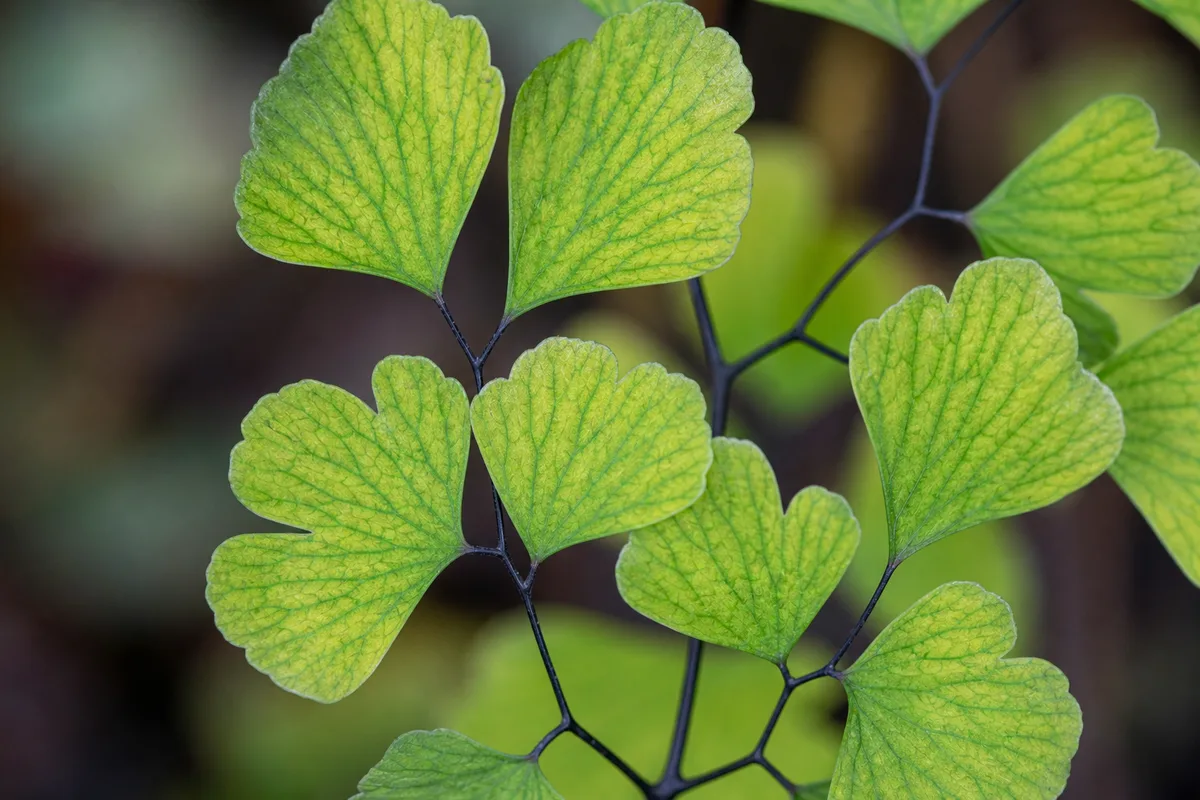
A second current image showing another plant or closer view. Species differences matter; match the pattern and history, not exact color.
Common mistakes that prolong damage
Epsom salt is not a universal tonic. It cannot supply nitrogen, calcium, phosphorus, potassium, or the full micronutrient balance, and a greener leaf after any intervention would not by itself prove the original diagnosis. Repeated blind use also adds dissolved ions to a container where salts may already be part of the problem.
Other frequent mistakes include treating white crust as proof of fertilizer alone when hard-water minerals may contribute, using foliar fertilizer on scorched leaves, adding fertilizer to dry media, placing a recently stressed plant into stronger sun, pruning most foliage during root recovery, and changing water, light, pot, medium, and nutrition on the same day.
Do not assume “organic” means salt-free or impossible to overapply. Any nutrient program can cause imbalance when concentration, release rate, medium volume, temperature, moisture, and plant demand do not align. Do not use outdoor bed rates for a small indoor container.
Prevention for container-grown plants
Match fertilization to active growth, light, temperature, species, and the nutrients already present in the medium. Fertilizer cannot replace adequate light, working drainage, suitable moisture, or healthy roots. Keep a simple record of product, concentration, date, and plant response.
Water thoroughly when the species needs it and allow drainage; do not leave routine runoff in a saucer. Periodic leaching may help where fertilizer and water add salts, but frequency must match the plant and water quality. Colorado State notes that fertilizer salts require active management in containers and that drainage helps reduce damaging buildup (container salt management).
Repot according to root and medium condition rather than a universal annual rule. Replace media that has collapsed, become hydrophobic, accumulated severe deposits, or no longer supports an appropriate air-water balance. Rinse reusable containers and keep drainage openings clear.
When testing or expert help is worthwhile
Seek a horticultural laboratory or local extension service when several plants develop the same symptoms, a valuable specimen continues declining, a measured correction fails, irrigation water is suspected, or repeated nutrient problems affect one growing system. Bring clear photos, the product labels, dilution records, water source, potting-mix name and age, and a timeline.
Testing is especially useful before repeated pH adjustment or targeted supplementation. Water alkalinity is not the same measurement as pH; UMass explains how alkalinity affects a water source’s capacity to change growing-medium pH (water-test interpretation). That distinction is why one pH reading should not trigger a large acid dose.
Practical safety and record keeping
Wear gloves and eye protection when labels require them, avoid inhaling powders, measure with tools not used for food, and keep fertilizers and amendments in original labeled containers away from children and animals. Follow local rules for disposal; do not pour concentrated nutrient solution into storm drains or waterways.
Record uncertainty honestly. “Pattern is compatible with magnesium deficiency” is more accurate than “confirmed” without analytical evidence. Note what was ruled out, what changed, and what the next observable checkpoint will be. This protects the plant from repeated treatment and makes consultation more productive.
When several similar plants are available, preserve an untreated comparison if doing so is safe. Change one factor on a small subset and observe new growth. A household comparison is not a controlled scientific trial, but it is better than altering every input and attributing normal seasonal recovery to the last product used.
Build a compact case record that another gardener or diagnostician can understand. Include the plant’s accepted name if known, pot size and material, drainage arrangement, approximate time in the current medium, usual light exposure, room-temperature changes, water source, and photographs of both the whole plant and affected tissue. Copy the guaranteed analysis from every fertilizer instead of recording only a brand name. If a concentrate was used, record the measured concentrate and final water volume. This detail often reveals an arithmetic error, an overlapping slow-release product, or a care change that the leaf pattern alone cannot show.
Avoid interpreting improvement too early. A newly unfolding leaf may have begun forming before treatment, while a damaged root system may need time to rebuild before foliage responds. Set a review point based on active growth rather than repeatedly intervening every few days. At that review, compare root-zone drying, leaf number, symptom spread, and the color and form of tissue produced after the correction. If evidence points in a different direction, revise the diagnosis openly. Good plant care is an iterative process: the working explanation should change when observations no longer support it.
Conclusion
Treat older-leaf interveinal chlorosis as a magnesium clue, not a prescription. First show that roots function, salts are not excessive, the symptom distribution fits, and the nutrient history leaves a credible gap. Then choose the smallest supported response: observation, root-zone correction, a labeled complete fertilizer containing magnesium, or a test. Judge success from leaves produced afterward; dead or badly chlorotic tissue is a record of the past, not a reliable scorecard for the next dose.
Plants commonly affected
These houseplants often struggle with magnesium deficiency. Open a care guide or plant-specific troubleshooting page for tailored fixes.
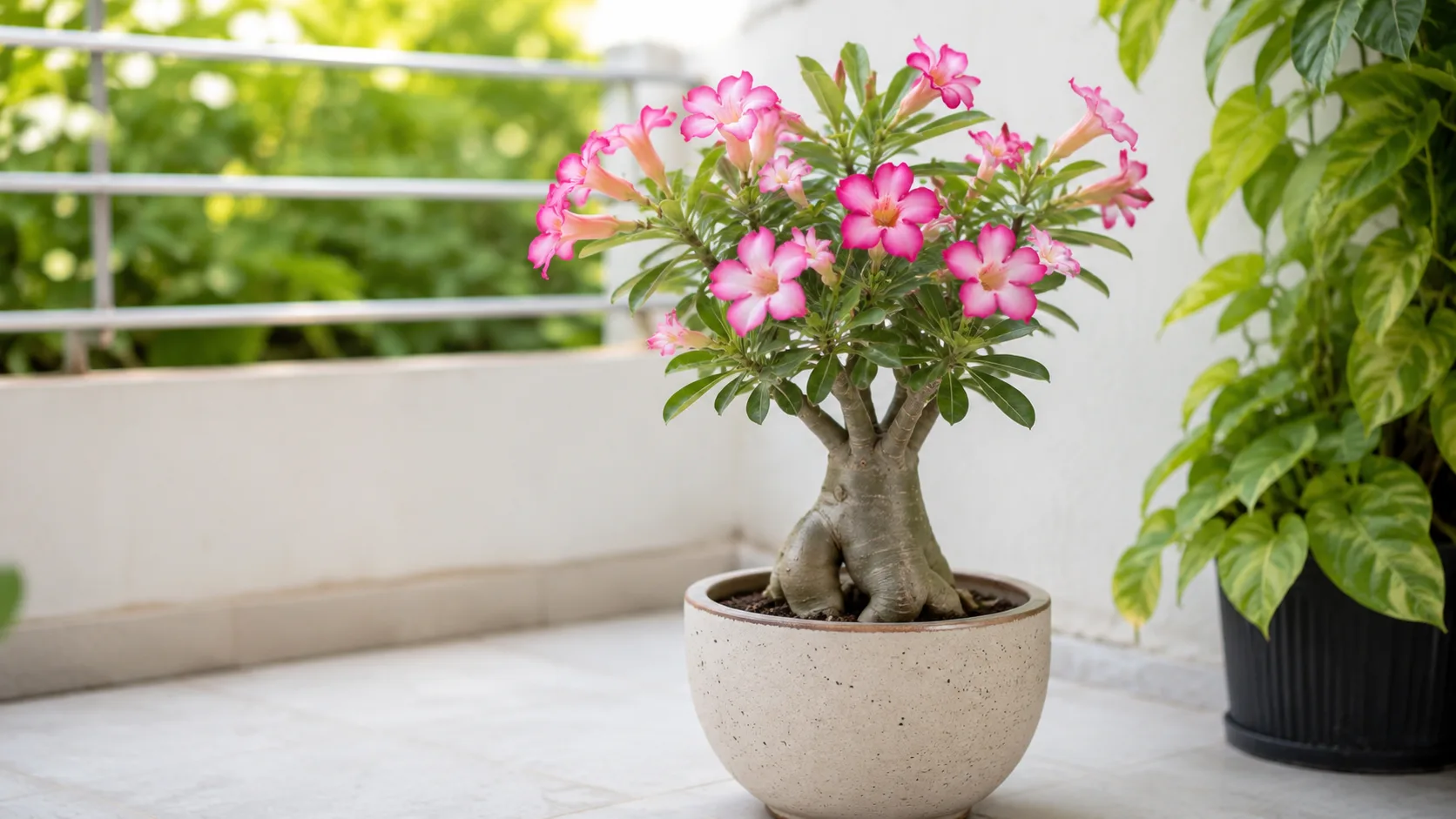 Medium
Adenium
Likely causeCommon magnesium deficiency pattern on Adenium under indoor care stress.
Quick fixInspect roots, watering, light, and pests; adjust one variable and monitor new growth.
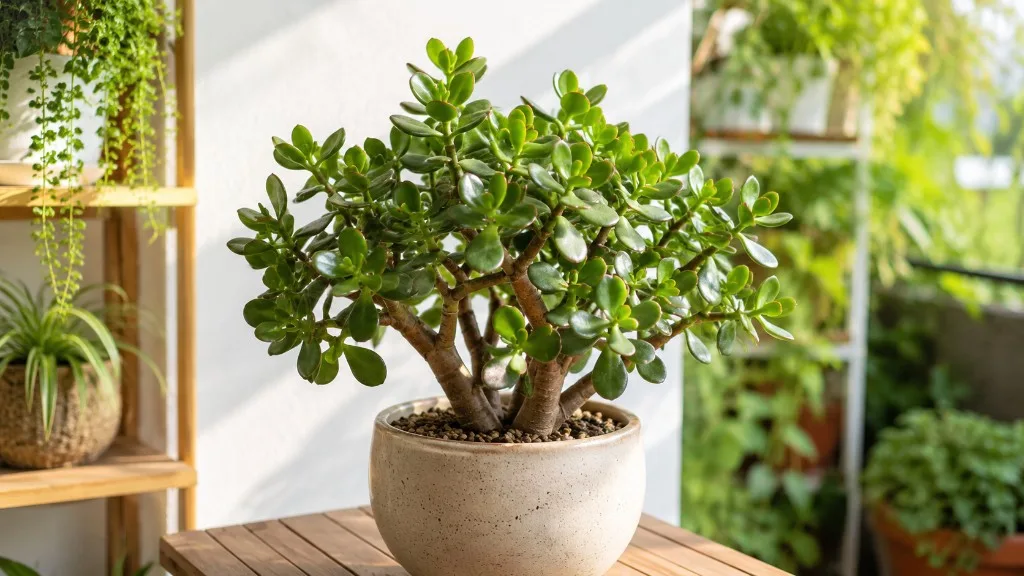 Medium
African Milk Tree
Likely causeCommon magnesium deficiency pattern on African Milk Tree under indoor care stress.
Quick fixInspect roots, watering, light, and pests; adjust one variable and monitor new growth.
 Medium
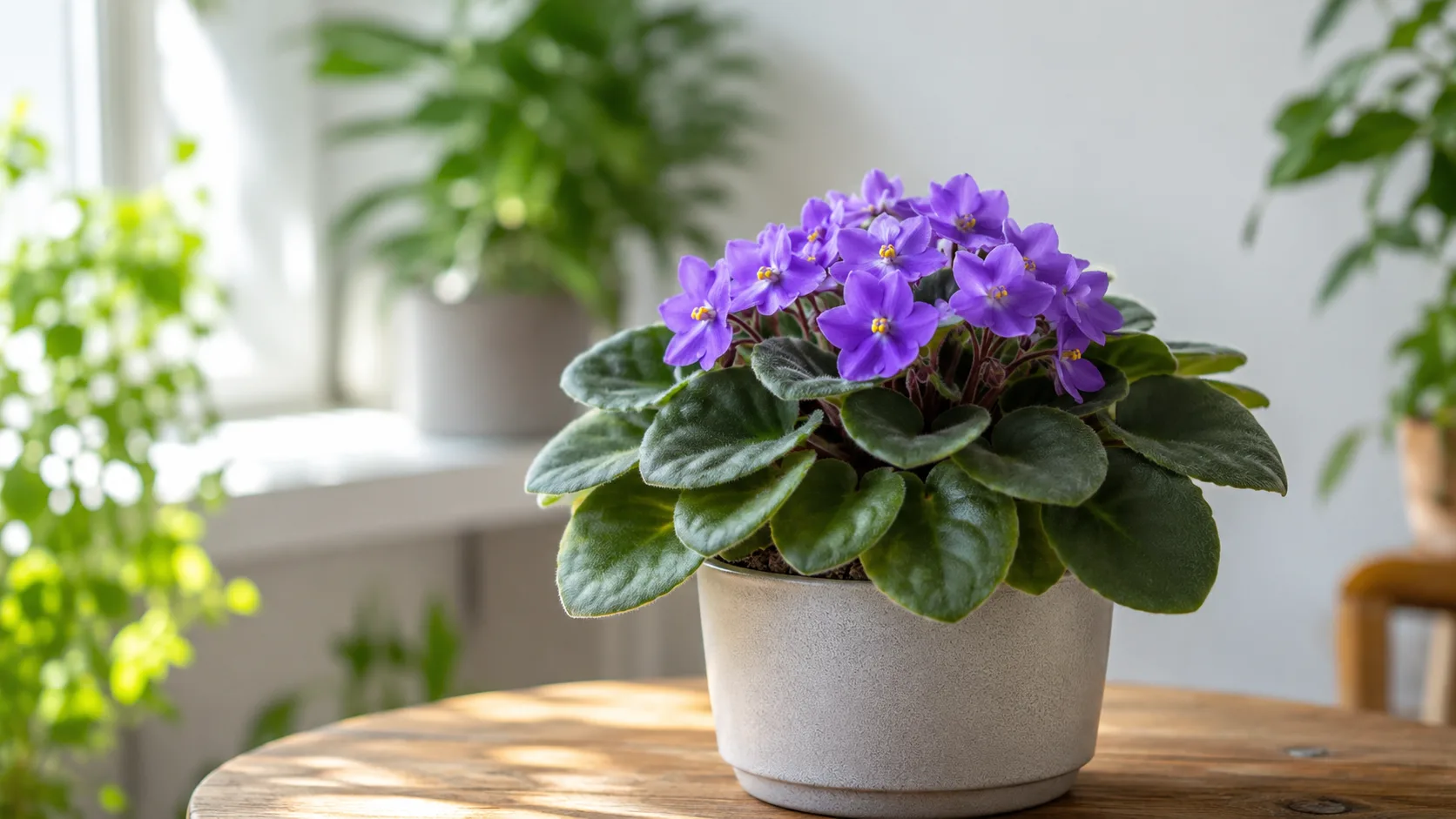
African Violet
Likely causeMagnesium Deficiency on African Violet: Magnesium Deficiency Description Magnesium Deficiency is a condition which describes an African Violet that is not getting enough magnesium (Mg). Magnesium is an essential element for the growth and v
Quick fixInspect African Violet, confirm magnesium deficiency matches your symptoms, then adjust care or treat per authoritative guides.
 Medium
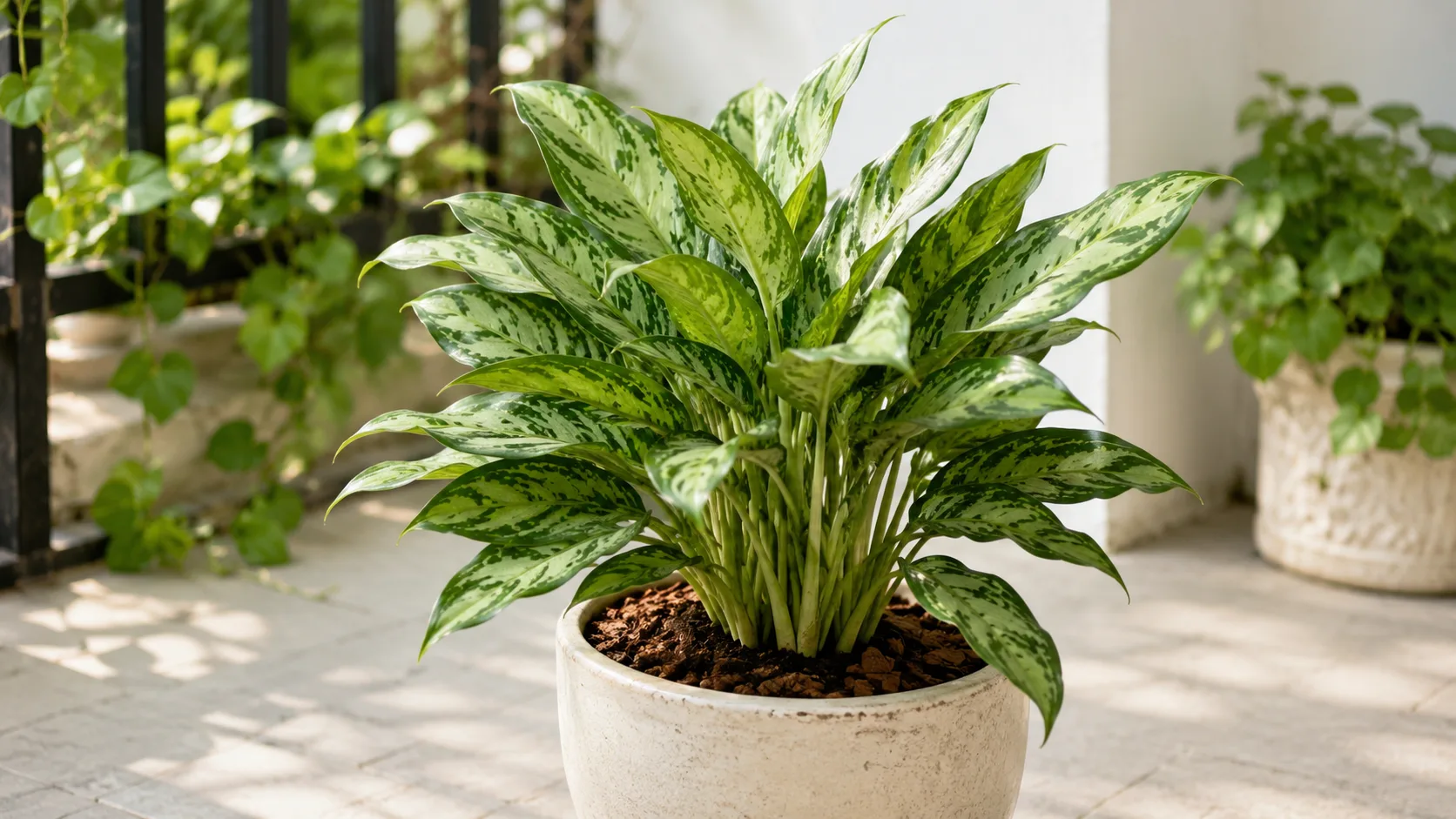
Aglaonema
Likely causeCommon magnesium deficiency pattern on Aglaonema under indoor care stress.
Quick fixInspect roots, watering, light, and pests; adjust one variable and monitor new growth.
 Medium
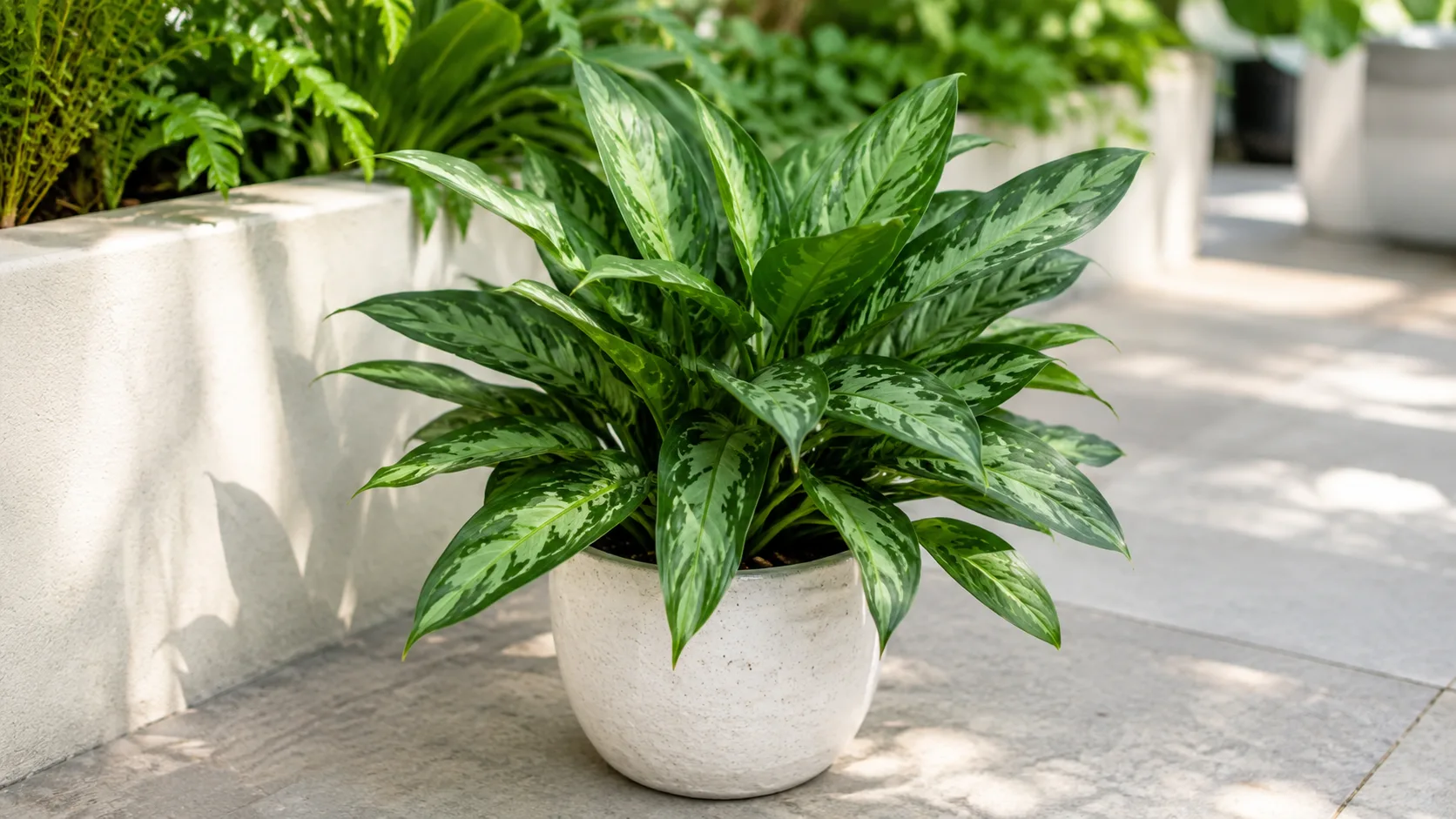
Aglaonema Cutlass
Likely causeCommon magnesium deficiency pattern on Aglaonema Cutlass under indoor care stress.
Quick fixInspect roots, watering, light, and pests; adjust one variable and monitor new growth.
- Medium
Aglaonema Lady Valentine
Likely causeCommon magnesium deficiency pattern on Aglaonema Lady Valentine under indoor care stress.
Quick fixInspect roots, watering, light, and pests; adjust one variable and monitor new growth.
- Medium
Aglaonema Maria
Likely causeCommon magnesium deficiency pattern on Aglaonema Maria under indoor care stress.
Quick fixInspect roots, watering, light, and pests; adjust one variable and monitor new growth.
- Medium
Aglaonema Pictum Tricolor
Likely causeCommon magnesium deficiency pattern on Aglaonema Pictum Tricolor under indoor care stress.
Quick fixInspect roots, watering, light, and pests; adjust one variable and monitor new growth.
 Medium
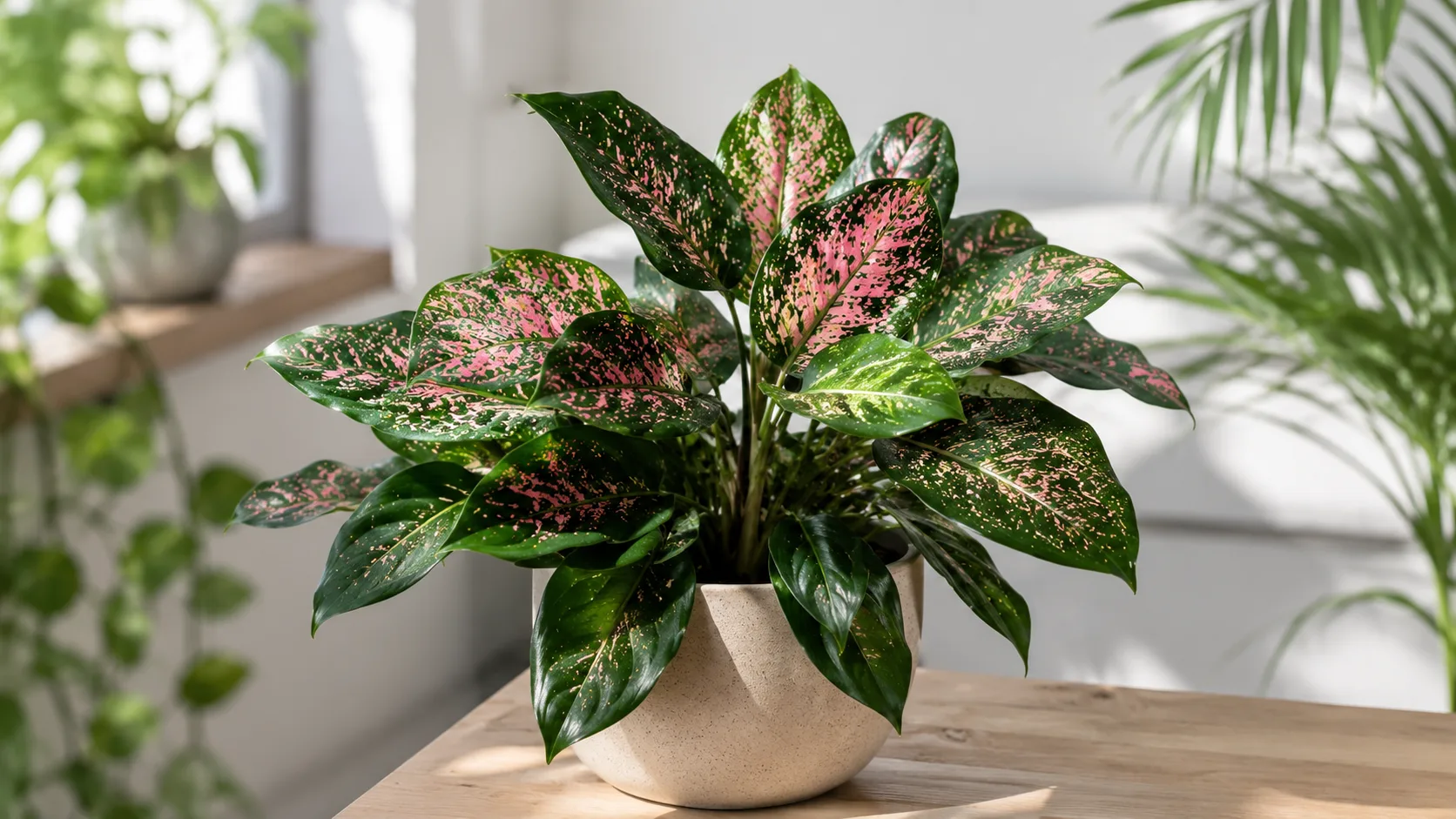
Aglaonema Pink Dalmatian
Likely causeCommon magnesium deficiency pattern on Aglaonema Pink Dalmatian under indoor care stress.
Quick fixInspect roots, watering, light, and pests; adjust one variable and monitor new growth.
- Medium
Aglaonema Red Siam
Likely causeCommon magnesium deficiency pattern on Aglaonema Red Siam under indoor care stress.
Quick fixInspect roots, watering, light, and pests; adjust one variable and monitor new growth.
 Medium
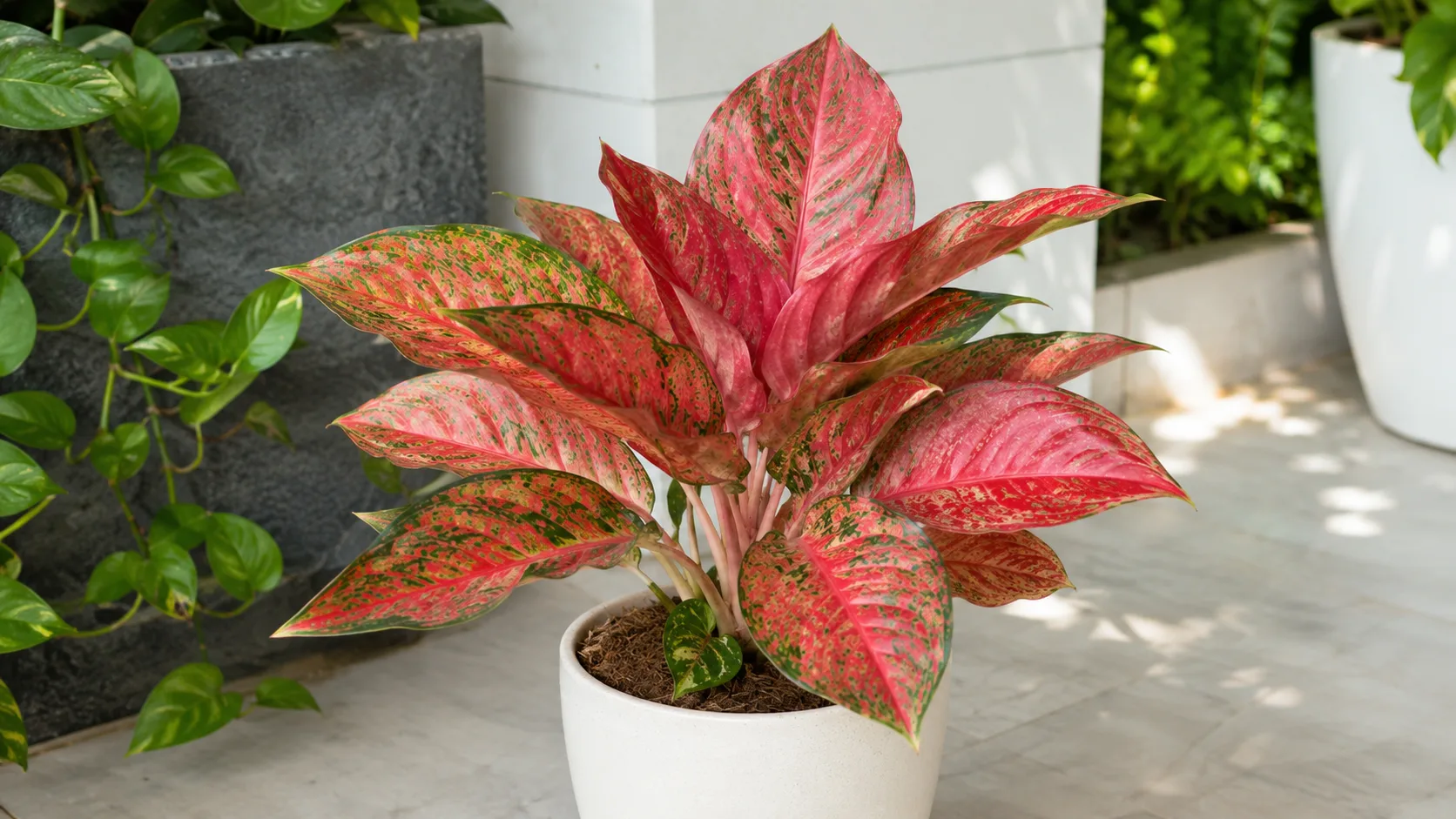
Aglaonema Red Valentine
Likely causeCommon magnesium deficiency pattern on Aglaonema Red Valentine under indoor care stress.
Quick fixInspect roots, watering, light, and pests; adjust one variable and monitor new growth.
 Medium
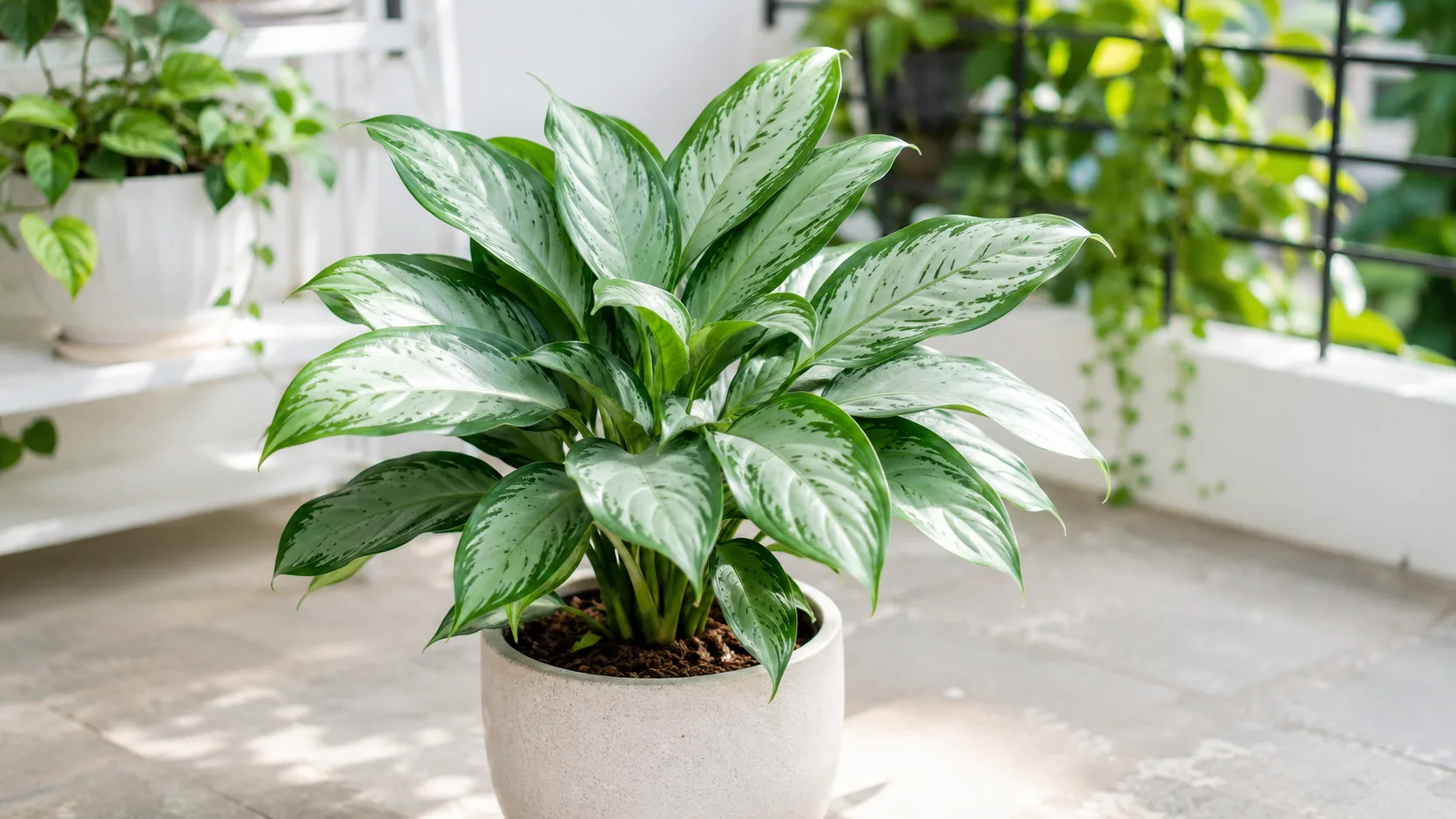
Aglaonema Silver Bay
Likely causeCommon magnesium deficiency pattern on Aglaonema Silver Bay under indoor care stress.
Quick fixInspect roots, watering, light, and pests; adjust one variable and monitor new growth.