Problems

Dragon Tree Problems: Causes & Quick Fixes

Quick answer

Dragon Tree is prone to 16 common issues - each link below is a plant-specific fix guide.
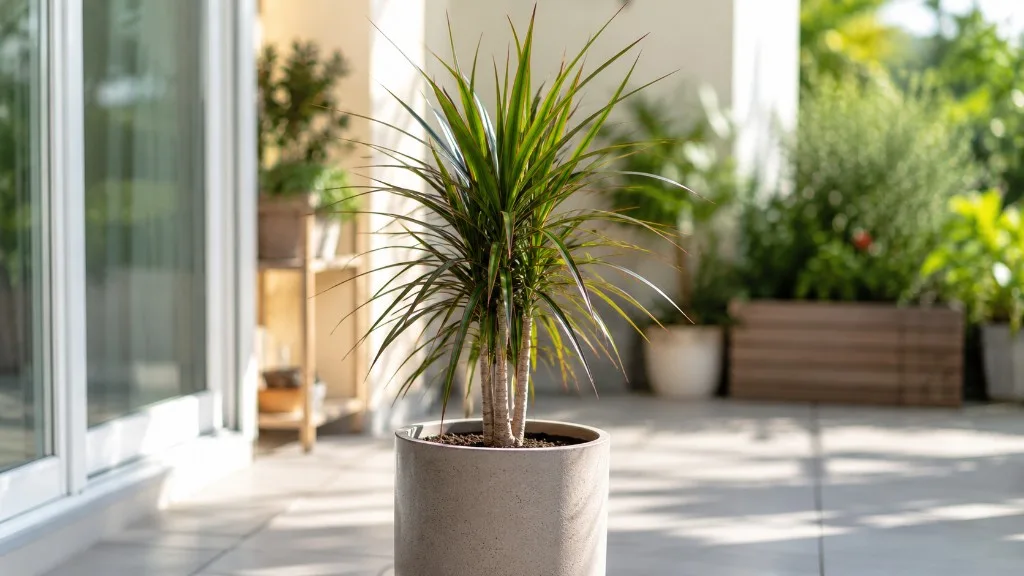
Dragon Tree houseplant

Dragon Tree problems

Use the guides below to diagnose and fix common issues on Dragon Tree. Each problem page explains why it happens on this species and what to do first.

Or use our problem diagnosis tool to narrow down symptoms.

Common problems on Dragon Tree

Likely cause: Fluoride accumulation from tap water causes progressive tip browning - the most common dragon tree issue

Quick fix: Switch to filtered or collected water; flush soil; trim existing tips

Full fix guide →

Likely cause: Lower leaf yellowing is normal aging as the plant sheds oldest leaves

Quick fix: Remove yellow leaves at base; check for overwatering if mid-crown leaves yellow

Full fix guide →

Likely cause: Mushy or soft canes indicate overwatering root rot in this drought-tolerant species

Quick fix: Allow soil to dry completely; repot if roots are rotted; reduce watering frequency

Full fix guide →

Root Rot

Medium

Likely cause: Common on this plant type; confirm with recent watering, light, and root checks.

Quick fix: Inspect the plant and correct the most likely care stressor before stacking treatments.

Full fix guide →

Likely cause: Common on this plant type; confirm with recent watering, light, and root checks.

Quick fix: Inspect the plant and correct the most likely care stressor before stacking treatments.

Full fix guide →

Likely cause: Common on this plant type; confirm with recent watering, light, and root checks.

Quick fix: Inspect the plant and correct the most likely care stressor before stacking treatments.

Full fix guide →

Mealybugs

Medium

Likely cause: Common on this plant type; confirm with recent watering, light, and root checks.

Quick fix: Inspect the plant and correct the most likely care stressor before stacking treatments.

Full fix guide →

Aphids

Medium

Likely cause: Common on this plant type; confirm with recent watering, light, and root checks.

Quick fix: Inspect the plant and correct the most likely care stressor before stacking treatments.

Full fix guide →

Likely cause: Common on this plant type; confirm with recent watering, light, and root checks.

Quick fix: Inspect the plant and correct the most likely care stressor before stacking treatments.

Full fix guide →

Likely cause: Common on this plant type; confirm with recent watering, light, and root checks.

Quick fix: Inspect the plant and correct the most likely care stressor before stacking treatments.

Full fix guide →

Wilting

Medium

Likely cause: Common on this plant type; confirm with recent watering, light, and root checks.

Quick fix: Inspect the plant and correct the most likely care stressor before stacking treatments.

Full fix guide →

Likely cause: Common on this plant type; confirm with recent watering, light, and root checks.

Quick fix: Inspect the plant and correct the most likely care stressor before stacking treatments.

Full fix guide →

Likely cause: Common on this plant type; confirm with recent watering, light, and root checks.

Quick fix: Inspect the plant and correct the most likely care stressor before stacking treatments.

Full fix guide →

Likely cause: Common on this plant type; confirm with recent watering, light, and root checks.

Quick fix: Inspect the plant and correct the most likely care stressor before stacking treatments.

Full fix guide →

Likely cause: Common on this plant type; confirm with recent watering, light, and root checks.

Quick fix: Inspect the plant and correct the most likely care stressor before stacking treatments.

Full fix guide →

Likely cause: Common on this plant type; confirm with recent watering, light, and root checks.

Quick fix: Inspect the plant and correct the most likely care stressor before stacking treatments.

Full fix guide →

Frequently asked questions

How often should I water Dragon Tree?

Allow top half of soil to dry. Every 10–14 days in summer; every 21 days in winter. Use filtered or collected water to avoid fluoride brown tips.

What light does Dragon Tree need?

Dragon Tree grows best in bright indirect light, medium indirect light, some direct sun.

Is Dragon Tree toxic to pets?

Dragon Tree is toxic to cats, dogs, rabbits, horses, turtles, and tortoises. Keep out of reach of curious pets and choose pet-safe alternatives for accessible spots.

How do I propagate Dragon Tree?

Propagate Dragon Tree from healthy stem or root divisions during active growth.

What soil is best for Dragon Tree?

Use standard potting mix with 20% perlite. Well-draining. Slightly acidic pH 6–7.

When should I repot Dragon Tree?

Repot Dragon Tree when roots circle the pot or growth slows despite good care.

Why does my Dragon Tree have brown tips?

Fluoride accumulation from tap water causes progressive tip browning - the most common dragon tree issue Quick fix: Switch to filtered or collected water; flush soil; trim existing tips

How this Dragon Tree problems guide is reviewed?

Editorial policyReview board

Written by · Reviewed by LeafyPixels Review Board · Updated June 17, 2026

This Dragon Tree problems problem guide was researched and written by . Problems symptoms on Dragon Tree, lookalike causes, and step-by-step fixes are cross-checked against extension pest, disease, and care references before publication.

We prioritize sources that hold up under scrutiny:

  • University cooperative extension bulletins and fact sheets (Penn State, Clemson, UMD, NC State, and similar programs)
  • Botanical garden and horticultural society publications
  • Peer-reviewed plant science and veterinary toxicology references where pet safety matters (including ASPCA Animal Poison Control)
  • Established reference works on indoor plant culture

The LeafyPixels editorial team then reviews the draft for clarity, step-by-step usefulness, and fit with real apartment and home conditions-not ideal greenhouse setups. When guidance changes materially, we update the page and note the revision date.


Sources used

  1. *Dracaena* is toxic to cats and dogs (n.d.) Dracaena. [Online]. Available at: https://www.aspca.org/pet-care/animal-poison-control/toxic-and-non-toxic-plants/dracaena (Accessed: 17 June 2026).
  2. 1 ppm fluoride or more (n.d.) Dracaena Diseases. [Online]. Available at: https://extension.psu.edu/dracaena-diseases (Accessed: 17 June 2026).
  3. A light pot usually means dry soil; a heavy pot means moisture remains (n.d.) Watering Houseplants. [Online]. Available at: https://extension.umn.edu/yard-and-garden-news/watering-houseplants (Accessed: 17 June 2026).
  4. about one-eighth inch long (n.d.) Fungus Gnats On Houseplants. [Online]. Available at: https://hort.extension.wisc.edu/articles/fungus-gnats-on-houseplants/ (Accessed: 17 June 2026).
  5. Ants harvest honeydew and protect mealybug colonies (n.d.) Sooty Mold. [Online]. Available at: https://ipm.ucanr.edu/home-and-landscape/sooty-mold/ (Accessed: 17 June 2026).
  6. Apply as a soil drench every five to seven days (n.d.) Fungus Gnats. [Online]. Available at: https://ipm.ucanr.edu/home-and-landscape/fungus-gnats/ (Accessed: 17 June 2026).
  7. ASPCA Animal Poison Control (n.d.) Animal Poison Control. [Online]. Available at: https://www.aspca.org/pet-care/animal-poison-control (Accessed: 17 June 2026).
  8. Avoid horticultural oil when temperatures exceed about 90°F or under intense direct light (n.d.) Integrated Pest Management I P M For Spider Mites. [Online]. Available at: https://hgic.clemson.edu/factsheet/integrated-pest-management-i-p-m-for-spider-mites/ (Accessed: 17 June 2026).
  9. becomes spindly and stretches toward the light source (n.d.) Lighting Indoor Plants. [Online]. Available at: https://extension.umd.edu/resource/lighting-indoor-plants (Accessed: 17 June 2026).
  10. bright indirect light (n.d.) Online resource. [Online]. Available at: https://hgic.clemson.edu/?s=indoor+plants+light+requirements (Accessed: 17 June 2026).