Best Soil for Dragon Tree: Mix, Drainage & Repotting
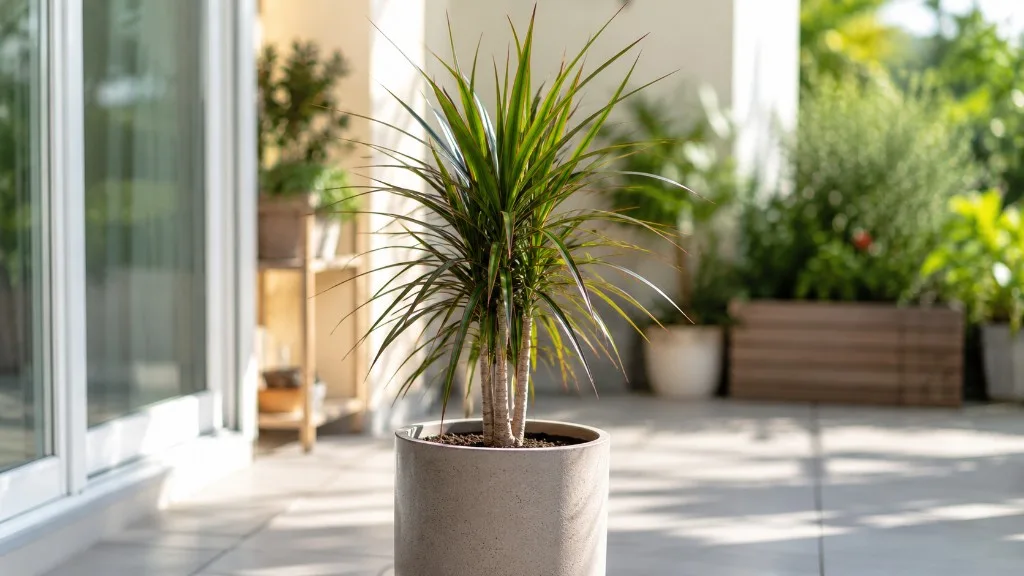
Best Soil for Dragon Tree: Mix, Drainage & Repotting
Best Soil for Dragon Tree: Mix, Drainage & Repotting
A dragon tree (Dracaena marginata) can look perfectly fine above the pot rim while the root zone is slowly drowning in dense, waterlogged mix. The narrow sword-shaped leaves may stay green for weeks even as thick roots lose oxygen at the bottom of the container, and by the time lower leaves yellow or tips brown, the problem often started months earlier in the soil structure itself. Getting the mix right is not about grabbing whatever bag sits at the garden center - it is about building a root environment that drains predictably, holds enough moisture between waterings without staying saturated, and stays open enough for air to reach the fleshy cane roots Dragon Tree overview depends on.
Why Soil Structure Matters More Than the Bag Label
Most dragon tree failures trace back to the root zone long before anyone notices leaf damage. overwatering on Dragon Tree gets blamed first, and watering habits do matter, but the same watering routine that works in a loose loam-perlite blend will rot roots in a compacted peat-heavy mix sitting in an oversized decorative pot. Soil is the system that decides how fast water moves through the container, how long moisture lingers near the roots, and how much oxygen remains in the pore spaces between particles after you pour from the watering can.
Dragon trees tolerate low light and office routines better than fussier tropicals, but that tolerance hides soil problems until stem rot or chronic tip burn forces attention. Your mix should dry on a rhythm that matches how you actually water - faster-draining if you water on a schedule, slightly more retentive if you wait until the top half is dry. A well-draining loam-perlite mix is the minimum structure required to keep waterlogging from becoming the default state of the root zone.
What Dragon Tree Roots Actually Need
Dracaena marginata is not a desert plant and not a bog plant. It sits in the middle ground that catches many indoor growers off guard: roots want access to moisture between waterings, but they cannot tolerate sitting in saturated mix for days. The thick, fleshy roots and cane-like stems store some water, which gives the plant a buffer against occasional underwatering on Dragon Tree, but that same storage capacity means stem rot can progress quietly before visible collapse. Understanding what the roots need - and what they refuse to tolerate - makes every other soil decision easier.
How Dracaena marginata Grows in Madagascar
Dragon tree is native to Madagascar, where it grows in dry forests and rocky scrub on well-drained laterite and mineral substrates. Rainfall exists, but the soil drains quickly because of its structure - coarse particles, limited organic matter, and plenty of air space - not because the plant sits in standing water. The Missouri Botanical Garden notes that in cultivation, Dracaena marginata performs best in organically enriched, loose potting media with excellent drainage, which mirrors that rocky forest-floor texture rather than heavy garden earth.
That native context explains why garden soil fails indoors - it compacts in containers, loses pore space within weeks, and carries pests that concentrate in a pot. Standard bagged mix formulated for moisture retention is the opposite of what these roots handle well in a low-evaporation indoor room.
The Three Jobs Your Mix Must Perform
Every dragon tree soil mix needs to do three things simultaneously, and weak performance in any one area creates problems that fertilizer or better lighting cannot fix. Drainage means excess water exits the pot within minutes of watering rather than pooling around the lower roots - this is the primary defense against waterlogging. Aeration means enough air remains in the pore spaces for roots to respire even when the mix is moist; compacted wet soil and waterlogged soil are not the same thing, but both starve roots of oxygen. Moisture retention means the mix holds enough water that roots do not dry out completely between waterings, because dragon trees dislike bone-dry root balls about as much as they dislike soggy ones.
Balancing these three jobs is why a simple “well-draining soil” label on a bag is insufficient guidance. A mix can drain quickly through the top inch while the bottom half stays saturated - a perched water table that kills roots even when the surface looks fine. Perlite, pumice, and bark create stable pore spaces that resist compaction, while loam or quality potting base provides the nutrient-holding structure roots need. The recipe and the container you put it in work together as a system, not as separate purchases.
Best Soil Mix for Dragon Tree
The best soil for dragon tree is a well-draining loam-perlite mix - loose enough for air to reach the thick roots, stable enough to hold moisture for one to two weeks in a typical indoor pot, and slightly acidic to support nutrient uptake and reduce fluoride availability. A reliable starting ratio is 60% quality indoor potting soil or loam-based mix, 30% perlite or pumice, and 10% coco coir or peat moss, though you may shift toward more perlite or bark if your home runs humid, your pots are large, or you tend to water before the mix fully dries.
A Reliable Loam-Perlite Recipe You Can Mix at Home
You do not need exotic ingredients to build an excellent dragon tree mix. Start with a large bucket or tarp so you can blend thoroughly - uneven mixing creates wet pockets that cause localized root rot on Dragon Tree even when the rest of the pot drains fine.
Base recipe (one pot’s worth):
- 60% high-quality indoor potting mix or loam-based blend - Look for a mix labeled for houseplants or tropical plants. Avoid heavy compost-only mixes or moisture-control formulas with water-absorbing gel crystals, which stay wet too long for Dracaena marginata.
- 30% perlite or pumice - Perlite is the workhorse amendment for dragon tree soil. It improves drainage, keeps the structure open, and prevents the compaction that leads to waterlogging. Pumice performs a similar role with slightly more weight, which can stabilize top-heavy multi-stem specimens in floor pots.
- 10% coco coir or peat moss - A small fraction adds moisture retention without the dense compaction of straight peat-based bagged mix. Coco coir is a sustainable alternative with similar performance.
Optional amendments for specific situations:
- 10–15% orchid bark (¼–½ inch pieces) - Adds long-term structure and slows compaction. Particularly useful for large specimens that stay in the same pot for two or more years without a full repot.
- A handful of worm castings or compost - Provides gentle organic matter and microbial activity. Keep the amount small; dragon trees are moderate feeders and too much organic material retains excess moisture. For a fast-draining variant suited to low-light offices or growers who water frequently, shift to 50% potting soil, 40% perlite or pumice, and 10% bark. For a slightly moisture-retentive variant in very dry homes with bright light, use 65% potting soil, 25% perlite, and 10% coco coir - but only if you consistently wait until the top half of the mix is dry before watering.
An alternative blend favored by growers who want maximum drainage mimics Madagascar’s rocky substrate more closely: two parts peat-free potting base, one part perlite or pumice, and one part coarse sand or pine bark fines. This lean, gritty mix dries rapidly and is ideal for rooms where waterlogging is the recurring problem.
Ready-Made Mixes That Work Without Overthinking
Not everyone wants to batch-mix soil on the patio. A quality commercial indoor potting mix can work for dragon tree if you amend it - most bagged blends drain too slowly straight from the store for Dracaena preferences. Add one part perlite to every two parts commercial mix as a minimum amendment to keep water moving freely. If you are buying off the shelf without amendments, choose a mix labeled for cacti and succulents only as a drainage amendment mixed 1:2 with standard potting soil, not as the sole substrate; pure cactus mix dries too fast for most dragon trees in average indoor conditions unless you water more frequently than the top-half-dry rule allows.
Avoid these common bagged options as standalone dragon tree soil: topsoil, garden soil, seed-starting mix (too fine and moisture-retentive), and moisture-control potting mix with water-absorbing polymers. Each creates conditions that either compact, stay wet too long, or dry unevenly - all problematic for a plant whose most common failure mode is waterlogging in slow-draining mix.
Drainage, Aeration, and Avoiding Waterlogging
Drainage is the non-negotiable property of dragon tree soil. Root rot in containers almost always traces to a mix that does not drain quickly enough, a container without an exit path for water, or watering that does not account for how fast the mix actually dries. Aeration and moisture retention are the tuning knobs: you want enough air in the mix that roots breathe between waterings, and enough water-holding capacity that the plant is not stressed by constant drought cycles.
Waterlogging is the specific failure mode to design against - saturated mix displaces oxygen from pore spaces and damages the thick fleshy roots Dracaena marginata evolved for fast-draining mineral soil. The goal is a mix that accepts a full watering, releases excess within minutes, and dries evenly over the following one to two weeks.
The relationship between drainage and your watering habit is direct. Dragon trees typically prefer watering when the top 50% of the mix has dried - a deeper dry-back than many houseplants tolerate. That preference only works safely if the lower half of the pot is not still saturated from the last watering. A mix that drains in the top inch but stays wet at the bottom is worse than one that dries evenly throughout, because you cannot see the problem until roots fail.
How to Test Container Drainage After Watering
Run this one-minute check after every repot and whenever you suspect soil problems. Water the pot thoroughly until water runs freely from the drainage holes, then watch three things.
First, water should not sit on the surface for more than a few seconds. If it pools on top and runs down the sides of the root ball without soaking in, the mix has become hydrophobic or compacted - water is taking the path of least resistance rather than reaching the roots evenly. Second, water should exit the drainage holes within two to three minutes of a full watering in a typical six-to-ten-inch pot. Larger pots take slightly longer, but water should not drip for twenty minutes from a properly structured mix. Third, pick up the pot after thirty minutes. It should feel heavier than before watering but not so saturated that water collects in the saucer when you set it down.
If the pot is still dripping after thirty minutes, or the saucer fills repeatedly, your mix is too dense, the container is too large for the root system, or both. Fix the soil before adjusting light or fertilizer - those changes will not rescue roots sitting in waterlogged mix. Repeat this test seasonally; a mix that passed last spring may fail after a year of decomposition and salt buildup.
pH, Minerals, and Fluoride Sensitivity
Dragon tree prefers a slightly acidic soil pH between 6.0 and 6.5, with a survivable range of roughly 5.5 to 7.0. Clemson HGIC recommends keeping soil pH between 6.0 and 6.5 to reduce fluoride injury on dracaenas. Most quality indoor potting mixes fall within or near this range without adjustment, which means hobbyist growers rarely need to test pH unless the plant shows chronic tip burn that does not respond to watering changes. When pH drifts alkaline - often from hard tap water or calcium buildup over time - fluoride and other minerals become more available to the roots and accumulate in leaf tissue.
Salt accumulation is the other mineral problem worth watching. Fertilizer salts, hard-water minerals, and even the cumulative effect of tap-water additives build up in container mix over months. When leaf tips brown despite good watering habits, flushing the soil with distilled or rainwater - running water through the pot until it flows freely from the bottom for several minutes - can leach salts before you repot into fresh mix.
Why Water Quality and Soil Chemistry Both Affect Leaf Tips
Brown leaf tips on dragon tree are so common that many growers assume they are inevitable. They are not. Fluoride toxicity is the most frequently cited cause among Dracaena species, and it comes from multiple sources: municipal tap water (often 0.5–1.5 ppm fluoride), fertilizers containing superphosphate, and - according to Penn State Extension - potting amendments including perlite when used in high proportions. Clemson HGIC similarly advises avoiding potting soils with a high percentage of perlite and maintaining pH between 6.0 and 6.5 to prevent fluoride injury.
This creates a practical tension worth addressing honestly. Perlite is one of the best amendments for drainage and aeration - exactly what dragon tree roots need to avoid waterlogging - yet extension sources flag it as a potential fluoride source when used heavily. The resolution most experienced growers land on: use perlite for drainage at 25–35% of the mix, prioritize fluoride-free water (rainwater, distilled, or reverse-osmosis filtered), avoid superphosphate fertilizers, and maintain slightly acidic pH. That combination addresses the root-zone drainage problem without ignoring the fluoride sensitivity that makes Dracaena marginata harder to keep pristine than its reputation suggests.
Water quality matters as much as soil composition. Letting tap water sit overnight removes chlorine but not fluoride or chloramines. If your plant already shows tip burn, switching water sources will stop new damage even though you cannot reverse necrosis on existing leaf tissue. Trim browned tips with clean scissors for appearance, but treat the water-and-soil system as the actual fix.
Choosing the Right Container for Your Mix
Soil and container choice are a matched set. The best loam-perlite mix in a pot without drainage holes will fail. A drainage hole is not optional for long-term dragon tree care - it is the exit path that makes your watering decisions recoverable. Without it, even a perfect mix eventually saturates from the bottom up, and no amount of careful top-dry checking prevents root damage in the lower half of the container. Container drainage is not a nice-to-have feature; it is the mechanism that prevents waterlogging from becoming permanent.
Pot size matters as much as hole placement. When Dragon Tree repotting guide, go up only one size - roughly 2 to 5 cm (1 to 2 inches) wider in diameter than the current container. Dragon trees in oversized pots sit in a large volume of mix that their root system cannot use quickly, and that unused mix stays wet for weeks. The roots occupy a small zone near the center while the outer ring of soil remains damp - a classic setup for waterlogging in a plant that already prefers deep dry-back between waterings.
Pot material affects drying speed subtly but meaningfully. Unglazed terracotta pulls moisture through its walls and dries faster than plastic or glazed ceramic - useful if you tend to overwater, but requiring more frequent attention in dry, bright rooms. Plastic retains moisture longer, which suits attentive underwaterers but punishes anyone who waters on autopilot. Dragon trees are often top-heavy with their narrow canes and leaf crowns, so a heavier terracotta pot can also provide stability - but only if the mix inside drains well enough that the extra drying speed matches your watering habits.
Skip the gravel drainage layer at the bottom of the pot. Decades of advice recommended stones or pottery shards to “improve drainage,” but physics works against this: water does not move easily from a fine-textured medium (potting mix) into a coarse layer (gravel) until the upper layer is saturated. The gravel creates a perched water table at the bottom of the mix - exactly where dragon tree roots sit. Fill the entire pot with your blended mix and rely on the drainage hole to remove excess water.
If you use a decorative cachepot, treat it as display only. Water the nursery pot in a sink, let all runoff drain away, and only then return the plant to the cover pot. Standing water in a cachepot is one of the fastest routes to waterlogging and stem rot on a tall dragon tree - and it happens silently because the outer pot hides the problem.
When to Refresh or Replace the Mix
Dragon tree soil is not permanent. Organic components decompose, fine roots die and break down, and repeated watering compacts the structure until drainage slows even though the mix looks fine on the surface. Most dragon trees benefit from a full repot with fresh mix every two to three years, with large floor specimens sometimes needing annual refresh if growth is vigorous. Small tabletop plants in four-to-six-inch pots may go three years if drainage tests still pass.
Signs the mix needs replacing:
- Water runs straight through the pot without absorbing, or sits on the surface while running down the sides
- The pot takes noticeably longer to dry than it did six months ago
- Roots circle the bottom of the pot or emerge from drainage holes
- The mix smells sour, musty, or stagnant when you probe near the bottom
- New growth has stalled despite adequate light and appropriate watering
- White crust (salt buildup) covers the soil surface
Top-dressing - scraping off the top inch or two of old mix and replacing it with fresh blend - is a useful mid-cycle maintenance step in spring if a full repot is not yet necessary. It refreshes the upper root zone where salts accumulate and improves surface drainage without the stress of a full transplant. Do not top-dress as a substitute for repotting a root-bound plant; circling roots at the bottom will not be fixed by fresh soil on top.
Timing matters. Spring and early summer are the safest windows for full repotting, when the plant is entering active growth and can recover quickly. Avoid repotting in winter unless the plant shows clear root distress - root rot, severe compaction, or a container that will not drain. A stressed dragon tree in a dim winter room has limited energy to rebuild root hairs after transplant.
Step-by-Step Repotting Into Fresh Soil
Repotting is the moment when soil theory becomes practice. Done carefully, it resets the root environment for years of healthy growth. Done carelessly - wrong pot size, wrong season, or excessive root disturbance - it can set a stable plant back for weeks.
Before you start: Water the plant one day before repotting so the root ball holds together. Prepare your fresh loam-perlite mix, choose a pot one size up with a drainage hole, and have clean scissors ready for trimming dead roots.
Step 1 - Remove the plant. Tip the pot gently and slide the root ball out. If it sticks, run a knife around the inside edge rather than pulling on the cane, which can crack the stem base or snap a thin trunk.
Step 2 - Inspect the roots. Healthy dragon tree roots are firm and white to tan. Mushy, brown, or foul-smelling roots indicate rot - trim them back to healthy tissue with sterilized scissors and consider a slightly faster-draining mix than before, with more perlite or bark.
Step 3 - Prepare the new pot. Add enough fresh mix to the bottom so the top of the root ball will sit about 2 cm below the pot rim. Do not add a gravel layer.
Step 4 - Position and fill. Set the root ball centered in the pot and fill around it with fresh mix, working soil gently between roots with a chopstick or your fingers. The plant should sit at the same depth it was in the old pot - burying the cane base deeper invites stem rot.
Step 5 - Water and settle. Water lightly until it runs from the drainage holes, then empty the saucer. Keep the plant in Dragon Tree light guide but out of direct sun for one to two weeks. Hold fertilizer for at least four weeks while new root hairs establish.
Loosening the Root Ball Without Breaking the Cane
Dragon trees recover faster when you preserve some of the old root ball rather than bare-rooting completely. Bare-rooting strips the fine root hairs that absorb water and nutrients, and Dracaena marginata can sit idle for weeks after aggressive root cleaning before it resumes growth. Instead, gently tease circling roots at the bottom and sides with your fingers, loosening the outer quarter of the root ball while leaving the center intact. If the root mass is dense and pot-shaped, make two or three vertical scores with a clean knife through the bottom third - this redirects root growth outward without destroying the entire system.
For severely root-bound plants, you may need to trim the bottom inch of matted roots before repotting. This is preferable to placing a solid root brick into a larger pot where water will flow around the outside while the center stays dry - a different kind of waterlogging where the outer mix saturates while inner roots starve. Balance is the goal: enough disturbance to break the circling pattern, not so much that the plant loses its ability to take up water during recovery.
Common Soil Mistakes to Avoid
The same errors appear repeatedly in dragon tree soil discussions, and most are preventable once you know what to watch for. Using garden soil or topsoil is the most damaging choice - it compacts, holds water unevenly, and introduces pathogens. Never substitute outdoor dirt for container mix, even if it looks dark and rich.
Overpotting ranks second. A dragon tree moved from a six-inch pot into a twelve-inch decorative container will sit in waterlogged mix for weeks after every watering. The cane may look fine while roots rot in the unused outer soil. One size up, every time.
Watering on a calendar instead of checking the mix turns mediocre soil into dangerous soil. Even a good loam-perlite blend will fail if you water every Sunday regardless of moisture level. The top-half-dry rule exists because Dracaena roots need that dry-back period - but it only works when the mix dries evenly, which requires proper structure and appropriate pot size.
Ignoring drainage holes or using decorative cachepots without draining traps runoff at the bottom. If you use a cover pot, lift the nursery pot out to water, let it drain completely, and only then return it to the decorative shell. Standing water in a cachepot is one of the fastest routes to stem rot on a tall dragon tree.
Adding stones at the pot bottom does not improve drainage and can make saturation worse, as explained above. Over-amending with moisture-retentive materials - extra peat, vermiculite, or water-control crystals - creates the opposite problem: a mix that stays wet too long in low light. Vermiculite in particular holds more water than perlite and compacts over time; most dragon tree growers are better served by perlite or pumice for the drainage fraction.
Repotting into fresh mix and immediately fertilizing heavily combines two stressors. Wait four weeks before resuming half-strength liquid fertilizer during active growth.
Troubleshooting Soil-Related Problems
When a dragon tree struggles, soil is not always the cause - but it should be among the first things you check because root-zone problems produce the widest range of leaf symptoms. Work through these patterns before reaching for pest treatments or moving the plant to a new window.
Brown leaf tips with otherwise healthy growth - Most often fluoride or salt accumulation rather than a drainage failure. Flush the soil, switch to low-fluoride water, check that your fertilizer does not contain superphosphate, and confirm pH is in the 6.0–6.5 range. Trim existing brown tips; they will not green up again.
Yellow lower leaves dropping steadily - Can indicate normal aging on older plants, but rapid yellowing across multiple leaves often points to overwatering in slow-draining mix. Check moisture at the bottom of the pot, not just the surface. If the lower mix is wet while the top feels dry, your watering pattern and soil structure are mismatched - waterlogging at the root zone is the likely cause.
Soft, mushy cane base - Stem rot from chronic overwatering, usually in compacted or oversized-pot conditions. Remove the plant from the pot, trim all soft tissue, repot the healthy upper section into fresh, fast-draining loam-perlite mix in an appropriately sized pot, and reduce watering frequency significantly. Recovery depends on how much of the cane is affected.
Water runs straight through without soaking in - Hydrophobic or severely compacted mix, common in pots that have not been repotted in three or more years. A full repot with fresh blend is the fix; surface top-dressing alone will not restore internal structure.
White crust on soil surface - Salt buildup from fertilizer and hard water. Scrape the crust, flush thoroughly with low-mineral water, and reduce fertilizer concentration going forward. If crust returns within weeks, repot into fresh mix.
Plant wilts despite wet soil - Root rot has destroyed the root system’s ability to absorb water. Roots may be brown and mushy when you inspect. Trim damaged roots, repot into fresh fast-draining mix with extra perlite, and water sparingly until new growth appears. This is one of the few situations where a winter repot is justified despite seasonal stress.
Building a Soil System That Matches Your Home
The best dragon tree soil recipe on paper still fails if it does not match your specific room conditions. A loam-perlite mix that dries in five days under bright kitchen light may take three weeks in a north-facing office - and the office plant needs more perlite or bark, not the same bag-for-bag recipe. Treat soil as one variable in a system that includes light intensity, pot size and material, watering habits, water quality, and humidity.
Start with the base recipe in this guide, then adjust based on what you observe over the first month after repotting. If the pot is still heavy and cool to the touch ten days after watering in a dim room, add more perlite or bark at the next refresh. If you are watering every four days in summer and the plant still wilts between sessions, increase the coco coir fraction slightly - but only if you are confident you are not underwatering a root-bound plant that simply needs more space.
Keep a simple log for one month after any soil change: date watered, how the pot felt before watering, and any new leaf symptoms. That record tells you more than any generic care chart because it connects your mix to your home’s actual drying rhythm. Dragon trees reward boring consistency - the same water source, the same check-before-you-water habit, and a mix that does not change character every season.
Remember that dragon tree is toxic to cats and dogs if ingested, according to the ASPCA - repotting is a good time to confirm the plant sits out of reach if you have pets that dig in containers.
Conclusion
The best soil for dragon tree is a loose, well-draining loam-perlite mix - typically 60% indoor potting soil, 30% perlite, and 10% coco coir or peat - in a container with a drainage hole, sized one step up at repotting, and refreshed every two to three years before compaction slows drainage and waterlogging becomes the default. Slightly acidic pH between 6.0 and 6.5 supports healthy nutrient uptake and reduces fluoride availability, which matters because Dracaena marginata is one of the most fluoride-sensitive common houseplants. Pair the right mix with low-fluoride water, wait until the top half of the soil dries before watering, and run a quick drainage test after every repot to confirm water moves through the pot rather than pooling around the roots.
Soil is not a one-time decision. It decomposes, compacts, and accumulates salts over time, and the symptoms that send growers searching for fertilizer or better light often start in the root zone months earlier. Build the loam-perlite mix, test the container drainage, match the pot to the root ball, and refresh before the structure fails - and your dragon tree will reward you with stable, arching foliage for years without the root rot and chronic brown tips that make so many owners think they are failing at a plant that was supposed to be easy.
When to use this page vs other Dragon Tree guides
- Dragon Tree overview - Start here for whole-plant context before deep-diving this topic.
- Dragon Tree problems hub - Jump to symptom-specific fix guides when this care topic does not resolve the issue.
- Root Rot on Dragon Tree - Escalate here when soil adjustments are not enough.
- Mold on Soil on Dragon Tree - Escalate here when soil adjustments are not enough.
Related Dragon Tree guides
- Dragon Tree overview
- Dragon Tree watering
- Dragon Tree light
- Dragon Tree propagation
- Dragon Tree fertilizer
- Dragon Tree repotting
- Root Rot on Dragon Tree
- Mold on Soil on Dragon Tree
- Dragon Tree problems
Related tool
Try the Soil Mix Calculator with dragon-tree pre-selected to estimate needs for your setup.