Plant Growth Rate Calculator
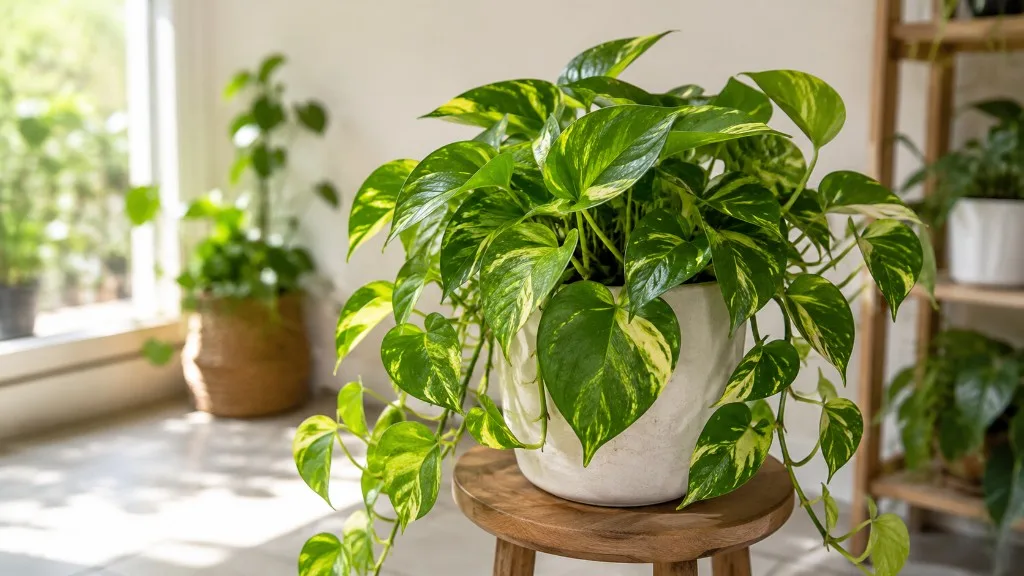
A plant’s growth rate is not just a personality trait. It is the visible result of species genetics, usable light, temperature, water balance, root health, nutrition, season, and the plant’s recent stress history all interacting at once. That is why two pothos cuttings from the same mother plant can behave differently in two rooms, and why a monstera that grows quickly in June may sit almost still beside a cold window in December.
The Plant Growth Rate Calculator gives you a structured way to estimate whether your plant is likely to be in a slow, moderate, or fast growth phase right now. Use it before you decide that a plant is “doing nothing,” before you increase fertilizer, before you move a plant into stronger light, or before you compare your plant to a photo of someone else’s. The result is not a promise of a certain number of leaves. It is a practical growth forecast that helps you decide whether the plant’s pace matches its conditions.
What the calculator estimates
The calculator estimates current growth potential for indoor plants and patio plants managed like houseplants. It weighs plant type, light level, season, room temperature, humidity, watering consistency, fertilizer use, pot fit, and signs of stress. The output should be read as a range: very slow growth, slow growth, moderate growth, active growth, or unusually vigorous growth for the plant and season.
This matters because growth is not linear. A plant may add several leaves during a warm, bright month, then spend weeks making roots, hardening new tissue, or simply maintaining itself under lower light. In plant science, relative growth rate is often treated as growth in relation to existing plant mass, commonly calculated with natural-log plant weights over time in research settings, not by counting leaves alone relative growth rate. The calculator adapts that idea for home use by focusing on observable growth signals: new leaves, internode length, root expansion, stem extension, leaf size, and recovery from stress.
It does not diagnose every growth problem by itself. If the plant has yellowing, root rot, pest damage, distorted new leaves, or severe leaf drop, use the result alongside a symptom page such as /symptoms/no-new-growth/, /symptoms/stunted-growth/, or /symptoms/root-bound/. A low growth estimate can be normal in winter; it can also be a warning sign when the plant should be active.
Why growth rate is harder to predict than leaf count
Leaf count is tempting because it is easy to see. It is also easy to misread. A small philodendron may unfurl leaves quickly because each leaf costs little energy, while a mature fiddle-leaf fig may take longer to produce fewer, larger leaves. A succulent may look still above the soil while it is making roots. A fern may expand many fronds but lose them just as quickly if humidity and watering are unstable.
Growth rate also changes with plant stage. New cuttings often pause while they root. Freshly repotted plants may slow while damaged roots recover. Mature plants may produce fewer but larger leaves if light improves. Some plants grow in flushes rather than evenly, so a quiet month does not automatically mean failure.
The calculator is strongest when you use it to compare the plant with itself. Enter today’s conditions, save the result, then repeat the check after two to four weeks. If light, watering, and temperature stay similar but new leaves get smaller, stems stretch, or growth stalls during the active season, the trend is more useful than a single estimate.
The main inputs that move the result
Light is usually the largest driver. Indoor plants need enough light for photosynthesis, and extension guidance separates indoor light into practical bands such as low, medium-bright, and high light, with high-light houseplant positions often around 500 to 1,000 foot-candles in University of Maryland guidance indoor light ranges. Missouri Extension gives a similar warning in a different form: medium-light plants can survive at lower intensities, but best growth comes at the upper end of their usable range best growth occurs. If you guess light by how bright the room feels to your eyes, the estimate can be too optimistic.
Season changes the result because day length and sun angle change the amount of usable light reaching the plant. Greenhouse growers often discuss daily light integral, or the total amount of photosynthetically active light delivered over a day; Purdue Extension notes that supplemental light can increase light intensity and improve or accelerate growth and development when light is limiting daily light integral. A south-facing winter window may still be less useful than the same window in late spring, and a grow light that is too far away may add less growth potential than expected.
Temperature, water, and roots are the next major inputs. Many common houseplants grow best in the same broad range that feels comfortable indoors, but drafty windows, heat vents, cold floors, and overheated balconies can push the plant outside its comfortable zone. Watering also changes with light and temperature. Clemson Extension explains that a plant in a warm, dry, sunny location needs water more often than one in a cool, low-light environment watering frequency changes. That is why the calculator treats watering consistency as a growth input, not just a survival input.
Do a quick baseline before entering the calculator. Count the newest healthy leaves, note their size, and photograph the plant from the same angle you can repeat later. For vining plants such as /plants/pothos/, measure one or two representative stems from a fixed node to the growing tip. For rosette plants, measure the diameter of the rosette or the newest leaf. For upright plants such as /plants/monstera-deliciosa/ or /plants/fiddle-leaf-fig/, mark the newest leaf and watch what appears above it.
Use a realistic time window. Seven days is usually too short unless the plant is a fast grower under warm, bright conditions. Two to four weeks is more useful for most foliage plants, and six to eight weeks may be more honest for slow plants, winter conditions, or plants recovering from repotting. If you measure too often, normal pauses can look like problems.
Write down the conditions that will matter later: window direction, distance from the window, whether the plant receives direct sun, approximate room temperature, recent fertilizer, last repot date, and whether the plant is actively pushing roots. The calculator is only as good as the inputs, but these notes also help you spot patterns without relying on memory.
Choosing the right light setting
Pick the light setting based on the plant’s actual position, not the room’s general brightness. A plant three feet from a window may receive much less usable light than a plant on the sill. Curtains, balcony overhangs, tinted glass, trees outside the window, and neighboring buildings can all reduce light. If you have a light meter or a reliable phone meter, use the number as a rough check rather than a perfect measurement.
Low light should mean survival light, not “no light.” Many low-light tolerant plants still grow slowly in that range. Snake plant, ZZ plant, cast iron plant, and peace lily can be useful choices for dimmer rooms, but tolerance is not the same as fast growth. Medium-bright light suits many foliage plants. High light is more appropriate for succulents, citrus, croton, hibiscus, and other plants that need stronger exposure, provided heat and leaf scorch are controlled.
Grow lights need the same honesty. A small lamp across the room may make the shelf look attractive without changing growth much. A light close enough, bright enough, and on long enough can meaningfully change the estimate. For seedlings, University of Minnesota Extension recommends 12 to 16 hours of light daily and warns against leaving lights on continuously because many plants need a dark period 12 to 16 hours. Houseplants are not all seedlings, but the principle still helps: both intensity and duration matter.
Reading season without overreacting
Season is not only a calendar label. A plant in a bright greenhouse may stay active through winter, while a plant in a dim apartment may slow down in September. The calculator uses season as a shortcut for light, temperature, and plant rhythm, but you should adjust it with observation. If your plant sits under a strong grow light in a warm room, winter may not reduce growth as much as it would on a windowsill.
Spring and early summer often raise the estimate because longer days give plants more energy for new roots and leaves. Late summer can still be active, but heat stress, dry soil, and pest pressure can complicate the result. Fall often starts a slowdown. Winter growth can be normal for some plants, but many indoor plants shift toward maintenance when light levels drop.
This is the main reason not to fertilize your way out of every slow period. If light is the limiting input, extra fertilizer does not create energy. Penn State Extension notes that most indoor plants do not need fertilizer in winter because of lower light levels lower light levels. A low winter growth estimate may be telling you to reduce expectations, not to feed harder.
Water, roots, and pot fit
Good growth needs roots that can absorb water and oxygen. A plant in a pot that stays wet for too long may slow because roots are oxygen-starved. A plant in a tiny, root-bound pot may dry too quickly and run out of usable space. A plant in a pot that is much too large may sit in excess wet mix, especially under low light. The calculator uses pot fit and watering consistency to keep the estimate grounded in root conditions.
When you are unsure, inspect the root zone before changing the inputs. Lift the pot and feel its weight. Check whether water drains freely. Look through drainage holes for crowded roots or sour, mushy tissue. If you recently repotted, give the plant time to rebuild fine roots before expecting a surge of top growth.
Use related tools to separate root issues from growth expectations. The /tools/repotting-calculator/ can help when the plant seems cramped, the /tools/pot-size-calculator/ can sanity-check the next container, and the /tools/root-rot-risk-checker/ is a better next step if the plant is declining in wet soil.
Fertilizer and nutrition in the estimate
Fertilizer can support active growth when light, water, roots, and temperature are already adequate. It cannot compensate for darkness, rot, heat stress, or a plant that is not actively using nutrients. Clemson Extension describes complete fertilizers as those that contain nitrogen, phosphorus, and potassium, and notes that balanced fertilizers are commonly used for foliage plants complete fertilizer. The calculator gives fertilizer a positive effect only when the rest of the setup can use it.
More fertilizer is not a shortcut to faster growth. Too much soluble salt can burn roots, brown tips, or create a cycle where the plant looks worse even though the owner is doing more. If the plant is stressed, recently repotted, pest-damaged, or growing under weak light, choose the conservative fertilizer input. If the plant is actively producing normal leaves in bright conditions, a regular growing-season feeding schedule may raise the estimate.
For precise dilution, use the /tools/fertilizer-dilution-calculator/ or /tools/fertilizer-schedule-calculator/. For growth-rate purposes, the key question is simpler: is the plant actively growing enough to use nutrients without accumulating excess salts?
Worked example: a pothos in two rooms
Imagine a healthy pothos in a six-inch pot. In Room A, it sits one foot from an east window, receives bright morning light, dries moderately between waterings, and has been lightly fertilized during spring. In Room B, the same plant sits eight feet from a north window, stays evenly moist for long stretches, and has not been fertilized. The species is the same, but the calculator should not treat the growth potential as the same.
For Room A, choose a moderate-to-fast species setting, medium-bright light, active season, steady watering, acceptable pot fit, and no major stress. The result should land in active growth unless temperature or roots are limiting. You might expect regular new leaves and longer vines over the next month.
For Room B, keep the same species but reduce the light setting and mark the soil as slower to dry. The output should fall closer to slow growth or maintenance. The best action is probably not more fertilizer. It is a light change, a watering adjustment, or acceptance that the plant is being used as a low-growth decorative plant in a dim spot.
Worked example: a monstera after repotting
Now imagine a monstera deliciosa that was repotted from an eight-inch pot into a ten-inch pot three weeks ago. It lives near a bright window, the room is warm, and older leaves look good. The owner expects a new leaf immediately, but the plant has not unfurled one yet. In the calculator, species potential and light may be strong, but recent repotting should pull the result down temporarily.
That does not mean the repot failed. Root work often shifts energy below the soil line before top growth resumes. If the plant remains firm, roots are not staying soggy, and light is adequate, a moderate estimate with a recovery note is more realistic than a panic diagnosis. Recheck in another few weeks and compare the newest leaf size and root behavior.
If the same plant has yellow lower leaves, sour soil, and a pot that stays wet for two weeks, the interpretation changes. The calculator may still show that monstera can grow quickly under good conditions, but the current condition input should reduce the estimate sharply. At that point, the next step is diagnosis, not encouragement.
What a fast result should and should not change
A fast-growth result means the plant has the conditions to use more resources. It may justify more frequent inspection, a firmer fertilizing schedule during the active season, closer attention to watering, and earlier planning for pruning or support. Fast vines may need training. Large aroids may need a moss pole, stake, or room to open bigger leaves. Herbs and annuals may need harvesting or succession planting to stay productive.
It should not trigger every intervention at once. If you move a plant, repot it, fertilize it, prune it, and change watering during the same week, you will not know which change helped or hurt. Fast growth is still best managed with one adjustment at a time. The healthier the plant, the easier it is to accidentally overmanage it.
Use a high estimate to plan ahead. Check whether the plant will outgrow its shelf, whether vines are becoming tangled, whether a nursery pot is deforming, or whether a top-heavy plant needs support. The calculator is useful not only for fixing slow growth, but for preventing healthy growth from becoming messy or unstable.
What a slow result usually means
A slow-growth result can be completely normal. Slow species, winter conditions, recent repotting, propagation recovery, or low-light decorative placements can all produce low estimates without indicating failure. The important question is whether the plant is stable. Stable color, firm stems, clean roots, and no progressive leaf loss suggest maintenance mode rather than decline.
Slow growth becomes more concerning when it conflicts with the expected season and species. A pothos that stops in bright spring light, a monstera that produces smaller and smaller leaves, or a basil plant that remains stunted in warm sun deserves closer inspection. Look first at light, roots, water balance, and pests. University of Minnesota Extension notes that struggling plants are less able to deal with pests when they are growing in conditions such as too little light, overly wet or dry soil, or air that is too hot or too cold struggling to grow.
If the calculator points low and the plant also shows symptoms, move from growth planning into diagnosis. The /tools/yellow-leaves-diagnosis/, /tools/drooping-leaves-diagnosis/, and /tools/plant-problem-diagnosis/ pages are better suited for sorting visible damage.
Common mistakes that distort the estimate
The first mistake is overrating light. Human eyes adjust quickly, so a room can feel bright while the plant is receiving weak photosynthetic light. Enter the plant’s exact location, not the brightest part of the room. If the result feels too optimistic, retest the light input first.
The second mistake is treating species labels too broadly. “Philodendron” covers plants with different habits, speeds, and light responses. “Succulent” can mean a fast summer grower or a slow plant resting under weak winter light. Choose the closest growth habit, then let the condition inputs refine the result.
The third mistake is confusing survival with growth. Many houseplants can tolerate less-than-ideal conditions for a long time, but tolerance often means slower growth, smaller leaves, longer internodes, or reduced variegation. If the plant looks acceptable but never changes, the calculator may be showing that your setup is stable but not growth-oriented.
When the calculator is not enough
Do not rely on a growth-rate estimate when the plant is rapidly declining. Mushy stems, collapsing leaves, active pest clusters, severe leaf spotting, a sour root ball, or repeated wilting after watering need diagnosis first. Growth potential becomes meaningful again after the immediate problem is controlled.
The calculator also cannot identify plant species from a photo, confirm a cultivar, test soil chemistry, measure actual DLI, or inspect root health. It assumes your inputs are honest and that the plant is broadly comparable to other plants in the selected group. Rare plants, newly imported plants, hydroponic setups, terrariums, and balcony plants under extreme heat may sit outside the normal range.
Use expert help when the plant is valuable, part of a large collection, tied to a pest outbreak, or repeatedly failing despite reasonable care. A local extension office, reputable nursery, or experienced grower can see details that a calculator cannot.
How to use the result with LeafyPixels guides
Treat the estimate as a routing tool. If the result is lower than expected and light is the weak input, move to the /tools/light-requirement-calculator/ or /tools/grow-light-distance-calculator/. If humidity is the likely limiter for ferns, calatheas, or thin-leaved tropicals, use the /tools/humidity-calculator/ and compare the result with the plant’s care page.
If the result is limited by roots, use repotting and pot-size tools before buying a larger container. If the result is limited by nutrients, use fertilizer tools before increasing dose. If the plant is simply in a natural slow period, use the estimate to reduce unnecessary interventions and watch new growth calmly.
Plant pages are useful for setting expectations. Compare a fast-growing vine such as /plants/golden-pothos/ with a slower structural plant such as /plants/snake-plant/, or compare a high-light plant such as /plants/jade-plant/ with a shade-tolerant one such as /plants/cast-iron-plant/. The calculator works best when the species expectation and the room condition are both realistic.
Conclusion
The Plant Growth Rate Calculator is most useful when you use it as a disciplined reality check. It combines the inputs that actually drive growth: species, light, season, temperature, water balance, roots, nutrition, and stress. The result helps you decide whether your plant is growing normally, waiting out a low-energy period, or asking for a specific change.
Run it once with the plant’s current conditions, then run it again with one realistic improvement. If the biggest gain comes from light, do not start with fertilizer. If the biggest limitation is root health, do not chase faster leaves before the root zone is stable. A good growth estimate does not replace observation; it makes your observations easier to interpret.