No New Growth on Portulaca: Causes, Checks & Fixes
Quick answer
No new growth on Portulaca means stem tips stay frozen for weeks with zero fresh leaves or buds-not gradual slow spread. First step: move to full direct sun, confirm overnight lows are warm, and compare with a spreading neighbor before expecting new tips.
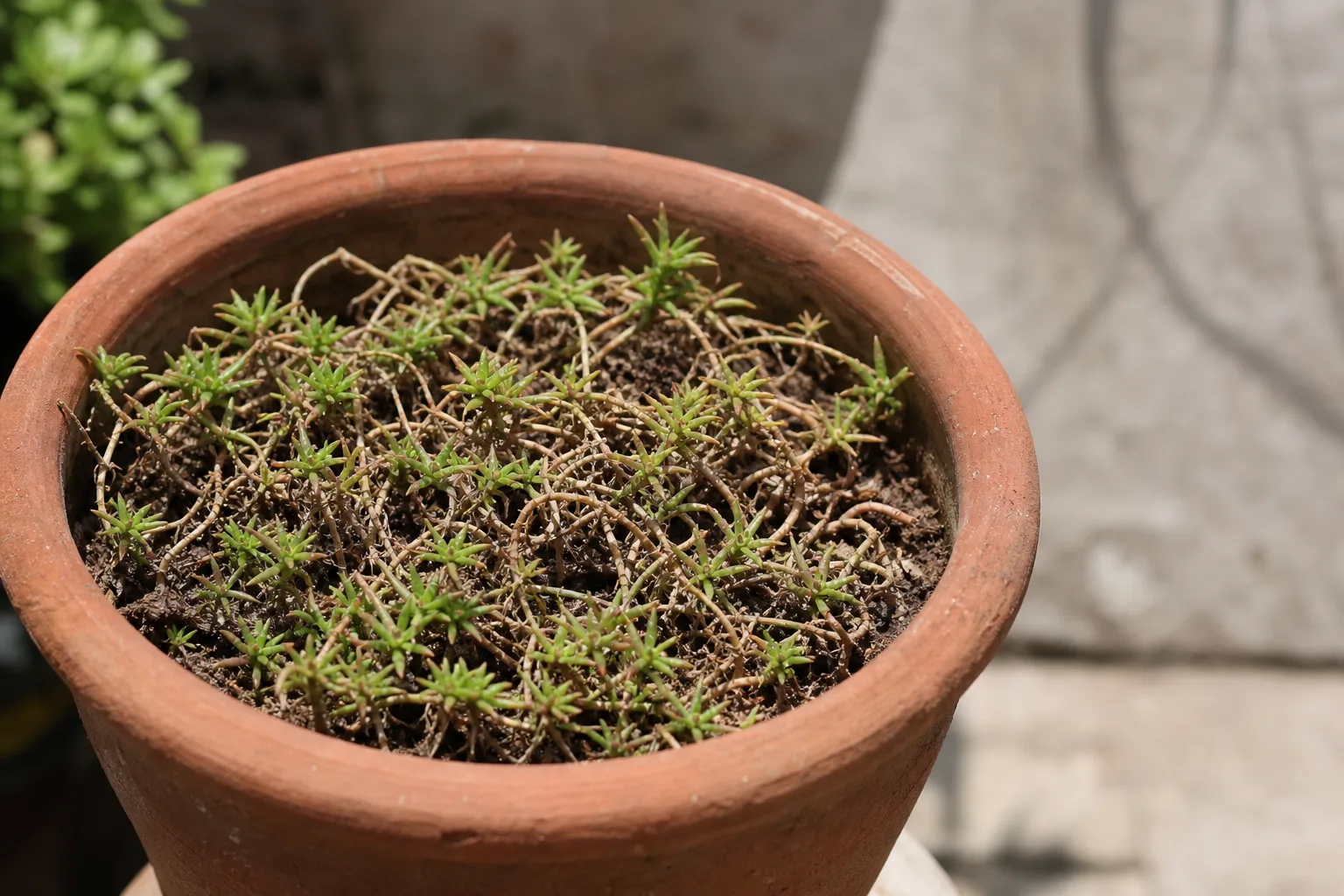
No New Growth on Portulaca: Causes, Checks & Fixes
This guide covers no new growth on Portulaca. See also the general No New Growth guide, watering, and light pages for this plant.
No New Growth on Portulaca: Causes, Checks & Fixes
Quick answer
No new growth on Portulaca (Portulaca grandiflora, Moss Rose) means stem tips stay frozen for weeks-zero fresh leaves, buds, or outward spread-while older fleshy tissue may still look alive. That full-stop pattern is different from slow growth, where tips inch forward at a low pace, and from stunted growth, where the plant stays miniature but may show occasional tiny tips.
First fix: move to the sunniest warm spot available and confirm overnight lows are warm before expecting fresh tips. Portulaca is a warm-season annual that only pushes new stems and flowers once days stay hot and bright. Without full sun and warm nights, Moss Rose can look alive for weeks while producing zero new tips.
If flowers never open at midday, also check not enough light. If stems stretch weakly toward windows, see leggy growth.
What no new growth looks like on Portulaca
Stem tips stay the same size for weeks with no fresh leaves or buds. Trailing stems look static while soil cycles slowly. Flowers do not open on cloudy or rainy days-chronic shade mimics that stall every day, not just during weather. In deep shade, internodes may stretch slightly but the plant never spreads outward into the dense mat Moss Rose is known for.
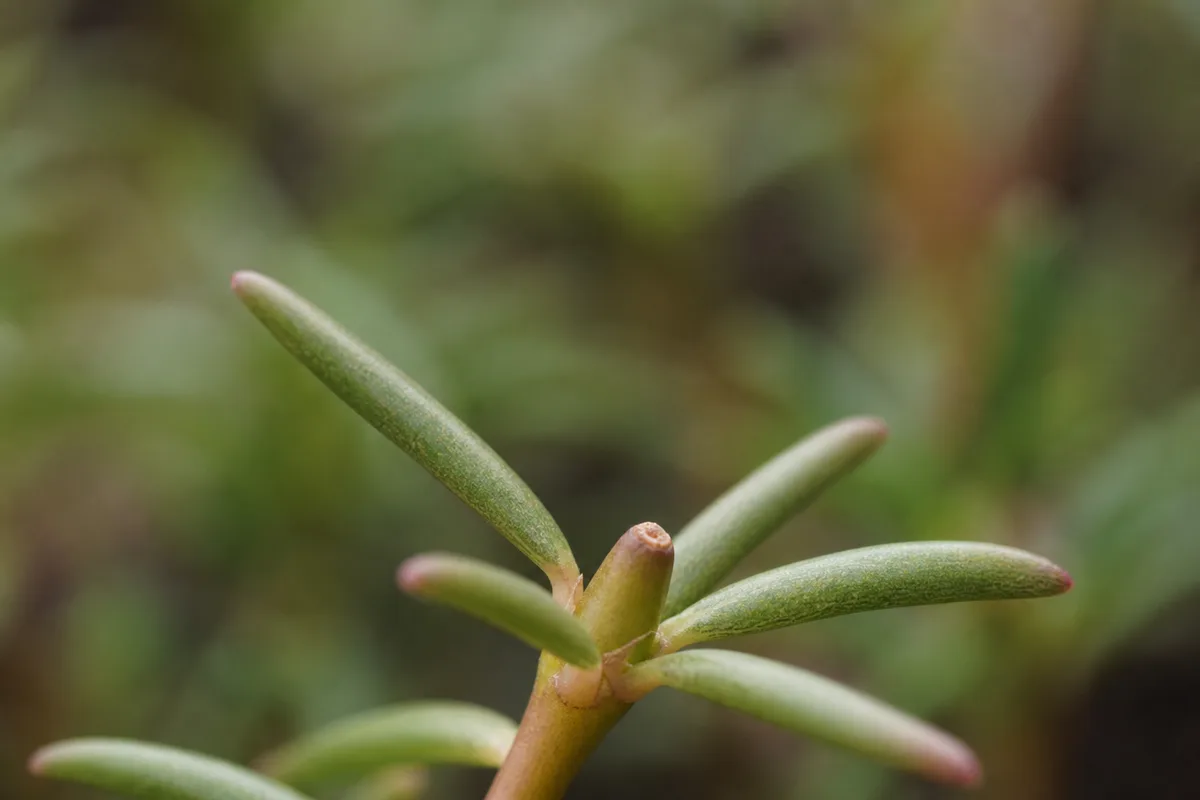
No New Growth symptoms on Portulaca - compare with healthy tissue on the same plant.
After transplant, the whole plant can sit unchanged for one to two weeks because Moss Rose does not take well to transplanting when seedlings or starts are moved roughly.
When rot is involved, growth stops alongside soft yellow stems at the soil line, sour-smelling mix, or wilting on wet soil. That pattern is different from a cool-weather wait-stems feel mushy rather than firm and drought-tolerant. Escalate to the root rot rescue guide when crown tissue blackens.
At season’s end, an annual naturally stops investing in new tissue. Late-autumn stall on a spent plant is expected-not a care mistake you can reverse.
Why Portulaca stops producing new growth
This page covers full-stop stalls-zero fresh tips for weeks. Shared heat-and-sun mechanics also appear on slow growth and stunted growth pages; use those guides if your main symptom is gradual pace or permanent miniature size.
Cool spring metabolism pause (normal wait)
Moss Rose is built for open, sunny ground in hot weather. In cool spring, shaded balconies, or air-conditioned rooms, metabolism stays low even if you water on schedule. Best growth and blooming do not kick in until summer heat arrives-before that, a complete tip stall can be normal. Wisconsin Extension describes Moss Rose as frost tender and dependent on warmed soils before active spread begins.
Insufficient direct sun
Portulaca needs full sun-6 or more hours of direct sunlight to photosynthesize and open flowers. Chronic shade stops new tips entirely. For placement depth, see the Portulaca light guide.
Hidden root rot on plump leaves
overwatering on Portulaca in cool, slow-drying soil suffocates roots while older fleshy leaves still look plump-a dangerous mask during a full-stop stall. Crown rot may occur in poorly drained soils. Wet-soil patterns overlap with overwatering.
Oversized-pot moisture trap
A pot much larger than the root ball holds excess wet soil around shallow roots. The crown stays damp for days after one watering, stalling tips even when you think you are being careful. This trap is common on terrace containers-see pot too large if the mix never dries.
Transplant shock pause
Rough handling at transplant can freeze the whole plant for one to two weeks. Wait through one warm spell before deciding the stall is permanent.
End-of-season spent annual
Once nights cool in late autumn, Moss Rose stops pushing new tissue as the annual life cycle finishes. Replacement-not rescue-is the correct response.
How to confirm the cause
Use this six-step checklist before stacking fixes:
- Log overnight lows for one week. Cool nights below roughly 50–55°F (10–13°C) delay growth in frost-tender annuals. If lows stay cool, a full tip stall may simply need heat-not fertilizer.
- Count midday direct sun hours on the pot. Portulaca needs 6+ hours of unobstructed direct light. Reflected indoor brightness does not count.
- Measure tip size against last week’s mark. True no-new-growth means zero change at every stem tip for two or more weeks-not slow inching.
- Press stems at the soil line. Firm and drought-tolerant suggests a site or temperature pause. Soft, yellow, or mushy tissue points to rot-unpot next.
- Check the calendar. Late-autumn stall on a spent annual is expected. Early-spring stall before hot, dry weather arrives can last several weeks without indicating failure.
- Compare neighbors in the same bed. Moss Rose in full sun that is actively spreading confirms your stalled plant has a site, pot, or root problem-not a species-wide slow week.
Neighbor comparison in the same bed
Place your stalled pot beside an actively spreading Moss Rose in the same planting. If the neighbor opens flowers at midday and pushes fresh tips while yours stays frozen, your placement or roots are the limit-not the weather alone.
First fix for Portulaca
Cool-and-shade stall: sun move and dry-down
Move to the sunniest warm spot available-open ground, unobstructed railing, or roof terrace with at least six hours of direct sun. Let soil dry fully before the next drink; cool wet mix both stalls growth and invites rot.
Do not fertilize heavily while the plant is stalled in dim or cool conditions-that produces weak stretch, not useful new tips. Make this one change first and wait one to two weeks in warm weather before stacking Portulaca repotting guide or pruning.
Rot suspected: stop water, unpot, trim, repot dry
If stems soften, soil smells sour, or the pot stays heavy for days:
- Stop watering immediately.
- Slide the plant out and shake off wet mix.
- Trim mushy roots and any blackened crown tissue with clean scissors.
- Repot into dry sandy mix-roughly two parts grit or perlite to one part potting soil-with a container only slightly larger than the trimmed root ball.
- Wait five to seven days before the first light drink.
Full crown-collapse rescue steps live in root rot on Portulaca. Advanced rot on a shallow-rooted annual rarely rebounds-replacement may be wiser than repeated soaking.
Recovery timeline
Once days stay consistently warm and sun is strong, Moss Rose often pushes fresh tips within one to two weeks. Early spring plantings may show no new growth until hot weather arrives-that wait can last several weeks without indicating failure.
Field example (May–June terrace): A south-facing-rail Moss Rose showed zero fresh tips for four cool May weeks despite regular watering. Moved to open ground in mid-June when overnight lows stayed above 60°F (16°C). First firm tips and midday-open blooms appeared within 12 days-no fertilizer added.
Season-long stall in full sun with firm stems suggests root damage, wrong site, or chronic wet soil. Advanced crown rot rarely rebounds; replacement is more realistic than repeated feeding.
Judge recovery by new firm tips and flower buds opening at midday-not by old stems magically lengthening on their own.
Lookalike symptoms
| Pattern | Tip movement | Typical cause | Next page |
|---|---|---|---|
| No new growth (this page) | Zero fresh tips for weeks | Cool shade, wet roots, transplant pause, spent annual | - |
| Slow growth | Tips inch forward slowly | Low heat or light pace issue | slow growth |
| Stunted growth | Frozen miniature habit | Chronic shade, wet soil, oversized pot | stunted growth |
| Leggy stretch | Long weak stems toward light | Insufficient direct sun | leggy growth |
| Wet-root decline | Full stop plus soft crown | Overwatering, poor drainage | root rot |
| End-of-season spent | Stall in cool autumn | Annual life cycle finishing | Replace, do not rescue |
Root rot can mimic a cool pause until stems soften-stem or root rots occur in wet soils. underwatering on Portulaca in extreme drought may cause slight wilting, but Moss Rose tolerates dry spells far better than wet ones-check moisture before assuming thirst.
What not to do
Do not push growth with frequent water or high nitrogen in shade-that invites rot without producing blooms. Do not plant outdoors before frost danger passes and soil warms. Do not assume hunger is the cause; Moss Rose thrives in poor to average soil and needs light and heat more than feed.
Do not repot repeatedly hoping to jump-start a stalled plant unless roots are clearly failing-transplant stress can extend the pause. See Portulaca repotting for timing guidance.
Do not keep Moss Rose indoors on dim shelves expecting summer performance. Air-conditioned rooms create a permanent cool-shade stall unlike outdoor spring wait.
How to prevent no new growth on Portulaca
Plant when temperatures are consistently warm. Site in full sun with sandy, well-drained soil. Water sparingly until active spread begins. Handle seedlings gently at transplant. Match pot size to root mass on terraces and hanging baskets.
Accept that cool spring weeks may show little action until heat arrives-that is normal for Portulaca overview.
Practical checks
Urgency check
Low unless paired with soft stems, sour soil, or crown blackening.
Best inspection order
- Overnight temperature
- Midday sun hours
- New tip size (unchanged vs growing)
- Stem firmness at soil line
- Pot weight and dry-down speed
- Root check if wet or soft
Portulaca care cross-check
Moss Rose is built for drought and heat tolerance. Stalled pots in air-conditioned rooms or north-facing shade rarely wake up-move outdoors to sun rather than fertilizing indoors.
If this page does not match your symptom exactly, use:
Conclusion
Cool-wait stall: zero tips in cool or shaded spring-move to full sun and wait through warm weather. Rot stall: soft crown on wet soil-stop water, trim, repot dry, or replace. Spent annual: late-autumn freeze with no recovery expected-start fresh next season rather than forcing feed.
When to use this page vs other Portulaca guides
- Portulaca watering guide - Use for routine moisture checks before assuming no new growth is the main issue.
- Portulaca problems hub - Browse all 50 common issues on this species.