Stunted Growth on Portulaca: Causes, Checks & Fixes
Quick answer
Stunted growth on Portulaca usually means the plant never got enough heat and full sun, or roots are failing in wet soil. First step: Move to full direct sun in warm weather and let soil dry fully before the next watering.
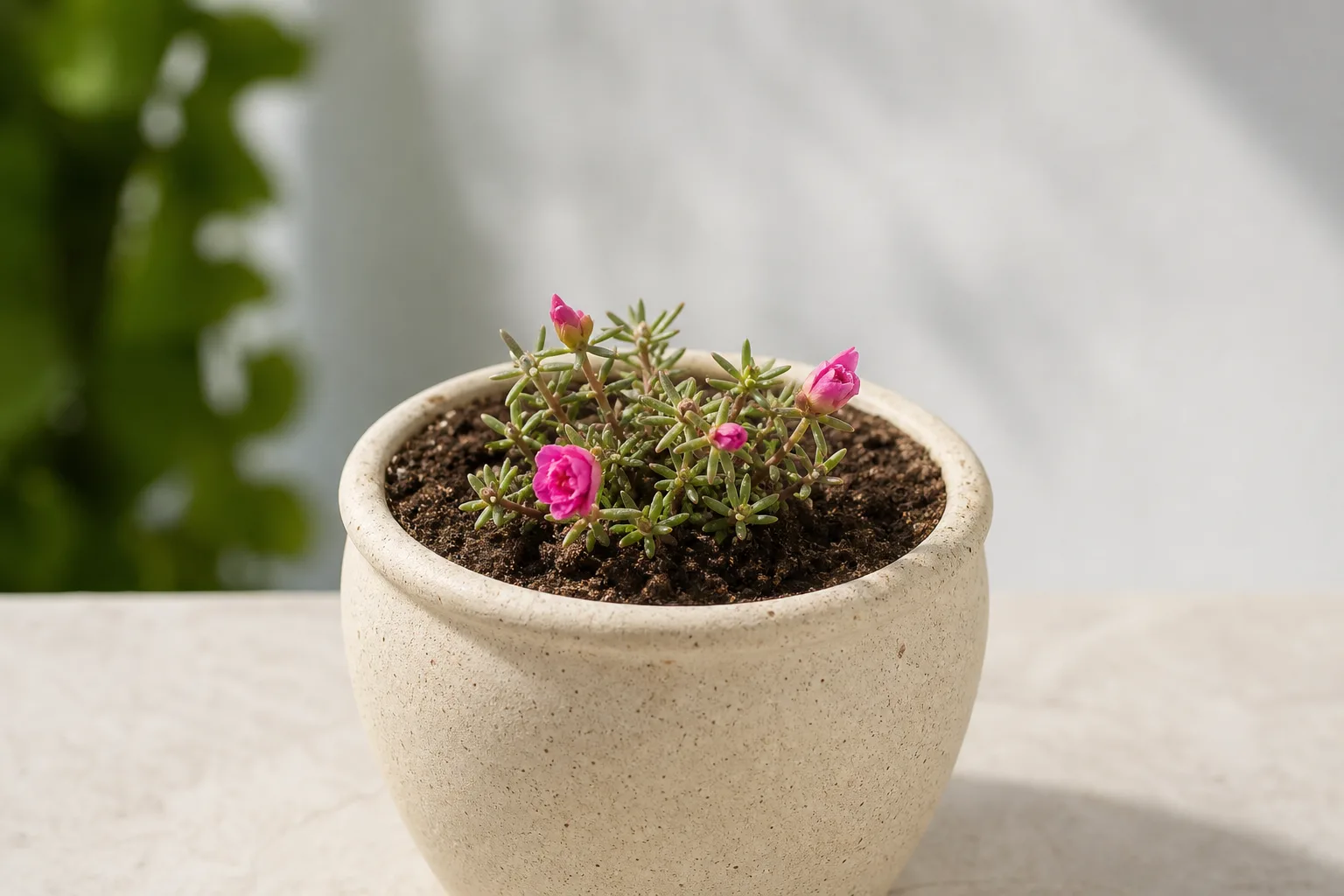
Stunted Growth on Portulaca: Causes, Checks & Fixes
This guide covers stunted growth on Portulaca. See also the general Stunted Growth guide, watering, and light pages for this plant.
Stunted Growth on Portulaca: Causes, Checks & Fixes
Quick answer
Stunted growth on Portulaca (Portulaca grandiflora, Moss Rose) usually means the plant never got enough heat and full sun, or roots are failing in wet soil. First fix: move to full direct sun in warm weather and let soil dry fully before the next watering.
Scope of this page: This guide covers Moss Rose that stays miniature and stuck-short internodes, tiny leaves, and a mat that never spreads for weeks. If tips still inch forward slowly, open slow growth on Portulaca instead. If growth has stopped entirely, start at no new growth. If weak stretch toward light is the main symptom, see not enough light.
Portulaca is a warm-season annual built to spread quickly in hot, bright conditions. When Moss Rose stays miniature-short stems, small leaves, and a mat that never fills out-the limiting factor is almost always site or roots, not a lack of fertilizer.
What stunted growth looks like on Portulaca
The plant stays noticeably smaller than neighbors of the same age. Stems remain short with tight internodes instead of trailing outward. Leaves look undersized and may stay pale or dull green. Flowers are sparse, tiny, or fail to open at midday when shade is the issue-distinct from normal cloud-cover closing on overcast days only.
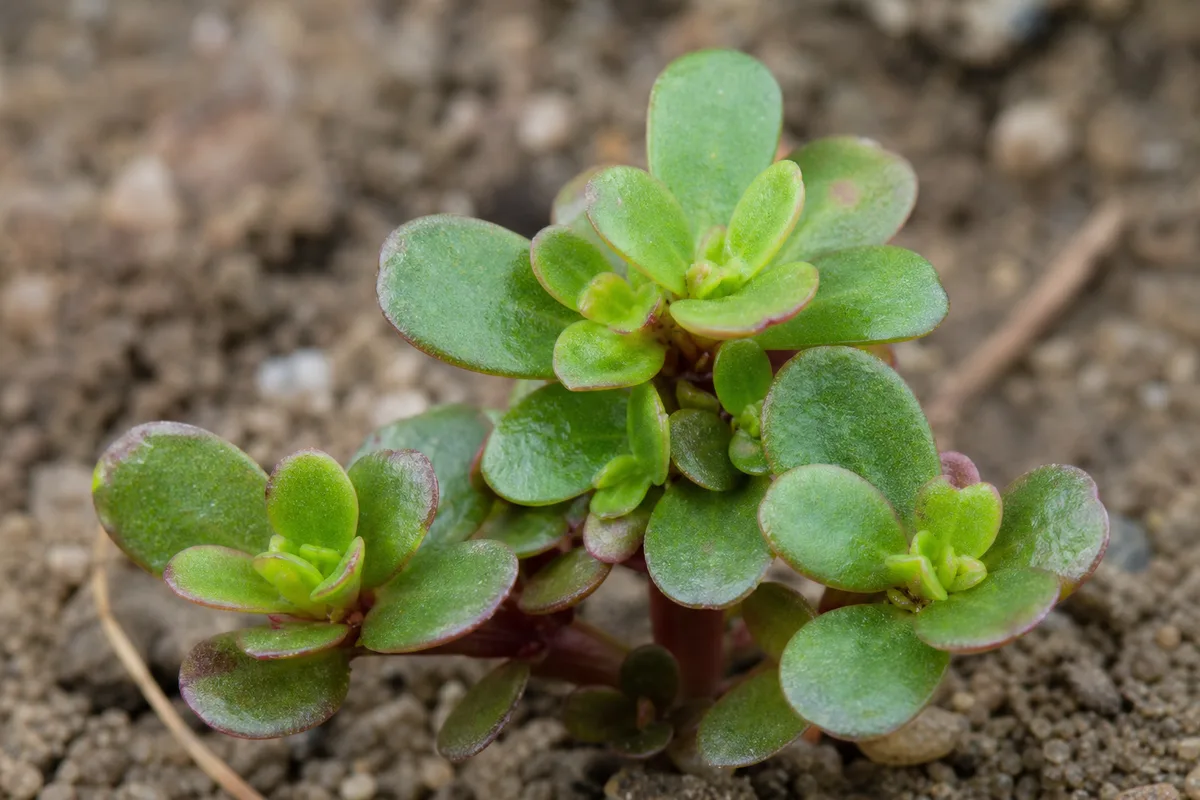
Stunted Growth symptoms on Portulaca - compare with healthy tissue on the same plant.
Unlike slow growth, where tips inch forward gradually, stunted Moss Rose can look frozen at seedling size for weeks. Unlike no new growth, you may see occasional tiny tips-but they never develop into the dense, spreading mat Portulaca is known for. NC State notes mature plants form a mat 8 inches tall and about 1 foot wide in good conditions-a four-week-old plant in full June sun that is still only a few centimeters wide has a real stunting issue.
When rot is involved, stunting comes with soft yellow stems at the soil line, sour-smelling mix, or wilting on wet soil. Stems feel mushy rather than firm and drought-tolerant-that overlap belongs on the root rot guide, not a simple sun-and-heat wait.
Why Portulaca stays stunted
Moss Rose is adapted to hot, dry plains in South America as a drought and heat tolerant annual. In cool spring, shaded balconies, or air-conditioned rooms, metabolism stays low and the plant never invests in size even if you water on schedule. Proven Winners notes best growth between 70°F and 90°F-before summer heat arrives, a miniature appearance can be normal but should resolve once temperatures rise.
Insufficient direct sun is the other major limit. Portulaca needs full sun-6 or more hours of direct sunlight to photosynthesize and open flowers reliably on bright days. Chronic shade keeps the plant small; stems may elongate weakly toward windows but never form the low, spreading habit Moss Rose is known for-see not enough light when closed flowers and lean are the headline symptoms.
Hidden root rot also caps size without obvious collapse at first. Overwatering in cool, slow-drying soil suffocates shallow roots while older fleshy leaves still look plump. A pot that is too large holds excess wet soil around a small root ball and can stunt spread for the whole season-cross-check pot too large and overwatering when the container stays heavy for days.
Heavy or frequent feeding in shade produces weak, leafy stretch without the compact mat you expect. Portulaca thrives in poor to average soil and needs light and heat more than nitrogen. Transplant shock after rough handling can also leave seedlings stuck at a fraction of normal size for one to two weeks-NC State warns Moss Rose does not take well to transplanting.
How to confirm the cause
Work through these checks before stacking fixes:
- Log overnight lows and midday direct sun on the pot-not reflected indoor brightness. Cool nights below ~50°F (10°C) slow warm-season annual metabolism; Proven Winners flags cold damage below that range.
- Measure mat spread against plant age. The same miniature size in early April cool weather may simply need more heat; persistent miniature growth in full July sun signals a fixable site or root problem.
- Compare neighbors in the same bed. Moss Rose in full sun that is actively spreading confirms your miniature plant has a placement or root problem, not a species-wide slow week.
- Check flower behavior on a clear day at noon. Closed blooms on sunny afternoons point to shade or root stress-not normal photonasty closure.
- Press stem firmness at the soil line and lift pot weight. Firm stems on a light, dry pot suggest heat or light limits. Soft bases on a heavy wet pot suggest rot.
- Unpot gently if sun seems adequate but spread never starts-check root firmness and soil smell for hidden rot.
Rule out end-of-season decline by checking the calendar: late autumn shrinkage on a spent annual is expected, not a fixable stunting problem.
Cool-spring wait vs. summer stunting vs. rot
| What you see | Sun hours | Stem firmness | Soil moisture | Urgency | First move |
|---|---|---|---|---|---|
| Miniature mat, firm stems, cool nights, early season | Low to moderate | Firm | Dry to normal | Low - wait for heat | Move to sunniest warm spot; hold 2 weeks |
| Miniature mat, firm stems, full summer sun | 6+ direct | Firm | Dry rhythm | Medium - real stunting | Unpot for hidden rot; check pot size |
| Tiny plant, closed flowers on sunny days | Under 6 direct | Firm | Often damp surface | Medium | Not enough light + dry-down |
| Miniature + soft yellow base + sour smell | Any | Soft at crown | Wet, heavy pot | High - same day | Stop water; root rot rescue |
| Occasional tiny tips, no spread for weeks | Adequate | Firm | Normal | Medium | Compare with slow growth pace |
First fix for Portulaca
Move to the sunniest warm spot available-open ground, unobstructed railing, or roof terrace with at least six hours of direct sun. Let soil dry fully before the next drink; cool wet mix both caps size and invites rot.
Do not fertilize heavily while the plant is stunted in dim or cool conditions-that produces weak stretch, not useful spread. Make this one change first and wait one to two weeks in warm weather before stacking repotting or pruning.
If rot is suspected-soft stems, sour soil-stop watering, unpot, trim mushy roots, and repot into dry sandy mix per the root rot guide before expecting any catch-up growth.
Step-by-step recovery
Once sun and warmth are corrected, watch for new firm tips and flower buds opening at midday on clear days. If the pot is oversized and stays wet, shift to a smaller container with sandy, well-drained mix per the portulaca soil guide rather than adding feed.
Pinch only the weakest elongated stems after light improves-do not shear a stressed plant hoping to force bushiness. Handle repotting gently; Moss Rose seedlings do not tolerate rough transplanting.
If stunting persists in full sun with firm stems and dry soil rhythm, inspect for aphids on tender tips or leaf miners on fleshy leaves. Treat pests before assuming hunger.
Terrace recovery snapshot (practical heuristic)
On a Bengaluru terrace in late May, a 15 cm nursery pack Moss Rose sat miniature on a north-facing rail for three weeks while the same cultivar in a south-facing basket reached normal spread. After relocation to six-plus hours of direct sun and a return to dry-down watering, the stunted pot began widening within 10–14 days-new firm tips and midday flower opening were the first positive signs. This timeline is a field observation, not a guarantee; cool monsoon overcast can extend the wait.
Recovery timeline
Once days stay consistently warm and sun is strong, Moss Rose often begins spreading within one to two weeks. Early spring plantings may stay miniature until hot, dry weather arrives-that wait can last several weeks without indicating permanent failure.
Improvement signs:
- New firm tips and widening mat spread week over week
- Flower buds opening at midday on sunny days
- Pot weight dropping predictably before the next soak per the watering guide
Worsening signs:
- Softening at the crown despite corrected sun
- Sour soil smell or wilting on wet mix
- Zero spread after two full warm weeks in six-plus hours of sun with firm stems-inspect roots
Season-long stunting in full sun with firm stems suggests root damage, wrong site, or chronic wet soil. Advanced crown rot rarely rebounds; replacement is more realistic than repeated feeding.
Judge recovery by new firm tips, widening mat spread, and flower buds opening at midday-not by old undersized stems magically lengthening on their own.
Lookalike symptoms
Slow growth is gradual-tips inch forward but never accelerate. Stunted growth is staying undersized for weeks with little spread.
No new growth is a full stop with zero fresh tips.
Not enough light shows closed flowers and leggy lean toward windows; deep shade may show neither spread nor healthy stretch.
Root rot can mimic a cool pause until stems soften on wet soil.
Leggy growth stretches toward light with wide gaps; stunted plants often stay compact but tiny.
Underwatering in extreme drought may cause slight wilting on a light pot, but Moss Rose tolerates dry spells far better than wet ones-confirm bone-dry soil and firm crown before soaking.
Pale leaves from nitrogen lack can overlap with shade stunting-confirm sun hours before feeding.
What not to do
Do not push size with frequent water or high nitrogen in shade-that invites rot without producing blooms. Do not plant outdoors before frost danger passes and soil warms. Do not assume hunger is the cause; Moss Rose thrives in poor to average soil and needs light and heat more than feed.
Do not repot repeatedly into larger pots hoping for faster spread-oversized containers hold moisture and worsen stunting. Do not keep Moss Rose indoors on dim shelves expecting terrace performance.
Do not confuse cool spring miniature size with permanent stunting-give warm sun two weeks before deciding the plant will never catch up.
Do not repot and treat pests on the same stressed day-stabilize sun and moisture rhythm first.
How to prevent stunted growth on Portulaca
Plant when temperatures are consistently warm and frost risk has passed. Site in full sun with sandy, well-drained soil. Water sparingly until active spread begins per the portulaca watering guide. Handle seedlings gently at transplant. Match pot size to root mass-avoid drowning small roots in a large wet soil mass.
During monsoon overcast weeks on Indian terraces, evaporation slows; miniature appearance can linger longer even in correct sun-pull back watering rather than fertilizing. Accept that cool spring weeks may show little size gain until heat arrives-that is normal for this species, but persistent miniature growth in summer sun signals a fixable problem.
When to worry
Act today when stunting pairs with:
- Soft yellow or blackening stems at the soil line
- Sour-smelling mix on a heavy, wet pot
- Crown collapse or wilting that does not improve after soil dries
- More than one-third of roots mushy after a gentle unpot
That pattern is rot overlap-follow root rot on Portulaca rescue rather than waiting for heat.
Lower urgency when firm stems sit on dry soil in early spring or during a cool monsoon spell-give two warm weeks in full sun before deciding the plant is permanently stunted.
If stunting persists through peak summer with six-plus hours of direct sun, firm stems, and correct dry-down, contact your local cooperative extension office or a master gardener clinic for site-specific help-persistent failure may indicate cultivar limits in your climate; Wisconsin Extension notes Sundial-series cultivars bloom better in cooler, cloudier weather than standard Moss Rose.
Practical checks
Urgency check
High when miniature size pairs with soft stems, sour soil, or crown blackening. Low when firm stems on dry soil show miniature habit in cool early season-wait for heat before escalating.
Best inspection order
Overnight temperature, midday sun hours on the pot surface, mat spread vs. plant age, stem firmness at soil line, pot weight and soil dryness at 2–3 cm depth, then root check if wet or sun seems adequate but spread never starts.
Related Portulaca guides
- Slow growth on Portulaca - tips still move, just slowly
- No new growth on Portulaca - zero fresh tips
- Not enough light on Portulaca - closed flowers and lean deep-dive
- Root rot on Portulaca - soft-base escalation
- Leggy growth on Portulaca - stretch with wide internodes
- Pot too large on Portulaca - excess wet volume below shallow roots
- Overwatering on Portulaca - wet-mix rescue before rot
- Portulaca light needs - sun-hour targets and placement
- Portulaca overview - full Moss Rose care hub
Conclusion
Stunted Moss Rose is almost always a site or root problem-not hunger. Confirm whether cool weather, shade, or wet soil is capping spread; move to full sun and dry-down first; and use the decision table to separate a normal spring wait from summer failure or hidden rot. Judge progress by new firm tips and midday flower opening over the next two warm weeks-not by forcing size with fertilizer in dim conditions.
Frequently asked questions
How can I confirm stunted growth on Portulaca?
Confirm when Moss Rose stays undersized for weeks in warm weather-short stems, tiny leaves, and a mat that never spreads-while plants in full sun nearby reach normal width. Check whether flowers open at midday and stems feel firm, not soft at the base.
What should I check first on Portulaca?
Check direct sun hours, day and night temperatures, pot weight and soil dryness, and stem firmness at the soil line. Cool, shaded, or chronically wet pots keep Portulaca miniature even when older leaves look plump.
Will stunted Portulaca catch up to normal size?
Often yes once warm sunny weather and correct drainage arrive-Portulaca is built for fast spread in heat. Plants in chronic shade, wet soil, or advanced root rot may never reach full size and are better replaced than forced with fertilizer.
When is stunted growth urgent on Portulaca?
Urgent when small size comes with soft yellow stems, sour soil smell, or crown blackening-that pattern suggests rot, not a normal cool-weather wait. Act before the whole plant collapses.
How do I prevent stunted growth on Portulaca next time?
Plant after frost when temperatures stay warm, site in full direct sun with sandy draining mix, water only when soil is completely dry, avoid oversized pots that hold moisture, and handle seedlings gently at transplant.
Related tool
Use the Plant Problem Diagnosis Tool to narrow causes for stunted growth on this plant before changing multiple variables at once.