No New Growth on Jasmine: Causes, Checks & Fixes
Quick answer
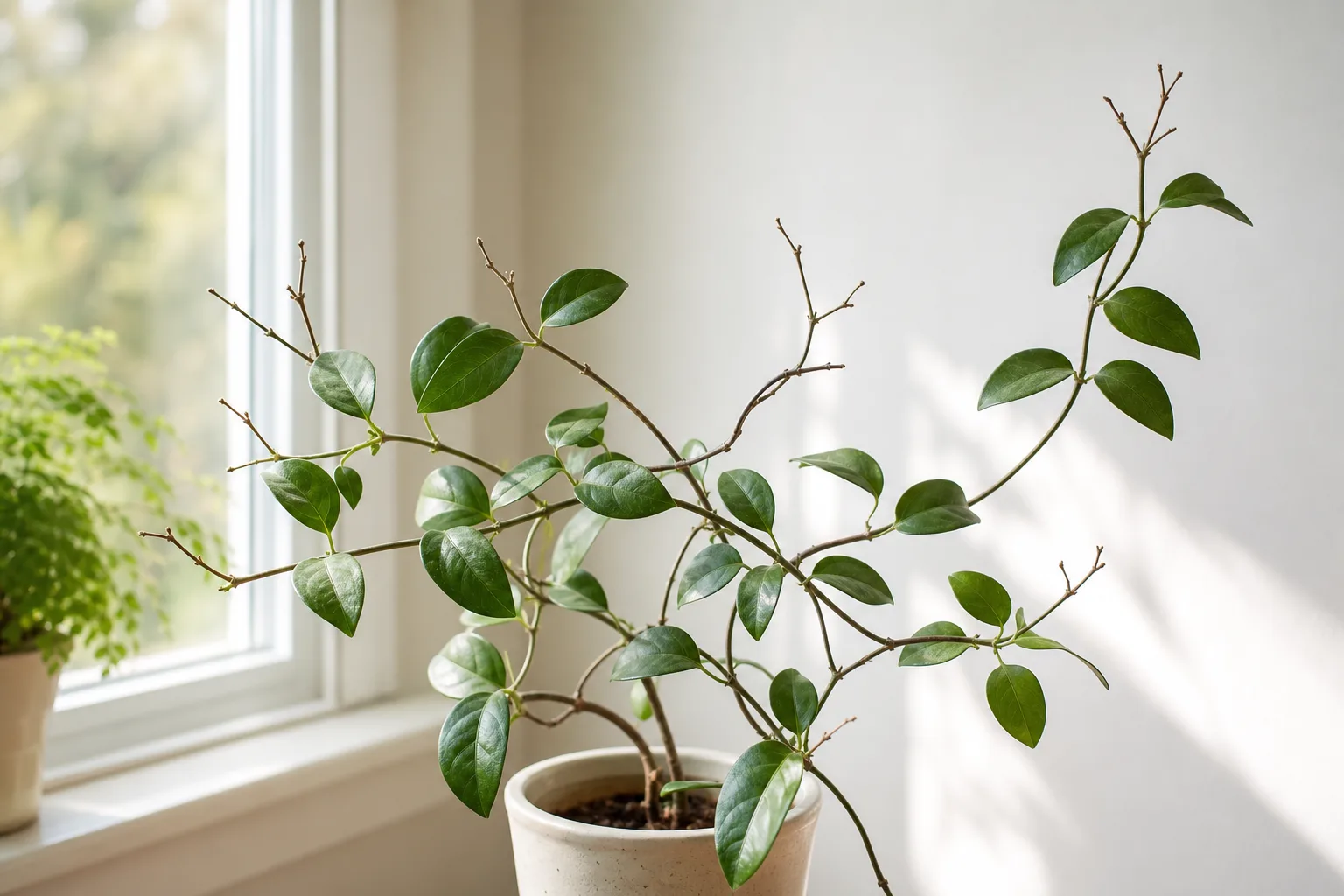
Common jasmine often pauses growth during cool winter rest, which is normal. If vine tips stay frozen through warm spring months, check light hours, root health, and watering before fertilizing. First step: confirm whether the plant is resting or stuck.
No New Growth on Jasmine: Causes, Checks & Fixes
This guide covers no new growth on Jasmine. See also the general No New Growth guide, watering, and light pages for this plant.
No New Growth on Jasmine: Causes, Checks & Fixes
Quick answer
No new growth on common jasmine (Jasminum officinale) is often seasonal-not a crisis. This vine blooms from spring to fall and rests from October through March, slowing or stopping new shoots during cool short days. That winter pause is normal when stems stay firm, leaves hold their color, and you have reduced watering appropriately.
If the vine stays frozen in place once days lengthen and temperatures rise-especially with pale leaves, no extending tendrils, or buds that never swell-the problem is usually cultural: too little direct sun, damaged or crowded roots, chronic wet soil, or pest stress after a dry indoor winter.
This page covers zero extending tips-no fresh shoots at all for weeks during what should be active growth. If the vine still pushes small leaves on short internodes, see stunted growth. If stems lengthen but no flowers form, see no flowers. If growth is merely slow rather than completely stopped, the slow growth guide may fit better.
First step: confirm whether the plant is resting or stuck. Check the calendar and scratch a lower stem. Green cambium under thin bark means the vine is alive but waiting. Mushy stems with sour soil in warm weather mean rot, not rest-and that needs a different response entirely.
No new growth vs. stunted growth vs. no flowers
| What you see | What it means | Where to go next |
|---|---|---|
| Zero new tips for six-plus weeks in warm months; same leaf count | Complete growth stall-light, roots, pests, or post-shock pause | Stay on this page |
| Small pale leaves on short internodes; some extension but never normal runner length | Stunted extension, not a full stop | Stunted growth |
| Long stems, no buds by early summer after adequate culture | Bloom failure, not a growth stall | No flowers |
| Barely lengthening tips once or twice a season | Slow culture, not zero growth | Slow growth |
What no new growth looks like on jasmine
Healthy winter rest and a problem stall can look similar at first glance. These patterns help you separate them.
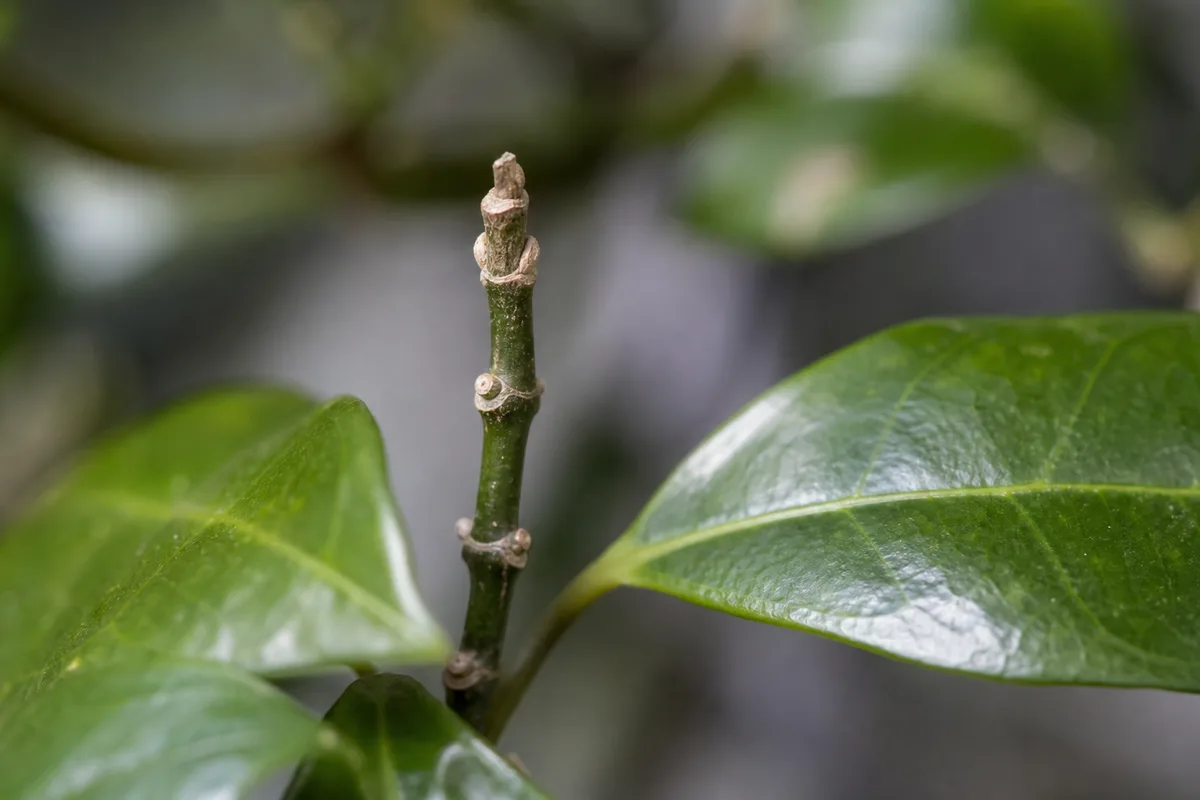
No New Growth symptoms on Jasmine - compare with healthy tissue on the same plant.
Normal seasonal pause
- Same leaf count for weeks during cool months with shorter days
- Firm woody stems; no widespread yellowing or leaf drop
- Pot dries slowly because the plant is using less water
- Vine may hold last season’s foliage without pushing new tendrils until spring
Problem stall (needs intervention)
- No new tips for six or more weeks once spring warmth arrives
- Buds fail to swell despite past years of summer bloom
- Tips brown without elongating-may signal cold damage, rot, or severe drought
- Lower leaves yellow while upper growth stays static-common with root-bound or overwatered vines
- Internodes stay short with small pale leaves in a dim corner-classic low-light conservation; see also not enough light
- Fine webbing on leaf undersides with speckled foliage-spider mites often surge after dry indoor winters
Do not confuse common jasmine with winter jasmine (J. nudiflorum), which flowers on bare stems in winter and has different growth rhythms. True Jasminum officinale pushes white fragrant blooms on leafy summer wood after its cool rest. Start at the jasmine overview if you are unsure which type you own.
Rest vs. stall vs. rot vs. mites - decision table
Use this table after you run the confirmation checks below. Compare what you see at the pot to route the right fix.
| Pattern | Calendar / season | Stems & soil | Leaves & tips | Most likely cause | First action |
|---|---|---|---|---|---|
| Winter rest | October–March; cool short days | Firm woody stems; mix dries slowly on reduced watering | Stable green foliage; no yellowing wave | Normal semi-dormancy | Wait; resume watering as days lengthen |
| Spring stall | Late spring or summer; warm nights | Firm stems; mix dries on a normal rhythm | Pale tips static six-plus weeks; no bud swell | Low light or root-bound pot | Increase direct sun; inspect roots before feeding |
| Root rot | Any warm month | Mushy stems at base; sour-smelling wet mix | Lower leaves yellow; tips abort | Chronic wet soil, winter overwatering | Unpot, trim rot, repot-see root rot |
| Spider mites | Often after dry indoor winter | Firm stems; mix may dry fast | Stippling + fine webbing on undersides | Dry heated air, low humidity | Rinse undersides; see spider mites |
| Cold damage | After harsh frost or cold draft | Tips brown; bark may crack on exposed shoots | Wilted or blackened new wood | Freeze or chill injury on tender growth | Trim to live wood; see cold damage |
Why jasmine stops growing
Several causes fit Jasmine overview’ biology better than generic houseplant advice.
Winter semi-dormancy is built in
Indoor and container-grown common jasmine naturally slows from autumn into early spring. During rest, the vine conserves energy rather than extending runners. Keep plants cool in winter and let them rest; growth resumes when light and warmth increase-typically as you resume normal watering in late winter.
Insufficient direct sun limits spring break
Jasmine is a climbing vine that needs strong light to fuel vigorous extension. NC State Extension lists full sun as six or more hours of direct light daily, with partial shade as two to six hours for J. officinale. Jasmines need fertile, well-drained soil in sun or partial shade-roughly four to six hours of direct sun for indoor and container vines. Leaves may persist in mediocre indoor light, but new shoots stall because photosynthesis cannot support tip growth. Vines in north-facing rooms or far from windows often look “alive but idle” for months.
Root-bound pots exhaust the root zone
Moderately fast growth of twelve to twenty-four inches per year fills containers within about two years. When roots circle into a dense mat, little fresh soil remains to hold water and nutrients. The vine dries out within hours after watering yet cannot expand-growth pauses even when you feed. See the dedicated root-bound guide for circling-root patterns and repot timing.
Root rot from chronic wet soil
Overwatering during low-light winter months-or keeping a vine in soggy mix year-round-kills fine absorbing roots. The plant cannot take up water or nutrients, so tips stop even if you add fertilizer. Soft stems and sour-smelling soil confirm this path. Escalate to the root rot guide when mushy tissue is widespread.
Spider mites after dry indoor winters
Spider mites prefer warm, dry environments with low humidity-conditions common indoors during winter heating season. Heavy feeding weakens the vine silently before you notice webbing. Growth stalls because the plant is losing resources to pests, not because it lacks fertilizer.
Recent Jasmine repotting guide or environmental shock
A vine repotted, moved outdoors abruptly, or shifted from a cool rest room to a warm living room may pause for two to four weeks while roots re-establish. This is temporary if stems stay firm and soil moisture is balanced.
Young plants still establishing
Newly purchased cuttings or small nursery pots sometimes show little extension in their first season while roots colonize the container. Patience is reasonable if light is adequate and roots look white and firm when checked.
Cold damage after harsh winter
Exposure to frost, a cold draft against glass, or a sudden outdoor move before nights warm can kill tender shoot tips without immediately browning the whole vine. Tips stop extending while lower wood stays firm-a pattern that overlaps with stall but traces to temperature injury. Read the cold damage guide if brown or blackened new wood appeared after a freeze event.
How to confirm the cause
Work through these checks in order before changing care.
- Calendar and temperature - Cool short days from October through March fit normal rest. If it is late spring or summer and nights stay above 10°C (50°F), expect active growth unless something else is wrong. Indoors, night temperatures of 50 to 55°F and day temperatures of 68 to 72°F support healthy jasmine rhythm during the growing season.
- Stem scratch test - Scrape a thin line on a lower stem. Green tissue underneath means the vine is alive. Brown or mushy bark with wet soil suggests rot.
- Midday shadow test - At noon, hold your hand above the foliage. Almost no shadow means light is likely limiting growth indoors. Indoor jasmines need at least four hours of direct sunlight daily or strong supplemental light.
- Pot weight and moisture - Lift the pot after watering. A bound root ball feels light again within a day. Constant heaviness with sour smell suggests oversaturation and possible root damage.
- Unpot inspection - Slide the plant out carefully. White firm roots with circling at the edges confirm root-bound stress. Brown mushy roots confirm rot. A small root ball swimming in a huge wet pot suggests oversize container stall.
- Pest check - Examine leaf undersides with a hand lens. Webbing, stippling, or moving specks point to spider mites-not dormancy.
- Recent changes - Note repotting, hard pruning, or a move in the last four weeks. Temporary pause after shock is common if basics are otherwise sound.
If winter rest checks pass-firm stems, appropriate reduced watering, no pests-wait until days lengthen rather than forcing growth with feed or heat.
First fix for jasmine
Confirm the season, then match your next action to what you find.
If the vine is in normal winter rest with firm stems: do nothing aggressive. Keep the plant cool and bright, water lightly every ten to fourteen days per the jasmine watering guide, and hold fertilizer until new tips appear in spring. Resume normal watering as February days lengthen.
If spring has arrived and the vine is stuck: increase direct sun to four to six hours daily, moving the pot gradually over seven to ten days so leaves do not scorch. That single environmental correction fixes more stalled jasmines than fertilizer ever will-provided roots are still healthy.
Only after light and season are ruled out should you unpot to address roots or pests. Do not repot and fertilize on the same day on a weak vine.
Step-by-step recovery
Once you have identified the cause beyond normal rest, follow the matching path.
Low light:
- Move to the brightest south or west window, or place outdoors from late spring through early autumn in partial shade if your climate allows.
- Rotate the pot weekly so inner stems receive light.
- For rooms that cannot deliver four hours of direct sun, add a full-spectrum grow light positioned 30–45 cm (12–18 in) above the canopy for fourteen to sixteen hours daily during the growing season-enough intensity to cast a faint midday shadow on the leaves.
- After two weeks of stronger light, pinch the top inch of the longest stem above a node to encourage branching-only if the vine looks turgid, not wilted from root issues.
Root-bound:
- Repot one container size up in early spring using fresh well-draining mix.
- Tease or score outer circling roots gently; do not remove more than one-third unless tissue is mushy.
- Water to settle, then wait until the top inch of mix dries before watering again.
- Hold heavy feeding for two weeks until new white root tips or fresh leaf break appear.
Root rot:
- Unpot and trim all brown mushy roots back to firm white tissue.
- Repot into clean mix in a pot sized to the remaining root ball-not oversized.
- Water sparingly until new growth shows; rot recovery depends on roots regrowing, not leaves recovering.
Spider mites:
- Wash the plant thoroughly with a forceful spray of lukewarm water, targeting leaf undersides, early in the morning.
- Repeat every three to five days for three weeks; raise humidity above fifty percent if possible.
- Resume normal growth monitoring only after webbing and stippling stop spreading.
Post-repot shock:
- Keep the vine in bright indirect light for one week, then gradually increase direct sun.
- Maintain even moisture without saturation; avoid fertilizer until new tips emerge.
Recovery timeline
Winter rest resolves on its own over six to twelve weeks as days lengthen-expect visible tip break in early to mid-spring on established vines.
Light correction often shows new pale tips within three to six weeks once direct sun hours increase.
Root-bound recovery after spring repot may take four to eight weeks before runner extension matches prior seasons.
Root rot recovery is slower and uncertain. If no new tips appear eight weeks after trimming rot and correcting watering, the remaining root mass may be too small to support the top growth.
Spider mite recovery typically follows two to three weeks of consistent rinsing; severely defoliated vines may need a full season to regain length.
Young establishing plants may sit quiet for one full growing season before moderate extension begins-this is acceptable when roots look healthy and light is adequate.
Lookalike symptoms
No new growth vs. no flowers: A vine can grow long stems without blooming if it missed cool winter rest. Growth stall means zero extending tips; no flowers means stems lengthen but buds never form. Both can coexist but need different fixes-chill for bloom per the no flowers guide, light and roots for extension.
No new growth vs. stunted growth: Stunted vines produce small leaves on short internodes-often from chronic low light or nutrient stress. A complete stall means tips do not move at all. The inspection path overlaps; light and roots are the shared starting point. Route to stunted growth when you see extension on a miniature scale.
No new growth vs. dying back: Dying vines show progressive stem browning from tips downward, widespread leaf drop, and soft crown tissue. A resting vine holds foliage and firm wood even without new shoots.
Mistakes to avoid
Do not force winter growth with heavy nitrogen fertilizer-soft etiolated shoots in dim conditions weaken the vine and invite pests.
Do not repot into a much larger pot hoping to jump-start growth. Excess wet idle soil around a small root ball stalls jasmine worse than a slightly tight pot.
Do not blast heat to “wake up” a resting vine. Common jasmine needs cool bright rest in winter; warm rooms year-round prevent both growth rhythm and future flowering.
Do not prune hard in early spring before confirming the vine is alive and out of rest-you may remove bud-bearing wood on summer-flowering jasmine.
Do not assume fertilizer deficiency before checking light and roots. A vine with damaged roots cannot use feed and may burn further.
How to prevent growth stalls next time
Plan repotting every two years in early spring before roots form a solid circling mat. Upsize one container size only.
Track seasonal rhythm: reduce watering in cool months per the watering guide, resume as February days lengthen, and provide four to six hours of direct sun during the active season.
After winter rest indoors, scout leaf undersides weekly for spider mites when humidity is low.
When moving outdoors for summer, transition gradually over seven to ten days to avoid shock stall.
Keep the vine on a trellis or support so light reaches inner stems-not just the outer shell of foliage.
When to worry
Act promptly if stems soften while soil stays wet in warm weather-that is rot, not dormancy, and delay risks losing the vine.
Investigate if growth remains zero through June despite corrected light, healthy roots, and appropriate watering-contact your local cooperative extension office or master gardener helpline if culture looks right but tips still will not move. Something systemic (severe mite load, hidden stem rot, cold damage, or wrong species identification) may need expert eyes on the plant.
A vine with more than half its stems brown and brittle after winter may have cold damage beyond simple rest; scrape stems-if cambium is dead on most shoots, recovery may require hard cutback to live wood or replacement. See cold damage for frost-injury recovery.
You do not need to panic over a quiet winter if stems are firm and the calendar fits rest. Patience through October to March is part of normal jasmine culture-not neglect.
Related jasmine problems
- Jasmine overview - species ID, winter rest rhythm, and baseline culture
- Jasmine watering - seasonal frequency and pot-weight checks during rest vs. active growth
- Stunted growth - when tips extend but stay short with small pale leaves
- Slow growth - when extension is minimal rather than completely zero
- Not enough light - pale conservation growth in dim rooms
- Root-bound - circling roots and fast dry-down patterns
- Root rot - mushy roots and sour soil in warm weather
- Spider mites - stippling and webbing after dry indoor winters
- No flowers - stems grow but buds never form
- Cold damage - brown tips after frost or chill exposure
When to use this page vs other Jasmine guides
- Jasmine watering guide - Use for routine moisture checks before assuming no new growth is the main issue.
- Jasmine problems hub - Browse all 53 common issues on this species.