No Flowers on Jasmine: Causes, Checks & Fixes
Quick answer
Common jasmine (Jasminum officinale) often fails to bloom without a cool winter rest of 7–13°C for 8–10 weeks to set buds. Check whether your vine got that chill, plus enough summer sun and potassium-rich feeding.
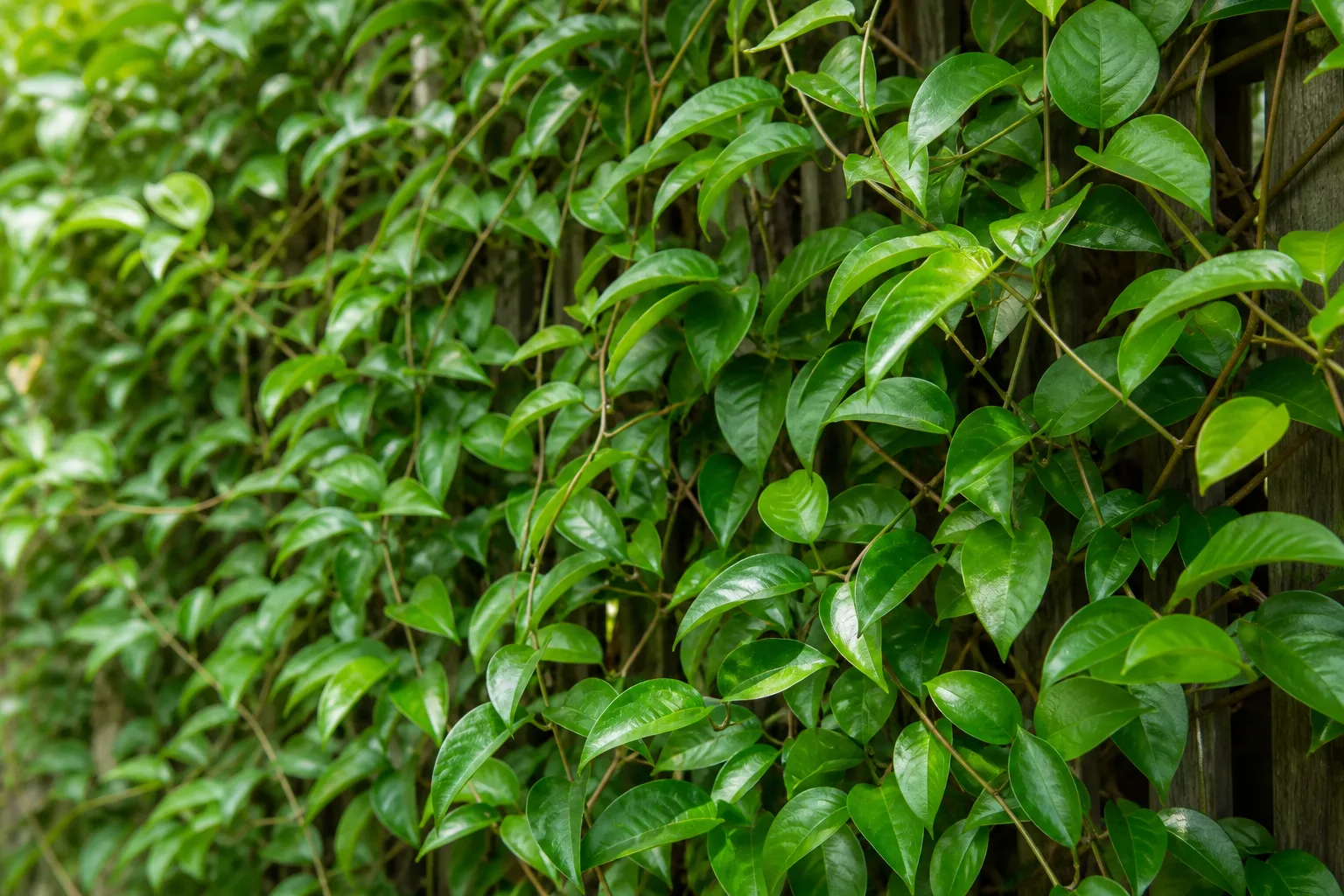
No Flowers on Jasmine: Causes, Checks & Fixes
This guide covers no flowers on Jasmine. See also the general No Flowers guide, watering, and light pages for this plant.
No Flowers on Jasmine: Causes, Checks & Fixes
Quick answer
Common jasmine (Jasminum officinale) is a vigorous summer-flowering climber that sets flower buds during a cool winter rest-not in warm living rooms. Without roughly 8–10 weeks at 7–13°C (45–55°F), many vines grow leaves all year but skip the white fragrant clusters the following summer.
First step: review last November through February. If night temperatures stayed above about 15°C (59°F) the whole time, missing chill is the most likely explanation-even when foliage looks glossy and green. Plan that cool rest for next autumn before you repot, fertilize heavily, or prune hoping for instant blooms.
This page covers complete flower absence-zero buds by early summer. If buds formed then dropped, see bud drop. If buds open but stay small or sparse, see small flowers. If the vine is pale and stretchy in a dim room, start with not enough light.
Why jasmine fails to flower
Three requirements drive blooms on J. officinale: a cool dormant period, strong light while in growth, and healthy twining stems on a support. Summer jasmines flower in summer on wood that matured after winter rest. Skipping chill, keeping the vine in a dim corner, or pruning heavily in spring removes the bud-bearing shoots. Container plants indoors year-round rarely cool enough unless you deliberately move them to a frost-free porch or cool greenhouse.
Winter chill and vernalization
Indoor growers often keep jasmine at 18–22°C (65–72°F) all winter because the plant still holds leaves. That warmth feels kind to the vine but blocks the cool rest common jasmine needs from October through March indoors. Vernalization-the physiological cue that switches the plant from leafy growth to reproductive development-requires sustained cool temperatures, not a few chilly nights.
A practical target for container culture: 8–10 consecutive weeks between 7–13°C (45–55°F) in a bright frost-free room, porch, or garage. Nights above 15°C (59°F) through the whole winter usually explain missing buds on otherwise healthy vines.
Light during bud formation
Even with perfect chill, dim summers fail the bloom test. NC State Extension lists full sun as six or more hours of direct light daily, with partial shade as two to six hours for J. officinale. A bright living room across the room from a window often falls short. Missouri Botanical Garden notes that indoor jasmine require plenty of light to flower, plus support and seasonal rest-foliage alone can mislead you into thinking care is fine.
Pruning timing on summer-flowering wood
Flowers appear on old growth from spring through fall, and the vine responds well to pruning after blooms fade. Summer jasmine is pruned just after flowering, not in early spring before buds form. A hard March cut on an unbloomed vine can remove the wood that would have carried this season’s clusters.
Container culture and feeding
Container vines depend on you for every input. Plants in containers need regular watering throughout the growing season with good drainage, but excess nitrogen during growth pushes soft leafy shoots without flowers. A high-potassium liquid feed during active growth supports bud development once chill and light are in place-it cannot replace them.
What no flowers looks like on Jasminum officinale
Healthy leaves, zero buds by early summer
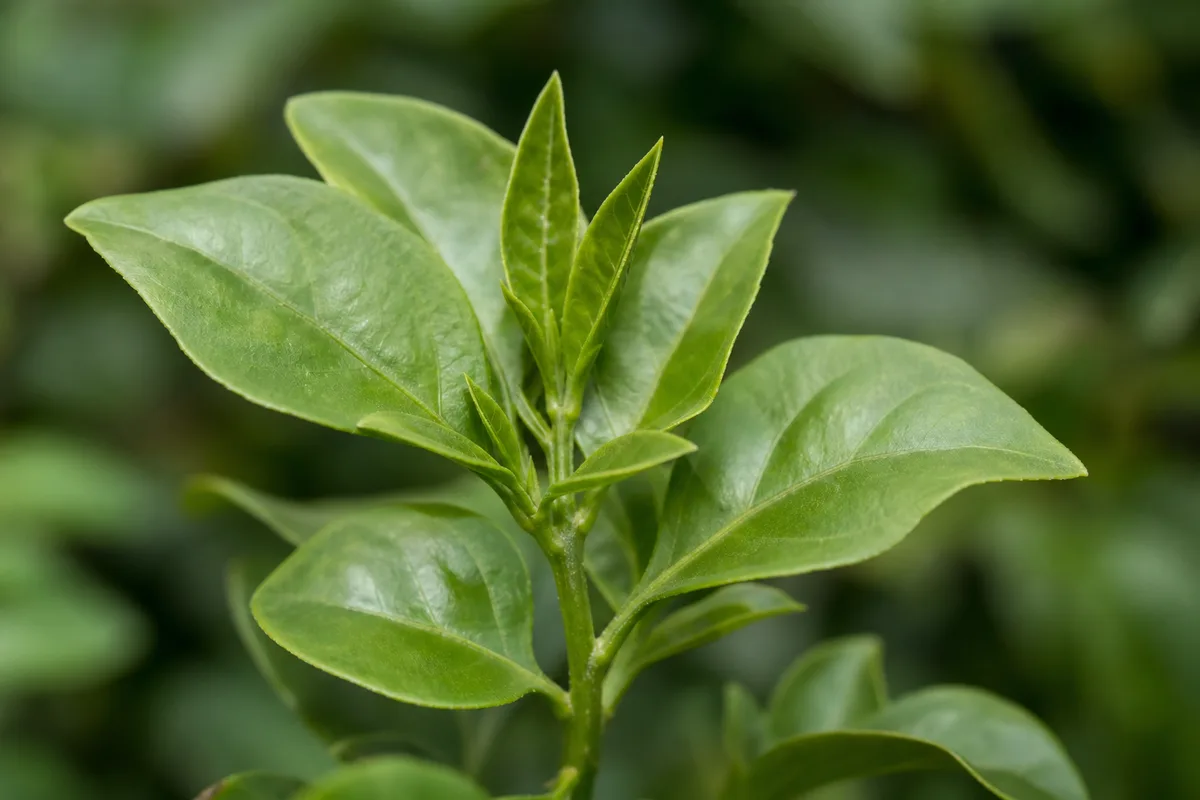
No Flowers symptoms on Jasmine - compare with healthy tissue on the same plant.
The classic indoor pattern: glossy green foliage, long climbing stems on a trellis, and no visible bud swell by late May or June after a warm winter. The vine looks vigorous while failing the fragrance test entirely. That is different from bud drop, where green or white buds form then yellow and fall before opening.
Leggy pale growth without branching
Long bare internodes, washed-out leaf color, and slow extension during spring point to insufficient light layered on top of-or instead of-missing chill. If stems lean hard toward glass and soil stays damp for days, read not enough light before you assume winter warmth alone is the blocker.
Species mix-ups that change the calendar
Do not confuse common jasmine with winter jasmine (Jasminum nudiflorum)-yellow flowers on bare stems in cold months-or with star jasmine (Trachelospermum jasminoides), a different genus with its own bloom rhythm. Jasminum polyanthum (pink jasmine) can flush indoors in late winter when chilled; J. officinale blooms white in summer on leafy vines. Verify the label says Jasminum officinale before applying this guide. Start at the jasmine overview if you are unsure which type you own.
No buds vs bud drop vs low light vs small flowers
| What you see | Most likely cause | Where to go next |
|---|---|---|
| No buds at all by early summer; healthy green leaves | Warm winter (no 7–13°C rest) or heavy spring pruning | Stay on this page-confirm chill log first |
| Buds form then fall before opening | Water swings, drafts, dry air after chill return | Bud drop guide |
| Pale stretchy vine, soil stays wet, no buds after adequate chill | Insufficient direct sun during growing season | Not enough light |
| Buds open but sparse or tiny clusters | Weak light, low potassium, or young wood | Small flowers |
How to confirm the cause
Work through these six checks in order before Jasmine repotting guide, blasting fertilizer, or stripping stems:
- Winter temperature log - Review November through February. Did nights stay above 15°C (59°F) for most of that period? Even a warm spare bedroom blocks vernalization. Note whether the pot sat near a radiator or heat vent.
- Chill duration - Count consecutive cool weeks at roughly 7–13°C. Fewer than six to eight weeks usually explains zero buds on common jasmine, even if days were briefly cool.
- Sun-hour test - On a clear growing-season day, count direct sun on the leaves. Fewer than four hours while chill was adequate points to light as the limiter-see the light guide.
- Pruning history - Did you cut hard in late winter or early spring? Summer jasmine carries blooms on mature wood; spring cuts may have removed bud sites.
- Wood age and vine size - Young cuttings and first-year pots often need two seasons before heavy flowering, even with correct culture.
- Root and pest cross-check - Spider mites, chronic wet roots, or recent repot stress can weaken the vine silently. Firm stems and healthy roots with failed chill still point to temperature, not disease.
If chill and light both check out, inspect roots for mushy tissue per the damaged roots guide and scan leaf undersides for mite webbing.
Temperature log for last winter
You do not need a data logger-a simple note on your phone works:
| Month | Typical night low near the pot | Above 15°C all month? |
|---|---|---|
| November | ___°C | Yes / No |
| December | ___°C | Yes / No |
| January | ___°C | Yes / No |
| February | ___°C | Yes / No |
If every month reads “Yes” for warm nights, missing chill is confirmed. If November–February show six to ten weeks in the 7–13°C band with bright days, shift focus to summer sun hours and pruning timing.
First fix for jasmine
Plan a cool rest for next winter: move the pot in autumn to a bright frost-free room, porch, or garage at 7–13°C for 8–10 weeks with only very light watering.
That single calendar change fixes the most common indoor no-bloom pattern. You cannot recreate vernalization mid-summer on a vine that skipped chill-recovery targets the next bloom cycle.
Chill-rest calendar
| Season | Action |
|---|---|
| October–November | Move container from warm living room to cool bright porch, unheated garage with window light, or cool greenhouse. Target 7–13°C nights; protect from hard frost on tender shoots. |
| December–January | Hold cool rest. Water only when the top 2–3 cm of mix is dry. Avoid dark closets-brightness matters even when growth slows. |
| Late February–March | Return vine to the sunniest south or west window or sheltered outdoor spot when nights stay above 5°C (41°F). Acclimate gradually if moving outdoors. |
| April–June | Watch for bud swell on mature wood. Feed containers with high-potassium fertilizer during active growth once new shoots firm up. |
During the following growing season, place the vine in the sunniest spot available-outdoors in a warm sheltered sunny site when nights stay above 13°C (55°F)-and train stems on a trellis so light reaches inner branches.
Recovery timeline and what improvement looks like
You cannot force buds mid-season if chill was skipped-the fix takes until the next bloom cycle. After a proper cool period, expect fragrant white clusters in early to midsummer on established vines. Bloom time runs through summer on wood that hardened after rest.
- Same summer after missed chill: No new bud flush until the following year-focus on culture corrections, not repeated pruning.
- After one proper cool winter: First visible bud swell often appears in late spring; peak fragrance in June–July on mature containers.
- Young cuttings: Two seasons before heavy flowering is normal even when culture is correct.
Signs you are on track: shorter internodes on new sun-grown shoots, bud initials on older wood by late spring, and soil drying on a predictable rhythm in brighter placement.
What not to do
Do not blast the plant with nitrogen fertilizer hoping for blooms-it pushes leaves, not flowers. Do not prune in spring on summer-flowering jasmine unless removing dead wood. Do not park the pot in a dark garage with no window light; cool rest still needs brightness.
Confirm you have true Jasminum, not a lookalike. True jasmine is listed non-toxic to pets, but Carolina jessamine (Gelsemium sempervirens) is highly toxic and flowers on a different schedule-verify species before assuming ASPCA guidance applies. Contact your veterinarian if a pet ingests an unknown vine; for poison emergencies in the U.S., call the ASPCA Animal Poison Control Center at (888) 426-4435.
How to prevent missing flowers next time
Mark your calendar for an autumn cool move before heating season locks the vine in a warm room. Pair winter chill with regular watering while in growth in summer containers, strong trellis support, and the jasmine light guide sun-hour targets during bud formation.
A well-chilled vine in full summer sun is the reliable recipe for fragrance. Log winter lows once a year so you catch drift toward overly warm rooms before another bloomless summer.
Related jasmine problems
- Jasmine overview - species ID, winter rest, and baseline culture
- Jasmine light - sun-hour targets and indoor placement
- Jasmine fertilizer - potassium timing for container bloom
- Not enough light - when chill was adequate but the vine stayed dim all summer
- Bud drop - buds formed then fell before opening
- Small flowers - blooms present but sparse or weak
- Damaged roots - when culture looks right but vigor is mysteriously low
When to use this page vs other Jasmine guides
- Jasmine watering guide - Use for routine moisture checks before assuming no flowers is the main issue.
- Jasmine problems hub - Browse all 53 common issues on this species.