Sago Palm Problems: Causes & Quick Fixes
Quick answer
Sago Palm is prone to 16 common issues - each link below is a plant-specific fix guide.
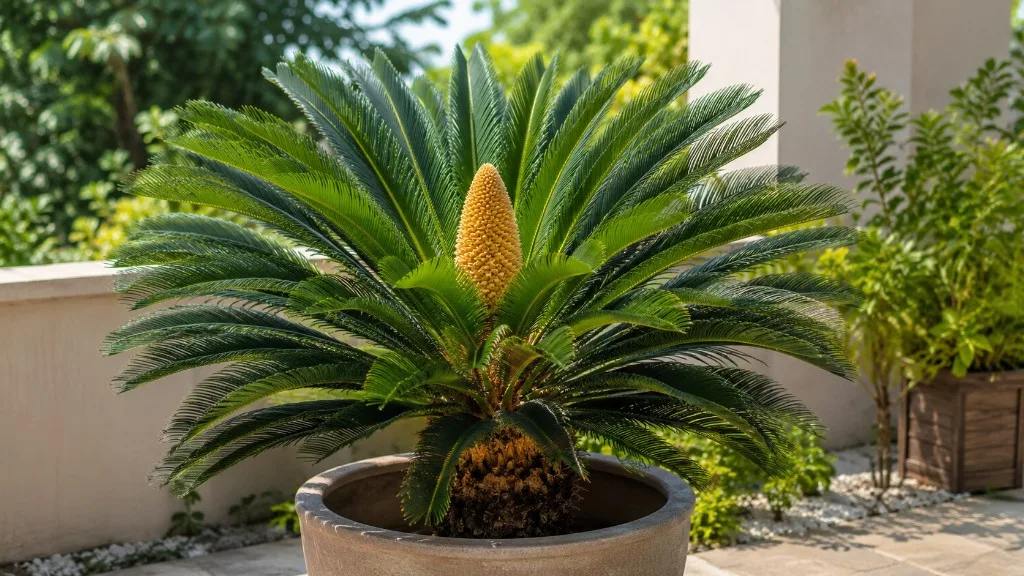
Sago Palm problems
Use the guides below to diagnose and fix common issues on Sago Palm. Each problem page explains why it happens on this species and what to do first.
Or use our problem diagnosis tool to narrow down symptoms.
Common problems on Sago Palm
Brown Tips
LowLikely cause: Low humidity, fluoride in water, or underwatering.
Quick fix: Water with filtered water and increase humidity slightly.
Full fix guide →Slow Growth
LowLikely cause: Inherently very slow growing plant.
Quick fix: Ensure adequate light and feeding; growth speed is normal.
Full fix guide →Yellow Leaves
MediumLikely cause: Overwatering or nutrient deficiency (manganese).
Quick fix: Reduce watering and apply palm fertilizer with micro-nutrients.
Full fix guide →Aphids
MediumLikely cause: Aphids on Sago Palm cluster on the soft crown spear and unfurling fronds, leaving sticky honeydew on stiff older leaflets. First step: isolate the plant and rinse colonies off with a firm water stream
Quick fix: See plant-specific guide for step-by-step fixes.
Full fix guide →Drooping Leaves
MediumLikely cause: Drooping fronds on Sago Palm almost always mean the roots cannot supply water-either the mix is too dry or too wet and failing. First step: probe soil two to three inches deep and lift the pot before
Quick fix: See plant-specific guide for step-by-step fixes.
Full fix guide →Fungus Gnats
MediumLikely cause: Fungus gnats on Sago Palm mean the soil surface stays too wet too often-the same moisture pattern that leads to root rot on this drought-tolerant cycad. First step: let the top 1–2 inches of mix dry c
Quick fix: See plant-specific guide for step-by-step fixes.
Full fix guide →Leggy Growth
MediumLikely cause: Leggy growth on Sago Palm shows as pale, limp fronds with long weak petioles that lean toward the brightest window. This cycad does not vine, but insufficient light still stretches the crown. First st
Quick fix: See plant-specific guide for step-by-step fixes.
Full fix guide →Low Humidity
MediumLikely cause: Sago Palm tolerates average household humidity well-dry air alone rarely hurts it. Crispy leaflet tips usually trace to underwatering, salt in tap water, or spider mites that thrive in dry conditions.
Quick fix: See plant-specific guide for step-by-step fixes.
Full fix guide →Mealybugs
MediumLikely cause: Mealybugs on Sago Palm show up as white cottony patches tucked into the crown, frond bases, and leaflet axils of stiff Cycas revoluta foliage. First step: isolate the plant and dab every visible bug w
Quick fix: See plant-specific guide for step-by-step fixes.
Full fix guide →Mold on Soil
MediumLikely cause: Surface mold on Sago Palm soil is usually harmless saprophytic fungus on a wet top layer-not a crown disease. The real risk is chronic moisture, which can rot cycad roots. First step: pause watering,
Quick fix: See plant-specific guide for step-by-step fixes.
Full fix guide →Not Enough Light
MediumLikely cause: Not enough light makes Sago Palm pale, lean, and stall-with soil that stays wet too long. First step: move the pot to bright filtered sun for 4–6 hours daily; this cycad is not a low-light plant.
Quick fix: See plant-specific guide for step-by-step fixes.
Full fix guide →Overwatering
MediumLikely cause: Overwatering on Sago Palm shows as a heavy pot, wet mix days after watering, and yellowing fronds while the trunk still looks fine. Stop watering immediately and let the top few inches dry completely
Quick fix: See plant-specific guide for step-by-step fixes.
Full fix guide →Root Rot
MediumLikely cause: Root rot on Sago Palm follows chronic overwatering or poor drainage-the cycad declines slowly, so crown fronds yellow while soil stays wet. First step: stop watering and unpot to inspect roots and tru
Quick fix: See plant-specific guide for step-by-step fixes.
Full fix guide →Spider Mites
MediumLikely cause: Spider mites on Sago Palm cause pale stippling and fine webbing on stiff fronds, especially in dry heated rooms. First step: isolate the plant and rinse every frond thoroughly, including leaflet under
Quick fix: See plant-specific guide for step-by-step fixes.
Full fix guide →Underwatering
MediumLikely cause: Sago Palm tolerates drought but still needs regular moisture when the soil surface dries out. Extended dryness in bright light causes limp fronds and brown leaflet tips. First step: lift the pot, chec
Quick fix: See plant-specific guide for step-by-step fixes.
Full fix guide →Wilting
MediumLikely cause: Wilting on Sago Palm usually means roots cannot supply water-either the soil is too dry or too wet and rotting. Lift the pot before you act: a light dry pot needs one deep soak; a heavy wet pot needs
Quick fix: See plant-specific guide for step-by-step fixes.
Full fix guide →