Best Soil for Sago Palm: Mix, Drainage & pH
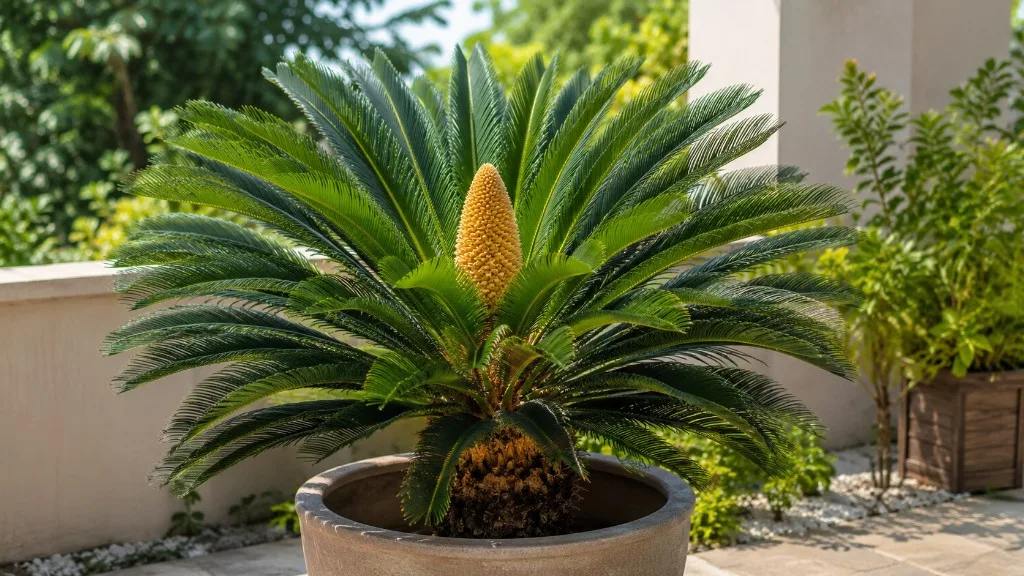
Best Soil for Sago Palm: Mix, Drainage & pH
Best Soil for Sago Palm: Mix, Drainage & pH
Best soil for sago palm is not a mystery blend hidden behind a specialty label - it is a fast-draining, airy substrate that dries predictably between waterings and keeps pH in a slightly acidic to neutral range. Cycas revoluta, the plant sold everywhere as sago palm, is a cycad, not a true palm. Its thick, slow-growing roots evolved for rocky, well-aerated soils with long dry-down periods. Put that root system in a dense, peat-heavy indoor mix that stays wet for a week, and root rot becomes a matter of when, not if.
The practical target for most homes is straightforward: use a cactus, succulent, or palm potting mix as a base, amend with coarse sand or perlite if the bag feels heavy or spongy, and plant in a pot with drainage holes only one size larger than the root ball. Aim for pH between 5.5 and 6.5, test if leaves show frizzle-top distortion, and repot every three to five years in spring when the mix compacts or roots circle the pot. Soil is the foundation every other care decision sits on - Sago Palm watering guide, fertilizer safety, and recovery from stress all depend on how fast your mix drains and how much air reaches the roots.
This guide covers what sago palm roots need, which commercial and DIY mixes work, how pH ties into manganese deficiency, how to test drainage in sixty seconds, when to repot, and the soil mistakes that cause more damage than a slightly imperfect recipe ever would.
If symptoms persist, see the Brown Tips on Sago Palm guide.
Why Soil Matters More Than You Think for Sago Palm
Sago palm decline is slow. Yellowing lower fronds, a stalled central spear, and a pot that never seems to dry can all develop over weeks before the plant looks seriously ill. That timeline hides the real culprit: a root zone that holds water too long, compacts after a few Sago Palm repotting guide cycles, or drifts alkaline enough to lock micronutrients out of reach. By the time leaves tell the full story, the soil system has usually been wrong for a while.
Missouri Botanical Garden describes Cycas revoluta as requiring well-drained soil and notes the plant’s slow growth and tolerance of drought once established (Missouri Botanical Garden - Cycas revoluta). Those traits are not separate from soil choice - they are direct consequences of it. A mix that drains in two days after a thorough watering matches how cycad roots take up moisture. A mix that stays damp at the bottom of the pot for five or six days forces roots to sit in low-oxygen conditions, which weakens the plant long before visible rot spreads.
Think of soil as the moisture-and-air regulator for everything else you do. Water thoroughly on a schedule that made sense in summer, but if the mix is compacted and the pot is oversized, that same schedule becomes overwatering in winter without you changing a single habit. Fertilizer applied to waterlogged roots adds salt stress on top of oxygen stress. Light corrections cannot fix a crown sitting above a swamp. Get the substrate right first, then fine-tune water and placement.
What Sago Palm Roots Actually Need
Cycad roots are thick, fleshy, and relatively slow to extend compared with fibrous tropical foliage plants. They store some moisture and tolerate dry periods, but they do not tolerate continuous wetness around the crown and caudex. In habitat, sago palm grows on sandy or rocky, well-drained slopes in southern Japan (Kyushu and the Ryukyu Islands), where water moves through quickly and air pockets stay open in the root zone.
That physiology drives three non-negotiable soil properties. Drainage speed matters because roots need oxygen between drinks; saturated mix for more than a few days invites Phytophthora, Fusarium, and other root-rot pathogens that thrive in anaerobic conditions. Porosity and structure matter because fine, peat-dominant mixes collapse over twelve to twenty-four months of watering, reducing air space even if the top layer looks fluffy. Chemical environment matters because sago palm prefers slightly acidic conditions; when pH climbs above 7.0, manganese, iron, and zinc become less available regardless of how much fertilizer you pour on.
A useful mental model: sago palm roots want a brief drink, then a long breath. The best soil for sago palm mimics that rhythm indoors by combining mineral components - sand, perlite, pumice, bark fines - with a modest amount of organic matter for nutrient and moisture buffering. Too much organic matter without enough coarse aggregate turns the pot into a sponge. Too little organic matter and the mix dries so fast in bright light that you chase constant drought stress. Balance leans mineral-heavy for Sago Palm overview.
Best Commercial Soil Mixes for Sago Palm
The best commercial option for most growers is a bagged cactus and succulent mix or a palm-specific potting mix from a reputable houseplant brand. These products are formulated for drainage first, which aligns with cycad root needs better than standard all-purpose potting soil. Out of the bag, many cactus mixes are already usable for sago palm in average indoor conditions. Squeeze the moistened mix in your hand: if it clumps into a tight ball that does not crumble when you open your fist, add 20–30% coarse perlite or horticultural sand before potting.
Standard peat-based potting soil alone is a poor choice without amendment. It holds moisture longer than sago palm roots tolerate, especially in plastic pots, low light, or cool winter rooms. That does not mean you must throw it away. A workable fix is blending one part potting soil, one part coarse sand, and one part perlite - a simple 1:1:1 ratio that dramatically improves drainage while keeping enough organic matter for nutrient retention. Many experienced growers use exactly this blend for container cycads because it is cheap, adjustable, and easy to refresh at repotting.
When evaluating a bagged product, read the label for coarse ingredients - pine bark, perlite, pumice, sand - rather than only peat, coir, and compost. “Moisture control” or water-retention crystals are red flags for sago palm. If you garden outdoors in clay or heavy garden soil, do not plant container sago palm directly into that substrate without amending heavily with sand, gravel, and organic matter to break up structure. In-ground culture in USDA zones 8–11 follows the same principle: sandy loam beats dense clay, and raised beds or berms improve drainage where seasonal rain is heavy.
| Mix type | Works for sago palm? | Typical adjustment |
|---|---|---|
| Cactus / succulent mix | Yes, often out of the bag | Add perlite if bag feels heavy |
| Palm / citrus mix | Yes | Check drainage; amend if spongy |
| All-purpose potting soil | Only with amendment | Blend 1:1:1 with sand and perlite |
| Peat-heavy indoor mix | Risky alone | Add 30–40% coarse aggregate |
| Dense garden clay | No without rework | Amend or grow in raised container |
The table is a decision shortcut, not a product ranking. Your room’s light, pot material, and watering habits still determine whether a “good” mix dries fast enough in practice.
DIY Sago Palm Potting Mix Recipes
Homemade mix lets you control texture and pH more precisely than many bagged products, and it is often cheaper when you are repotting a large specimen or several plants at once. Both recipes below prioritize large pore spaces and even drying over water retention. Measure by volume - buckets, not weight - and wear a dust mask when handling dry perlite and fine bark.
Simple Three-Part Blend for Most Homes
For a single indoor sago palm in a 10–14 inch pot, combine:
- One part quality potting soil (or compost-based container mix)
- One part coarse horticultural sand (not play sand or beach sand, which compact and may carry salts)
- One part coarse perlite (horticultural grade, not fine seed-starting perlite)
Mix thoroughly in a wheelbarrow or tarp until the aggregate is evenly distributed. The finished blend should feel gritty, crumble when squeezed, and never form a muddy paste. When you water a test handful in a small cup, water should pass through in seconds, not pool on top. This 1:1:1 sago palm soil mix is the best starting point for most homes because it balances drainage with enough organic matter to hold nutrients and moderate moisture swings.
If your plant lives in bright light and dries quickly, you can shift to one part potting soil, one part sand, two parts perlite for extra insurance. If it sits in a cool, lower-light room where pots linger damp, lean the other direction: one part potting soil, two parts sand, two parts perlite, accepting that you will water less often rather than fight a wet root zone.
Mineral-Forward Blend for Chronic Overwaterers
If you have lost a cycad to root rot before, or your mix consistently stays wet more than four days after watering, use a more mineral-dominant blend:
- 30% aged pine bark fines (¼–⅜ inch screen, not dust)
- 30% coarse horticultural perlite
- 25% coarse silica sand
- 15% potting soil or compost (organic anchor only)
This low-peat, mineral-forward cycad mix dries evenly from top to bottom and forgives occasional heavy watering better than peat-heavy alternatives. It is especially useful in plastic pots, dim corners, and winter when evaporation drops. Trade-off: you must water a bit more often in hot summer sun, and you should fertilize modestly during active growth because nutrients leach faster through coarse mixes. That is a fair exchange for healthy roots.
pH, Minerals, and the Frizzle Top Problem
Sago palm soil pH should sit between 5.5 and 6.5 for reliable nutrient uptake, with many sources accepting up to 7.0 as tolerable but not ideal. Slightly acidic conditions keep manganese, iron, and zinc soluble enough for roots to absorb. When pH drifts alkaline - common with hard tap water, limestone gravel, or unamended garden soil in the Southwest and parts of the Southeast - those micronutrients lock into forms roots cannot use.
Frizzle top is the classic symptom: new leaves emerge stunted, twisted, pale, or frizzled at the tip. Growers often reach for fertilizer or manganese spray first. That can help, but if pH is above 7.0, adding more manganese without fixing the substrate is like refilling a locked tank. Test soil pH with an inexpensive meter or send a sample to a local extension service before treating. If pH is high, amend with elemental sulfur according to product label rates for containers, or refresh the root zone with acidic, mineral-heavy mix at repotting. Foliar manganese sulfate can support recovery on damaged fronds while soil correction takes effect, but it does not replace fixing the root-zone chemistry.
Why Alkaline Soil Locks Up Nutrients
Alkaline soils raise the availability of some elements and depress others. For cycads, the practical issue is micronutrient lockout, especially manganese. Iron chlorosis - yellowing between veins on older fronds - can appear alongside frizzle top when pH and drainage are both off. The distinction matters because yellow lower fronds with wet mix often mean overwatering or nitrogen issues, while distorted new spear growth with dry-ish mix and high pH points to manganese and soil chemistry.
If you use tap water above pH 7.5 or very hard, mineral buildup over years can alkalize even a good mix. White crust on the soil surface is a clue. Flush the pot with distilled or rainwater in several slow passes until water runs clear, or repot into fresh mix rather than stacking fertilizer on salty, alkaline substrate. Soil pH is not an abstract lab value for sago palm - it is the gate that decides whether roots can actually use what you feed.
Drainage, Porosity, and the One-Minute Pot Test
Good sago palm drainage starts with mix ingredients, but you verify it with simple tests after potting. First, drainage holes are mandatory for long-term container culture. One hole is minimum; three or four across the bottom are better for large pots. Sago palm in a hole-less decorative pot is a short-term display choice, not a sustainable soil system.
Run the one-minute pot test after setup: water thoroughly until runoff flows freely from the bottom. Water should not sit on the surface for more than a few seconds once the mix is initially wetted. Within a minute, you should see clear drainage. If water pools on top or the pot feels swamp-heavy days later while the surface looks dry, porosity is insufficient or the pot is too large for the root mass.
Check drying speed at root depth, not only at the surface. Stick a wooden chopstick or your finger two inches into the mix two days after a full watering in average indoor conditions. For most homes, the upper layers should be approaching dry in two to four days; if the deep probe is still cold and clinging, the mix or pot size needs correction. A sago palm that is very drought-tolerant still needs periodic deep watering - the goal is not bone-dry for weeks, but full dry-down between drinks without the bottom third staying wet.
Never rely on a layer of gravel at the bottom of the pot to fix poor drainage. Water does not “jump” through gravel; it sits at the textural boundary where fine mix meets coarse gravel, often keeping the root ball wetter, not drier. Build drainage into the entire soil column instead.
Choosing the Right Pot for Your Soil System
Soil and pot work as a single system. The same mix dries in three days in a small terra cotta pot by a sunny window and seven days in a oversized glazed ceramic pot in a dim hall. Match pot volume to root mass, not to the spread of the fronds. Sago palm tolerates being somewhat root-bound and grows slowly; an oversized pot surrounds roots with wet, unused mix that oxygen cannot penetrate quickly.
Depth matters because cycads develop a substantial caudex and root flare at the crown. Choose a pot deep enough to seat the root ball without burying the crown below the soil line - crown rot is a real risk if you plant too deep after repotting. Width should allow one to two inches of fresh mix around the existing root ball when upsizing, not a jump from a 8-inch to a 16-inch container in one step.
Terra Cotta vs Plastic vs Glazed Ceramic
Terra cotta breathes through porous walls, speeding evaporation and stabilizing oxygen at the root zone. It is an excellent choice for sago palm when you tend to water generously or keep plants in bright light. Weight is a plus for top-heavy cycads that can tip lightweight pots.
Plastic nursery pots retain moisture longer, which can help in hot, dry climates if you are a cautious waterer - but indoors it often works against sago palm. If you use plastic, lean toward a more mineral-heavy mix and check moisture at depth religiously.
Glazed ceramic is the hardest to manage because it traps moisture and often has only one drainage hole. It can work with very gritty mix and disciplined watering, but it is the riskiest pairing for beginners. Whatever material you choose, empty the saucer after every watering so roots never sit in a standing reservoir.
When and How to Repot Sago Palm
Sago palm does not need annual repotting. Plan on every three to five years, or sooner if you see clear soil failure signals. The best timing is spring through early summer when the plant enters active growth and can repair minor root disturbance. Avoid repotting a stressed, recently purchased, or cold-damaged plant unless the mix is visibly failing or root rot is confirmed - fix the environment first, then refresh soil when growth stabilizes.
Repot when: roots circle the pot densely or emerge from drainage holes; the mix has compacted and dried in a hard slab; drainage has slowed despite careful watering; white salt crust builds on the surface; or the plant is top-heavy and unstable in a pot too small for the caudex. Do not repot only because one lower frond yellowed - that is often natural senescence or a water/light issue.
Step-by-Step Repotting Without Crown Stress
Water the plant lightly a day before repotting so the root ball is pliable, not dust-dry or dripping wet. Slide the plant out and inspect roots - healthy cycad roots are firm and pale, not black, mushy, or sour-smelling. Trim only clearly rotted tissue with clean shears; do not aggressively bare-root a healthy specimen.
Select a pot one size up with drainage holes. Place a mesh screen or coffee filter over holes to hold mix, not a gravel layer. Fill the bottom with your prepared sago palm potting mix, set the root ball so the crown sits at the same level as before, and backfill with mix, tamping lightly to remove large air voids without compressing aggregate. Water once to settle, then let the plant rest in Sago Palm light guide with a cautious watering rhythm for four to six weeks - no fertilizer until new growth shows the roots have recovered.
Toxicity note: All parts of sago palm contain cycasin, which is highly toxic to pets and humans if ingested (ASPCA - Sago Palm). Wear gloves if you have sensitive skin, wash hands after handling roots and soil, and keep discarded mix and plant debris away from curious dogs, cats, and children.
Indoor vs Outdoor Soil Considerations
Indoor sago palm soil must solve a narrower problem: low evaporation, limited root volume, and year-round container culture. Lean grittier than you think. A mix that works in a garden bed will often stay too wet in a living-room pot because air movement and light are lower. Pair mineral-heavy indoor mix with terra cotta or strict moisture checks, and avoid oversized decorative pots that look proportional to fronds but dwarf the root ball.
Outdoor container culture in warm climates (USDA zones 9–11) dries faster and may need slightly more organic matter to prevent hourly drought in summer sun. In-ground planting in zones 8–11 demands raised beds or berms where native soil is clay, and avoid low spots that collect winter rain. Outdoor alkaline soils may need ongoing pH management with sulfur or acidic mulch; container soil gives you full control, which is one reason many growers keep sago palm in pots even where it is hardy.
Seasonal shift matters indoors: the same soil dries slower in winter when furnaces reduce humidity and growth slows. That is not a signal to change the mix every October - it is a signal to water less often and verify depth moisture before each drink. Changing soil, pot, water, and light simultaneously after repotting stacks stress; change one variable at a time when troubleshooting.
Signs Your Sago Palm Soil Is Failing
Soil problems show up through the plant before you think to dig. Watch for these patterns:
- Mix stays wet more than five days after a normal watering in average indoor conditions
- Sour or swampy smell from the pot bottom, even when the surface looks fine
- New spear slow to open, stunted, or frizzled (frizzle top) while older fronds look otherwise green
- Progressive yellowing paired with soft, dark roots at inspection - classic root-rot progression
- White mineral crust on soil surface with brown leaf tips despite careful watering
- Water runs down the inside wall of the pot and out the bottom without wetting the root ball - a sign of hydrophobic, degraded peat
- Soil has shrunk away from the pot walls, leaving a gap that flash-floods roots on watering day
One yellow lower frond on an otherwise healthy plant is often normal leaf drop on a slow-growing cycad. Multiple symptoms at once - wet mix, stalled spear, and sour smell - mean the soil system needs intervention, not patience.
How to Fix Waterlogged or Compacted Mix
If the mix is wet and sour but roots are mostly intact, stop watering immediately and move the plant to brighter indirect light with good air circulation - not harsh direct sun on a stressed specimen. Let the root zone dry until the deep probe reads near dry, then assess. If compaction is moderate, aerate the top third with a chopstick, creating narrow channels without destroying roots, and hold water until true dry-down returns.
If rot smell is strong, roots are mushy, or the mix has broken down into mud, repot into fresh gritty mix after trimming dead roots. Dip tools in diluted hydrogen peroxide between cuts if you wish, but the priority is removing anaerobic substrate and seating the plant in mix that drains in days, not weeks. Skip fertilizer for six weeks; roots need oxygen more than nutrients during recovery.
For salt and alkalinity buildup without full repotting, flush slowly with water low in minerals - rainwater, distilled, or filtered - running several volumes through the pot until runoff is clear. Follow with a conservative watering rhythm. If crust returns within a month, repotting is cleaner than endless flushing.
When hydrophobic dry pockets form, bottom-watering once can rewet the core, but long-term fix is fresh mix because degraded peat loses its ability to hold and release water evenly. Patching with top dressing does not restore structure inside the root ball.
Soil, Watering, and Fertilizer as One System
Soil determines how forgiving your watering habits can be. Sago palm watering should follow dry-down, not the calendar: water thoroughly when the top inch to two inches of mix is dry and the deeper soil is approaching dry, then let the entire column dry again. In fast-draining cycad mix, that might mean every five to seven days in summer and every two to three weeks in winter for a given pot - your interval will differ.
Fertilizer belongs on healthy roots in actively draining mix, typically spring through early fall at low rates appropriate for cycads. Over-fertilizing water-retentive, poorly drained soil accelerates salt buildup and burns roots already stressed for oxygen. If you upgraded to mineral-heavy mix, expect to feed lightly more often during growth because nutrients leach with each watering - still at half label strength or less, never full-strength surges on dry roots.
Pair this page with your plant’s light and watering guides before changing three variables at once. Soil fixes solve soil problems. If fronds bleach in direct sun, soil alone will not help. If the plant sits in deep shade, even perfect mix will stay wet too long - light and soil co-manage drying speed.
Common Sago Palm Soil Mistakes
The most damaging errors are predictable:
Using unamended peat-heavy potting soil because the bag said “indoor plants.” Sago palm is not a peace lily. Without perlite, sand, or bark, peat mixes suffocate cycad roots indoors.
Oversizing the pot after repotting “to give it room to grow.” Extra mix holds extra water around a small root ball - the classic path to crown and root rot on slow growers.
Adding a gravel drainage layer instead of improving the whole mix column. It creates a perched water table at the fine-over-coarse boundary and tricks growers into thinking drainage is solved.
Planting the crown too deep when repotting. The caudex and growing point need to sit at or slightly above the soil line, not buried to stabilize a tall plant.
Repotting on day one after bringing a new plant home. Unless the mix is visibly failing or pests are present, quarantine, observe drying speed for two to three weeks, then repot in spring if needed.
Treating frizzle top with fertilizer only without checking pH and drainage. Nutrient sprays can help foliage temporarily, but alkaline, waterlogged soil keeps the underlying problem alive.
Ignoring pot material while chasing the perfect recipe. A gritty mix in a sealed ceramic pot with one hole still behaves like a wet system.
Each mistake is fixable: refresh mix, right-size the pot, test pH, and align watering with actual dry-down - not with guilt after a missed week.
Conclusion
The best soil for sago palm is the one that dries evenly, stays open enough for roots to breathe, and keeps pH in the 5.5–6.5 range where micronutrients stay available. For most growers, that means a cactus or palm mix amended with coarse sand and perlite, or a homemade 1:1:1 blend of potting soil, sand, and perlite. Choose a pot with drainage holes only slightly larger than the root ball, run the one-minute drainage test after repotting, and refresh the mix every few years before it compacts into a root-smothering slab.
Soil is not a background detail for Cycas revoluta - it is the control panel for watering safety, fertilizer success, and recovery from stress. When new growth opens clean and firm, lower fronds senesce at a normal pace, and the pot dries on a steady rhythm you can predict, your substrate is doing its job. When the mix stays wet, smells sour, or new spears frizzle despite careful care, fix the root zone first. Everything else gets easier after that.
When to use this page vs other Sago Palm guides
- Sago Palm overview - Start here for whole-plant context before deep-diving this topic.
- Sago Palm problems hub - Jump to symptom-specific fix guides when this care topic does not resolve the issue.
Related Sago Palm guides
- Sago Palm overview
- Sago Palm watering
- Sago Palm light
- Sago Palm propagation
- Sago Palm fertilizer
- Sago Palm repotting
- Sago Palm problems
Related tool
Try the Soil Mix Calculator with sago-palm pre-selected to estimate needs for your setup.