Sago Palm Repotting: When, How, and Mistakes to Avoid
Sago Palm Repotting: When, How, and Mistakes to Avoid
Sago Palm Repotting: When, How, and Mistakes to Avoid
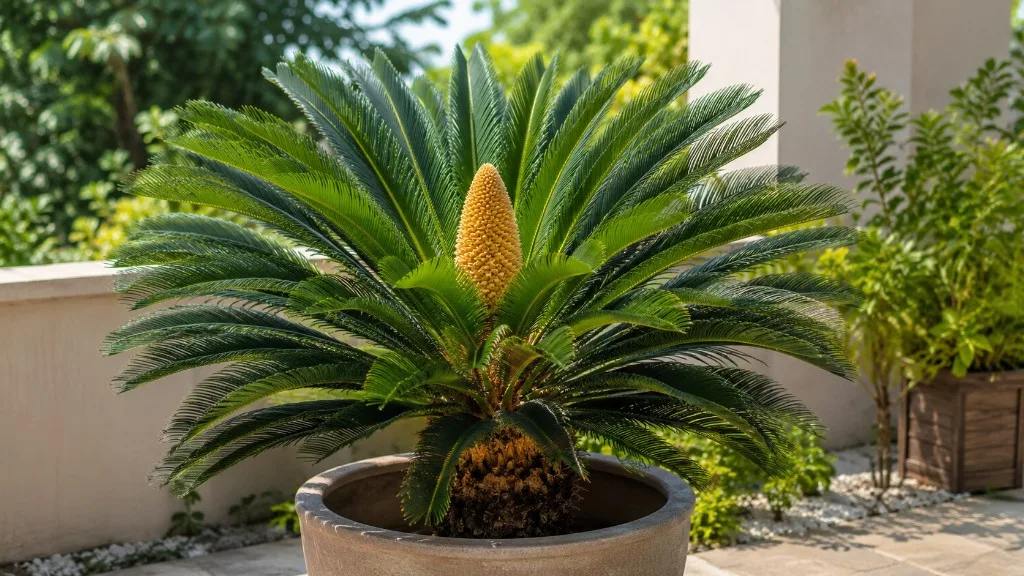
Sago palm (Cycas revoluta) is one of the most recognizable indoor statement plants - stiff, arching fronds above a thick, scaly trunk that looks like a palm but is not one. It is a cycad, an ancient gymnosperm in the family Cycadaceae, native to rocky slopes and forest margins in southern Japan (Kyushu and the Ryukyu Islands). That biology matters the moment you reach for a bigger pot, because sago palms grow slowly, store water in a caudex, and punish the same repotting shortcuts that work fine on fast tropical foliage plants.
Most healthy container sago palms need repotting every three to five years, not every spring. Young specimens may need attention every two to three years, but the goal is never to repot on autopilot. The goal is to refresh compacted or depleted mix, relieve root-binding, and correct drainage problems before the caudex sits in wet soil long enough to rot. Done in late spring or early summer with a modest pot increase and a mineral-heavy mix, a sago repot is usually quiet: a careful afternoon of work, a multi-week pause in visible growth, and then a return to the plant’s normal slow rhythm. Done in the wrong season, in an oversized peat-heavy pot, or with the caudex buried deeper than before, the same operation can yellow fronds for months and leave you wondering whether a plant that barely moves anyway has quietly declined.
This guide covers when to repot, how to do it step by step, and the mistakes that turn a rare maintenance task into a long recovery project.
Why Repotting Works Differently for Sago Palms
Repotting solves three problems that eventually show up as frond symptoms if you ignore them long enough. First, roots circle the pot until they cannot absorb water or oxygen efficiently. Second, mix breaks down and water channels through without wetting roots evenly. Third, salts accumulate and scorch fine roots. For sago palm, the caudex adds a fourth variable - inspect roots annually, but plan a full repot every three to five years for mature plants (two to three years for young ones).
What makes cycads unlike fast-growing houseplants
Sago palm adds roughly 2.5–5 cm (1–2 inches) of trunk height per year under good conditions and expands its root mass incrementally. The Missouri Botanical Garden notes that container sago palms are typically repotted every three to four years - driven by mix breakdown and root volume, not by visible doubling of foliage size. Jumping to a much larger pot is especially risky here because unused soil stays wet for weeks while roots catch up slowly. Sago palms also produce a frond flush from the crown, and disturbing roots during active emergence can stall that flush for a full season. Cycads are highly toxic - the ASPCA lists Cycas revoluta as toxic to dogs, cats, and horses via cycasin; seeds are most dangerous. Wear gloves during repotting, bag debris promptly, and keep the work area away from pets and children.
How the caudex and slow roots change the timing math
The caudex stores water and starch, making the plant tolerant of dry intervals but unforgiving of chronic wetness at the root collar. After repotting, water less frequently until new white root tips appear and the mix dries on a predictable rhythm. Sago roots are fleshy and brittle - repot when soil stays above 18°C (65°F) and the plant is in active growth so wounds callus quickly rather than rotting in cold, saturated mix.
Signs Your Sago Palm Needs Repotting
The clearest sign is visual: roots emerging from drainage holes or circling tightly when you slide the plant partway out of the pot. Less obvious but equally reliable signals include water that runs straight through without soaking into the root mass, a pot that dries unusually fast despite unchanged conditions, and new fronds arriving smaller or paler than the previous flush even though light and feeding have not changed. When two or more of these appear together during the active growing season, repotting is usually the right move.
Do not repot simply because lower fronds turned yellow. Yellowing can mean natural aging of older leaves, winter dormancy slowdown, overwatering, underwatering, cold drafts, or nutrient issues unrelated to pot size. Sago palms drop older fronds periodically as part of normal growth; a few Brown Tips on Sago Palm on the lowest tier is not automatically a repot signal. Confirm that the root zone or mix condition is the bottleneck before you commit to disturbing a slow plant.
Root-bound and drainage signals
Lift the pot and examine the bottom first. Roots peeking through holes mean the plant has used the volume it was given. Slide the plant out gently while supporting the caudex base - never pull by fronds, which snap easily and do not give you reliable leverage on a heavy root ball. If the root mass holds a perfect pot-shaped mold with little visible mix on the sides, you are looking at a classic root-bound situation. Circling roots at the bottom are not an instant emergency on a drought-tolerant cycad, but they tell you the plant has been asking for space for a while.
Fast drainage after watering sounds efficient until you realize water is bypassing a hydrophobic or compacted center. If you water thoroughly and the pot feels light again within a few hours while fronds show drought stress, the mix may be spent rather than the plant simply thirsty. Slow drainage combined with sour smell, mushy caudex tissue, or blackened roots points to rot that requires immediate repotting with aggressive trimming - regardless of season - because delay will cost more fronds than disturbance will.
Inspect root color and texture when you have the plant out. Healthy sago roots are firm and tan to cream-colored. Black, slimy, or foul-smelling tissue should be cut back to clean material using sterilized pruners, with tools wiped in dilute bleach between cuts if rot is extensive.
Growth symptoms that point to the root zone
Stalled frond flushes are a late-stage root-zone signal. Under good light and appropriate watering, sago palm produces a crown flush on a rhythm tied to warmth and stored energy - often once or twice a year indoors. When flushes stop entirely, or new leaves emerge smaller and weaker than prior sets, depleted or compacted soil is a prime suspect alongside insufficient light. Top-heavy wobble - where the frond mass outweighs the root anchor - is another clue, especially if the plant tips easily despite being watered on a conservative schedule.
White crust on the mix surface or burned leaflet tips despite careful feeding can indicate salt accumulation in old soil. Flushing the pot with plain water can help temporarily, but refreshing mix at repot is the durable fix. If the top few centimeters dry on a normal schedule and tip burn persists after flushing, inspect roots rather than increasing fertilizer. Repotting with fresh mineral-heavy mix often resolves the issue over the next frond cycle, provided the caudex was not buried deeper during the move.
Best Time of Year to Repot Sago Palm
Timing matters because sago palms recover fastest when soil is warm, days are lengthening, and the plant is geared for growth. Late spring through early summer - roughly May through June in the Northern Hemisphere - is the safest window for most indoor growers in temperate climates. Aim for a period when soil temperature at pot depth stays consistently above 18°C (65°F) for several days and the plant is not pushing a soft new frond flush from the crown.
Repot on a mild day when possible, and avoid heatwaves, cold snaps, or stretches of heavy rain that add environmental stress on top of root disturbance. Morning repotting gives the plant a full day of stable indoor conditions before overnight temperature drops. You do not need greenhouse perfection - you need ordinary indoor warmth, Sago Palm light guide with some gentle direct sun if the plant is acclimated, and a mix that drains fast enough that the caudex is not sitting wet.
Late spring and early summer windows
During active growth, sago palm can begin extending new white root tips within weeks after a well-executed repot, even if visible frond growth pauses longer. Roots explore fresh mix first; the crown flush follows once the plant has re-established uptake capacity. This is the best time to combine repotting with light root teasing if circling was moderate, because warm soil supports healing.
If a new frond flush is already emerging, wait until those fronds fully expand and harden before repotting when you can. Soft emerging leaves are easily damaged, and root disturbance during crown activity often delays the flush. A delay of four to six weeks for hardened fronds is cheaper than losing a year’s crown growth to mistimed surgery.
In USDA zones 9–10, outdoor container sagos may be repotted from mid-April through June; in cooler indoor environments, May and June remain the practical target. A soil thermometer at pot depth is more reliable than air temperature alone.
When winter or fall repotting is still justified
Winter repotting is a backup plan, not a default. Growth slows from roughly October through April in many indoor setups, and disturbed roots sit in wet mix longer because the plant is not pulling water actively - increasing rot risk around the caudex. Skip winter repotting if the plant is merely slightly tight but still producing healthy fronds.
Repot in winter only when delay would clearly harm the plant: severe root-binding, active root rot, a cracked pot, or water racing through without wetting roots. If you must repot then, use a modest size increase, keep temperatures above 18°C (65°F), provide bright stable light, and let the upper mix dry further between waterings until new root activity appears. Prefer top-dressing in early fall if the plant is only slightly tight and you can wait until spring for a full move.
Choosing Pot Size, Depth, and Material
The single most important pot decision is diameter, not decorative appeal. Sago palm wants one step up, not a mansion. Jumping from a 20 cm pot to a 30 cm pot feels generous, but the unused soil volume stays wet for weeks while the root system expands slowly. That chronic wet zone is where caudex rot begins on a plant that otherwise tolerates missed waterings remarkably well.
Measure the current inner diameter and choose a new pot 5–7 cm (about 2–3 inches) wider, keeping depth similar unless the plant is chronically top-heavy. For a sago in a 20 cm nursery pot, a 25–27 cm pot is appropriate. From 25 cm, move to 30–32 cm. Repeat the one-size-up rule each time you repot across the plant’s life rather than skipping sizes to reduce future work - skipping sizes trades a few minutes now for months of rot risk later.
The one-size-up rule for slow-growing cycads
Slow root expansion means excess mix is essentially a water reservoir with no uptake capacity until roots colonize it - sometimes for many months on a cycad. The one-size-up rule keeps the wet zone proportional to the living root mass. It also keeps your Sago Palm watering guide predictable after repotting. A modest increase in soil volume means you water slightly less often than before, but not so much less that the bottom stays saturated for ten days at a time.
Depth matters as much as width for cycads. Roots concentrate in the upper portion of the mix; unnecessarily deep pots hold a column of wet soil below the active root zone. Choose a pot deep enough to anchor the caudex against top-heavy fronds, but avoid tall narrow containers that stay wet at the bottom while the top appears dry. Shallow wide pots can work for young plants; mature specimens usually need balanced proportions for stability.
Terracotta, plastic, and drainage requirements
Every sago palm pot needs drainage holes. No exceptions for long-term indoor care. Decorative cache pots without holes are acceptable only if the plant remains in an inner pot that drains freely into a saucer you empty after every watering.
Unglazed terracotta breathes through porous walls and dries faster - useful if you tend to overwater or grow sago palm in cooler, dimmer rooms. Plastic retains moisture longer, which can help in bright, dry environments but demands sharper attention to mix porosity and hole quality. Glazed ceramic sits between the two; weight adds stability for top-heavy fronds. Match material to your watering habits and room dryness, not to aesthetics alone. A beautiful pot that stays wet too long will cost you fronds faster than a plain nursery pot with excellent drainage.
Best Soil Mix for Repotting Sago Palm
Sago palm wants fast-draining, mineral-heavy mix - not rich, moisture-retentive peat soil designed for tropical foliage. In habitat, Cycas revoluta grows on rocky, well-drained substrates; in containers, the primary failure mode is caudex rot from mix that holds water too long around the trunk base. Target a blend that lets water pass through quickly while still anchoring the caudex firmly.
A reliable DIY blend for repotting:
- 40% coarse sand or horticultural grit
- 30% perlite or pumice
- 30% aged pine bark fines or a lean cactus/palm mix base
Alternative ratio used successfully by many cycad growers: 50% quality potting compost plus 50% mineral material (perlite, pumice, or coarse sand). The exact recipe matters less than the principle - when you water, excess should exit drainage holes within seconds, and the mix should not compact into a dense slab after six months.
Mineral-heavy blends that prevent caudex rot
Avoid peat-heavy commercial indoor mixes without amendment. They hold moisture long after the surface looks dry, which is dangerous around a water-storing caudex. NC State Extension notes sago palm is intolerant to overwatering or poor drainage and requires sandy loam with good drainage. If you must start from bagged potting soil, cut it at least 50% with perlite, pumice, or coarse sand before repotting sago palm.
Mix ingredients dry in a tub before repotting rather than layering them in the pot. Dry blending distributes grit evenly and prevents the common mistake of “drainage layers” - gravel at the bottom does not improve drainage and can create a perched wet zone above the coarse layer. Horticultural charcoal in small amounts can help in humid environments by keeping the root zone slightly more open, but it is optional, not required.
Full repot - removing the plant, teasing circling roots, and replacing essentially all old mix - is appropriate when roots are bound, mix is compacted or sour, or you are correcting rot. Top-dressing - scraping out the top 3–5 cm of old mix and replacing it with fresh mineral blend without lifting the plant - is a gentler option when drainage at the bottom is still acceptable but salts have built up or the surface has crusted. Top-dressing in early spring can buy a season if the plant is not yet root-bound, but it will not solve circling roots at the bottom. Never reuse old mix from a rot case; fresh mix is simpler and safer.
Step-by-Step: How to Repot Sago Palm Without Shock
Repotting sago palm is straightforward if you prepare materials first and minimize caudex handling time. Gather the new pot, pre-mixed soil, clean scissors, gloves, a chopstick or pencil, and a watering can. Work on a surface you can wipe clean, and keep pets and children away from plant debris throughout the process.
Step 1: Water the plant two days before repotting. Moist - not soggy - soil binds the root ball and reduces breakage when you slide the plant out. Bone-dry soil crumbles; waterlogged soil smears and compacts.
Step 2: Add a shallow mound of fresh mix to the bottom of the new pot. Do not create a thick gravel drainage layer.
Step 3: Lay the pot on its side and slide the plant out while supporting the caudex base with your hand. If it resists, tap the rim gently with a rubber mallet or run a knife around the inside edge of rigid pots. Never yank upward on fronds.
Step 4: Inspect roots. Trim black, mushy tissue with sterilized scissors. Tease circling roots at the bottom and sides gently so they point outward. Avoid removing more than one-third of healthy root mass unless rot forces deeper cuts.
Step 5: Set the plant in the new pot so the previous soil line on the caudex matches the new level - the caudex must not be buried deeper than before. Burying the trunk base invites rot; exposing the root collar causes desiccation.
Step 6: Backfill with fresh mix, working soil between roots with a chopstick while holding the plant centered. Firm lightly - enough to remove large air gaps, not enough to compress grit into concrete.
Step 7: For the first watering, either water lightly until a small amount runs from holes or wait five to seven days if roots were trimmed heavily and the caudex is plump with stored moisture. Choose the conservative path when rot was present; choose a light settling drink when roots were mostly healthy and the mix is very dry.
Step 8: Place the plant in bright indirect light with only gentle direct sun if already acclimated. Hold fertilizer for four to eight weeks while roots settle. Resume normal moisture checks rather than a calendar schedule.
Preparing the plant and inspecting roots
The goal of root teasing is to redirect growth, not to destroy the root ball. Sago palms rely on stored caudex reserves during recovery; bare-rooting by washing every particle of old soil away removes fine absorbing surfaces and extends downtime without benefit unless rot requires a full wash. Keep most of the original root mass intact while freeing the outer circling layer.
If roots are densely matted but healthy, you may slice 1–2 cm off the bottom of the root ball with a clean knife to stimulate new white tips - a technique adapted from nursery cycad handling. Avoid aggressive root pruning on a plant that is not root-bound; unnecessary cuts on slow healers add weeks of crown pause. Wipe tools with 10% bleach solution between cuts when rot is suspected.
Placement depth, backfill, and first watering
Center the plant so it stands without wobbling. Wobble usually means insufficient backfill beneath the root ball or a pot that is too tall for the root depth. Add mix under the ball, not just around the sides, until the caudex sits firm and the old soil line is visible at the same height as before.
The first post-repot watering policy depends on root condition. Healthy roots in dry fresh mix benefit from one thorough drink to settle particles. Rot-trimmed or heavily disturbed roots on a plump caudex benefit from a short dry interval so cut surfaces callus. For the first month, check moisture with a finger or chopstick 3–5 cm deep rather than relying on surface appearance alone - mineral mix dries unevenly until roots colonize it.
Mild frond yellowing on the oldest tier during the first weeks is common and not automatically alarming if the caudex remains firm and soil does not smell sour. New crown activity - a visible flush beginning or firm new white roots at the drainage hole edge - is the success signal worth waiting for.
Common Sago Palm Repotting Mistakes and Recovery
Oversized pots top the list. More soil without more roots means chronic bottom wetness and yellow lower fronds that look like nutrient problems but are really oxygen problems around the caudex. Stick to one size up even if you imagine the plant “will grow into it soon” - on a sago, soon may mean years.
Peat-heavy or unamended potting mix is the second most common failure. Rich indoor blends designed for ferns and philodendrons hold moisture too long for cycad roots. If you already repotted into heavy mix and the caudex softens, repot again immediately into grittier soil rather than waiting for obvious collapse.
Burying the caudex deeper “for stability” invites rot at the trunk base. The soil line should match what the plant had before the move. If you accidentally buried it, wash away excess mix from the trunk base and ensure the crown area stays dry during watering.
Pulling the plant out by fronds snaps leaves and damages the crown meristem area. Always support the caudex and slide the pot, not the foliage.
Immediate fertilizing after repot burns tender new root tips in fresh mix and adds salt load while uptake is reduced. Wait until you see a new frond flush beginning or firm new roots, then resume at half the normal rate if your care routine includes feeding.
Repotting during soft crown flush emergence delays growth for a season. If you already repotted mid-flush, provide stable light and conservative water; do not repot again to “fix” the pause.
Using a pot without drainage holes turns repotting into a long-term rot trap. Decorative containers must act as covers only.
Ignoring pet safety during messy work: the ASPCA lists sago palm as toxic to dogs and cats, with cycasin causing vomiting, liver damage, and potentially death. Seeds are the most dangerous part, but all tissues warrant caution. Bag debris promptly and call your veterinarian or the ASPCA Animal Poison Control Center at (888) 426-4435 if ingestion is suspected.
Knowing what normal recovery looks like prevents overcorrection. Mild transplant shock on sago palm often shows as a pause in new fronds, slight yellowing of the oldest leaves, or reduced turgor for two to four weeks - longer than on fast houseplants. The caudex should remain firm, and soil should not smell sour. Full root re-establishment can take eight to twelve weeks or more in cool conditions. A new crown flush or white root tips at drainage holes mean the plant has accepted the new home.
Place the plant in bright indirect light during recovery, not harsh midday sun on a stressed crown. If lower fronds brown completely, remove them once fully dry - they will not green up again. If the caudex softens or smells sour, treat as rot emergency: unpot, trim affected tissue, and repot into dry mineral mix. After recovery, check moisture with a finger or chopstick rather than assuming the old schedule still applies.
Conclusion
Sago palm repotting comes down to patience and precision: inspect roots every year but move the plant only when signals justify it, choose late spring or early summer when soil is warm, increase pot size by one step only with fast-draining mineral mix, and keep the caudex at the same depth it grew before. This is a slow cycad, not a fast tropical - weeks without a new frond after repotting can be normal, while a soft caudex or sour soil never is.
Get pot size, mix, and depth right and sago palm settles quietly into its new container with firm roots and a eventual return to crown growth. Oversize the container, use peat-heavy soil, bury the trunk base, or fertilize too soon and the same plant can look frozen for a year while rot develops unseen. Watch the caudex and roots, not just older fronds, treat repotting as a targeted intervention, and keep the plant away from pets during and after the work. That is the whole game for a plant that rewards restraint far more than enthusiasm.
When to use this page vs other Sago Palm guides
- Sago Palm overview - Start here for whole-plant context before deep-diving this topic.
- Sago Palm problems hub - Jump to symptom-specific fix guides when this care topic does not resolve the issue.
Related Sago Palm guides
- Sago Palm overview
- Sago Palm watering
- Sago Palm light
- Sago Palm soil
- Sago Palm propagation
- Sago Palm fertilizer
- Sago Palm problems
Related tool
Try the Pot Size Calculator with sago-palm pre-selected to estimate needs for your setup.