How to Propagate Sago Palm from Offsets and Pups
How to Propagate Sago Palm from Offsets and Pups
How to Propagate Sago Palm from Offsets and Pups
What a Sago Palm Pup Actually Is
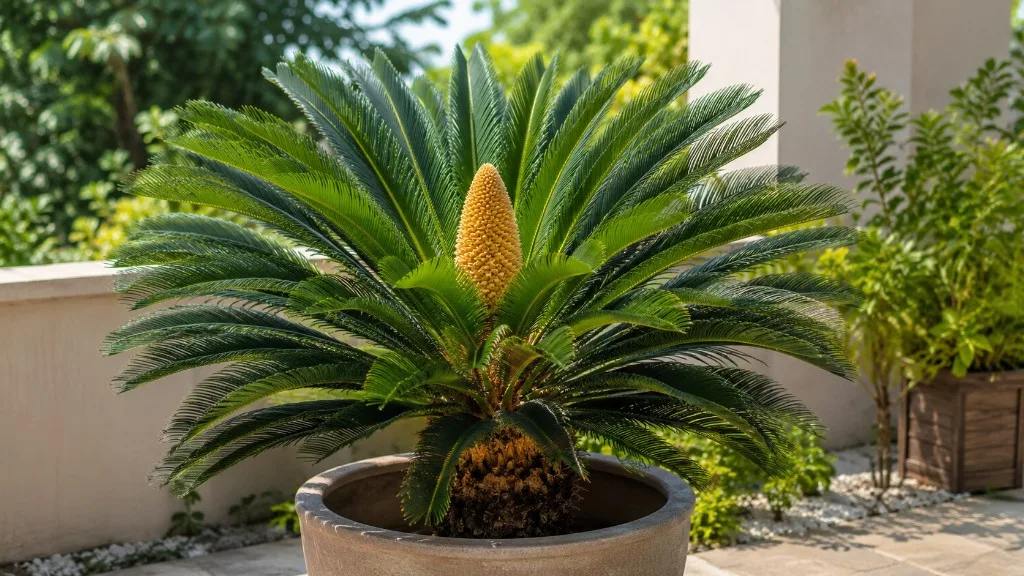
Despite the common name, sago palm is not a palm at all. It is Cycas revoluta, a slow-growing cycad in the family Cycadaceae - an ancient lineage that predates flowering plants by hundreds of millions of years. In cultivation it develops a stout, often partially underground caudex (trunk) topped with a rosette of stiff, arching fronds. Mature specimens frequently produce offsets, also called pups or bulbils, at the base of the trunk or occasionally along the lower stem.
Those offsets are genetically identical clones of the parent. Each pup carries its own growing point and, depending on age and attachment, may already have rudimentary roots or stored reserves in the caudex tissue. NC State Extension lists suckers at the base as a standard propagation route alongside seed, and commercial cycad nurseries rely on basal offset removal as the primary method for multiplying known plants. You are not coaxing a detached leaf to reinvent a plant - you are separating a miniature cycad that already has the blueprint to grow.
That distinction matters because much online houseplant advice assumes palm-like or succulent-like propagation. Cycads heal slowly, root slowly, and punish wet cuts. Treating a sago pup like a pothos cutting is the fastest route to a rotting stump in damp soil. The rest of this guide follows how Cycas revoluta actually behaves when you remove and root offsets at home.
If symptoms persist, see the Brown Tips on Sago Palm guide.
Why Offsets Are the Best Home Propagation Method
The easiest way to propagate sago palm at home is by removing basal offsets. Seed propagation is biologically possible but impractical for most indoor growers: sago palms are dioecious, meaning you need separate male and female plants for viable seed, pollination occurs outdoors in warm climates, and germination plus seedling development can stretch across months to years before you have anything resembling a garden-center plant. Leaf or frond cuttings do not produce new plants on cycads because the frond lacks the meristematic tissue needed to generate a caudex and crown.
Offset propagation sidesteps those barriers. A pup 4 to 5 inches in diameter with firm caudex tissue and a visible attachment point gives you a defined starting unit, a clear cut surface to callus, and - in many cases - existing root initials at the base. UC Cooperative Extension Master Gardeners describe offset removal in spring or early summer, callusing for several days, then potting in fast-draining mix with warmth and barely moist soil until roots establish over 4 to 12 weeks, sometimes longer for small or rootless pups.
| Method | Typical home success | Time to recognizable plant | Best for |
|---|---|---|---|
| Basal offset (pup) | High when callused and kept dry early | 2–6 months to firm rooting; years to multi-frond specimen | Most home growers |
| Crown/trunk offset | Moderate; higher rot risk | Similar to basal, often slower | Experienced growers |
| Seed | Variable; needs pollination | 1–3+ months germination; years to size | Breeders, outdoor collections |
| Frond/leaf cutting | Not viable | N/A | Not recommended |
If your goal is one or two extra plants from a clumping sago you already own, offsets are the method worth learning thoroughly. Seed belongs in a separate conversation about patience, outdoor male and female plants, and multi-year projects.
Safety First: Toxicity and Protective Handling
Before you touch a knife to the trunk, understand that every part of Cycas revoluta is toxic. NC State Extension rates poison severity as high; the toxic principle cycasin is present in leaves, roots, bark, sap, and seeds, with seeds carrying the highest concentration. Ingestion can cause vomiting, diarrhea, liver failure, seizures, and death in pets and humans - particularly children and dogs, who may chew fallen seeds or discarded propagation debris. There is no home antidote. Pet owners should call the ASPCA Animal Poison Control Center at (888) 426-4435; human exposures go to Poison Control at (800) 222-1222.
Propagation increases exposure risk because you are cutting living tissue, handling caudex pulp, and leaving wound surfaces on both pup and parent. Wear thick nitrile or gardening gloves, long sleeves, and eye protection when cutting. Work on a surface you can wipe down, not a kitchen counter. Bag and discard frond trimmings, caudex shavings, and failed pups in sealed trash - never compost material that pets or wildlife might access. Wash tools and hands after the session even if you wore gloves.
If you share your home with curious toddlers or chewing-prone dogs, consider whether propagating indoors is worth the debris risk, or confine the work to a locked room and complete cleanup before pets return. Propagation guidance is not a substitute for veterinary or medical advice; treat any suspected ingestion as an emergency regardless of how much was consumed.
When to Remove Sago Palm Pups
Spring through early summer is the best window for sago palm propagation in most climates - roughly March through June in the Northern Hemisphere when days lengthen, temperatures stabilize above 65°F (18°C), and the plant enters active growth. During this phase metabolic activity is higher, wound closure on the parent proceeds faster, and new roots on the pup form more readily than in cold or dormant periods.
You can remove pups in late summer if your plant stays warm and bright, but expect slower rooting and a higher rot risk once nights cool and soil stays damp longer. Avoid winter propagation unless you are rescuing a plant from a broken pot or emergency division; establishment in dim, cool conditions can stretch from weeks to half a year with elevated failure rates.
Timing is not only calendrical. Do not propagate a parent that was repotted within the last month, recently shipped, or showing active stress - yellowing crown fronds, soft caudex, scale infestation, or soil that smells sour. Give the mother two to four weeks of stable care first. Conversely, a healthy mature sago that has filled its pot and produced multiple firm basal pups is an ideal candidate. The plant tells you when it is ready by producing offsets; your job is to choose the season when those offsets have the best chance to root independently.
How to Tell If a Pup Is Ready to Separate
Not every bump at the base qualifies as propagation material. A pup ready for removal should be firm, with a caudex diameter of at least 3 to 4 inches - many growers prefer 4 to 5 inches for faster independence. The offset should have its own distinct growing point and at least a few small fronds or firm leaf bases, not just a soft green nub still fused flat to the parent.
Gently brush soil away from the connection. If the pup wiggles with light pressure or shows a narrowing neck where it attaches to the mother caudex, it is structurally ready. Dark brown, mushy, or collapsed pups are rot, not propagation stock - discard them. Offsets that are still completely flush and doughy against the trunk may need another season to develop enough caudex tissue to survive on their own.
Optional but useful: if you see pale root initials or short white roots emerging from the pup base, rooting after separation will be faster. Absence of roots is not a disqualifier; it simply extends the callus and dry-establishment timeline. One healthy offset beats three marginal ones - take the best pup, not every pup at once, especially on your first attempt.
Basal Pups vs. Crown and Trunk Offsets
Most home propagation deals with basal offsets - pups emerging from soil level around the main caudex. These are the standard nursery method: easier access, cleaner cuts, and less risk to the parent’s apical growth point. Basal pups often detach with a twisting motion or a single cut at the narrow junction, and the parent heals a wound at ground level where drainage and airflow are relatively good.
Crown or trunk offsets appear higher on the stem, sometimes after injury, heavy pruning, or stress. They can be propagated the same way - cut, callus, pot - but the parent wound is exposed on the trunk where water can collect, and the offset may have fewer roots. Only experienced growers should remove trunk pups; beginners should stick to basal offsets until they have succeeded at least once.
Multi-headed clumps form when several basal pups mature alongside the central trunk. You can propagate one pup per year from a healthy clump without destabilizing the display plant, or remove several in one session if you are willing to accept a thinner-looking parent while it reroutes energy. Never remove every offset from a young plant; leave at least one or two if you want the clustered look, and always preserve the main growing crown.
Tools and Materials You Will Need
Good sago palm propagation is mostly sharp tools and restraint with water. Gather the following before you start:
- Thick gloves and eye protection for toxicity and sharp frond tips
- Sharp, sterilized knife, pruning saw, or chisel wiped with 70% isopropyl alcohol
- Newspaper or tarp to catch caudex debris
- Small pot only 1 to 2 inches wider than the pup’s caudex, with a drainage hole
- Fast-draining mix: cactus and succulent blend amended with perlite, pumice, or coarse sand
- Optional: copper-based or sulfur fungicide for cut surfaces; rooting hormone powder for slow-rooting pups (helpful but not required)
- Shaded drying tray for callusing - no direct sun on fresh cuts
- Spray bottle for light surface moisture later; not for soaking unrooted pups
Avoid oversized pots. A 4-inch pot suits many pups; a 6-inch pot only if the caudex itself is large. Excess wet soil around an unrooted caudex is the leading cause of propagation failure on cycads. Terracotta helps dry the mix faster in humid homes; plastic works if you adjust watering downward. Standard peat-heavy indoor potting soil alone holds too much moisture - amend heavily or use a dedicated palm and cactus blend.
How to Remove Sago Palm Pups Step by Step
Work methodically. Rushed cuts tear caudex tissue and slow healing on both plants.
Loosening Small Basal Offsets
Some pups attach loosely enough to remove by hand after you expose the junction. Stop watering the parent for five to seven days before separation so the caudex and soil are slightly dry and easier to handle. Unpot if the pup is buried deep, or scrape soil away from the base while the parent stays in its container.
Grip the pup at the caudex, not the fronds - fronds snap and leaves are toxic to touch bare-handed. Wiggle gently side to side. If the pup rotates at a narrow neck and separates with a clean pop, you may not need a blade. Inspect the break: a jagged tear should be trimmed flat with a sterilized knife so the wound can callus evenly.
Cutting Larger or Tightly Attached Pups
When the offset is fused wide to the parent, use a clean saw or sharp knife. Cut at the narrowest point between pup and mother caudex, preserving as much pup tissue as possible while minimizing trunk damage. One smooth cut beats hacking. Hold the pup steady so the blade does not slip into the parent crown.
Some growers chisel gently back and forth at the junction until the pup releases; others prefer a single downward saw stroke. Either way, avoid gouging deep into the parent caudex - you only need to sever the connection. After removal, optionally dust copper fungicide on both the pup cut face and the parent wound per label directions. Let frond debris fall onto your tarp, not the floor.
Large pups often carry many fronds that pull moisture during rooting. Many nursery protocols recommend removing most or all fronds from the offset after cutting, leaving a bare caudex top or a stub of central tissue. This reduces transpiration while roots are absent. Rinse mud from the caudex, pat dry, and move immediately to callusing - do not plant wet.
Callusing: The Step Most Growers Rush
Fresh sago palm cuts must dry and callus before soil contact. Skip this step and fungal infection enters the caudex within days, especially in warm, humid conditions. Place the pup in a dry, shaded, airy location - a garage shelf, covered porch, or indoor spot away from windows - for 3 to 7 days. In cool or humid homes, extend to 7 to 10 days for large cuts.
The cut surface should transition from wet and glossy to dry, tan, and corky. It will not harden like succulent leaf callus; cycad tissue forms a slower seal. Do not mist the pup during callusing. Do not wrap it in plastic. Do not apply rooting hormone until immediately before planting if you choose to use it.
Parent wounds callus on the trunk in parallel. Keep the mother in Sago Palm light guide with reduced watering until the trunk scar dries - usually the same 3 to 7 day window. Avoid overhead watering that streams into the open cut. Once both surfaces are dry, you are ready to pot the pup.
Choosing the Right Pot and Soil Mix
Match container volume to caudex size, not aspirational growth. The pot should be slightly wider than the pup and deep enough for root development - cycads produce taproot-like anchors over time, and a pot 6 to 8 inches deep for a small pup gives room without drowning the plant in idle wet mix.
Fill with a fast-draining cycad-friendly blend. Practical home recipes include:
- Equal parts cactus and succulent potting mix and perlite or pumice
- Half potting soil, half coarse sand or grit, with a handful of peat or coco coir for slight moisture retention
- Commercial palm and cactus mix straight from the bag if your climate is dry; add 20–30% perlite if you are in a humid home
Target neutral to slightly acidic pH around 6.5 to 7.0. The mix should crumble when squeezed, not clump into a wet ball. Fill the pot loosely; do not pack it. Have the pot ready before the callus period ends so you plant promptly once the cut is sealed.
Planting the Pup After the Cut Has Dried
Plant the offset with the bottom third to half of the caudex buried in dry mix and the top growth point facing upward. If you removed all fronds, a small central bud or scar may be the only visible “top” - orient it the same way the pup grew on the parent. Firm the soil lightly around the base; do not compress the entire pot.
Do not water at planting. This contradicts instinct and contradicts generic “water after Sago Palm repotting guide” advice, but unrooted cycad caudex tissue in wet soil rots before it roots. Leave the mix completely dry for 7 to 14 days after potting unless you are in extremely arid conditions and the caudex shows visible shriveling - even then, use light misting near the base, not a soak.
Optional: dip the callused cut end in rooting hormone immediately before setting it in the pot. Evidence for cycads is mostly anecdotal, but it does not harm when used sparingly. Do not bury the caudex deeper than it grew on the parent; deep planting invites stem rot.
Place the potted pup in bright indirect light indoors or dappled shade outdoors. Avoid direct afternoon sun on a plant with no roots - fronds that remain will bleach and stress the caudex. A stable temperature between 70 and 85°F (21–29°C) supports root initiation better than a cool windowsill.
Watering and Light While Roots Form
After the initial dry period, introduce moisture gradually. Moisten only the top inch of mix, then let it dry fully before the next application. You are not keeping the pot evenly moist like a fern; you are cycling between almost dry and lightly damp at the surface while the interior stays airy.
Over 4 to 12 weeks, increase watering slightly only if the caudex stays firm and the mix dries within 5 to 7 days. A full soak-and-dry rhythm like a mature sago - water until runoff, then wait until the top 2 inches are dry - comes after you see new frond push or clear root resistance when you tug gently on the caudex.
Light should stay bright but indirect for the first two to three months. Eastern windows, shaded south exposures, or 12–14 hours under a grow light at moderate intensity work well. Once new fronds unfurl and roots hold the caudex when you lift the pot, transition toward the same light the parent tolerates - typically bright indirect with some direct morning sun.
Do not fertilize until active frond growth appears, usually three to six months after rooting begins. Fertilizer on an unrooted caudex adds salt stress without benefit. When feeding starts, use a dilute balanced or palm-formula fertilizer at half label strength during the warm season only.
How Long Sago Palm Pups Take to Root
Patience is part of the protocol. Most sago palm pups root in 4 to 12 weeks under warm, bright conditions with correct dry-then-moist watering. Small offsets with no prior roots may sit unchanged for 3 to 6 months before the first new frond emerges - that is normal cycad pace, not failure. UC Cooperative Extension Master Gardeners note that rooting side shoots can take a few months, and difficult crown offsets may need 6 to 12 months or longer.
Signs of progress, in order of reliability:
- Firm caudex that does not soften at the base - baseline health
- Slight caudex swelling or resistance when you gently twist the plant
- First new frond spear emerging from the crown - the clearest success signal
- White root tips visible at drainage holes - confirmation, not a requirement to start normal care
Digging up the pup weekly to check roots resets progress and introduces pathogens. Trust firm tissue and eventual frond push. If nothing happens for six months but the caudex remains hard and the mix is not staying wet, maintain sparse water and stable light - some pups root on cycad time, not calendar time.
First-Year Aftercare for Propagated Pups
The first 12 months after separation define long-term health. Keep these rules consistent:
Use undersized pots. Repot only when roots circle the drainage holes or the caudex visibly outgrows the rim - often every 1 to 2 years for slow cycads, not every season.
Water like a mature sago, but slower. Established pups tolerate drought better than rot. Let the mix dry between waterings; sago palms store reserves in the caudex. Yellowing on lower fronds may be normal senescence; yellowing on the newest spear signals overwatering or crown rot - act immediately by drying the mix and improving airflow.
Limit frond removal. Unlike the initial pup strip, do not prune green fronds aggressively during establishment. Each leaf photosynthesizes for the caudex until roots fully support the plant.
Watch pests. Stressed cycads attract scale, mealybugs, and spider mites. Inspect leaf undersides monthly. Quarantine new pups from other plants for 30 days.
Accept slow growth. A pup may produce one to two frond flushes per year indoors. Multi-frond symmetry takes years. Propagation success means a living, rooting caudex - not an instant duplicate of a decades-old specimen.
When the pup matches the parent’s care requirements, integrate it into your normal sago palm routine: fast-draining mix, bright light, sparse fertilizer in warm months, and toxicity awareness around pets and children.
Troubleshooting Pups That Fail or Stall
Most failures trace to a short list of cultural mistakes rather than “bad luck.”
Planting before callus completes invites fungal rot at the cut face - the most common error. If the base turns soft, smells sour, or darkens inward, discard the pup; it will not recover.
Watering too soon or too heavily after potting keeps the caudex in anaerobic soil. If you already watered early, unpot, let the caudex air-dry for several days, trim any soft tissue back to firm white or tan caudex, callus again, and restart with a dry pot.
Oversized pots and heavy mix maintain moisture too long. Downsize to a smaller container with grittier soil.
Direct sun on unrooted pups desiccates remaining fronds faster than roots can replace water. Move to bright shade.
Winter timing slows metabolism; a pup that would root in six weeks in June may take six months in December.
Water propagation does not work for cycad caudex offsets - submerged tissue rots. Soil with dry establishment is the correct medium.
If the caudex stays rock firm for six months with sparse watering and no rot smell, continue waiting. If it softens at any point, remove it before mold spreads to neighboring plants.
Caring for the Parent Plant After Pup Removal
The mother plant needs aftercare too. Keep the trunk wound dry and shaded from rain or overhead watering until it calluses - typically one to two weeks. Reduce watering slightly for the first month so the caudex is not saturated while healing; resume normal soak-and-dry once the scar is corky and new frond growth continues.
Do not fertilize immediately after surgery; let the plant reroute stored energy to wound closure. Inspect the cut monthly for soft rot or sap weeping; copper fungicide at removal time reduces but does not eliminate risk.
Removing one or two basal pups rarely harms a mature sago. Removing many at once can temporarily slow frond production as the plant rebalances. Avoid repotting the parent in the same season unless the old mix was clearly failing - stacking stress events reduces recovery speed.
If pups reappear quickly, that is normal suckering behavior on a healthy cycad. You can leave them for a multi-stem look or propagate again next spring when offsets reach sufficient size.
Conclusion
Sago palm propagation from offsets is the practical home method for Cycas revoluta: remove firm basal pups in spring or early summer, callus the cut for 3 to 7 days, pot in a small container with gritty, fast-draining mix, and delay watering until the caudex heals in dry soil. Rooting takes weeks to months, not days, and success looks like a firm caudex followed by new frond push - not constant digging to check roots.
Wear gloves, respect cycasin toxicity, and keep propagation debris away from pets and children. Skip leaf cuttings, skip water jars, and treat seed as a separate long project if you ever pursue it at all. Match the method to cycad biology, keep early moisture low, and your pup has a strong chance of becoming an independent plant - growing slowly, as sago palms always do.
When to use this page vs other Sago Palm guides
- Sago Palm overview - Start here for whole-plant context before deep-diving this topic.
- Sago Palm problems hub - Jump to symptom-specific fix guides when this care topic does not resolve the issue.
Related Sago Palm guides
- Sago Palm overview
- Sago Palm watering
- Sago Palm light
- Sago Palm soil
- Sago Palm fertilizer
- Sago Palm repotting
- Sago Palm problems
Related tool
Try the Propagation Success Calculator with sago-palm pre-selected to estimate needs for your setup.