Watering Sago Palm: Schedule, Soil Checks, and Mistakes
Watering Sago Palm: Schedule, Soil Checks, and Mistakes
Watering Sago Palm: Schedule, Soil Checks, and Mistakes
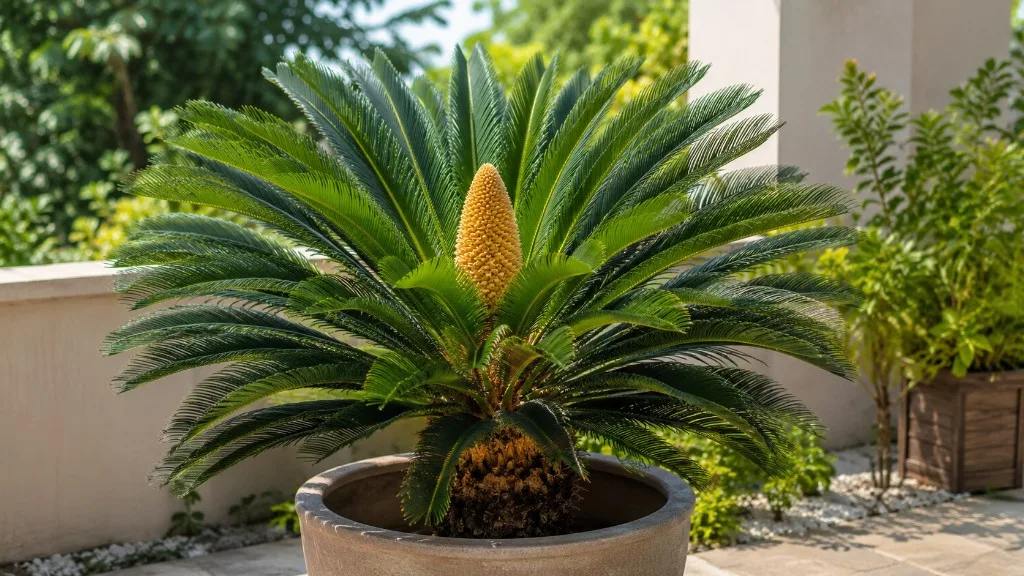
A sago palm looks like it wants tropical pampering. In reality, Cycas revoluta is a slow-growing ancient cycad - more closely related to conifers than to true palms - that evolved on rocky, sun-baked slopes in southern Japan where standing water simply does not happen. The thick caudex (trunk) stores moisture for dry spells. The roots suffocate fast in saturated soil. Overwatering kills more sago palms than underwatering, pests, or neglect combined. The fix is not a calendar that says “water every Sunday.” The fix is a short routine: check moisture two to three inches deep, water deeply when the root zone is genuinely dry, let the pot drain completely, and adjust for season, pot size, and light. This guide gives you the checks, the realistic schedules, and the mistakes that turn a dignified evergreen specimen into a yellowing, wobbly stump.
If symptoms persist, see the Brown Tips on Sago Palm guide.
Why Sago Palm Watering Breaks the Palm Rulebook
The name sago palm is the first trap. Gardeners apply palm-care logic - steady moisture, humid air, frequent drinks - to a plant that behaves like a drought-adapted cycad. North Carolina Extension notes that sago palm requires moist, well-drained soil but is intolerant to overwatering or poor drainage, and is drought tolerant when established on sandy, loamy substrates. (NC State Extension) Those three facts must stay together: moist does not mean wet, well-drained is non-negotiable, and drought tolerance means the plant forgives dry spells far more readily than wet ones.
Sago palm also sends slow, confusing signals. It declines gradually. A single yellow leaflet might mean nothing urgent. By the time the caudex feels soft or the plant wobbles in its pot, root damage may already be advanced. That delayed feedback rewards patience with dry-down checks and punishes autopilot watering. NC State Extension notes sago palm is drought tolerant when established but intolerant to overwatering or poor drainage, and that root rot can occur when soil stays saturated - the most common indoor failure mode.
Understanding that sago palm is a gymnosperm cycad, not a flowering palm, reframes every watering decision. Cycads store reserves in the caudex and push one flush of fronds per year in many temperate climates. They do not need the constant moisture throughput that fast-growing tropical foliage plants demand. Treat sago palm like a desert-adapted conifer with a soak-and-dry rhythm, not like a fern or a peace lily.
How Much Water a Sago Palm Actually Needs
A useful starting principle for all sago palms is deep, infrequent watering that wets the full root zone, followed by a genuine dry-down before the next session. In practice, that means a slow, thorough soak until water runs freely from drainage holes - then nothing until the top two to three inches of mix feel completely dry at depth. The volume per week matters less than the cycle: full drink, partial dry-down, full drink. A daily sprinkle that dampens only the surface is worse than a proper soak every two to three weeks.
Indoor sago palms in typical bright-room conditions often need water every 14 to 28 days during spring and summer active growth, and as little as every 4 to 8 weeks in winter dormancy - but only when soil checks confirm dryness. Those ranges are starting points, not rules. A small pot in a hot south window may dry in ten days. A large urn in a cool north room may hold moisture for five weeks in January. Your pot, your mix, and your light decide the interval.
Outdoor container sago palms in warm active seasons may need water every 10 to 21 days when the top few inches of soil dry out. In-ground specimens in USDA Zones 9–10, once established on well-drained sandy or loamy soil, may need little supplemental irrigation outside extreme drought. Containers always dry faster than ground soil because roots cannot spread beyond the pot walls.
Dry, aged peat sometimes repels water - run two passes five minutes apart, or bottom-water until the surface darkens, then drain.
How Often to Water Sago Palm Indoors
Indoor sago palm watering frequency tracks how fast your specific pot dries, not a day on the calendar. Check at least weekly during the growing season - not to water by default, but to run moisture tests and decide. After two weeks in the same spot, you will learn whether your plant behaves like a two-week sago or a four-week sago. That personal baseline beats any generic chart because it accounts for your pot material, your mix, your HVAC, and your window exposure.
A sago palm in Sago Palm light guide with some direct morning sun - the range NC State Extension recommends as partial shade to bright filtered light for four to six hours indoors - transpires more actively than the same plant in a dim corner. (NC State Extension) Heat from a nearby radiator or a sun-baked window sill accelerates dry-down. Air conditioning that pulls humidity below thirty percent can dry small pots faster than growers expect, but that does not mean you should keep soil constantly wet - dry air plus soggy mix is a common winter failure.
Newly purchased plants need a settling-in period. Learn how fast the nursery pot dries before changing anything.
Finger Test, Chopstick Probe, and Pot Weight
The finger test is the fastest daily check. Press your finger into the mix two to three inches deep near the pot edge, away from the caudex. If the soil feels cool and clings slightly at that depth, wait. If it feels dry and crumbly throughout that zone, water. If only the surface is pale and dusty but your finger comes out with damp particles at depth, wait - surface colour lies, especially on peat-based mixes that crust over while the center holds moisture.
A wooden chopstick or skewer works as a reliable backup. Insert it to mid-pot depth, wait sixty seconds, pull it out. Damp wood with clinging soil means wait. Dry wood with a light pot means water. This probe is particularly useful when you are unsure whether a crusty top layer is hiding wet soil below - a common overwatering trap.
The pot weight test is the most trustworthy signal for repeat growers. Lift the pot right after a thorough watering and notice the weight. Lift it every few days. A pot that feels dramatically lighter has lost much of its available moisture. Combine weight with the depth check when you are unsure: light pot plus dry top two to three inches equals water; heavy pot plus limp fronds equals trouble, not thirst.
Sago palm has one signal that confuses beginners: slight frond droop in winter can appear even when the plant does not need water. Cool temperatures and low light slow metabolism. Do not interpret every visual softening as drought. Confirm with depth and weight before adding water in the dormant season.
How Often to Water Sago Palm Outdoors
Outdoor sago palm watering depends on whether the plant is in the ground or in a container, and on your USDA hardiness zone. Sago palm is hardy in Zones 9–11 outdoors; in cooler regions it is grown as a container plant moved outside for summer and overwintered indoors. (NC State Extension) Outdoor specimens in fast-draining sandy or loamy soil tolerate brief dry periods well once roots are established.
During warm active growth outdoors, check containers every seven to ten days and water when the top two to three inches are dry - often translating to every 10 to 21 days depending on heat, wind, and pot size. NC State Extension notes that container plants dry faster than in-ground specimens and need more frequent checks during active growth, with reduced watering as growth slows in fall. In winter outdoors in frost-free zones, water only when soil feels dry to an inch depth - roughly every three weeks as needed.
After rain, run a depth check before assuming the plant is hydrated. Newly planted outdoor specimens need consistent moisture - not saturation - during the first growing season.
In-Ground vs Container on the Patio
In-ground sago palms benefit from the soil’s natural buffer. Roots spread outward and downward, accessing moisture reserves a pot cannot offer. Sandy loam drains quickly - matching the plant’s native preference - while heavy clay holds water too long and invites rot unless you raise the planting mound twenty to thirty centimeters above grade and amend with grit. NC State Extension recommends sandy or loamy soils with good drainage and notes that sago palm is intolerant to poor drainage. (NC State Extension) In-ground plants in Mediterranean or subtropical climates may need no supplemental water outside extreme drought once established.
Container sago palms on patios, entrances, and sunrooms limit root spread to the pot walls. That constraint is why containers need more frequent checks even when the weather looks mild. A large decorative urn in full summer sun can lose usable moisture in a single hot week. Wind and reflected heat from walls and paving accelerate evaporation. A sheltered partial-shade balcony stretches the interval - but still check rather than assume.
The most common outdoor container failure is a pot without drainage or a saucer that never gets emptied after irrigation. Standing water at the base re-saturates roots within hours and mimics the waterlogged conditions sago palms never encounter in nature.
Seasonal Sago Palm Watering Schedule
Sago palm water use tracks temperature, day length, and growth speed more closely than the day of the week. A seasonal framework helps you anticipate change without locking into bad habits.
Spring and summer bring active growth and faster dry-down. Outdoor pots in hot climates may need water every 10 to 14 days; indoor specimens in air-conditioned rooms may stretch toward three to four weeks. Fall slows evaporation - stretch intervals and reset the schedule when containers move back inside. Winter indoor plants in cool, dim rooms may need water only every four to eight weeks. Reduce frequency, not thoroughness - when you do water, water fully and drain completely.
Active Growth vs Winter Dormancy
Summer mistakes cluster around two extremes: forgetting the outdoor urn during a heat wave, and watering every week out of habit even when the mix is still wet from the last session. Heat increases evaporation; it does not suspend the need for drainage. If a frond looks slightly limp at midday in July and the pot is heavy, suspect heat stress or root trouble - not thirst.
Winter dormancy is where cold and wet combine into guaranteed rot. A sago palm in a sixty-degree room with weak winter light may take five to six weeks to dry down. Watering on your summer schedule keeps the root zone anaerobic for weeks. The plant may show yellowing at frond bases, a foul smell from the mix, or a soft spot at the caudex. When in doubt in winter, wait an extra week and re-check depth.
Resume your active-season rhythm only when you see clear new growth - a emerging spear or fresh frond flush - and the pot begins drying on a faster curve again.
The Soak-and-Dry Method Step by Step
The soak-and-dry method is the standard professionals use for cycads: water deeply and infrequently, never maintain permanently moist soil. Here is the routine in plain steps.
Check depth two to three inches into the mix. If moisture is present, stop. Water slowly around the caudex until water runs from drainage holes. Drain immediately - empty the saucer within fifteen minutes and never let the pot sit in standing water. Wait for dry-down before the next session. This mirrors the plant’s native pattern: occasional deep soaking followed by extended dry periods.
Watering by Pot Size and Caudex Age
Pot size changes the schedule immediately, often more than season. A six-inch nursery pot dries fast and may need water every 10 to 14 days in summer sun. A heavy fourteen-inch urn holds more buffer and may go three to four weeks between sessions in the same location. After Sago Palm repotting guide into a larger pot, expect slower dry-down until roots fill the new volume - many growers overwater freshly repotted sago palms because they keep the old schedule.
Young sago palms with small caudexes have less internal water storage. They still prefer dry-down cycles, but they cannot coast through extended drought as long as a mature specimen. Check smaller plants slightly more often, but still wait for depth dryness before watering.
Mature sago palms with thick caudexes store substantial reserves. They tolerate missed waterings better than excess waterings. A large specimen in a well-draining mix can survive a dry spell that would stress a fern - but chronic underwatering eventually shows as brown frond tips, stunted new spear growth, and spider mite pressure in dry air.
NC State Extension describes sago palm as very slow-growing and notes it may take decades to reach full size - container plants still need regular moisture checks since pots dry faster than in-ground plantings. After each repot, reset your dry-down calendar.
Soil Mix and Drainage as Watering Foundations
Your watering skill cannot overcome a bad mix. Sago palm wants sandy or loamy, well-drained soil with enough structure to hold some moisture without staying wet for days. NC State Extension lists good drainage as essential and notes intolerance to overwatering. (NC State Extension) A practical container blend might use two parts quality potting compost, one part coarse sand, and one part perlite or pumice. For heavy garden clay, raise the planting mound and amend with grit.
Dense, peat-heavy indoor mix that has collapsed into a brick creates the worst of both worlds: water runs off the surface or pools at the bottom, roots lack oxygen, and you cannot tell whether the center is wet or dry. Fast-draining cactus or palm mix amended with extra perlite is a safer default than standard all-purpose potting soil marketed for moisture retention.
Drainage holes are non-negotiable in containers. Decorative pots without holes, holes blocked by roots or debris, or a layer of gravel that actually reduces drainage in a tall pot - all are fast paths to overwatering symptoms despite careful attention. Elevate the pot slightly above saucer water if you must use a tray.
Soil pH preference runs acid to neutral - roughly 5.5 to 7.0. Normal indoor mixes sit close enough that exact pH adjustment is rarely needed in a hobbyist setup. Water quality matters more than pH tweaking for most growers.
Signs You Are Overwatering Sago Palm
Overwatering is the silent killer because the plant can look thirsty while the roots are failing. Watch for these patterns together, not in isolation.
Yellowing fronds starting at the bases, not the tips, often appear when the root zone stays wet too long. Lower fronds yellow first; new growth may stall or emerge weak. Natural aging also yellows old fronds, but chronic base-yellowing plus wet soil points to moisture stress.
Wilting or limp fronds despite wet soil is the hallmark of root failure. Roots damaged by low oxygen cannot transport water, so fronds droop even though moisture is present. If you respond by adding more water, you accelerate the decline.
Soft or spongy caudex tissue at the base - detected by firm thumb pressure - suggests waterlogged cellular breakdown. Healthy caudex feels solid and woody. Dark water-soaked staining on the lower trunk is an advanced warning.
Foul odor from the mix and black, slimy roots visible at the soil line or after gentle unpotting indicate rot, often associated with Phytophthora water molds that thrive in warm, saturated, low-oxygen soil. In nature, sago palm grows on well-drained rocky slopes where these conditions do not occur.
Fungal growth on the soil surface, a pot that feels perpetually heavy, and a plant that wobbles despite firm fronds all suggest compromised root anchorage.
If several signs align, stop watering, confirm drainage holes are open, improve airflow, and inspect roots if decline continues. Mushy brown roots need trimming back to firm tissue, repotting into fresh dry porous mix, and withholding water for three to four weeks while the plant stabilizes.
Signs Your Sago Palm Is Underwatered
Underwatered sago palm is usually more straightforward than overwatered. The plant tells you earlier, and recovery is faster if you act before fronds crisp.
Dry, crumbly soil pulling away from the pot edge means the root ball went too dry. Rewater in stages if water runs straight through cracks along the wall - first pass to swell the mix, wait ten minutes, second pass to full saturation, then drain.
Drooping fronds with a dramatically light pot and dry depth readings signal genuine drought stress. Unlike overwatering wilt, the pot weight confirms thirst.
Brown, crispy frond tips and margins follow repeated drought cycles or very dry indoor air. A single dry episode rarely causes permanent damage; sago palm pauses growth until moisture returns.
Slow or stunted spear emergence during the active season can mean the caudex is drawing on reserves because roots are not getting consistent deep soaks. NC State Extension lists scale insects, mealybugs, and spider mites as common pests that can stress drought-weakened plants.
When rehydrating a dry pot, water until drainage appears, wait ten minutes, water again, then drain completely. Resume the normal soak-and-dry cycle once the root zone is evenly moist - not on a daily sip schedule.
Recovering from Root Rot and Soggy Soil
If you catch overwatering early - yellowing bases, heavy pot, slight sour smell, but firm caudex - the recovery path is straightforward. Stop watering immediately. Move the plant to brighter light if it was in a dim spot with slow evaporation. Empty any saucer water. Let the mix dry down significantly before the next cautious soak.
Advanced rot requires unpotting, trimming mushy roots to firm tissue, air-drying cut surfaces, and repotting into fresh fast-draining mix in a smaller pot. Water lightly once, then withhold until the top three inches dry. Recovery takes months - prevention through drainage and restraint is far easier than rescue.
Water Quality, Temperature, and Timing
Most tap water is fine. Very hard water can accumulate salts over years - occasional rainwater or filtered water helps leach them. Use room-temperature water; morning watering lets incidental splash dry during the day. Ideal temperatures run 65 to 80°F (18 to 27°C). Below that range, dry-down extends; above it, containers dry faster. Follow soil checks, not thermometer readings alone.
Humidity, HVAC, and Indoor Climate Effects
Average household humidity of 30 to 50 percent is fine. Dry heated air accelerates evaporation in small pots - check more often, but do not keep soil wet. Avoid placement directly under AC vents or heating registers, which skew dry-down curves. All plant parts contain cycasin, highly toxic to pets and children if ingested. (ASPCA)
Common Sago Palm Watering Mistakes
The same errors appear in forums and clinic visits repeatedly. Most are preventable with a depth check and a drained saucer.
Watering on a weekly calendar without checking soil is the top mistake. Your sago palm does not know what day it is. It knows whether the root zone has dried.
Using standard moisture-retentive potting soil labeled for generic houseplants traps water around cycad roots. Fast-draining mix is not optional.
Leaving the pot in a full saucer or cachepot after every watering re-saturates the bottom root zone within minutes. Empty runoff every time.
Watering because one frond yellowed without checking moisture, light, or natural aging. Sago palm sheds older lower fronds as part of normal growth. One yellow leaf plus a heavy wet pot means overwatering; one yellow leaf plus a light dry pot may mean underwatering or simple senescence.
Increasing water when fronds look limp in winter while the pot is still heavy. Cold dormancy plus excess moisture equals rot.
Repotting into a much larger pot and keeping the old watering frequency. Fresh unused mix stays wet for weeks.
Assuming rain fully hydrated a sheltered container under a porch roof or dense tree canopy.
Cachepots, Saucers, and Standing Water
Cachepots - decorative outer pots without drainage - are the most common indoor failure point. Growers water the inner pot, set it back into the outer shell, and the bottom sits in a permanent water table. Roots cannot breathe. Lift the inner pot every time you water. Drain in the sink. Return only when dripping has stopped.
Saucers used as water reservoirs for “bottom watering” can work if you drain after the soak. They fail when growers leave an inch of standing water “so the plant can drink later.” Sago palm does not want a bog.
Double pots with gravel layers do not improve drainage in tall containers unless the inner pot has its own holes and the gravel is not blocking the exit path. Water finds the lowest point; if that point is saturated gravel under a root ball, rot follows.
Conclusion
Watering sago palm well comes down to respecting what it is: a drought-tolerant cycad with a water-storing caudex and roots that drown easily. Check the mix two to three inches deep, water deeply when that zone is dry, drain every drop from the saucer, and stretch the interval in cool dormant months. Indoor specimens often land on a 14-to-28-day rhythm in active growth and 4-to-8-week winter spacing; outdoor containers dry faster and need more frequent checks. Overwatering - not underwatering - is the threat that kills. Yellow fronds at the bases, a heavy wet pot, a soft caudex, or a sour smell mean pause and dry-down, not another drink. Build a simple habit: weekly moisture check, seasonal adjustment, fast-draining mix, zero standing water. Get that right and your sago palm rewards you with slow, steady evergreen structure for years - without the root rot that ends so many well-intentioned palm-care experiments.
When to use this page vs other Sago Palm guides
- Sago Palm overview - Start here for whole-plant context before deep-diving this topic.
- Sago Palm problems hub - Jump to symptom-specific fix guides when this care topic does not resolve the issue.
Related Sago Palm guides
- Sago Palm overview
- Sago Palm light
- Sago Palm soil
- Sago Palm propagation
- Sago Palm fertilizer
- Sago Palm repotting
- Sago Palm problems
Related tool
Try the Plant Watering Calculator with sago-palm pre-selected to estimate needs for your setup.