Water Stress on Portulaca: Causes, Checks & Fixes
Quick answer
Water stress on Portulaca is usually a wet-then-dry swing cycle, not steady drought. First step: probe soil at depth and weigh the pot before watering again-do not pour on limp stems when the mix is already heavy.
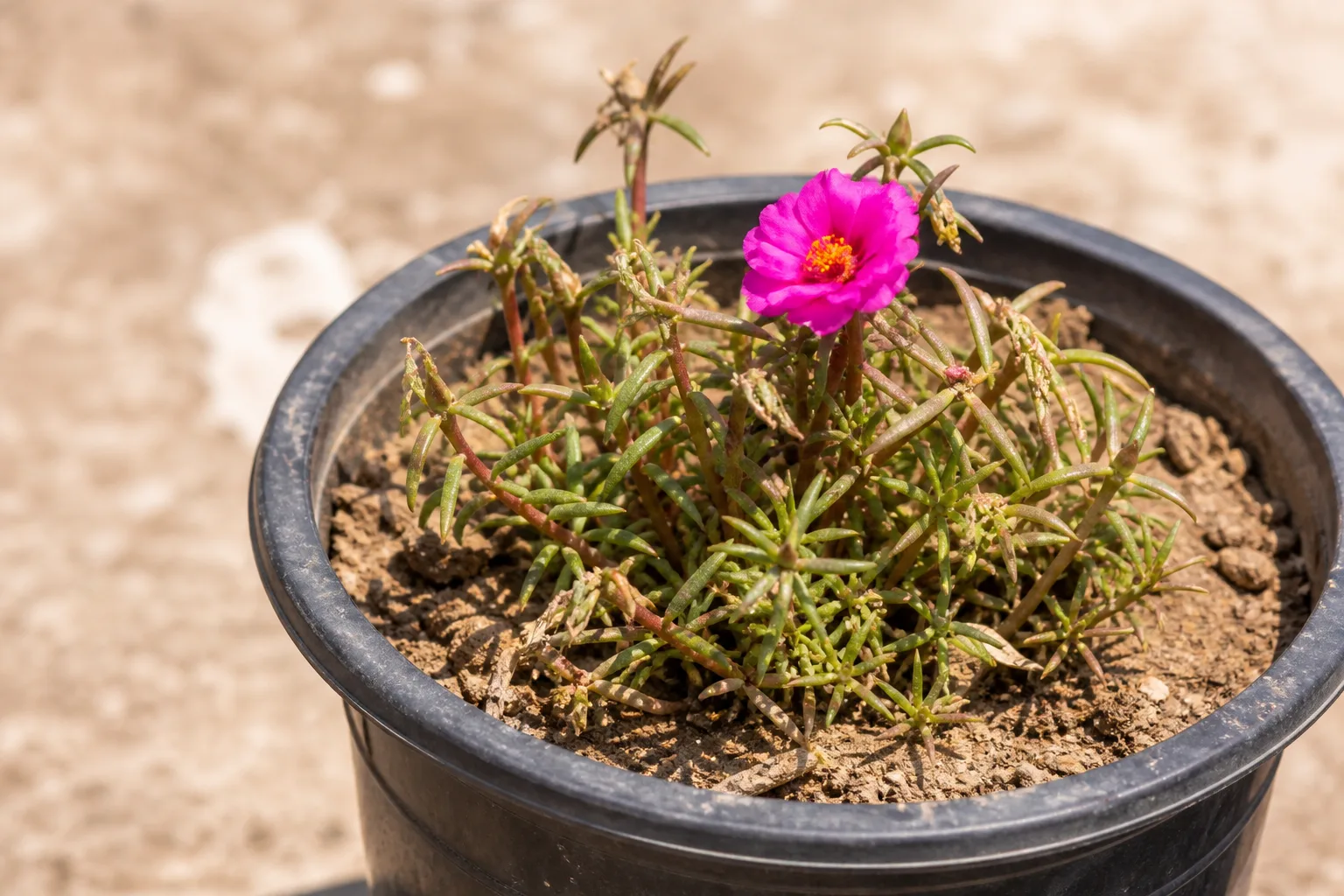
Water Stress on Portulaca: Causes, Checks & Fixes
This guide covers water stress on Portulaca. See also the general Water Stress guide, watering, and light pages for this plant.
Water Stress on Portulaca: Causes, Checks & Fixes
Quick answer
My Moss Rose wilted on a hot terrace afternoon, so I watered daily-but the pot was already heavy and now stems feel soft at the base. That back-and-forth pattern is classic water stress on Portulaca (Portulaca grandiflora, Moss Rose): roots swing between suffocation in soggy mix, then dehydration when the same pot bakes dry in full sun, then another panic watering that keeps the cycle going.
First fix: do nothing to water until you know wet from dry. Probe soil to the bottom third of the pot and lift the container to feel weight before the next drink.
Scope of this page: This guide owns swing-stress and uneven-mix triage-symptoms that flip between wet and dry within the same week. For a single clear cause, open the dedicated guides: overwatering (chronic wet soil), underwatering (bone-dry drought), wilting (wet-vs-dry-vs-cold fork), or root rot (confirmed mushy roots after inspection).
Portulaca is highly drought tolerant and stores water in fleshy stems, so it survives missed drinks better than most annuals. The danger on Moss Rose is inconsistent moisture-especially keeping roots wet in slow-draining mix, then letting the pot bake dry in full sun.
The swing-stress cycle
Most container failures follow the same loop:
- Wet phase - peat-heavy mix or shade keeps soil damp for days; shallow roots suffocate.
- Bake-dry phase - terrace heat dries the surface while the bottom may still hold moisture, or the whole pot goes bone-dry.
- Overcorrection - daily watering after one dry afternoon refloods damaged roots.
- Repeat - wilt on wet soil, closed flowers in sun, stalled buds, soft stem base.
Breaking the cycle means one directional fix matched to what the pot actually holds-not alternating drought rescue and flood rescue every other day.
When to use this page vs. sibling guides
| Symptom pattern | Best guide | Why |
|---|---|---|
| Symptoms flip wet → dry → wet within one week | This page | Swing-stress specialty |
| Heavy wet pot, soft base, sour smell-one cause only | Overwatering | Early wet-soil triage before confirmed rot |
| Light dry pot, firm stems, perks after one soak | Underwatering | Straight drought |
| Wilt fork before you know the cause | Wilting | Wet vs. dry vs. cold decision tree |
| Mushy roots on more than one-third of root mass | Root rot | Confirmed decay rescue |
| Whole-pot limp tied only to moisture, not swing | Drooping leaves | Drooping without the wet-dry flip |
| Flowers never open on sunny days, firm stems | No flowers | Bloom failure, not swing stress |
| Oversize glazed pot, surface dry / bottom wet | Pot too large | Volume trap prolonging wet phases |
If you are unsure, probe depth and weigh the pot once. Chronic swings point here; a single dominant pattern points to the sibling above.
Wet vs. dry vs. uneven - decision table
Use this table before changing your watering habit. Compare pot weight, stem firmness at the crown (lift trailing shoots to see the base), and moisture at 2–3 cm depth per the portulaca watering guide.
| Pattern | Pot weight | Soil at depth | Stem base | Flowers in midday sun | First action |
|---|---|---|---|---|---|
| Too wet | Heavy days after last drink | Dark, damp throughout | Soft or yellow on wet mix | Stay closed despite sun | Stop watering; empty saucers; move to sunniest spot |
| Too dry | Very light | Bone-dry throughout | Firm; limp trails only | May close from drought stress | One deep soak until runoff; wait for full dry-down |
| Uneven | Heavy but top looks dry | Dry top, wet bottom | Firm or early yellow | Closed; growth stalled | Skip surface drink; repot into gritty mix or improve drainage |
| Cold lookalike | Normal for season | Moist but not swampy | Firm; uniform wilt after cold night | Closed on cool mornings | Shelter from frost; see wilting cold branch |
Confirmed swing-stress = two or more rows matched within the same week, or overcorrection after a dry spell left you with wilt on heavy soil.
Why Portulaca gets water stress
Mismatch between watering rhythm and pot dry-down
Most water stress on Moss Rose comes from watering on a calendar instead of how fast this container dries. Gardeners treat Portulaca like a thirsty bedding plant because trailing shoots look succulent yet soft when stressed. In containers, poorly drained soils may lead to crown rot when mix stays wet in shade or after rainy weeks-then the same pot dries hard in terrace heat, causing a second shock.
Portulaca is a drought and heat tolerant annual native to dry plains-its physiology favors dry-down cycles, not constant moisture. Irregular watering teaches shallow roots to alternate between suffocation and dehydration.
Shade, peat-heavy mix, and oversized pots
Oversized pots, peat-heavy mix, and saucers that hold water all prolong wet phases. In a dim corner, a 25 cm bowl may stay damp at the bottom for a week while the surface looks dry-classic uneven moisture. Portulaca is shallow rooted, so that bottom-wet layer sits exactly where fine roots live. See pot too large when upgrading container size made swings worse.
Hanging baskets vs. ground pots
Small hanging baskets in full sun often dry within one to two days in peak summer and swing toward drought if forgotten. Wide terrace bowls in monsoon overcast may not dry for a week-swinging toward rot. Same species, opposite failure modes, same swing-stress label if you water both on identical schedules.
Trailing shoots masking base rot
Lush runners can hide a soft, yellow stem base until the crown collapses. Always push foliage aside at the soil line when checking swing-stress-do not diagnose from limp tips alone.
What water stress looks like on Portulaca
Symptoms depend on which side of the swing dominates.
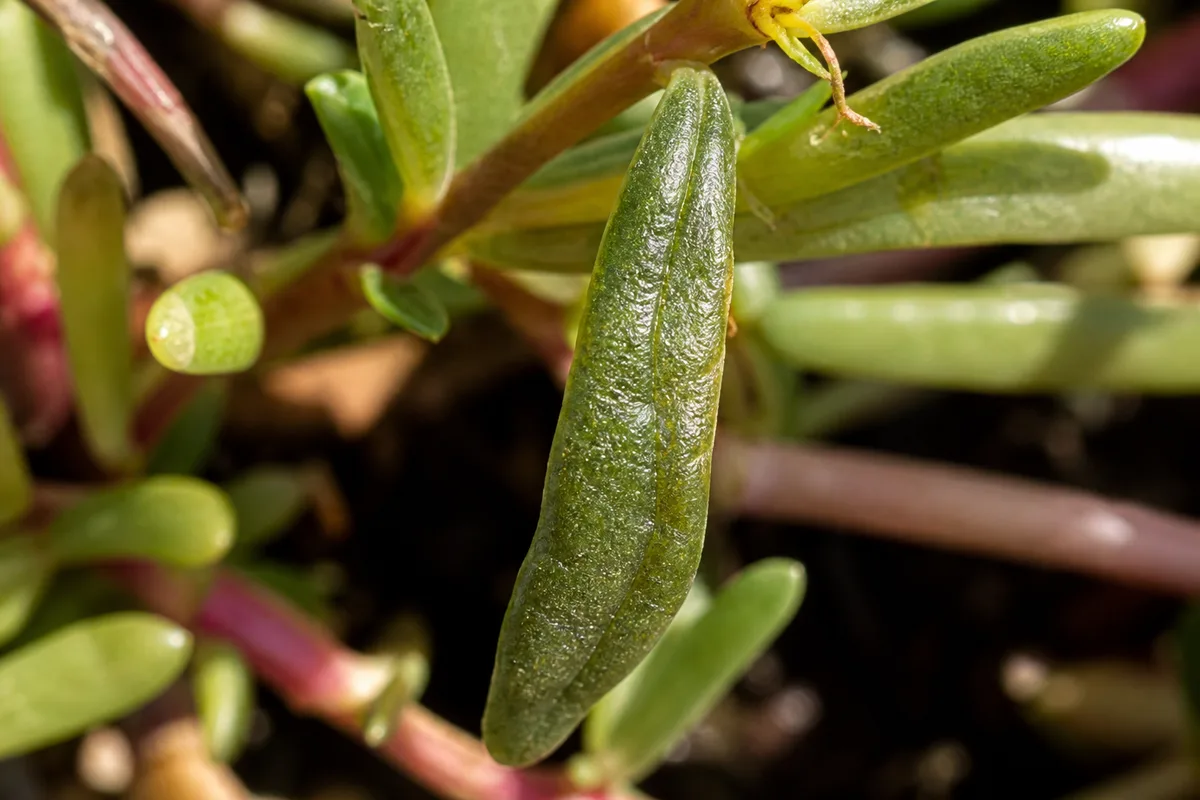
Water Stress symptoms on Portulaca - compare with healthy tissue on the same plant.
Too wet: soil stays dark and heavy for days, stems yellow or feel soft at the base, wilt appears on moist soil, and the pot may smell sour. Trailing growth may still look full while the crown fails.
Too dry: pot feels very light, leaves look slightly shrunken, trailing stems limp in afternoon heat but stay firm at the crown. Recovery within hours after one soak supports drought, not rot.
Uneven moisture: top inch feels dry while the bottom stays wet-or water runs off hydrophobic dry mix without soaking in. Growth stalls; old leaves brown at tips while new tips look thin.
Flower signal: Moss Rose blooms are photonastic (light-responsive closing)-they close late afternoon, on cloudy days, and at night without indicating water failure. Stressed plants keep blooms shut in bright sun while soil stays damp.
How to confirm the cause
Work through checks in order before changing anything.
- Pot weight - Heavy after several dry days suggests wet lower soil; very light suggests drought.
- Probe depth - Insert a finger or skewer to the bottom third; compare top versus bottom moisture using the watering guide finger test.
- Drainage test - Water until runoff; if none exits holes within a minute, mix or pot setup is failing. Check soil guide ratios.
- Sun audit - Moss Rose needs about six hours of direct sun; dim sites dry slowly and invite rot. Compare with light needs.
- Stem feel at crown - Soft base on wet soil confirms rot risk; firm stems on dry soil confirm drought. Lift trailers to inspect.
- Swing history - Did you water daily after one dry afternoon? Did monsoon rain plus manual watering overlap? That pattern confirms swing-stress.
Unpot only if wet-soil softness persists after a full dry-down period or sour smell returns.
Lookalikes to rule out
Normal flower closing: photonastic blooms shut on cloudy days without wilt or soft crowns-wait for afternoon sun before assuming stress.
Cold stress: wilt below about 10°C can mimic drought; check overnight lows and firm stems on moist soil. Full cold fork lives on wilting.
Leggy growth from shade looks weak but stems stay firm on dry soil-see not enough light.
Pests cause localized damage, not whole-pot wilt patterns tied to moisture swings-check aphids on sticky tips.
First fix for Portulaca
Do nothing to water until you know wet from dry. Once confirmed:
Soggy throughout: stop watering, empty saucers, and move the pot to the sunniest spot with airflow. Do not add moisture until soil is completely dry at depth.
Dry throughout: water deeply once until drainage runs, then wait until completely dry again before the next drink.
Top dry / bottom wet: skip the surface drink and improve drainage or repot into dry sandy mix rather than adding more water on schedule.
Make one directional correction first-do not alternate fixes daily.
Step-by-step recovery
After the first fix, watch the pot for seven to ten days.
Wet recovery path (with repot when softness persists)
- Stop all watering; lift out of cachepots; empty saucers and hanging-basket bracket cups.
- Allow full dry-down in full sun-often five to ten days depending on pot size and season.
- If stem base stays soft or mix smells sour after dry-down, unpot gently. Moss Rose does not take well to transplanting-handle roots carefully.
- Shake off wet soil. Rinse roots lukewarm. Trim brown, mushy sections with clean scissors; keep pale firm tissue.
- Let trimmed roots air-dry one to two hours on newspaper in shade-not direct midday sun on exposed roots.
- Repot into dry gritty mix: roughly 40% potting mix or coco coir, 40% perlite or coarse sand, 20% fine gravel per the soil guide. Right-size the pot to shallow roots.
- Wait 5–7 days before the first drink in full sun. Confirm bone-dry at 2–3 cm depth.
- If more than one-third of roots were mushy or crown softness returns, escalate to root rot rescue.
Documented swing-stress recovery: Last June a 25 cm hanging Moss Rose on a Bengaluru west-facing rail wilted over a dry weekend. Daily watering for four days left the basket heavy with soft stem bases. Watering stopped for ten days, then the plant was repotted into dry gritty mix with mushy tips trimmed. Firm new shoots appeared at crown tips by day 12 in seven hours of direct sun.
Dry recovery path
Deep water once until runoff. If mix repels water, bottom-water for twenty minutes, then let drain fully. Resume dry-down rhythm-do not water again until finger-test depth is dry. Mild limp often clears within hours in warm sun.
Uneven-mix recovery
Repot into fresh sandy blend with perlite; avoid oversized containers. Discard waterlogged bottom layer rather than mixing it into new grit. Hold fertilizer until new growth looks firm-Portulaca is not a heavy feeder and fertilizer on stressed roots adds salt stress.
Recovery timeline
| Severity | What you see | Typical recovery | Success signal |
|---|---|---|---|
| Mild | One dry wilt or one wet day; firm crown | Hours to 3 days | Perky trails; flowers open in midday sun |
| Moderate | Repeated swings; early soft base; trimmed roots | 2–3 weeks after repot | Firm new tips; soil dries within a few days after watering |
| Severe | Crown mush, blackening stems, sour rot smell | Often irreversible | Replace as seasonal annual; restart from seed or plugs |
Tip-browned leaves from chronic swings do not green up-judge recovery by firm new stems and flowers opening in midday sun, not old damaged tissue.
If Moss Rose stays wilted on correctly dried soil three weeks after drainage fix, repot, and sun correction, contact your local cooperative extension office with photos-persistent failure may indicate disease beyond swing-stress culture.
Mistakes to avoid
Do not water on a fixed calendar-check soil moisture instead of guessing from leaf appearance. Do not mist leaves to fix soil problems. Do not repot into a much larger pot to “hold more water”-extra soil stays wet longer. Do not assume drought because stems are fleshy; confirm dryness at depth first. On Moss Rose, overcorrecting with daily water after one dry spell is more dangerous than missing a single drink. Do not water limp stems when the pot is already heavy-that deepens the wet phase of the swing.
How to prevent water stress on Portulaca
Use easily grown in dry to moderately moist, well-drained soils-in pots, read that as fully dry between deep drinks, not alternating wet and dry weeks. Place in hot, dry, full-sun conditions where the pot dries predictably. Match container size to the root ball. Skip irrigation during multi-day rain per the watering guide monsoon protocol. Empty runoff after every soak. Accept that Moss Rose tolerates drought better than soggy roots-when in doubt, wait one more day before watering.
Related Portulaca guides
- Portulaca overview - species basics and seasonal expectations
- Watering Portulaca - finger test, pot weight, monsoon pull-back
- Soil for Portulaca - gritty mix ratios and drainage test
- Wilting on Portulaca - wet vs. dry vs. cold single-cause fork
- Overwatering - early wet-soil rescue
- Underwatering - drought recovery
- Root rot - confirmed mushy root rescue
- Drooping leaves - limp foliage without swing pattern
- No flowers - bloom failure diagnostics
- Pot too large - volume trap and uneven moisture