Wilting on Portulaca: Causes, Checks & Fixes
Quick answer
Wilting on Portulaca is usually tied to waterlogged roots after overwatering or to cold below about 10°C. First step: Check soil moisture and temperature, then either improve drainage or protect from cold.
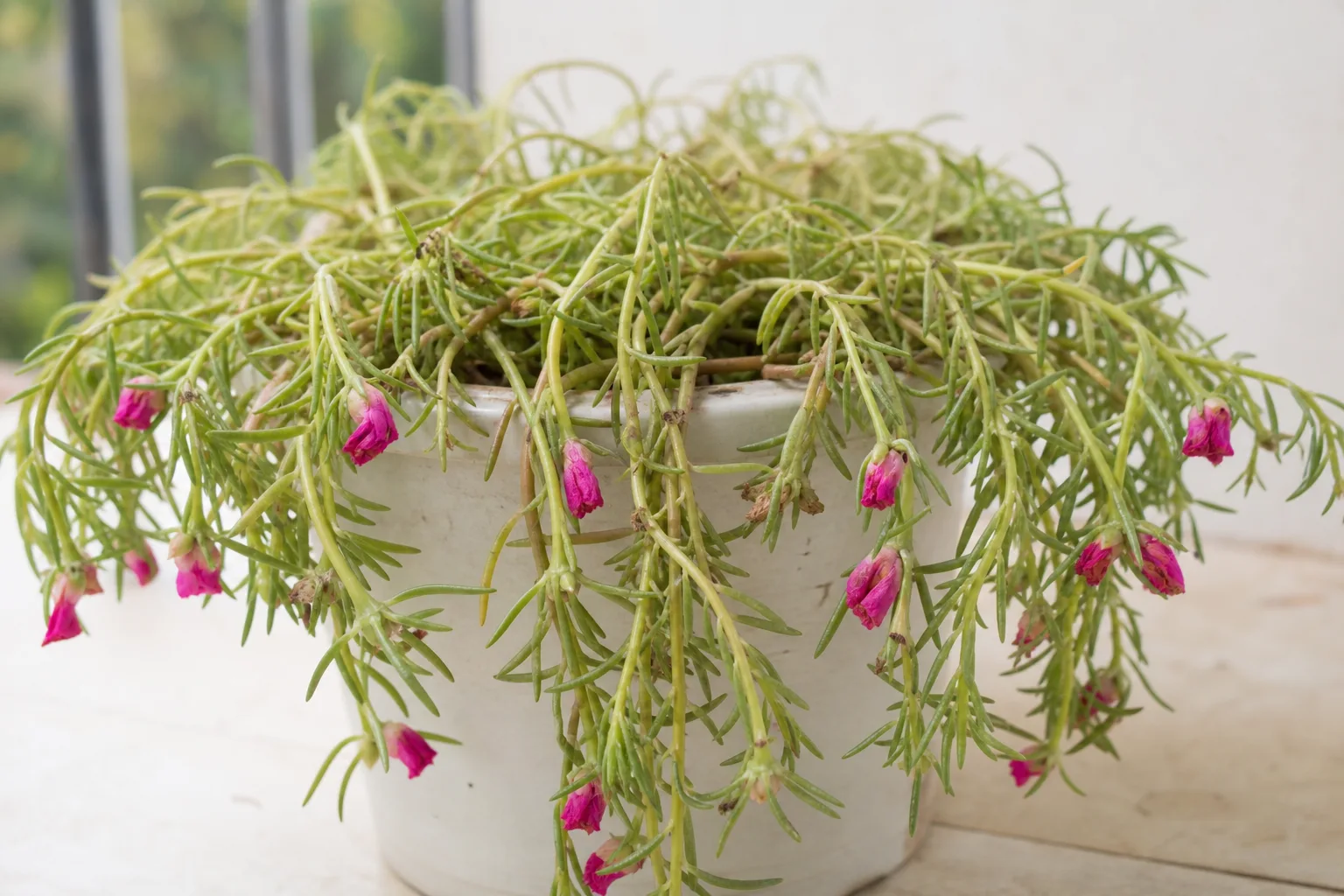
Wilting on Portulaca: Causes, Checks & Fixes
This guide covers wilting on Portulaca. See also the general Wilting guide, watering, and light pages for this plant.
Wilting on Portulaca: Causes, Checks & Fixes
Quick answer
Wilting on Portulaca (Portulaca grandiflora, Moss Rose) is usually tied to waterlogged roots after overwatering on Portulaca or to cold below about 10°C. First step: Check soil moisture and temperature, then either improve drainage or protect from cold.
Portulaca is highly drought tolerant but also sensitive to saturated soil and frost. Wilting is a symptom, not a diagnosis-match it to wet versus dry soil before watering again.
Why Portulaca wilts
Two opposite problems cause most wilt on Moss Rose. Waterlogged roots suffocate after overwatering in slow-draining mix-stems may wilt even though soil is wet because damaged roots cannot take up water. Extreme cold (below about 10°C) damages the frost-tender annual tissue; cells collapse and stems droop. True drought wilt is less common because Portulaca stores water in fleshy stems, but prolonged bone-dry conditions in small pots during heat waves can still limp the plant.
What wilting looks like on Portulaca
Stems and leaves lose turgor and hang downward. On wet soil, stems may feel soft at the base and the pot smells sour. On dry soil, leaves look slightly shrunken but stems stay firm. After cold nights, wilt may appear uniformly without soil smell. Flowers fail to open when the plant is stressed.
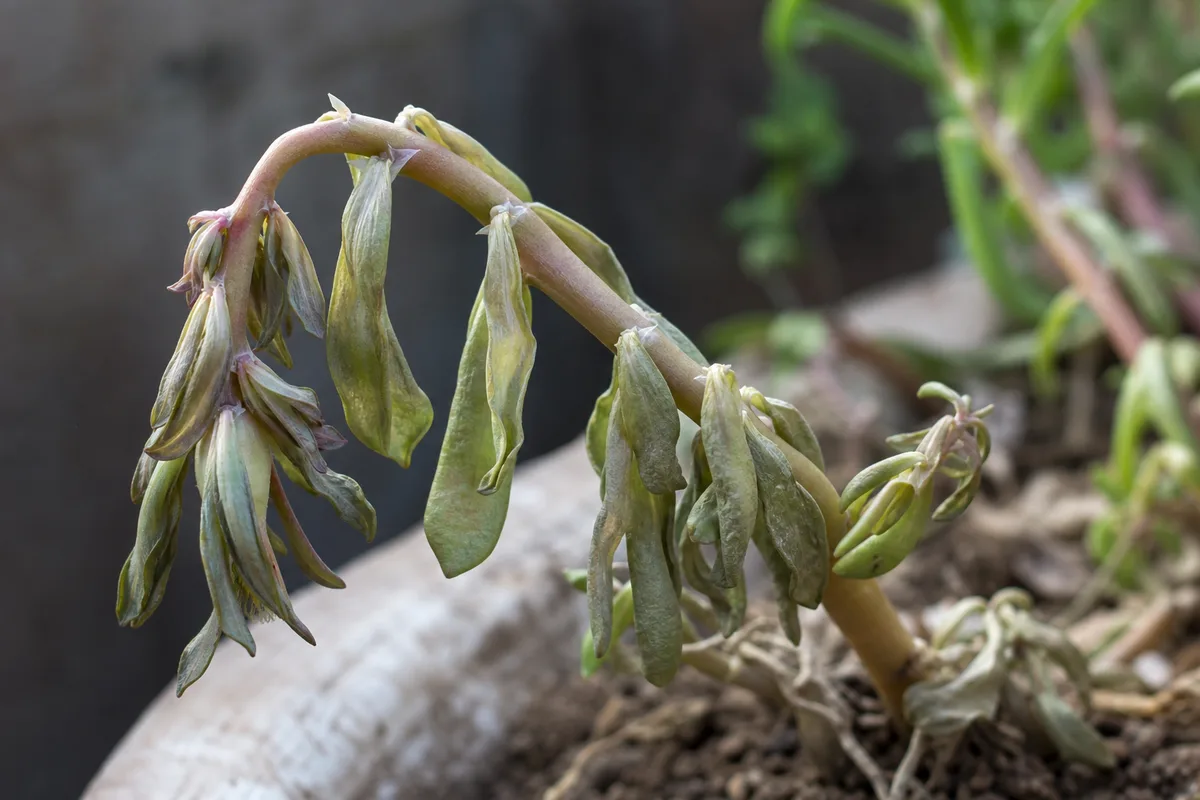
Wilting symptoms on Portulaca - compare with healthy tissue on the same plant.
How to confirm the cause
Weigh the pot and probe soil depth. Wet + soft stem base → suspect crown rot in poorly drained soils. Dry + firm stems → drought. Cold forecast + firm stems on moist soil → temperature stress. Unpot only if wet-soil wilt persists after stopping water for several days.
First fix for Portulaca
If soil is wet: stop watering, improve drainage, and repot into dry sandy mix if stems soften. If soil is dry: water deeply once, then return to dry-down rhythm in full sun. If cold is the trigger: move pots to a warm, sunny spot and cover overnight until lows stay above 10°C. Make one correction first.
Recovery timeline
Drought wilt often recovers within hours in warm sun. Root-rot wilt may take one to three weeks after Portulaca repotting guide if enough healthy roots remain. Cold-damaged plants may partially recover when warm weather returns or may need replacement as a seasonal annual.
Heat-wave wilt vs root problems
During extreme summer heat, Moss Rose can look wilted at midday even when soil moisture is adequate. The fleshy stems lose turgor faster than roots can replace water when temperatures climb above 35°C (95°F) and the pot sits on a hot patio. This midday heat wilt differs from rot: stems stay firm, soil is dry-to-moist but not soggy, and the plant perks up by evening when temperatures drop.
Check the plant at 7 a.m. before sun intensity peaks. If it looks fine in the morning but wilts by noon on a heat-wave day, light afternoon shade or a larger pot with more root mass may help more than extra water. Overwatering heat-stressed portulaca in a small black nursery pot is a common mistake—the mix stays wet while the plant still looks limp.
Container size and drainage checks
Portulaca in tiny 10 cm pots wilts from drought within a single hot afternoon because the small root zone dries completely. The same plant in a 25 cm bowl with sandy, well-drained mix may only need water every few days. Wilting in an oversized pot with heavy peat mix usually means rot, not thirst—the large volume of wet soil suffocates roots even though the surface looks dry.
Lift the pot and check drain holes. Blocked holes or a pot sitting in a full saucer are the fastest path to wet-soil wilt on a plant that is supposed to tolerate drought. Drill extra holes or switch to terra cotta if saucers stay full after every watering.
Monitoring recovery day by day
After your first correction, track these daily signals:
- Morning turgor — stems should feel firm and leaves should open by mid-morning in sun.
- Flower opening — stressed Moss Rose closes flowers or fails to open them; recovery shows new blooms within a few days of fixing the cause.
- Stem color — healthy portulaca stems are green to reddish; brown or translucent bases mean rot is still active.
- Soil dry-down — in recovery from rot, the mix should dry noticeably between waterings within 48 hours in full sun.
If wilt persists on wet soil after five dry days, unpot and inspect roots rather than waiting longer.
What not to do
Do not pour water on every wilt-overwatering worsens rot when soil is already wet. Do not leave frost-tender Moss Rose outdoors unprotected when nights drop sharply. Do not fertilize a wilted plant before identifying the cause.
How to prevent wilting on Portulaca
Use well-drained sandy soil in full sun. Water only when completely dry. Track overnight lows and shelter pots before cold snaps. Empty saucers so roots never sit in standing water.
Practical checks
Urgency check
Urgent if wilt occurs on wet soil with soft stems, or if frost hits an exposed pot.
Best inspection order
Pot weight, overnight temperature, stem firmness, soil smell, then roots if needed.
Portulaca care cross-check
Moss Rose prefers hot, dry conditions. Chronic wilt in shade often means rot or insufficient light-not thirst.
When to use this page vs other Portulaca guides
- Portulaca watering guide - Use for routine moisture checks before assuming wilting is the main issue.
- Portulaca problems hub - Browse all 50 common issues on this species.
- Underwatering on Portulaca - Different entry point when symptoms overlap with wilting.
- Overwatering on Portulaca - Different entry point when symptoms overlap with wilting.
- Root Rot on Portulaca - Different entry point when symptoms overlap with wilting.