No Flowers on Portulaca: How to Restore Blooming
Quick answer
No flowers on portulaca usually means the plant is not getting enough direct sun, the roots are staying too wet, or the plant was pushed into leafy growth by rich soil or excess fertilizer. First step: confirm the plant gets at least six hours of unobstructed direct sun on a clear day before adjusting anything else.
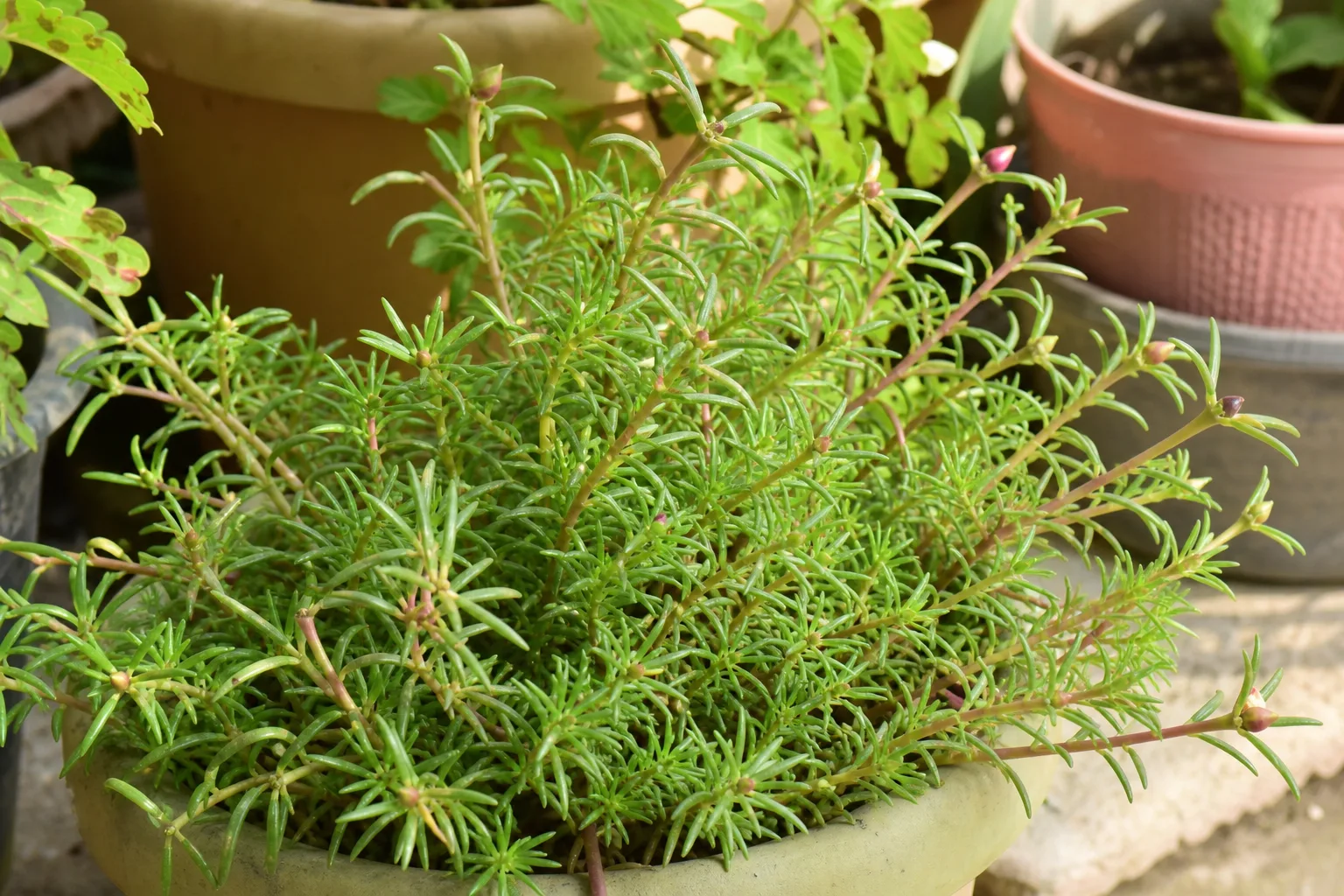
No Flowers on Portulaca: How to Restore Blooming
This guide covers no flowers on Portulaca. See also the general No Flowers guide, watering, and light pages for this plant.
No Flowers on Portulaca: How to Restore Blooming
Quick answer
When portulaca (Portulaca grandiflora, moss rose) stays green but refuses to bloom, the cause is usually one of four things: not enough direct sun, wet roots, too much nitrogen, or cool conditions. This is a plant built for exposed, hot, fast-draining sites. If it is comfortable enough to survive but not stressed in the right way, it often makes foliage first and flowers last.
First step: confirm direct sun exposure on a clear day. If the plant gets less than six hours of unobstructed sun, fix that before you change fertilizer or watering. On moss rose, light is not a detail. It is the main switch for flowering.
Start by separating normal closure from a real bloom problem
Portulaca can mislead growers because its flowers are not open all the time. Missouri Botanical Garden and NC State both note that blooms close in low light or cloudy conditions. That means a plant with buds may look flowerless on an overcast morning and normal again by midday sun.
Treat it as a real no-flowers problem only when one of these is true:
- You see no buds forming over multiple warm weeks.
- Buds form but rarely or never open on bright, sunny days.
- The plant keeps making stems and leaves while nearby portulaca in better exposure is blooming.
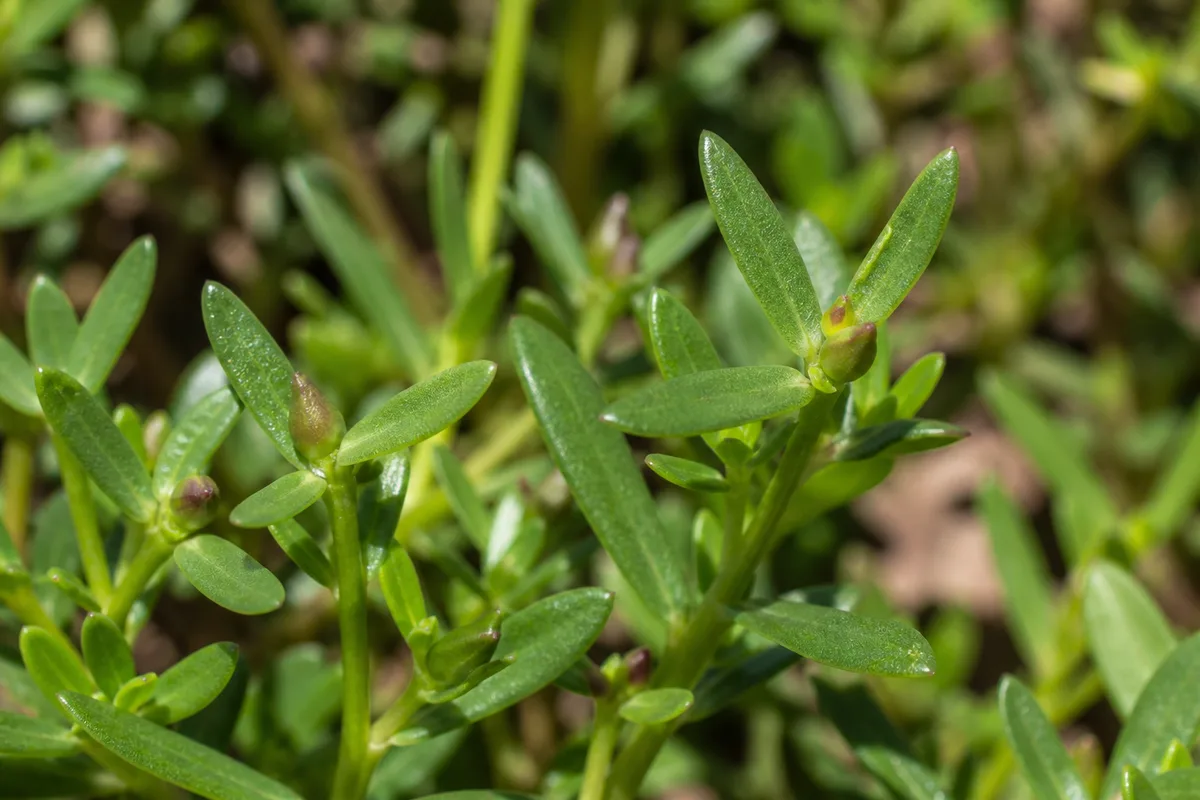
Portulaca should bloom in warm, sunny weather. A healthy green mat with little or no bud activity usually points to culture, not a hidden mystery disease.
The main causes, in order
1. Too little direct sun
This is the most common cause by a wide margin. NC State lists Portulaca grandiflora for full sun. Wisconsin Horticulture describes the plant as happiest in hot, open exposure with lean soil. A pot that gets bright ambient light but only brief direct sun may stay alive and leafy while producing very few flowers.
Common problem spots:
- Covered balconies
- Window boxes tucked under eaves
- Beds shaded by taller annuals
- Patio pots moved indoors or into bright shade
If the light is wrong, the plant may also stretch, widen its internodes, and look greener and softer than a compact blooming specimen.
2. Wet, slow-draining soil
Portulaca is drought tolerant and rot prone when soil stays wet. If the mix is heavy, the pot has poor drainage, or the saucer stays full after watering, roots spend more time surviving than flowering. Wet roots are especially likely when growers treat moss rose like a thirsty bedding annual instead of a succulent annual.
Check the base of the plant. Soft stems, yellowing near the crown, and soil that stays damp for days are stronger clues than the missing flowers themselves.
3. Rich soil or too much nitrogen
Moss rose flowers best in relatively lean conditions. Rich compost-heavy soil or repeated feeding can push the plant toward leafy growth at the expense of buds. This is the classic “it looks healthy but will not bloom” pattern: lots of soft green growth, almost no color.
If you have been feeding weekly, stop. If the potting mix is very rich and also wet, those two issues amplify each other.
4. Cool weather or transplant stall
Portulaca is a heat lover. It performs best once days are bright and the root zone is warm. A newly planted or recently disturbed specimen may pause before it begins flowering, especially because NC State notes that the plant does not take transplanting especially well. Cool nights slow it further.
What to check today
Run through these checks in order:
- Count direct sun hours on a clear day.
- Feel the soil several centimeters down, not just at the surface.
- Check whether water sits in the saucer after irrigation.
- Look at the growth habit: compact and sturdy, or green and stretched.
- Think about feeding history over the last month.
- Note whether the plant was recently transplanted or moved.
You usually do not need a lab-style diagnosis. One of these checks is normally enough to reveal the real bottleneck.
The first fix to make
Move the plant into fuller sun if it is not already there.
That is the highest-value correction because it improves both flowering and dry-down speed. A sunnier location often solves two problems at once: the plant gets the light signal it needs to form and open buds, and the soil dries fast enough to stop suppressing the roots.
If the pot is already in proper sun, the second fix is drainage:
- Let the mix dry more deeply between waterings.
- Empty the saucer after watering.
- Avoid misting or frequent light sips.
- Repot only if the mix is clearly dense, soggy, or sour.
What recovery looks like
In warm weather, a plant that was simply underlit or slightly overwatered often responds quickly. Bud activity can return within one to two weeks after better sun and drier root conditions. Existing stretched stems may stay stretched, but new growth should be tighter and more willing to set buds.
If the plant has been sitting in deep shade for a long time, or if the crown has started to rot, recovery is less predictable. In those cases, the most realistic goal is often to salvage healthy tips or replace the plant with a new direct-sown batch in a better spot.
What not to do
Do not start with bloom booster fertilizer while the plant is still shaded or wet. Do not keep watering on the same schedule once you already suspect root stress. Do not assume a cloudy-day closed flower means the plant has stopped blooming. And do not keep an indoor moss rose as a “bright room” plant and expect summer flower performance.
When it makes more sense to replace than rehabilitate
Portulaca is fast enough from seed that replacement is sometimes smarter than rescue. Consider starting over if:
- The crown is soft or rotting.
- The plant spent most of the season in poor light and is badly stretched.
- Bud production never begins even after a clear improvement in sun and drainage.
Direct sowing into the final sunny site often works better than babying a stressed transplant through a long correction process.
Conclusion
No flowers on portulaca is usually a culture problem, not a mystery. Treat sun as the first checkpoint, drainage as the second, and fertilizer as the third. Moss rose wants open light, hot weather, and lean, fast-draining conditions. When those line up, it usually tells you quickly with buds and bloom color. When they do not, it stays green and silent.
Related tool
Use the Plant Problem Diagnosis Tool to narrow causes for no flowers on this plant before changing multiple variables at once.