Ponytail Palm Problems: Causes & Quick Fixes
Quick answer
Ponytail Palm is prone to 18 common issues - each link below is a plant-specific fix guide.
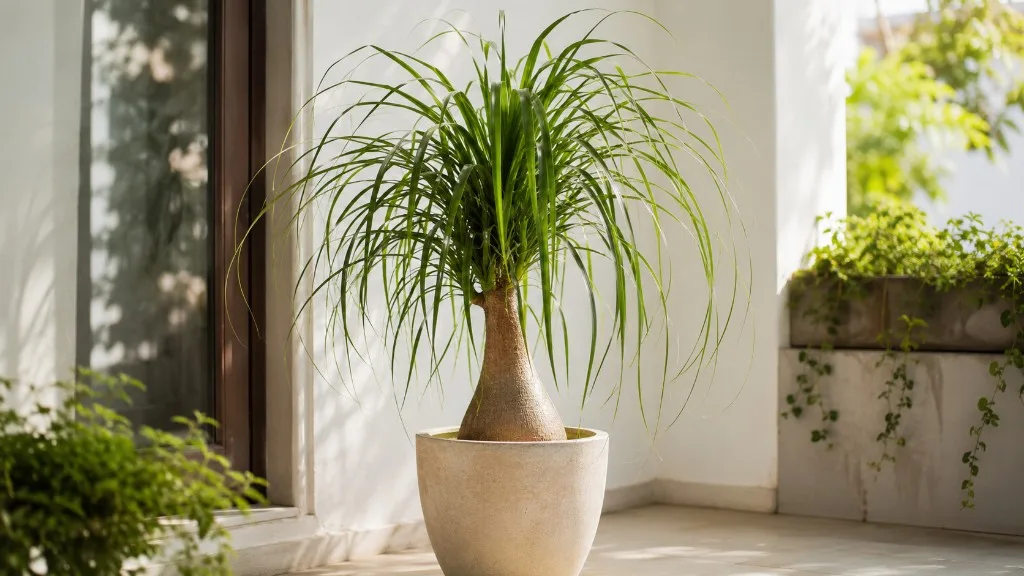
Ponytail Palm problems
Use the guides below to diagnose and fix common issues on Ponytail Palm. Each problem page explains why it happens on this species and what to do first.
Or use our problem diagnosis tool to narrow down symptoms.
Common problems on Ponytail Palm
Brown Tips
LowLikely cause: Underwatering, low humidity, or mineral accumulation from tap water
Quick fix: Trim tips with clean scissors; switch to filtered water; check soil moisture
Full fix guide →Root Rot
HighLikely cause: Overwatering the swollen trunk base causes the entire base to rot-often fatal
Quick fix: Unpot immediately; remove all rotted material; repot in very dry cactus mix; do not water for 2 weeks
Full fix guide →Purple Leaves
MediumLikely cause: May 1, 2025 · Beaucarnea recurvata is a caudiciform tree with a distinctive trunk and green drooping leaves arranged in dense clusters at the ends of the branches. It can grow up to 30 feet (9 m) tall. The …
Quick fix: Confirm diagnosis on your Ponytail Palm, then address the most likely care or pest factor described in current extension guidance.
Full fix guide →Scale Insects
MediumLikely cause: Scale can attach to the tough strap-like leaves
Quick fix: Wipe leaves with a cloth dampened with isopropyl alcohol; apply neem oil
Full fix guide →Yellow Leaves
MediumLikely cause: Overwatering, insufficient light, or the natural ageing of older leaves
Quick fix: Reduce watering frequency; improve light; remove naturally yellowing older leaves
Full fix guide →Aphids
MediumLikely cause: Aphids on Ponytail Palm cluster on soft new strap leaves at the crown, causing curled tips and sticky honeydew. First step: isolate the plant and rinse crown growth with a firm water spray-tilt the po
Quick fix: See plant-specific guide for step-by-step fixes.
Full fix guide →Drooping Leaves
MediumLikely cause: Drooping leaves on Ponytail Palm usually mean water stress - underwatering on dry soil or root failure from overwatering on wet soil. First step: lift the pot and press the caudex before you add or wi
Quick fix: See plant-specific guide for step-by-step fixes.
Full fix guide →Fungus Gnats
MediumLikely cause: Fungus gnats on Ponytail Palm mean soil has stayed too wet too long - larvae breed in moist organic mix while adults are mostly a nuisance. First step: let the top 1–2 inches dry completely before you
Quick fix: See plant-specific guide for step-by-step fixes.
Full fix guide →Leggy Growth
MediumLikely cause: Leggy growth on Ponytail Palm means an elongated thin trunk between strap-leaf tufts, a crown leaning toward the window, and pale sparse foliage. Beaucarnea survives dim corners but etiolates without
Quick fix: See plant-specific guide for step-by-step fixes.
Full fix guide →Low Humidity
MediumLikely cause: Low humidity on Ponytail Palm usually shows as brown crispy leaf tips and increased spider mite risk in winter. First step: trim damaged tips, keep the plant away from heating vents, and water correct
Quick fix: See plant-specific guide for step-by-step fixes.
Full fix guide →Mealybugs
MediumLikely cause: Mealybugs on Ponytail Palm appear as white cottony clusters where strap leaves emerge from the crown and in caudex crevices near the soil line. First step: isolate the plant and dab every visible colo
Quick fix: See plant-specific guide for step-by-step fixes.
Full fix guide →Mold on Soil
MediumLikely cause: White or gray fuzz on Ponytail Palm soil is almost always harmless saprophytic mold feeding on damp organic mix. The real problem is moisture culture on a drought-tolerant caudex plant. First step: st
Quick fix: See plant-specific guide for step-by-step fixes.
Full fix guide →Not Enough Light
MediumLikely cause: Not enough light on Ponytail Palm causes pale stretched growth, weak crowns, and soil that stays wet too long. First step: move the plant to the sunniest window with several hours of direct sun.
Quick fix: See plant-specific guide for step-by-step fixes.
Full fix guide →Overwatering
MediumLikely cause: Ponytail Palm overwatering shows as a heavy wet pot, yellow lower strap leaves, and a soft spongy caudex base while soil stays damp. First step: stop watering immediately, then check caudex firmness a
Quick fix: See plant-specific guide for step-by-step fixes.
Full fix guide →Slow Growth
MediumLikely cause: Slow growth on Ponytail Palm is often normal - this species grows very slowly indoors. Worry when no new crown leaves appear for a full warm growing season while light is dim, soil stays wet, or the c
Quick fix: See plant-specific guide for step-by-step fixes.
Full fix guide →Spider Mites
MediumLikely cause: Spider mites on Ponytail Palm cause stippled, dusty strap leaves and fine webbing near the crown. First step: isolate the plant, rinse strap leaves in lukewarm water while tilting the pot so runoff dr
Quick fix: See plant-specific guide for step-by-step fixes.
Full fix guide →Underwatering
MediumLikely cause: Underwatering on Ponytail Palm shows as brown crispy strap-leaf tips, a very light pot, dry soil pulling from the walls, and a firm but slightly wrinkled caudex. First step: water deeply until runoff,
Quick fix: See plant-specific guide for step-by-step fixes.
Full fix guide →Wilting
MediumLikely cause: Wilting on Ponytail Palm starts with one check: healthy strap leaves cascade fountain-like with firm turgor - stress wilt is limp and dull. Then lift the pot and press the caudex. Wet heavy soil with
Quick fix: See plant-specific guide for step-by-step fixes.
Full fix guide →