Ponytail Palm Pruning: When, How, and Mistakes to Avoid
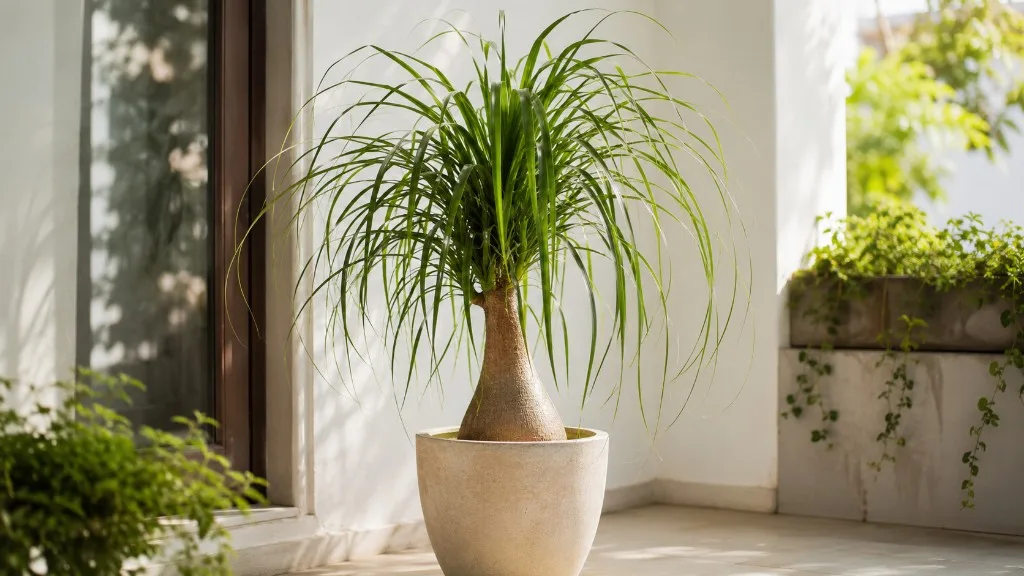
Ponytail Palm Pruning: When, How, and Mistakes to Avoid
Ponytail Palm Pruning: When, How, and Mistakes to Avoid
First, inspect the crown and pull or cut away only leaf straps that are fully brown, papery, or clearly broken. Grip each dead strap at the base where it meets the caudex and slice cleanly with sterilized scissors or bypass pruners. Do not start with cosmetic shaping or height reduction until dead material is gone - that single cleanup step tells you whether the crown is healthy before you remove any green tissue.
Ponytail palm is not a palm at all. It is Beaucarnea recurvata, a slow-growing caudiciform in the asparagus family with a swollen water-storing base and long strap-like leaves cascading from a tight crown. NC State Extension describes it as drought tolerant and slow growing indoors, typically reaching six to eight feet in a pot. UF/IFAS lists its pruning requirement as minimal - most indoor plants need grooming, not hard cutting back. The sections below cover crown placement, tip trimming, height management, pup removal, and why beheading the trunk is rarely the right move.
What Pruning Means for Ponytail Palm
On Beaucarnea recurvata, pruning covers four distinct jobs:
- Sanitation - removing fully dead or broken leaf straps at the crown
- Cosmetic grooming - snipping minor brown tips on otherwise healthy leaves
- Height management - removing the longest green straps at the crown base, staged over time
- Pup separation - detaching offsets from the caudex during Ponytail Palm repotting guide
This is not hedge shearing, tip-pinching, or trunk topping. Each leaf emerges individually from the crown center; the plant does not branch from wounds on the caudex or mid-blade cuts on leaf straps. Pruning will not make a ponytail palm bushier the way pinching works on herbs - fuller appearance comes from healthy crown growth, good light, and time.
What to Check Before You Cut
Walk the plant in this order:
- Crown center - are inner leaves firm and green, or soft, mushy, and foul-smelling? A rotten crown is an emergency, not a routine trim.
- Outer straps - which leaves are fully brown versus only tip-damaged?
- Caudex base - firm and dry, or soft, wrinkled, and discolored? Soft caudex tissue suggests rot - fix watering before cosmetic pruning.
- Soil moisture - wet mix after a recent soak means wait before removing multiple green straps.
- Pups - small offsets at the base that you may want to separate during the next repot.
Wisconsin Horticulture notes that brown leaf tips indoors often follow inconsistent watering, excess fertilizer, or salt buildup - trimming tips improves appearance but does not fix the underlying cause if the same damage keeps returning.
When to Prune Ponytail Palm
Best Season for Routine Grooming
Remove fully dead or broken straps any time of year - they no longer photosynthesize and can harbor pests. For cosmetic work on green tissue (tip trimming or removing overlong straps), late spring through early summer is safest. Beaucarnea pushes new leaves from the crown center during warm, bright months, and crown wounds dry faster when the plant is actively using water.
Separate pups during spring or early summer repotting when offsets have their own small roots and the parent is stable.
When Not to Prune
Hold off on non-emergency cuts when:
- Soil is waterlogged - crown wounds on a saturated caudex invite stem rot. NC State Extension lists stem rot among common houseplant problems on Ponytail Palm overview.
- Recent relocation or repotting - let the plant settle before removing multiple green straps.
- Active pest infestation - mealybugs and scale often hide where straps meet the crown; treat pests first, then groom.
- Winter dormancy - growth slows and wounds stay wet longer indoors. Dead straps can still come off; defer cosmetic green-leaf removal until spring.
The one exception: remove a clearly rotting or broken strap immediately, even in winter. Stopping crown decline outweighs seasonal timing.
The First Cut to Make
After your inspection, the first cut is always the same: one fully dead or broken leaf strap removed at the crown base. Hold the strap taut, position scissors as close to the caudex as possible without gouging the swollen trunk, and cut upward at a slight angle so moisture runs off the wound. Repeat for every dead strap before touching green leaves or brown tips.
If a dead strap resists a gentle tug, cut rather than yank - tearing can pull tissue from the crown.
Where to Cut - Crown Anatomy and Cut Placement
All leaves arise from a central crown atop the caudex. New straps emerge from the center; older outer leaves senesce and brown from the tips inward over months or years. The only productive cut point is where the strap meets the crown - not halfway up the blade.
Mid-blade cuts on green or partially green straps leave permanent shortened brown edges. Beaucarnea does not sprout new tips from cut leaf tissue. If most of a strap is damaged, remove the whole leaf at the crown rather than shortening it repeatedly.
Brown Tips vs Whole Leaf Removal
Minor brown tips - less than an inch, on an otherwise healthy strap - can be snipped at an angle with clean scissors. The cut edge will stay brown; that is normal. If tips keep advancing after you trim, review Ponytail Palm watering guide, light, and water quality before shortening the same leaves again.
When brown or yellow damage covers most of the strap length, remove the entire leaf at the crown. Partial mid-blade trimming on heavily damaged leaves creates a permanently stubby, unnatural look and removes photosynthetic tissue the plant still needs.
How to Prune Ponytail Palm Step by Step
- Sterilize tools - wipe scissors or bypass pruners with rubbing alcohol.
- Remove dead straps - cut each fully brown or broken leaf at the crown base.
- Assess green tissue - decide whether tip trimming or whole-strap removal is needed; do not do both on every leaf in one session.
- Trim brown tips - snip only the dead portion at an angle on lightly damaged straps.
- Reduce height gradually - if needed, remove the longest green straps at the crown base, starting with the oldest outer ones.
- Wipe the caudex - brush away cut debris that could hold moisture against the crown.
- Pause watering - if soil was already dry-normal, wait several days before the next deep soak so crown cuts can dry.
Work in good light so you can see where each strap attaches. One strap at a time is safer than grabbing handfuls.
How Much You Can Safely Remove
Limit removal of healthy green straps to one-third of the living crown foliage per session. Fully dead straps do not count toward that limit - take as many as needed for sanitation.
Beaucarnea replaces leaves slowly. Removing half the crown in one afternoon strips stored energy from the caudex and can stall new growth for months. If you want a shorter silhouette, plan two grooming sessions spaced across one spring rather than one aggressive cut.
Pruning for Shape and Height Control
Indoor height control on ponytail palm means removing the longest outer straps at the crown, not cutting the caudex or trunk. Each removed strap lowers the visual mass slightly, but the swollen base and trunk height remain unchanged.
Beheading - cutting off the top of the caudex or trunk - is risky indoors. Unlike yucca or dracaena, Beaucarnea does not reliably produce neat branching from trunk wounds - never cut the plant back to the base by removing leaves and stems, as that may kill it. Severe decapitation can kill the plant or trigger delayed, awkward multi-shoot regrowth after a long wait. Patience and staged leaf removal are safer than one dramatic trunk cut.
If your plant has outgrown its space, consider whether a brighter location and accepting natural height is more realistic than forcing size reduction through trunk surgery.
Removing Pups at the Caudex Base
Offsets occasionally appear around the swollen base. Removing them is optional for plant health but useful if you want propagation material or less crowding at soil level.
During spring repotting, brush soil away from the caudex and look for pups with their own small roots. Cut or twist pups free with a sharp, sterilized knife, let cut surfaces callus for two to three days, then pot in dry fast-draining cactus mix. UF/IFAS notes propagation is typically by seed in commercial production; home growers rely on pup division. Leaf cuttings do not propagate ponytail palm.
Skip pup removal if the parent is stressed, recently repotted, or showing caudex softness.
What Pruning Cannot Fix
Pruning will not correct:
- Chronic overwatering - yellowing and crown rot need dry-down and possibly repotting, not more leaf removal alone
- Low light - pale, stretched leaves will not regain density after trimming; improve light first
- Salt or fluoride tip burn - tip trimming hides damage that returns until water quality or fertilizer frequency changes
- Trunk height - removing leaves does not shrink the caudex; only time and pot size influence base girth
Fix the growing condition first, then groom once the plant is stable.
Aftercare and Recovery Timeline
After spring crown grooming on a healthy plant:
- Crown cuts - surface dry within a few days in warm, bright conditions
- New strap emergence - may take several weeks to a few months from the crown center
- Full visual recovery - often one full growing season for a moderately thinned crown
Maintain bright light with some direct sun, water deeply every two to four weeks only when soil is completely dry, and use fast-draining cactus mix. Withhold fertilizer for two to three weeks after removing multiple green straps. NC State Extension recommends greatly reducing water in winter - the same dry rhythm helps crown wounds seal indoors.
The ASPCA lists ponytail palm as non-toxic to cats and dogs, so grooming on a sunny windowsill is safe around pets - though keep sharp tools and cut debris out of reach.
Signs Pruning Worked - and Signs It Went Too Far
Pruning worked when:
- Dead material is gone and the crown looks clean
- Inner leaves stay firm and green over the following weeks
- New straps begin emerging from the crown center within a few months
- Brown tips stop advancing after underlying care is corrected
Pruning went too far or was badly timed when:
- The crown smells sour or feels mushy after cutting
- Remaining green straps wilt or yellow within two weeks
- No new center growth appears through an entire growing season after heavy removal
- The caudex softens at soil line - a sign of rot aggravated by wet soil and open crown wounds
If the crown is mushy, stop pruning, improve drainage and airflow, and let the soil dry completely before reassessing.
Mistakes to Avoid
- Beheading the caudex for height control - unpredictable indoors; may kill the plant
- Mid-blade cuts on green straps - permanent brown stubs; no new tips sprout
- Removing too many green straps at once - slow replacement and caudex stress
- Watering heavily right after major crown pruning - raises stem rot risk on wet soil
- Repeated tip trimming without fixing water or light - the same burn returns on shorter leaves
- Composting disease-suspected cut foliage - discard instead if rot or pests were present
Maintaining Shape Between Pruning Sessions
Most indoor ponytail palms need light grooming once or twice per year - usually removing a few dead outer straps and optionally trimming minor brown tips. Dust leaves with a soft cloth to support photosynthesis between sessions.
When new straps emerge from the crown center, let them arch naturally rather than trying to shorten them preemptively. Accept that older plants develop imperfect tips; chasing perfection with constant trimming slowly shrinks the living crown.
If pups appear and you do not plan to propagate, you can leave them - they do not harm the parent. Remove them only when you want a cleaner base or new plants.
When to use this page vs other Ponytail Palm guides
- Ponytail Palm overview - Start here for whole-plant context before deep-diving this topic.
- Ponytail Palm problems hub - Jump to symptom-specific fix guides when this care topic does not resolve the issue.
- Brown Tips on Ponytail Palm - Escalate here when pruning adjustments are not enough.