Best Soil for Ponytail Palm: Mix, Drainage & Repotting
Best Soil for Ponytail Palm: Mix, Drainage & Repotting
Best Soil for Ponytail Palm: Mix, Drainage & Repotting
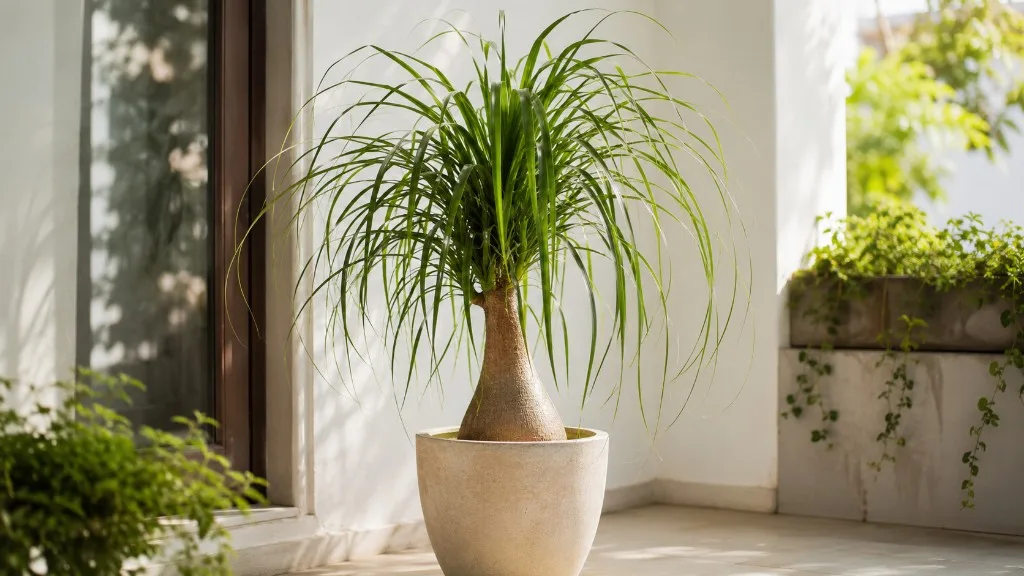
Ponytail palm soil is not a branding exercise on a bag of cactus mix. Beaucarnea recurvata - the swollen-base “elephant foot” sold as ponytail palm - evolved in semi-desert southeastern Mexico on rocky, fast-draining ground where summer rain arrives in bursts and winter stays dry. Indoors, your job is to recreate that physics in a pot: a gritty root zone that drains within minutes, holds just enough moisture for fine fibrous roots, and never stays saturated around the caudex after you water.
The practical starting recipe most growers should use is simple: bagged cactus or succulent mix, upgraded with 20–30% perlite or pumice by volume if your home runs humid or the pot stays wet longer than four days after a soak. Keep the swollen caudex at the same soil line it had before - never buried deeper - with the upper portion visible above the mix, and choose a pot only one size wider than the root ball with a drainage hole. That combination matches what University of Wisconsin Extension recommends for well-drained cactus-style container culture, and it is the difference between a ponytail palm that lives for decades and one that softens at the base from chronic wet mix.
This guide covers why the caudex changes every soil decision, three mix recipes with ratios, drainage testing, pot depth rules, salt refresh timing, a numbered repot workflow, wrong-soil symptoms, and the mistakes that turn good watering habits into root rot. For how soil fits the full care picture - light, watering rhythm, and caudex biology - start with the ponytail palm overview hub.
Why Ponytail Palm Soil Is Different from Other Houseplants
Ponytail palm is routinely grouped with succulents and cacti at the garden center - and that grouping is mostly correct for soil purposes. It is not a true palm, not a tropical foliage plant, and not a candidate for rich, moisture-retentive peat blends that keep ferns happy. NC State Extension describes it as growing in rocky, poor soils in low deciduous forests, with a thick stem base that stores water and narrow strap leaves that cascade from the crown. Container soil must drain like cactus culture while respecting the fact that this plant grows slowly and tolerates slightly snug pots far longer than fast-rooting tropicals.
Soil structure decides how long oxygen stays at the root zone, how fast salts accumulate between flushes, and whether the caudex can dry between drinks. Watering technique gets blamed when a ponytail palm declines, but structure is the hidden variable that makes the same watering schedule succeed in one room and fail in another. A dense peat mix in an oversized plastic pot on a dim shelf is a root-rot setup even if you water “only every two weeks.”
The Caudex Stores Water; Roots Still Need Oxygen
The defining feature of Beaucarnea recurvata is the caudex - the greatly swollen trunk base that UF/IFAS notes can reach enormous width in habitat and acts as a water reservoir during drought. That reservoir is why ponytail palms survive missed waterings and why beginners overwater: the plant looks plump while roots are drowning in anaerobic mix below.
Here is the distinction most care guides blur: the caudex stores water; the roots do not want to live in it. Fine roots still need air-filled pore spaces between soak cycles. When mix compacts or stays wet for a week, roots die back even though the caudex feels firm. Root rots can kill plants grown on poorly drained soils - UF/IFAS lists wet soil as the primary disease pathway for ponytail palm. Soil that drains in minutes and dries predictably protects the root zone; soil that behaves like a sponge protects nothing.
Watch caudex firmness together with mix smell and pot weight. A firm caudex plus sour soil means trouble is already underground. A slightly soft caudex on bone-dry mix points toward drought, not rot - context matters before you repot.
Native Rocky Soils and Slow Indoor Growth
In habitat, ponytail palm experiences summer rainfall and extended dry periods through winter. Wisconsin Extension instructs growers to mimic that rhythm indoors: water deeply but infrequently, allow full dry-down, and reduce watering significantly in winter to avoid rot. Soil must support that cycle - fast intake when you soak, then steady drying - not hold moisture at depth for weeks.
Indoors, ponytail palm is slow growing. UF/IFAS classifies it as fine-textured and slow, and NC State Extension notes container specimens typically reach 6 to 8 feet over many years rather than racing upward each season. Slow growth means the root system explores soil slowly, the caudex expands gradually, and oversized pots leave large volumes of unused wet mix around roots - one of the most common indoor failure modes. Ponytail palm tolerates being slightly root-bound longer than true palms; repot for drainage failure or rim clearance, not because the calendar says spring.
Best Soil Mix Recipes for Ponytail Palm
The best soil for ponytail palm balances fast drainage with enough organic matter that roots can establish after repotting. Pure crushed granite drains instantly but can stay too lean for long-term indoor culture unless you water and feed precisely. Straight bagged potting soil retains too much moisture for a caudex plant. The sweet spot is a cactus/succulent foundation amended with inorganic grit so water exits quickly and air returns as the mix dries.
Measure amendments by volume, not weight. A scoop of perlite weighs far less than a scoop of wet potting compost, so eyeballing by weight skews toward dense, rot-prone blends. Mix dry ingredients in a bucket until evenly speckled, then moisten slightly before potting so peat or coir does not repel the first watering.
Bagged Cactus and Succulent Mix (Baseline)
Start with a commercial cactus and succulent potting mix from a reputable houseplant or nursery supplier. New York Botanical Garden’s ponytail palm guide recommends gritty soil in a relatively small pot with excellent drainage - bagged cactus mix is formulated for that profile: coarse particles, lower peat content than all-purpose soil, and perlite or sand already blended.
For many growers in average indoor humidity with bright light and a terracotta or holed plastic pot, unamended cactus mix works as a baseline - provided you verify drainage with the one-minute test below. If water pools on the surface or the pot still feels heavy four days after a full soak in a warm room, the bagged mix alone is not gritty enough for your conditions.
Gritty Upgrade for Humid Homes
When any of these apply - humidity above 55%, plastic pots without terracotta breathability, cachepots that trap runoff, dimmer rooms where mix dries slowly, or a history of fungus gnats and mold on soil - upgrade the baseline:
2 parts cactus/succulent mix + 1 part horticultural perlite or pumice (by volume).
That 67/33 blend increases pore space, speeds dry-down, and forgives occasional overwatering better than bagged mix alone. UC Master Gardeners recommend adding perlite, coarse sand, or pumice to commercial potting soil to boost drainage for succulent containers. Pumice lasts longer structurally than perlite in mixes you keep three or more years; perlite is cheaper and easier to find. Either works.
In very humid bathrooms or closed offices, push toward 60% cactus mix / 40% perlite before changing watering habits. The goal is a mix that passes the squeeze test: a moist handful holds together briefly, then crumbles when you open your hand.
DIY Three-Part Grit Blend
If you prefer mixing from components - or your local shop only stocks generic potting soil - use the blend New York Botanical Garden recommends for ponytail palm:
3 parts grit or coarse sand + 1 part potting soil + a small amount of coir or shredded bark for texture.
Grit means horticultural sand, poultry grit, or fine gravel labeled for potting - not play sand, which packs tight. The potting soil fraction supplies organic matter for root establishment; the grit fraction supplies drainage speed. NYBG warns that plants potted in the wrong mixture may look fine initially but later suffer root rot from excess water retention - a pattern indoor growers recognize as “it was healthy for a year, then collapsed.”
Optional fourth ingredient for structure in long-lived pots: 10–15% orchid bark (¼-inch grade) mixed into either recipe above. Bark slows compaction as peat fines break down over two to three years indoors.
| Mix type | Recipe | Best for | Dry-down speed |
|---|---|---|---|
| Bagged cactus mix | 100% commercial cactus/succulent soil | Bright rooms, terracotta, experienced dry-down trackers | Moderate |
| Gritty upgrade | 2 parts cactus mix + 1 part perlite/pumice | Humid homes, plastic pots, beginners | Fast |
| NYBG-style DIY | 3 parts grit + 1 part potting soil + pinch coir | Custom batches, heavy caudex specimens | Very fast |
Drainage Speed and the One-Minute Pot Test
Drainage is not a decorative hole in the bottom of a pot. It is whether water moves through the entire root column and exits freely after each soak. Ponytail palm needs mix that drains quickly enough that roots regain oxygen before microbial rot takes hold - the same principle University of Minnesota Extension applies to succulent containers: use a holed pot and a fast-draining blend, water until runoff, discard excess, then let soil dry before the next drink.
Run this test after mixing fresh soil or when diagnosing chronic wet feet:
- Fill a small cup or nursery pot with your blend and moisten evenly.
- Pour a full cup of water onto the surface at once.
- Start a timer. Water should reach the bottom hole within 60 seconds and stop dripping from the hole within a few minutes - not pool on top for ten minutes.
If water sits on the surface, runs down the sides without soaking in, or the test pot drips for half an hour, add perlite or grit and retest. Also confirm the production drainage hole is open - roots and mineral crust block holes on older pots.
What Fast Drainage Looks Like After Watering
After a proper soak on an established ponytail palm, excess water should leave the pot within minutes. The surface may darken, but the pot feels lighter again within a few days in warm, bright conditions - timing varies by season and container. Slow drainage shows up as perpetually cool, dark mix at depth, fungus gnats and surface mold, sour smell, and yellowing lower leaves while the caudex still feels deceptively firm.
A drainage hole is not optional for long-term indoor ponytail palm culture. Decorative cachepots are fine only when the inner nursery pot lifts out, drains fully in the sink, and never sits in standing water. NYBG specifies a drain hole and a separate runoff dish - not an attached saucer that keeps the pot bottom submerged.
Pot Size, Depth, and Caudex Placement
Pot choice is soil’s partner. The right mix in the wrong container still fails. Ponytail palm prefers relatively small pots with excellent drainage (University of Wisconsin Extension) and tolerates snug root zones longer than fast growers. Upsize only when the caudex approaches the rim, roots circle heavily, or mix breakdown slows drainage - typically every two to three years in spring, not annually.
Move up one pot size - roughly 2–5 cm (1–2 inches) wider in diameter - with at least one open drainage hole. NYBG warns that moving to too large a pot risks root and stem rot because unused wet mix surrounds a small root system. Match pot width to caudex diameter, not leaf height. A mature swollen base in a tall narrow pot leaves a deep column of mix the roots never explore.
Shallow Wide Pots vs Deep Containers
Ponytail palm roots are fibrous and relatively shallow compared with the visual mass of the caudex and leaves. A wide, moderately shallow pot often outperforms a deep tower of soil because the active root zone sits in the upper and middle profile where drying happens fastest. Deep pots are not forbidden - but they demand grittier mix and stricter dry-down discipline.
Caudex placement is non-negotiable: keep the swollen base at the same depth it grew before, with the upper portion visible above the mix. NYBG states clearly that burying the stem will lead to rot. Mark the old soil line on the caudex with tape before unpotting if you need a visual guide. A thin top dressing of grit or small pebbles - not a bottom gravel layer - can keep leaf bases off wet surface mix, which NYBG also recommends.
Terracotta vs Plastic: How the Pot Changes Dry-Down
The same gritty mix behaves differently depending on pot material. Unglazed terracotta breathes through the wall, wicking moisture outward and often cutting dry-down time by a third compared with glazed ceramic in the same room. Plastic and glazed pots trap moisture longer - fine in bright, dry homes with disciplined watering, but risky when humidity is high or light is marginal.
In a humid apartment, a ponytail palm in plastic with unamended cactus mix may stay wet five to seven days after a soak while the same plant in terracotta with a 2:1 perlite upgrade dries in three to four. That gap is why beginners in plastic often need grittier mix than growers in breathable clay. Match container and amendment together: plastic demands more perlite; terracotta forgives slightly denser bagged mix if you verify with the one-minute test.
pH, Salt Buildup, and When to Refresh the Mix
Ponytail palm tolerates a wide soil pH range. UF/IFAS lists tolerance for alkaline and acidic, well-drained soils. Indoors, neutral to slightly alkaline conditions are typical of tap-water and fertilizer use. You rarely need to test pH unless leaves show persistent tip burn despite correct watering.
Salt buildup is the more common indoor issue. Infrequent deep watering plus light fertilizer leaves minerals at the root zone. White crust on the soil surface, stubborn leaf tip brown, and mix that channels water down the sides without wetting the core all suggest salts or breakdown. Flush by watering heavily until runoff runs clear two or three times - the same flush protocol on the fertilizer page - or refresh mix at repotting.
Refresh soil when:
- Mix compacts and no longer passes the one-minute drainage test
- Soil smells sour or stays wet more than a week after a soak in warm months
- Water runs straight through without absorbing - a sign of peat collapse and channeling
- Salt crust returns immediately after flushing
- Roots circle densely or emerge from drainage holes
Top-dressing alone rarely fixes compacted core mix on mature specimens. A same-size repot with fresh gritty blend - minimal root disturbance - is often safer than waiting for collapse.
How to Repot Ponytail Palm Step by Step
Repot in spring or early summer when active growth resumes. Avoid winter repotting unless you are rescuing rot or the mix has clearly failed - disturbed roots sit in wet mix longer during cool, dim months. Full repotting detail lives on the dedicated page; this is the soil-focused workflow:
- Water lightly two days before if the root ball is rock-hard dry - not soggy wet. Slightly moist roots flex; dust-dry peat shatters.
- Choose one size up, clean pot with drainage hole. Pre-moisten new mix.
- Mark the caudex soil line with tape or a dry-erase marker at the old level.
- Tip the plant out supporting the caudex base - mature specimens are heavy. Never yank by leaves.
- Inspect roots. Trim only mushy, brown, foul-smelling tissue with clean scissors. Healthy roots are firm and pale. Leave healthy white tips intact. On very mature specimens with a heavy caudex, remove no more than 20–30% of the root mass in one session - aggressive pruning on a slow-growing caudiciform stresses recovery.
- Place in new pot so the caudex sits at the marked depth - upper caudex above soil, never buried deeper.
- Backfill with gritty mix, tamping lightly to remove large air voids without compressing grit into mud.
- Water once lightly to settle mix, then drain fully. Do not soak repeatedly the first week.
- Hold fertilizer for four to six weeks until new growth confirms roots are functioning.
- Resume normal dry-down watering per the watering guide - one deep soak, full drain, then wait until mix dries appropriately.
If you are dividing pups at repot, pot offsets in the same gritty blend in small holed containers - not dense peat.
Post-Repot Watering and Recovery Window
After repotting, ponytail palm needs a cautious dry cycle. Roots have micro-damage even in a gentle repot; soaking daily keeps those wounds wet and invites rot. Wait until the upper mix dries before the first full drink - often 7 to 14 days depending on season and pot material. Terracotta dries faster than glazed ceramic; plastic slows everything.
Keep the plant in bright light without blasting new direct sun on a stressed specimen. If lower leaves yellow slightly after repot, pause watering and confirm the caudex stays firm. Multiple yellow leaves plus soft base means unpot and inspect - see root rot recovery if tissue is mushy.
Signs Your Soil Mix Is Wrong
Wrong soil announces itself in layers. Catch early signs before the caudex softens.
Soft or spongy caudex despite your belief that you “do not water much” - classic wet mix at depth while the surface looked dry. Sour or swampy smell from the pot means anaerobic conditions. Yellowing lower leaves spreading upward, fungus gnats and surface mold, and mix that stays dark and cool for many days after watering point to chronic moisture retention. Brown leaf tips from salt buildup can mimic drought; check for white crust before watering again.
Water runs straight through the pot in seconds without the root ball absorbing - compacted or peat-collapsed mix channeling around a dense root mat. Caudex shrinkage with dry, pulling-away soil suggests underwatering or a root mass too tight to take up water - different fix than rot, but still soil-related.
If several rot signs appear together, stop watering, unpot, inspect roots, and repot into fresh dry gritty mix only after trimming decay. Soil correction without root inspection is guesswork.
Common Soil Mistakes Ponytail Palm Growers Make
Using regular potting soil without grit is the top mistake. Peat-heavy indoor blends hold moisture too long for a caudex plant. If that is all you have, amend with at least 40–50% perlite by volume and accept higher rot risk until you repot into proper cactus culture.
Oversized pots “so it can grow into them” surround small root systems with wet unused mix. Ponytail palm grows slowly; it does not need a mansion of soil.
Burying the caudex deeper for stability or aesthetics traps moisture against bark that expects air exposure - NYBG and experienced growers treat this as a primary rot trigger.
Repotting on day one after purchase adds stress when the existing mix is usually adequate for the first season. Quarantine, learn dry-down speed, and repot only when drainage fails or roots are clearly cramped.
Gravel Layers, Oversized Pots, and Peat-Heavy Mix
Gravel at the bottom of the pot does not improve drainage. It creates a perched water table where fine roots concentrate - the saturated layer sits higher, not lower. Fix drainage with perlite in the mix and an open hole, not a rock layer. University of Minnesota Extension emphasizes holed containers and amended mix for succulents; the physics are the same for ponytail palm.
Moisture-control potting soil with water-absorbing crystals is a poor fit unless cut heavily with grit. The crystals extend wetness exactly where Beaucarnea roots struggle.
Decorative moss or bark mulch packed against the caudex traps moisture on stem tissue. A thin grit top dressing is sufficient.
Practical Soil Checks Before You Change Anything Else
Before you repot, fertilize, or move the plant to a new window, run three quick checks:
One-minute drainage test on a sample of your current mix after a full watering. Slow drainage means amend or refresh - not more light alone.
Root-zone smell test. Fresh mix smells earthy. Sour means oxygen loss.
Caudex firmness test. Press the swollen base gently. Firm with dry soil means wait to water. Firm with wet soil means mix is not drying - amend structure or reduce pot volume. Soft with wet soil means emergency inspection.
Pot weight test. Lift after watering and daily until noticeably lighter. Learn your container’s rhythm instead of obeying generic schedules.
Editorial observation: In a humid home test, upgrading a 10-inch plastic pot from straight bagged cactus mix to a 2:1 cactus-to-perlite blend shortened typical dry-down from roughly six days to three after a full soak - without changing watering frequency. The caudex stayed firm and fungus-gnat pressure dropped within one month. Your timeline will differ by light and pot material, but the direction - faster dry-down after grit upgrade - is consistent across indoor Beaucarnea culture.
If soil checks pass but leaves still look wrong, compare light, the overview hub, and watering pages before stacking changes. Ponytail palm declines faster when you adjust three variables at once.
About This Guide
Written by sai-ananth and reviewed by the LeafyPixels Review Board (reviewed June 15, 2026). Recommendations are checked against botanical and extension references - including Wisconsin Horticulture, Missouri Botanical Garden, UF/IFAS, New York Botanical Garden, and NC State Extension - plus LeafyPixels plant-care data and practical indoor growing constraints before publication.
Conclusion
Ponytail palm soil succeeds when you treat the root zone like semi-desert infrastructure, not tropical potting soil: a cactus/succulent base upgraded with perlite or pumice in humid homes, a drainage hole you actually use, and a caudex kept at the same soil line every repot. Start with bagged cactus mix, move to a 2:1 cactus-to-perlite blend if the pot stays wet, and use NYBG’s three-parts-grit recipe if you mix from scratch. Run the one-minute drainage test, upsize pots one notch at a time, refresh mix when it compacts or smells sour, and repot in spring with a cautious dry cycle afterward.
Get the mix and pot geometry right and watering becomes readable: the container lightens on a steady rhythm, the caudex stays firm, and new strap leaves emerge from the crown without the quiet root failure that kills so many indoor ponytail palms. That is the soil outcome worth building - not the prettiest bag on the shelf, but the blend that dries fast enough for roots to breathe after every deep drink.
When to use this page vs other Ponytail Palm guides
- Ponytail Palm overview - Start here for whole-plant context before deep-diving this topic.
- Ponytail Palm problems hub - Jump to symptom-specific fix guides when this care topic does not resolve the issue.
- Root Rot on Ponytail Palm - Escalate here when soil adjustments are not enough.