Watering Ponytail Palm: Schedule, Soil Checks & Mistakes
Watering Ponytail Palm: Schedule, Soil Checks & Mistakes
Watering Ponytail Palm: Schedule, Soil Checks & Mistakes
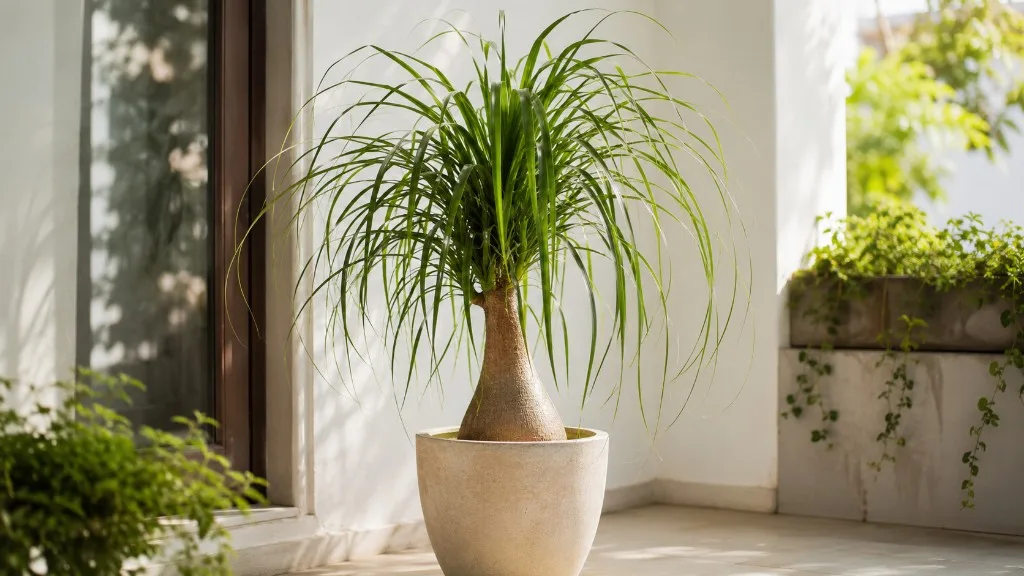
Ponytail palm watering confuses almost everyone who buys one. The plant sits in the succulent aisle, yet the fountain of strap leaves looks like it belongs beside a peace lily. Beaucarnea recurvata - ponytail palm, elephant’s foot, bottle palm - is not a palm at all. It is a caudiciform succulent native to semi-desert southeastern Mexico, Belize, and Guatemala, with a swollen base that stores water the way a camel stores fat. Indoors, that biology means one rule: check the caudex and the soil depth, then water deeply and rarely - not small weekly top-ups because the leaves look dry.
The swollen trunk base - the caudex - is the plant’s drought insurance. University of Wisconsin Extension notes that this reservoir lets the plant survive extended dry periods, which is why overwatering is the most common cause of failure. A firm caudex with dry mix at depth means wait. A slightly softened caudex with bone-dry gritty mix through the root zone means soak. A spongy, mushy base with sour soil means emergency dry-out - not another drink. Get that sequence right and ponytail palm becomes one of the most forgiving indoor trees; get it wrong and rot starts at the base where you cannot see it until the damage is advanced.
This guide covers how often to water, the caudex-and-soil dual check, seasonal winter reduction, soak-and-drain technique, cachepot traps, a troubleshooting matrix, and recovery when you have already watered too often. For how mix and pot geometry affect dry-down, pair this page with the ponytail palm soil guide and the overview hub.
Why Ponytail Palm Watering Breaks the Palm Playbook
True palms - Chamaedorea, Dypsis, Areca - pull moisture steadily from fine roots and wilt quickly when soil dries. Ponytail palm does the opposite. UF/IFAS describes Beaucarnea recurvata as having high drought tolerance and a greatly swollen trunk base that stores water, with slow growth and a tendency toward root rot on poorly drained soils. The leaves are tough straps that transpire slowly; the caudex holds reserves in modified stem tissue, not in the foliage. Watering it like a tropical foliage plant - keeping mix evenly moist, misting leaves, obeying a weekly app reminder - is how healthy specimens develop soft bases and yellow lower leaves within a season.
NC State Extension places ponytail palm in rocky, poor soils of low deciduous forests and recommends dry winters with deep summer waterings that fully dry between cycles. That seasonal rhythm matters indoors too: furnace heat does not replace summer rain, and a dim winter window slows the plant’s water use even when your calendar says February. The psychological trap is the word “palm.” Until you reframe ponytail palm as a succulent tree with a water tank at the base, you will keep reaching for the watering can too often - especially in low light, where the mix stays wet while the caudex slowly softens.
A mature caudex buffers drought longer than a young plant’s small base. A tabletop seedling may need attention every two to three weeks in bright summer conditions; a decades-old specimen with a foot-wide caudex might go five to eight weeks between drinks in the same room. Size changes the interval, not the method. Always verify firmness and soil dryness rather than copying someone else’s schedule from social media.
How Often to Water Ponytail Palm Indoors
There is no honest universal calendar for how often to water ponytail palm. Pot volume, mix grit, light level, room temperature, and caudex size all change how fast the container dries. What extension services offer is a starting framework, not a rule carved in stone.
Starting range and seasonal adjustment
University of Wisconsin Extension recommends watering deeply but infrequently, allowing the plant to dry out between waterings, with a practical indoor starting range of roughly every two to four weeks during active warm months. Missouri Botanical Garden lists ponytail palm as dry to medium water and instructs growers to give regular water outdoors in summer but allow drying between applications, then reduce watering for plants brought indoors for winter.
Use the two-to-four-week figure as a reminder to check, not as permission to pour on day fourteen regardless of conditions. A ponytail palm in a sunny south window in a small terracotta pot may dry in ten days during July. The same plant in a north office in January may need nothing for six weeks. Track your own pot: note the watering date, when the container felt light, and whether the caudex stayed firm. Within two cycles you will know your home’s rhythm better than any generic blog schedule.
Caudex firmness and soil-depth dual check
Topsoil color lies. Gritty cactus mix can look pale and dusty on the surface while retaining moisture near the caudex where fine roots concentrate. The dual check combines two signals extension culture implies but rarely states plainly for beginners:
Caudex feel: Gently press the swollen base with your fingertips. A healthy, well-hydrated caudex is firm - like a ripe pear, not a sponge. Slight give after a long dry period can be normal; spongy or mushy tissue is not. Softening with wet soil means overwatering. Softening with dry mix through the root zone means it is finally time to soak.
Soil depth: Insert a finger, dry skewer, or moisture probe three to four inches toward the pot bottom (deeper in large pots). Bone dry at depth plus a firm caudex means wait a few more days unless leaves show drought stress. Dry at depth plus slight caudex softness means water. Any cool cling or darkening on a skewer means wait - even if the top inch looks ready.
Neither signal alone is enough in oversized pots. A heavy caudex can mask root-zone moisture; dry surface can hide wet pockets against the drainage hole. When in doubt, pot weight breaks the tie: lift after a fresh soak to learn the heavy baseline, then lift daily until the container feels noticeably lighter.
Best Moisture Checks Before You Water
Consistency beats gadgetry. Pick one or two methods and use them every time before you touch the watering can.
Finger, skewer, and pot-weight tests
Finger or knuckle test: Push into the mix to the second knuckle in small pots, deeper in large ones. Cool, clinging soil means moisture remains. Dry, loose grit means proceed to the caudex check.
Skewer or chopstick test: Insert dry wood to the pot bottom, wait thirty seconds, pull out. Darkening or stuck particles mean wet. Clean dry wood means the column has dried enough for ponytail palm culture.
Pot weight test: Experienced growers often trust weight most. A saturated pot is heavy; a dry one lifts easily with one hand on a six-inch container. Compare today to yesterday - sudden lightness after a week of stability usually means the dry-down cycle completed.
Moisture meters can help if calibrated to gritty mix, but they misread in very coarse blends with large air pockets. Treat them as one input, not the final authority. Never water because the calendar says so. Never water because leaf tips browned - tips also burn from salts, low humidity, and old age. Verify the root zone and caudex first.
Signs You Are Watering Too Much
Ponytail palm overwatering announces itself in layers, and the caudex tells the story before the leaves do.
Watch for soft or spongy tissue at the swollen base while soil stays damp - the primary alarm for this species. Yellowing lower leaves beyond normal old-leaf senescence often follow, especially when several straps yellow at once rather than one aging leaf drying at the bottom. Sour or rotten smell from the mix confirms anaerobic conditions and decaying roots. Wilting or limp leaves with wet soil is the paradox that traps beginners: the plant cannot pull water up because roots are compromised, so it looks thirsty when it is drowning.
Soil that stays dark and cool for many days after watering, fungus gnats hovering at the surface, and slow or absent new growth during warm bright months all point to chronic wetness. UF/IFAS lists root rots on wet soils as the primary disease concern - not underwatering. If several signs appear together, stop watering immediately and inspect the root zone before assuming the plant needs encouragement.
Soil piled against the caudex accelerates rot. New York Botanical Garden warns against burying the stem deeper than it grew - moisture trapped against the fissured bark invites decay. Keep the upper caudex visible, as described in the soil guide, and never let decorative moss or top dressing hold water against the base.
Signs You Waited Too Long
Underwatering is less common indoors but easy to correct. A dry ponytail palm usually speaks plainly.
Slight caudex wrinkling or softening with very light pot weight and dry, pulling-away mix means the reservoir finally ran low. Leaf tips may brown - though tip burn also comes from fluoride, fertilizer salts, and low humidity, so read context. Lower leaves may dry and drop after prolonged drought, but the caudex should still feel firm, not mushy.
One dry episode rarely kills a plant built for Mexican dry seasons. Rehydrate with one full soak until runoff, drain completely, then resume the dry-down cycle. Do not compensate with daily sips - that swings the problem to overwatering within a week. If leaves are limp and soil is wet, you are not underwatered. See the wilting and overwatering problem pages for the opposite diagnosis.
Seasonal Watering Changes
Ponytail palm metabolism follows light and temperature, not your watering app. Warm months with longer days speed growth and transpiration; the pot dries faster and you check more often. Cool, dim months slow everything - and the same soak that worked in August will waterlog roots in January.
Winter dormancy intervals
University of Wisconsin Extension instructs growers to reduce watering significantly in winter to avoid root rot, mimicking habitat where summer brings rain and winter stays dry. NC State Extension recommends greatly reducing water in winter while noting the species tolerates dry winters and indoor heated air better than many houseplants. Missouri Botanical Garden similarly advises reducing watering for plants brought indoors for winter.
In practice, many homes need one deep watering every four to eight weeks from late fall through early spring - sometimes longer in cool north-facing rooms. A plant near a heating vent may dry faster; one pushed into a dim corner for the holidays may need almost nothing between December and March. Skip watering entirely during a cool spell if the caudex stays firm and the pot feels heavy - ponytail palm tolerates drought far better than wet feet.
Resume more frequent checks only when you see consistent new strap growth and rising indoor temperatures in spring. Do not fertilize on a wet winter schedule; unfed and slightly dry beats fed and soggy. Light and water move together: if you moved the plant away from its window, cut water further because reduced light slows transpiration.
| Season | Typical check interval | Water when | Primary danger |
|---|---|---|---|
| Spring–summer (active growth) | Every 5–7 days | Caudex firm + dry 3–4 in. deep | Underwatering after travel |
| Fall transition | Every 7–10 days | Same dual check; first lengthening dry cycles | Keeping summer frequency |
| Winter (cool/dim) | Every 10–14 days | Caudex slight soften + dry deep | Overwatering on calendar |
How to Water Cleanly
The soak-and-drain method matches ponytail palm’s natural pattern: one thorough irrigation, complete drainage, then drought until the next cycle. Partial top watering keeps the upper layer damp while never reaching deep roots, encourages shallow root growth, and hides wet conditions low in the pot where rot begins.
When the dual check says water, apply slowly and evenly across the surface until water runs freely from drainage holes - typically several minutes for a large pot. That confirms the root ball received moisture throughout, not just at the rim. Stop there. Let the pot drain fifteen to thirty minutes in a sink or on a rack. Empty the saucer twice if needed - once immediately and again after ten minutes as more water exits.
Use room-temperature water. Cold tap water shocks warm roots in heated rooms. Tap water is usually acceptable; persistent tip burn despite correct watering may improve with filtered or rainwater after you fix frequency first.
Cachepot and saucer traps
Never let ponytail palm sit in drained water. Saucers and decorative outer pots are silent killers. Water pools, wicks back through drainage holes, and keeps the caudex zone saturated - the exact condition UF/IFAS warns causes root rot.
If the plant lives in a cachepot without drainage, remove the inner nursery pot for every watering, soak in the sink, drain fully, then replace. If you cannot remove the inner pot easily, you do not have a safe long-term setup for this species. Drill drainage holes or repot into a proper container.
Oversized decorative pots hold dangerous volumes of wet mix relative to root mass. The inner nursery pot should fit the root ball; the outer shell is for aesthetics only if it never retains runoff. After watering, verify no water sits in the gap between pots - lift the inner container and check.
Know Your Plant: Beaucarnea recurvata
Taxonomy matters for watering psychology. Ponytail palm sits in Asparagaceae, related to agaves and nolinas, not palms. UF/IFAS notes origin in Belize, Guatemala, and southeastern Mexico, with a swollen base up to seven feet across on old specimens in habitat but slow container growth to roughly 6–8 feet indoors over many years (Missouri Botanical Garden; NC State Extension).
The caudex - often compared to an elephant’s foot - stores water in stem parenchyma, not in the strap leaves. Leaves cascade from the crown and can reach six feet on mature plants but transpire slowly compared to thin tropical foliage. The plant prefers full sun to partial shade (UF/IFAS), which couples directly to watering: brighter placement dries the pot faster and justifies more frequent checks, not necessarily more water per session.
Ponytail palms can live decades in containers when kept on the dry side of care. They tolerate tight pots and resent unnecessary repotting - a larger pot changes your watering math immediately because extra mix stays wet longer. See repotting when the caudex nears the rim, not on a calendar.
Troubleshooting Matrix
Use this grid when symptoms confuse you - especially the limp-leaf cases that look alike.
| What you see | Caudex feel | Soil state | Likely cause | First action |
|---|---|---|---|---|
| Yellow lower leaves | Firm to slightly soft | Wet at depth, heavy pot | Overwatering | Stop water; inspect roots; improve drainage |
| Limp straps | Soft, spongy | Wet, sour smell | Advanced rot | Unpot; trim mush; dry repot; see root rot |
| Brown leaf tips only | Firm | Dry surface, variable depth | Salts, low humidity, or old leaves | Flush soil; trim tips; verify dryness before soaking |
| Slight caudex wrinkle | Firm, not mushy | Dry 3–4 in. deep, light pot | Normal thirst | One full soak; drain; resume cycle |
| No new growth, winter | Firm | Dry | Dormancy, not drought | Wait; check monthly; do not force water |
| Limp leaves | Firm | Bone dry throughout | Underwatering | Deep soak once; do not daily sip |
Office example (documented dry-down): A six-inch plastic pot on a north-facing desk, caudex four inches wide, firm caudex, gritty cactus mix. Summer checks every five days; actual watering every eighteen days after deep soak. Same plant in January: firm caudex, no water for thirty-five days without stress. The calendar said weekly; the caudex and pot weight said otherwise.
Pot Size, Soil, and Drainage
Two ponytail palms in identical rooms can need water on different schedules because pots and mix store moisture differently. A freshly repotted plant in a pot one size larger sits in a reservoir of mix that roots have not colonized - it stays wet longer than expected. A rootbound specimen in small terracotta may dry in half the time.
Drainage holes are mandatory. Without them, no technique saves the caudex. Fast-draining cactus and succulent mix - amended with perlite or pumice in humid homes - should drain within about a minute and dry enough for the next check within a few days after a soak. Dense peat-heavy blend compacts, holds water against the caudex, and causes the rot pattern extension services describe.
Terracotta breathes and accelerates dry-down - excellent for beginners who overwater. Glazed ceramic and plastic retain moisture longer; adjust checks accordingly. If your ponytail dries in two days or stays wet three weeks, fix pot-to-root ratio or mix composition before chasing a better calendar.
Light changes water use without changing the soak-and-drain principle. A ponytail in strong direct sun transpires faster than one in a dim corner - yet low light plus frequent watering is the classic overwatering setup because the plant cannot use what you supply. Bright and dry beats dim and damp every time for Beaucarnea recurvata.
Recovering From Overwatering
Speed matters. At the first signs - spreading yellow leaves, sour smell, wet mix that never dries - withhold all water and assess. If soil is soggy, tip the plant out and inspect roots in good light. Trim black or mushy roots with clean scissors. Let the root ball air in a warm, bright spot for several hours if rot is mild.
Repot into fresh, dry, fast-draining mix in a clean pot with drainage. Keep the caudex at the same soil line - never buried deeper. Wait one to two weeks before the first cautious soak, then drain as normal. Keep the plant in bright indirect light while recovering; avoid dark corners that slow evaporation.
Honest limitation: once the caudex base turns mushy and collapses, the main plant often cannot be saved in place. Firm tissue above the rot line may be salvaged through propagation if offsets or viable stem tissue remain - a backup, not a substitute for correct watering. Early intervention when only roots are affected succeeds far more often than heroic watering after collapse.
If problems persist after correction, read the dedicated yellow leaves and root rot guides before stacking fertilizer, repotting, and pruning on the same week.
How We Wrote and Verified This Guide
Author: sai-ananth. Reviewer: LeafyPixels Review Board. Methodology: Care topic guidance is reviewed against the plant’s natural rhythm, soil type, and seasonal growth phase before publication. Recommendations are checked against botanical references and LeafyPixels plant-care data.
Sources mapped to sections:
- Frequency, caudex storage, winter reduction, overwatering fatality: University of Wisconsin Extension - Ponytail Palm
- Taxonomy, drought tolerance, root rot on wet soils, light range: UF/IFAS - Beaucarnea recurvata
- Dry-to-medium water, winter reduction indoors, native range, container size: Missouri Botanical Garden - Beaucarnea recurvata
- Rocky soils, summer deep water / winter reduction, caudex biology: NC State Extension - Beaucarnea recurvata
- Do not bury caudex; drainage and rot risk: New York Botanical Garden FAQ
Related Ponytail Palm Care
- Ponytail palm overview - full care hub
- Light needs - how sun changes dry-down speed
- Soil and drainage - mix ratios and caudex depth rules
- Propagation - salvaging offsets after base rot
- Fertilizer - feed only when actively growing and dry cycles are stable
- Overwatering and root rot - problem-specific recovery
Conclusion
Ponytail palm watering succeeds when you stop treating it like a palm and start treating it like a caudiciform succulent with a built-in water tank. Check caudex firmness and soil depth before every drink - not the calendar. Soak deeply when both signals agree, drain completely, and expect roughly two to four weeks between cycles in active growth with a sharp reduction to four to eight weeks or longer in winter. Overwatering softens the base and kills roots; underwatering is slower and easier to fix.
Use fast-draining mix, pots with holes, and empty saucers every time. Watch for soft caudex with wet soil, yellow leaves with sour mix, and cachepots trapping runoff. If trouble appears, stop watering, inspect roots, repot into dry gritty mix, and recover firm tissue only while it stays hard. Get the dry-down rhythm right and Beaucarnea recurvata becomes a low-drama specimen that outlives the watering apps - not because it needs neglect, but because it needs deliberate drought between deep drinks.
When to use this page vs other Ponytail Palm guides
- Ponytail Palm overview - Start here for whole-plant context before deep-diving this topic.
- Ponytail Palm problems hub - Jump to symptom-specific fix guides when this care topic does not resolve the issue.
- Root Rot on Ponytail Palm - Escalate here when watering adjustments are not enough.