How to Propagate Ponytail Palm: Offset Division Guide
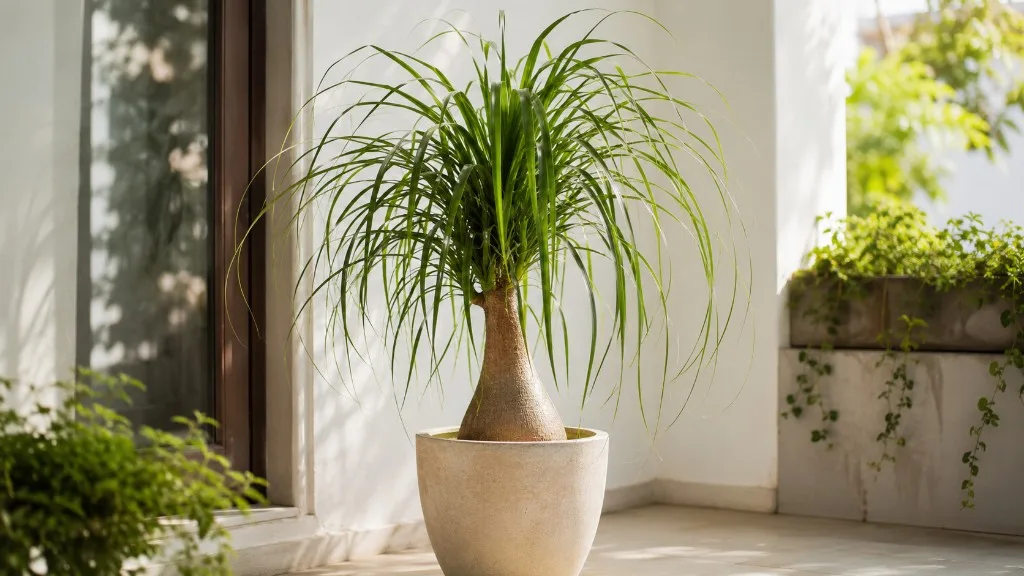
How to Propagate Ponytail Palm: Offset Division Guide
How to Propagate Ponytail Palm: Offset Division Guide
Ponytail palm propagation at home almost always means offset division - separating a basal pup that already has its own roots and a small swollen base from the parent caudex. Beaucarnea recurvata is not a true palm; it is a slow-growing caudiciform succulent in Asparagaceae, native to semi-desert areas of southeastern Mexico, Belize, and Guatemala. The bulbous trunk stores water for extended droughts, which changes every propagation decision: fresh cuts must callus before moisture touches them, and newly potted pups need barely moist - not wet - soil for weeks while roots heal.
The practical home workflow mirrors what experienced growers do at repot time: wait until a pup is roughly 10–15 cm (4–6 inches) tall with visible roots, unpot the parent, cut the attachment with a sterile sharp knife, let cut surfaces callus two to three days in bright indirect light, then plant in dry fast-draining cactus mix and water lightly once. Spring and early summer give the highest success rate. Leaf cuttings, stem chops, and water jars do not work on this plant the way they do on pothos or polka dot plant. Seed is possible but slow - germination needs warmth around 68°F (20°C) or higher, viable seed usually must be imported from Mexico, and plants are dioecious, so a lone houseplant rarely produces pollinated seed.
This guide walks through method choice, pup readiness, the full division workflow, aftercare discipline, seed realism, failure recovery, and when to leave pups attached for a multi-stem display instead.
Guide by sai-ananth. Reviewed against UW Extension, UF IFAS, and Missouri Botanical Garden Beaucarnea profiles by LeafyPixels Review Board.
What Actually Works for Beaucarnea recurvata at Home
Home growers have three names on the table - offsets, seed, and cuttings - but only one path is reliable indoors. Understanding why saves months of rotting jars and shriveled leaf scraps.
| Method | Viability at home | Typical timeline | Best for |
|---|---|---|---|
| Offset division (rooted pups) | High when pups have own roots | Callus 2–3 days; new growth in 4–8 weeks | Most indoor growers |
| Seed | Low–medium (access + patience) | Weeks–months to germinate; years to caudex | Experimenters with imported seed |
| Leaf or stem cuttings | Does not work | N/A | Not recommended |
| Water propagation | Misleading for caudex tissue | Rot risk | Avoid |
Offset Division as the Primary Home Method
Mature ponytail palms occasionally produce basal pups - small stems with strap leaves emerging beside the parent caudex. University of Wisconsin Horticulture notes that offsets can be removed while young; if you wait too long, the pup develops its own swollen base that fuses with the parent caudex, making clean separation harder and riskier. The same source clarifies an important distinction: offsets cut flush with the trunk to tidy a single-stem look will not root to become independent plants. That is different from a pup that already has its own root mass and mini-caudex you can separate with roots attached - the method this guide teaches.
Division belongs at repot time when you can see the full root ball. You are not propagating from a random slice of trunk; you are freeing a semi-independent plantlet that has been feeding itself. Keep as much root on the pup as possible, callus the wound, and pot dry. Success depends on tissue that can photosynthesize and roots that can absorb water - not on hope and a glass of water on a windowsill.
Seed Propagation: Slow but Possible
University of Wisconsin Horticulture states that ponytail palm is propagated by seed, which is not commonly available in retail channels. Sow in spring with a minimum temperature of 68°F (20°C); seed should germinate readily without special pretreatment. UF IFAS adds that seed usually must be imported from Mexico - realistic for specialists, not for someone who just wants a second pot on the windowsill next month.
Plants are dioecious - male and female flowers occur on separate individuals - so a single indoor specimen will not yield viable home-collected seed unless you have both sexes or a pollinated source. Even when seed sprouts, years pass before a seedling develops a meaningful caudex. Treat seed as a horticultural side project; treat offset division as the answer to “how do I get another ponytail palm from the one I own?”
Leaf Cuttings and Water Propagation Do Not Work
Ponytail palm leaves are tough, strap-like blades without nodes that can regenerate a caudex. A leaf stuck in water or soil may root superficially or simply die; it will never become a full plant with the characteristic swollen base. Stem cuttings of the main trunk are a nursery technique applied to small-diameter young plants under controlled conditions - not a reliable DIY method on a mature indoor specimen you value for its shape.
Water propagation culture from social media does not map onto succulent caudex biology. Submerging cut caudex tissue invites rot before roots form. The correct moisture phase starts after a dry callus, in airy mix, with sparing water. If someone shows “ponytail palm in water,” question whether the material was a rooted pup, a seedling, or edited footage - not a leaf or a flush trunk slice.
When Your Ponytail Palm Is Ready to Divide
Timing and pup quality matter more than gadgetry. A premature separation of a fused nub without roots is the most common reason home attempts fail.
Pup Size and Root Criteria
Target pups about 10–15 cm (4–6 inches) tall that show their own roots when you brush soil away at the base. Smaller nubs may be alive but lack the root engine to survive independence. Larger pups with obvious mini-caudices are ideal - they have been photosynthesizing and storing water on their own for months.
Before you cut, confirm:
- Firm green leaves that resist a gentle tug
- Visible roots emerging near the pup base (not only on the parent)
- A distinct attachment point you can cut through without amputating half the parent caudex
- Parent plant health - no active rot, severe scale infestation, or post-shipping wilt
If your plant is a single clean stem with no pups, you cannot propagate it today. Buy a second plant or wait years for offsets to appear. Honesty here prevents ruined specimens.
Fusion Risk on the Parent Caudex
The longer a pup stays attached, the more its base swells and merges with the parent elephant-foot caudex. University of Wisconsin Horticulture warns that delayed separation increases fusion. You can still divide a fused pup, but the cut is larger, the callus takes longer, and both parent and pup need extra recovery time.
Leave pups attached if you prefer a multi-stem sculptural clump - that is an aesthetic choice many collectors favor. Divide when you want a separate pot to gift, sell, or balance a lopsided cluster. There is no health requirement to remove pups; they are not parasites.
Best Season for Division
Schedule division for spring or early summer as active growth resumes - the same window recommended for repotting ponytail palm. Warmth and bright light help callus tissue seal and encourage new root tips without the stagnation of a dim winter windowsill. Avoid dividing during winter slowdown, immediately after purchase shipping, or while the parent fights root rot.
If you must divide off-season, provide stable warmth (65–80°F / 18–27°C) and strong indirect light, and extend the dry-aftercare phase. Do not compensate for cool weather with extra water.
Tools and Clean Setup
Gather everything before you unpot so cut surfaces do not sit exposed longer than necessary.
- Sterile sharp knife or hori-hori - wipe with 70% isopropyl alcohol
- Rubbing alcohol or bleach solution (1:9) for tool dips between cuts
- New or freshly washed pots with drainage holes - one size appropriate to the pup root mass, not oversized
- Dry fast-draining cactus mix - pre-moisten is not needed; start dry
- Perlite or pumice to amend if your mix is peat-heavy
- Newspaper or tarp - caudices are heavy; working surface matters
- Optional labels with division date
Work in good light so you can see where pup tissue ends and parent caudex begins. The ASPCA lists Beaucarnea recurvata as non-toxic to cats and dogs, but sharp leaf edges can irritate skin under magnification - handle pups carefully and keep curious pets from knocking freshly potted divisions.
Step-by-Step Offset Division at Repot Time
Treat this as a surgical repot, not a casual tug. Slow hands and dry discipline beat enthusiasm.
Unpot and Inspect the Root Ball
Water the parent several days earlier if the mix is bone dry - you want workable but not soggy soil. Tip the pot on its side and slide the plant out while supporting the caudex. Brush away loose mix from the base until you see where each pup connects to the parent and which roots belong to whom.
Photograph the attachment angles if this is your first division. You cannot un-cut a mistake, but you can plan a cleaner line once you see the fusion zone.
Separate the Pup with a Sterile Knife
Hold the pup steady without crushing leaves. Cut between pup and parent with a single confident stroke, preserving maximum root on the pup and minimizing gouges into the parent caudex. Avoid flush trunk slices that leave the pup without roots - those pieces will not establish, per Wisconsin Extension guidance.
If two pups fuse together, you may separate them in the same session only when each has roots. Otherwise leave one attached until next year.
Callus the Cut Surface for Two to Three Days
Place both parent and pup in a warm, bright, indirect spot - not direct hot sun on open wounds. Let cut surfaces dry and callus for two to three days. The cut should change from wet green or white to a dry, sealed edge before any potting mix touches it. Skipping callus is the fastest route to black rot at the base.
Do not mist. Do not dip in rooting hormone gel that adds moisture. Dry air is your ally.
Pot the Pup in Dry Cactus Mix
Fill a small pot with dry fast-draining cactus or succulent mix. Missouri Botanical Garden recommends well-drained soil as used for cactus, with sharp sand or gravel added to improve drainage. Set the pup at the same depth it grew before - do not bury the caudex deeper than it was. Hold the pup upright and backfill dry mix around roots.
Water lightly once - just enough to settle soil - then stop. Repot the parent into fresh mix on the same dry-watering schedule if it was due; avoid drenching either plant in the first week.
Aftercare for Newly Divided Pups
New divisions are more vulnerable than established ponytail palms because wound tissue and trimmed roots have not yet sealed. Your job is boring stability.
Watering: Barely Moist, Not Wet
Follow the soak-and-dry logic from the watering guide but shift the dial drier for the first four to eight weeks. After the initial light settling drink, let the mix go nearly dry before the next small soak. The caudex provides drought buffer; roots healing in wet peat do not.
Signs you are overwatering a fresh pup: blackening at the cut, soft base tissue, sour soil smell, or leaves detaching with a gentle pull. Pull back immediately, unpot if needed, trim mush, re-callus, and repot dry.
Do not fertilize until you see new active leaf growth - usually several weeks to a few months depending on light and season. Fertilizer on dry, stressed tissue burns tips and salts wounded roots.
Light, Temperature, and When to Resume Normal Care
Give pups bright indirect light with some gentle morning sun if acclimated. Strong ponytail palm light supports photosynthesis without baking open cuts. Keep temperatures in the 65–80°F (18–27°C) comfort band; avoid cold window panes and air-conditioning blasts on the caudex.
Resume normal mature-plant watering rhythm when:
- New leaves emerge from the crown
- The pot dries on a predictable schedule in your home
- The caudex stays firm and the cut zone shows no spread of black tissue
That transition often takes six to twelve weeks in a bright home - faster in summer, slower in winter. Patience is part of the method.
Signs Your Propagation Succeeded or Failed
Success signals include firm caudex tissue, resistance when you gently tug a leaf, visible new strap leaf growth, and roots anchoring when you lift the pot slightly after the first month. The parent should also stabilize - a clean cut on a healthy caudex calluses over without softening.
Failure signals demand fast intervention:
- Black, wet rot climbing from the cut - unpot, cut back to firm tissue, callus again, repot dry
- Shriveling leaves with wet soil - classic overwatering; dry out and reassess roots
- No root growth after 10–12 weeks in warm bright conditions - pup may have been too small or too fused; learn for next season
- Parent caudex softening after division - parent was weakened or overwatered during recovery; treat as root rot emergency
Brown leaf tips alone are not failure - they often mean underwatering, salt buildup, or light stress on a still-adjusting pup. Trim cosmetic tips only after you stabilize moisture.
Seed Propagation: What Home Growers Should Know
If offset division is the practical path, seed is the botanist’s path. Sow fresh seed in spring on well-drained mix, maintain at least 68°F (20°C), and keep lightly moist - not waterlogged - until seedlings emerge. Expect weeks to months for germination and years before a seedling looks like a miniature ponytail palm with a visible caudex.
Because UF IFAS notes seed is typically imported from Mexico, plan ahead through specialty seed vendors. Remember dioecious flowering: indoor plants rarely set viable seed without pollination partners. Flowering itself is uncommon indoors until plants are large and old, with creamy yellow panicles on mature outdoor specimens per UF IFAS.
Seed propagation teaches patience; it does not replace pup division for the average caretaker who wants a clone of the plant already on the shelf.
When to Skip Propagation or Leave Pups Attached
Do not divide when the parent is sick - stabilize pests, rot, or severe brown tips from cultural stress first. Do not chop the only main stem at home unless you accept a long recovery and permanent shape change; nursery multi-head plants are created on small trunks under controlled dormant cuts, not on your ten-year living-room specimen.
Skip propagation entirely when there are no pups - buy another plant instead of damaging the parent chasing impossible cuttings. Leave pups attached when you like the clustered silhouette; division is optional, not mandatory.
For a full care picture beyond multiplication, see the ponytail palm overview and cluster guides on soil, watering, light, fertilizer, and repotting.
Conclusion
Ponytail palm propagation succeeds when you respect caudex biology: divide rooted pups at repot, callus two to three days, pot in dry cactus mix, and keep soil barely moist until new growth proves independence. Flush trunk offsets without roots will not establish; leaf cuttings and water jars waste time. Seed is real but slow and seed access is limited. Match timing to spring active growth, keep tools clean, and choose between a multi-stem clump and separate pots based on how you want the plant to look - not because a template told you every pup must go. Get those steps right and Beaucarnea recurvata rewards you with one of the most sculptural, low-drama duplicates you can grow indoors.
When to use this page vs other Ponytail Palm guides
- Ponytail Palm overview - Start here for whole-plant context before deep-diving this topic.
- Ponytail Palm problems hub - Jump to symptom-specific fix guides when this care topic does not resolve the issue.