Ponytail Palm Repotting: When, How, and Caudex Mistakes
Quick answer
Ponytail palm (Beaucarnea recurvata) needs repotting only every two to three years in spring when the caudex nears the pot rim or roots circle the drain hole - not on a calendar alone. Go one pot size up with fast-draining cactus mix, keep the swollen base at the same soil line (never buried deeper), water lightly once, and skip fertilizer for a month.
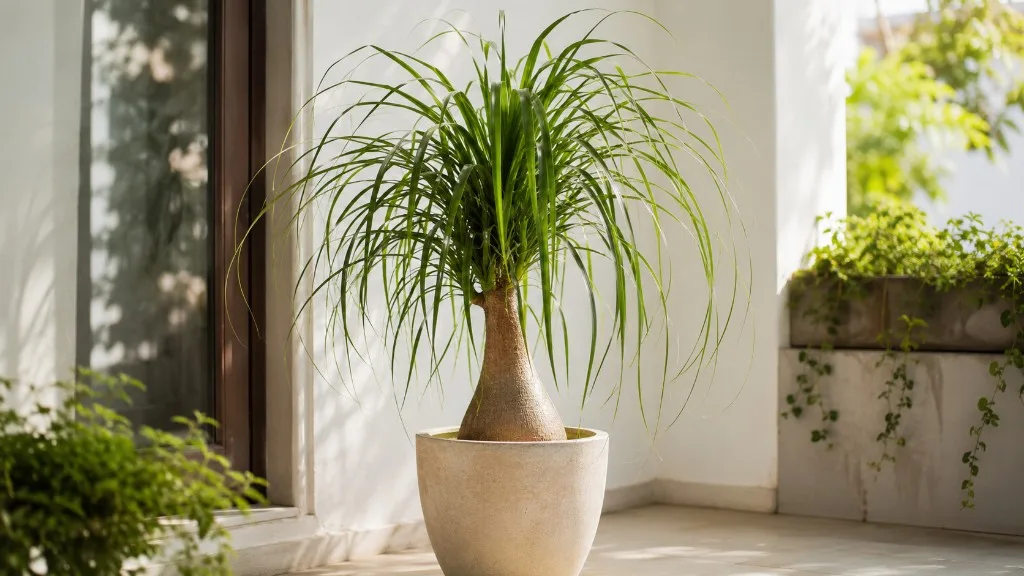
Ponytail Palm Repotting: When, How, and Caudex Mistakes to Avoid
Ponytail Palm Repotting: When, How, and Caudex Mistakes to Avoid
Ponytail palm (Beaucarnea recurvata) looks like a miniature desert tree: a swollen caudex at the base and a fountain of strap leaves on top. It is not a true palm - it belongs to Asparagaceae, the same broad family as agave - and it evolved for semi-desert drought, not tropical humidity. That biology changes every repotting decision. You are not refreshing a fast-growing pothos root mat every year. You are occasionally upgrading a slow, water-storing caudiciform that prefers slightly snug pots, gritty mix, and a caudex that stays above the soil line.
Done right in spring, with one size up and fresh cactus mix, repotting is usually quiet: an hour of careful work, a few weeks of cautious watering, and then steady new leaf growth from the crown. Done wrong - oversized pot, buried caudex, heavy watering the first week - the same operation can soften the base and send you to the root rot page. This guide covers when to repot, how to handle the caudex, what mix and pot to use, numbered steps, and the mistakes that turn a routine upgrade into a recovery project.
Why Repotting Matters for Ponytail Palm
Repotting solves three problems that show up as leaf and caudex symptoms if you ignore them: circling roots that cannot absorb water evenly, potting mix that has compacted or lost drainage, and salt buildup from tap water and fertilizer that stresses fine roots. Ponytail palm stores water in its caudex, so it tolerates dry intervals - but it does not tolerate chronically wet mix around shallow fibrous roots. An oversized fresh pot creates exactly that environment.
What fresh soil and modest extra room fix
Fresh mix restores air pockets and drainage speed that old, peat-heavy soil lost as it broke down. Extra root room lets white tips spread outward instead of spiraling at the pot wall, which improves uptake after each deep watering cycle. You will notice the difference in pot behavior: a root-bound ponytail palm often lets water run straight through without soaking in, or dries so fast that you misread the schedule - not because the caudex is empty, but because the root mat is dense and channels form.
Repotting is also the only easy moment to inspect for root rot - brown, mushy, sour-smelling tissue that needs trimming before it reaches the caudex. Catching rot during repotting is simpler than diagnosing from yellow lower leaves alone, which can also mean overwatering or natural aging.
How slow growth changes the schedule
University of Florida IFAS describes Beaucarnea as a fine-textured, slow-growing evergreen well suited to containers. New York Botanical Garden recommends repotting every two years in spring only if the base of the stem encroaches on the pot edge - not automatically each spring. Many indoor specimens comfortably go two to three years between full repots when mix drains well and the caudex still has clearance from the rim.
Treat the calendar as a reminder to lift the pot and look, not a command to repot regardless. Ponytail palm often grows well slightly snug; chronic binding eventually stalls growth, but rushing to upsize every year disturbs roots without benefit.
Signs Your Ponytail Palm Needs Repotting
The clearest signals are physical: the caudex widening until it nearly touches the pot rim, roots circling the surface or exiting drainage holes, and water that runs through without absorbing into compacted mix. Growth that stalls in good light despite appropriate watering is a later clue. When two or more signs appear during the active season, plan a spring repot.
Do not repot only because one lower leaf yellowed. Yellowing can mean overwatering, cold drafts, or natural shedding of old foliage. Repotting a plant stressed for another reason adds a variable. Confirm the root zone or mix is the bottleneck first.
Root-bound and drainage signals
Slide the plant partway out of the pot. If the root ball holds a perfect pot-shaped mold with little visible mix on the sides, roots have been circling for a while. Fast drainage after every watering can mean spent, hydrophobic mix rather than a healthy dry cycle. Sour smell, fungus gnats, or a soft caudex point to rot - repot becomes a rescue with aggressive trimming and lighter watering afterward.
White salt crust on the mix surface suggests flushing or full repot with fresh soil rather than more fertilizer.
Caudex and growth cues
A firm, smooth or lightly fissured caudex with leaves that resist a gentle tug is healthy. Top-heavy wobble in a small pot can mean the root anchor is too small for the leaf mass - repotting may help, but choose one size up, not a dramatic jump. Sparse new leaves in bright light after years in the same mix may mean nutrient exhaustion in old soil - refresh mix at repot time.
Best Time of Year to Repot Ponytail Palm
Spring through early summer is the safest window, when rising light and warmth support root recovery. University of Wisconsin Horticulture aligns ponytail palm care with spring repotting into fresh, well-drained soil as growth resumes.
During active growth, new leaves may appear within two to six weeks after a careful repot. Roots explore fresh mix faster when temperatures stay in the 65–80°F (18–27°C) range and the plant sits in bright light.
When winter repotting is still justified
Skip winter repotting if the plant is only slightly tight but still stable. Repot in winter only when delay would clearly harm the plant: severe root-binding, active rot, sour compacted mix, or a broken pot. Use one size up, Ponytail Palm light guide, warm room temperatures, and a longer dry interval before the next soak until new growth returns in spring.
Choosing Pot Size, Material, and Caudex Depth
The most important decisions are diameter and caudex placement, not decorative shape.
Measure the current inner diameter and choose a pot 2–5 cm (1–2 inches) wider, with drainage holes. From a 15 cm pot, move to 17–18 cm - not 24 cm. NYBG warns that moving to too large a pot risks root and stem rot because unused mix stays wet.
Keep the caudex at the same depth it grew before. The swollen base should remain partly visible above the mix - never buried deeper to stabilize a top-heavy plant. Burying the stem leads to rot, according to NYBG and standard Beaucarnea practice. Mark the old soil line with masking tape on the caudex before unpotting if you need a reference.
Terra-cotta dries faster and suits heavy-handed waterers. Plastic retains moisture slightly longer. Glazed ceramic adds weight for top-heavy specimens. Every long-term pot needs holes; cache pots without drainage are cover pots only.
Best Soil Mix for Repotting Ponytail Palm
Use fast-draining cactus or succulent mix. The Missouri Botanical Garden lists Beaucarnea recurvata as needing a well-drained potting mix in containers. NYBG recommends cactus medium without added fertilizer, or roughly three parts grit or sand to one part potting soil with a small amount of coir or bark for texture.
A practical blend for repotting:
- 70–80% cactus or succulent mix
- 20–30% perlite, pumice, or coarse sand
Avoid heavy peat-only indoor mixes that compact and hold water. Wrong mix may look fine initially, then fail with root rot when retention is too high - the same risk UF/IFAS notes for poorly drained soils.
Full recipe and pH notes live on the ponytail palm soil guide. Pre-mix dry ingredients in a tub before you unpot.
Step-by-Step: How to Repot Ponytail Palm Without Damaging the Caudex
Gather the new pot, pre-mixed soil, clean scissors, a chopstick, and a watering can. Work on a stable surface - the caudex is heavy and leaves snap if bent sharply.
Step 1: Water lightly 24 hours before if the mix is bone dry, or work with slightly dry mix if the pot is already manageable. Soggy root balls slip messily; dust-dry balls crumble.
Step 2: Add a small mound of fresh mix to the bottom of the new pot. Do not use a thick gravel “drainage layer” - it does not improve drainage.
Step 3: Support the plant from the caudex base, not by pulling leaves. Tip the pot and slide the plant out. Squeeze flexible nursery pots or run a knife around rigid pots if needed.
Step 4: Inspect roots. Trim brown, mushy tissue with clean scissors. Tease outer circling roots gently; do not bare-root or wash away the entire ball - fine root hairs absorb water and stripping them extends recovery.
Step 5: Set the plant so the previous soil line on the caudex aligns with the new surface. The upper caudex stays visible above mix. Do not bury deeper for stability - use a heavier pot or wider saucer instead.
Step 6: Backfill with fresh mix, working soil between roots with a chopstick while holding the plant centered. Firm lightly to remove large air gaps without compacting.
Step 7: Water once lightly until a little runs from holes, then empty the saucer. NYBG advises keeping the plant in a pot with a drain hole and a separate run-off dish, not an attached reservoir.
Step 8: Place in bright light out of hot direct sun for 7–14 days. Resume the normal soak-and-dry watering rhythm only after the top mix dries fully - often a cautious two-to-three-week dry cycle after disturbance.
Step 9: Hold fertilizer for at least three to four weeks until new growth appears. Fresh mix rarely needs immediate feeding.
Top-Dress vs. Full Repot
Top-dressing - replacing the top 3–5 cm of mix without unpotting - can refresh surface salts in early spring if roots are not yet bound. It will not fix circling roots at the bottom. Full repot is required when the caudex nears the rim, roots circle heavily, mix is sour or compacted, or you are trimming rot.
Recovery Timeline and What Success Looks Like
Mild transplant pause - no new leaves for one to three weeks - is normal if the caudex stays firm and leaves resist tugging. Full root re-establishment often takes four to eight weeks in warm, bright conditions because Beaucarnea grows slowly.
Old leaf tips that browned before repot will not re-green. New crown leaves of normal thickness and color are the clearest success signal. Softening caudex, sour smell, or leaves pulling out cleanly within days means rot - reduce water and inspect roots immediately; see overwatering and root rot guides.
Common Ponytail Palm Repotting Mistakes
Oversized pots top the list. More mix without more roots means chronic bottom wetness - the main killer of caudiciform plants indoors.
Burying the caudex for stability traps moisture against the storage organ and invites stem rot. Replant at the same depth every time.
Bare-rooting or over-washing strips fine root hairs. Tease outer circling roots; keep most of the original ball intact unless rot forces a wash.
Immediate heavy watering or fertilizing after repot burns tender tips and keeps mix wet too long. One light soak, then wait for dry-down.
Repotting on day one after purchase adds stress before you know how fast the pot dries in your light. Quarantine and learn the rhythm first unless mix is clearly failing - the same advice on the overview guide.
Winter repotting without cause leaves disturbed roots in cold, slow-evaporating mix.
Pet Safety While You Repot
The ASPCA lists Beaucarnea recurvata (pony tail, elephant-foot tree) as non-toxic to dogs, cats, and horses. Chewing can still cause vomiting or mechanical irritation, and heavy pots can tip if bumped. Keep trimmed leaves and spilled mix out of reach during the messy phase; contact your veterinarian if a pet shows persistent illness after eating plant material.
Related Ponytail Palm Care
Repotting resets soil and watering rhythm. Afterward, return to bright light, full dry-down between soaks, and light seasonal feeding - details on the ponytail palm overview, watering guide, and soil guide. If tips brown after repot, distinguish salt stress from shock before changing multiple variables at once.
Conclusion
Ponytail palm repotting is an occasional maintenance step, not an annual chore. Check the caudex and roots every year or two, repot in spring when the base nears the rim or mix fails, move one pot size up with gritty cactus mix, and keep the caudex at the same visible depth you found it. Water lightly once, skip fertilizer for a month, and judge success by firm new growth at the crown - not by whether old leaf tips re-green. Respect the slow rhythm of Beaucarnea recurvata and you will rarely lose a healthy plant to a routine upgrade.
When to use this page vs other Ponytail Palm guides
- Ponytail Palm overview - Start here for whole-plant context before deep-diving this topic.
- Ponytail Palm problems hub - Jump to symptom-specific fix guides when this care topic does not resolve the issue.
- Root Rot on Ponytail Palm - Escalate here when repotting adjustments are not enough.