Underwatering on Ixora: Causes, Checks & Fixes
Quick answer
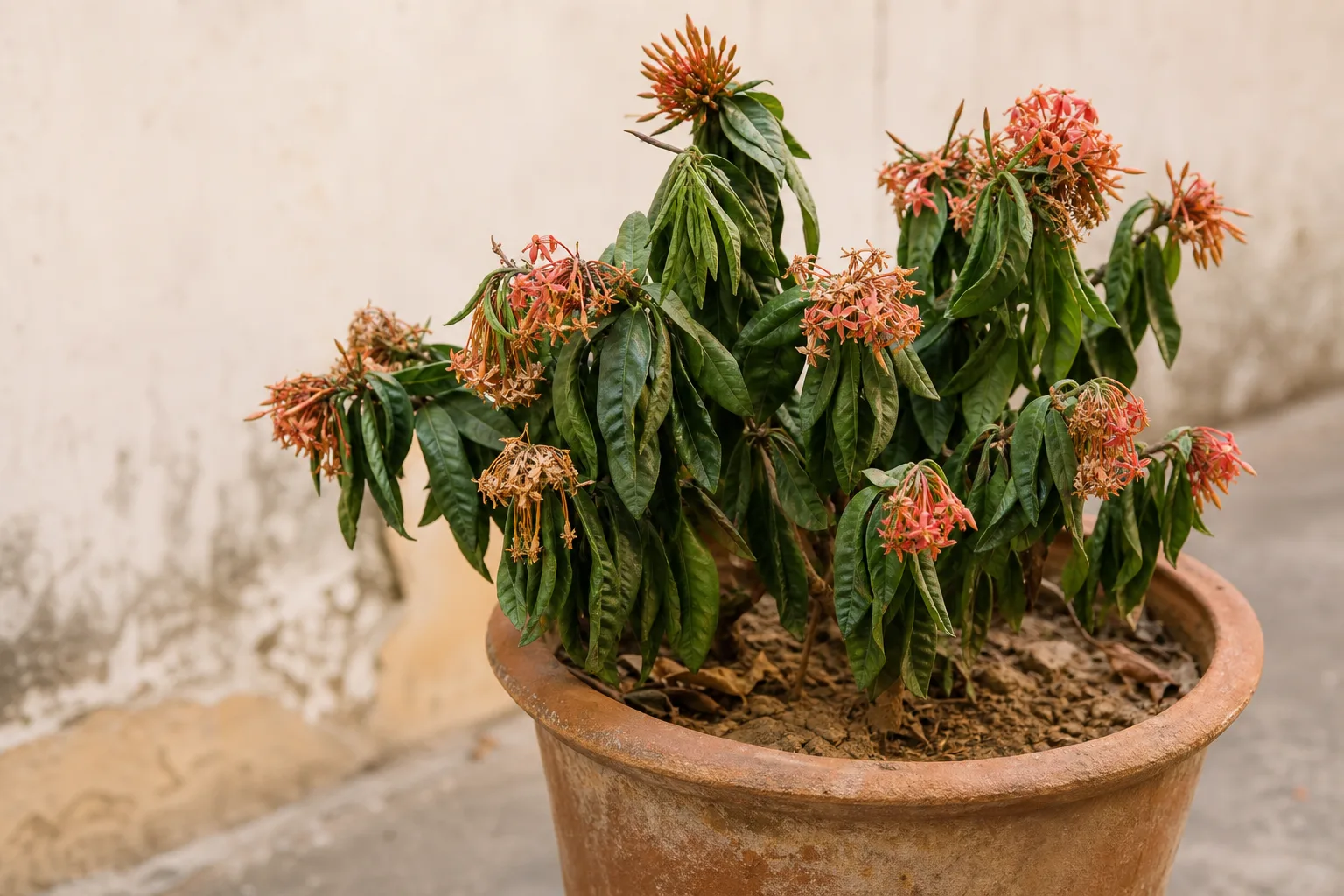
Underwatering on Ixora shows as a light pot, limp glossy leaves, and dry soil 3 cm down-often with dropped buds. First step: bottom-water thoroughly with rainwater or filtered water until the mix rewets, then drain completely.
Underwatering on Ixora: Causes, Checks & Fixes
This guide covers underwatering on Ixora. See also the general Underwatering guide, watering, and light pages for this plant.
Underwatering on Ixora: Causes, Checks & Fixes
Quick answer
Ixora (Ixora coccinea, Jungle Flame) is a tropical shrub that wants evenly moist, acidic soil-not the dry-down cycle many succulents tolerate. When underwatered, leaves lose turgor, flower buds abort, and the pot turns noticeably light.
First step: check soil moisture 3 cm down. If the mix is bone dry and the pot is light, bottom-water in a tray with room-temperature rainwater or filtered water until the surface darkens and feels cool, then let the pot drain fully before returning it to its saucer. Do not spray leaves or dump a quick sip on the surface-that rarely rewets a dry root ball.
What underwatering looks like on Ixora
Above soil, drought stress on Ixora usually appears in this order:
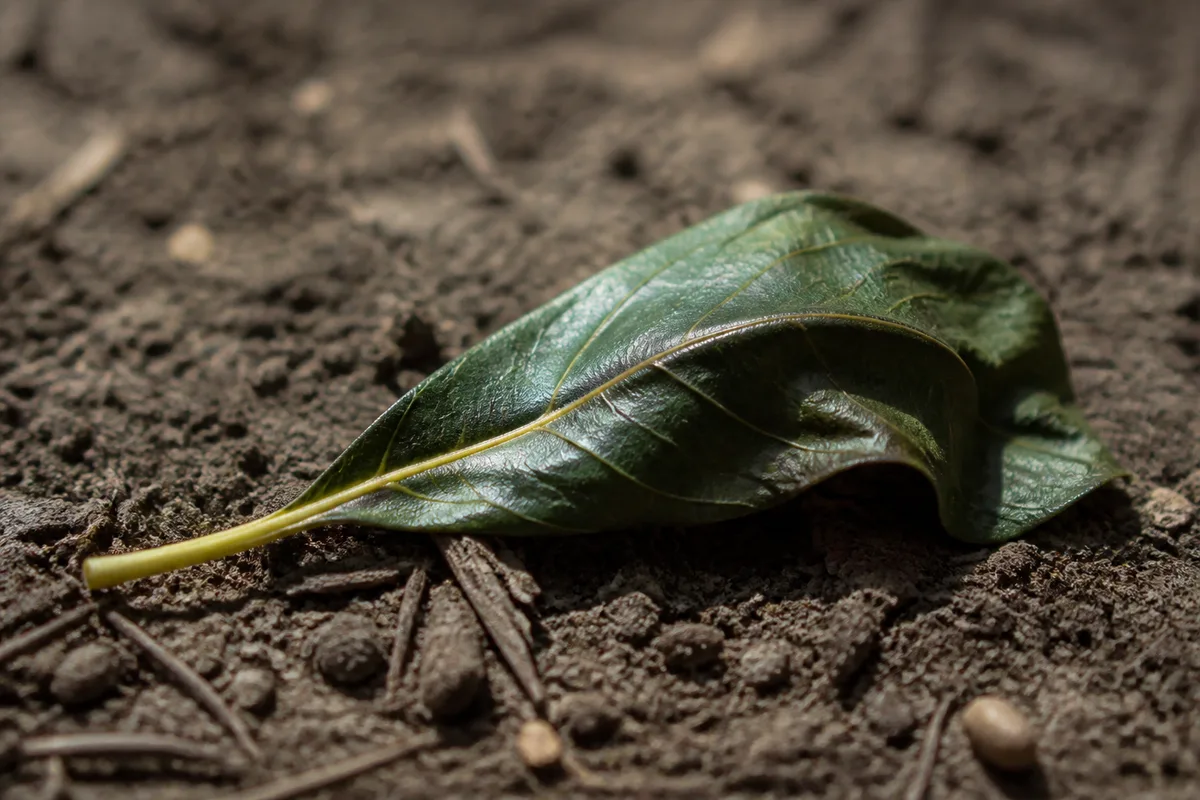
Underwatering symptoms on Ixora - compare with healthy tissue on the same plant.
- [Limp, drooping leaves on Ixora](/plants/ixora/drooping-leaves/) on otherwise firm stems-the glossy dark green foliage folds downward before edges crisp
- Dry soil pulled away from the inside of the pot, sometimes with visible cracks on the surface
- Premature flower bud drop or failure of cyme clusters to open when buds were already forming
- Brown, crispy margins on older leaves after repeated dry cycles
- A very light pot when lifted; water may run through the mix without the root zone actually absorbing it
Unlike overwatering on Ixora, the mix feels dry and dusty at depth, not cool and damp. Roots, if you slide the plant out, should look firm and pale, not brown and mushy. Yellowing with green veins on new leaves while soil is dry often points to iron chlorosis from alkaline water layered on drought stress-not pure underwatering alone.
Why Ixora gets underwatered
Ixora evolved in humid tropical Asia and is grown in moist, acidic, organically rich, well-drained loams in full sun. That combination means high transpiration in bright light with a root zone that should never go dust-dry for long.
Common triggers indoors and in pots:
- Calendar watering instead of checking the top 3 cm-cool rooms slow use, but a sunny windowsill can dry a small pot in one to two days
- Fear of root rot on Ixora after reading that Ixora hates soggy soil; skipping drinks until the whole root ball desiccates
- Hydrophobic peat or cocopeat that repels water after a dry spell, so the surface looks briefly damp while roots stay dry inside
- Hard tap water raising soil pH over time; chlorosis may develop in alkaline soils and chlorotic plants use water less efficiently and look wilted even when you do water
- Air conditioning, heating vents, or low humidity pulling moisture from leathery leaves faster than roots replace it
- Undersized or root-bound pots in peak summer-the plant drinks faster than a weekly schedule supplies
Ixora is not drought-tolerant like a succulent. Moderate drought tolerance in landscape plantings still assumes deep soil; a container in full sun is a different story.
How to confirm the cause
Work through these checks before soaking:
- Pot weight - Compare today’s pot to how it feels right after a thorough watering. A large drop in weight with wilted leaves supports drought.
- Moisture at 3 cm depth - Insert a finger or thin probe. A dry surface is not always a sign of water need; crumbly, warm, dry mix at depth confirms underwatering. Cool, clinging soil means wait-do not add water.
- Stem firmness - Firm woody stems with dry soil fit drought. Soft stems with wet soil suggest rot.
- Water absorption test - Water lightly on the surface. If it pools and runs down the sides without darkening the center, the mix has gone hydrophobic-plan a slow rehydration, not a single splash.
- Light and season - Active growth in bright sun increases demand. Reduced winter watering is appropriate, but the top few centimeters should not stay bone dry for weeks indoors.
- Lookalike screen - Interveinal yellowing on new leaves with alkaline crust on the pot rim suggests pH stress; wilting with sour-smelling wet soil is overwatering.
If soil is wet throughout and leaves still wilt, do not water again-inspect roots for decay before treating drought.
First fix for Ixora
Bottom-water until the root zone rewets, then drain completely.
Set the pot in a basin or tray filled with room-temperature rainwater or filtered water-avoid cold tap that shocks tropical roots and hard water that nudges pH upward. Bottom-water until the soil surface feels moist, then let excess drain from the pot. Let the pot sit 30–45 minutes until the surface feels evenly moist and cool. Lift it out, let excess drain for 15–30 minutes, and empty the saucer.
If water ran through instantly on the first pass, repeat once the tray water is used up. For severely shrunken mix, poke a few shallow holes in the dry surface with a chopstick before bottom-watering so water enters the center.
Do not fertilize, repot, or prune heavily on the same day. One thorough rehydration tells you whether the plant can recover before you change anything else.
Step-by-step recovery
After the first soak, stabilize care in this order:
- Move out of harsh midday sun until leaves re-turgid-morning light or bright indirect reduces further water loss while roots catch up.
- Resume a check-based rhythm - Water when the top 3 cm dries during March–October active growth; stretch slightly in cooler months, but never let the entire ball go dust-dry.
- Use acid-friendly water - Rainwater or filtered water helps preserve the pH 5.0–6.0 range Ixora needs; alkaline irrigation worsens chlorosis on stressed plants.
- Raise humidity if air is dry - Grouping pots or a pebble tray reduces leaf-edge crisping while roots rebuild.
- Trim only dead tissue - Snip fully brown leaves and spent bud stalks after the plant firms up; live wilted leaves may recover without cutting.
- Refresh mix if hydrophobic - If the second bottom-water still fails to moisten the center, repot into fresh ericaceous mix when the plant stabilizes-not while it is collapsing.
Hold fertilizer until new growth looks normal for two weeks. Salt on drought-stressed roots adds burn on top of wilt.
Recovery timeline
Mild dehydration: Leaves often perk within 24–48 hours after a proper bottom-water if roots are still healthy.
Moderate stress with bud drop: Expect one to three weeks before new bud clusters form once moisture and light stay steady.
Repeated drought cycles: Older leaves may yellow and drop even after you rehydrate; recovery is judged by firm new tips and glossy expanding leaves, not by old damaged foliage greening up.
Worsening signs: Continued limpness 72 hours after a confirmed rewet, spreading stem softening, or widespread leaf drop with wet soil means root damage or rot-not simple underwatering.
Lookalike symptoms
- Overwatering / root rot - Wilting with wet soil can indicate rotting roots, sour smell, yellow lower leaves, and mushy roots. Fix by drying out and inspecting roots, not soaking again.
- Iron chlorosis - Yellow new leaves with green veins on acid-loving plants, often near concrete or with hard tap water; soil may be moist. Correct pH and micronutrients, not just water volume.
- Cold damage / leaf drop on Ixora - Sudden leaf fall after exposure below about 10–15°C; soil moisture may be fine. Warmth and stable humidity matter more than extra water.
- Low humidity alone - Crispy edges with otherwise moist soil and turgid stems; increase humidity without drowning the roots.
- Spider mites - Stippled, dusty leaf undersides with fine webbing; soil moisture can look normal. Rinse and treat pests, not only water.
What not to do
Do not drench daily after one dry spell-that swings Ixora from drought to waterlogged roots in acidic peat mix. Avoid cold tap water on wilted tropical foliage. Do not mist instead of watering the soil-roots, not leaf surfaces, need moisture. Do not fertilize or repot a collapsed plant on day one. Do not assume every wilt means underwatering without checking soil at depth; watering wet Ixora accelerates rot.
How to prevent underwatering
Build a routine around how fast your pot dries:
- Check the top 3 cm before every drink during active growth; reduce watering in winter but small pots in full sun often need water every 2–3 days in summer and every 4–5 days in cooler months.
- Use ericaceous mix with perlite for drainage plus peat or cocopeat for moisture retention-never plain garden soil in a pot.
- Prefer rainwater or filtered water to protect acid pH and reduce chlorosis that mimics drought stress.
- Keep the plant in 4–6 hours of direct sun with good airflow; bright light increases water use predictably.
- Refresh old peat-heavy mix that has dried out repeatedly and started repelling water.
- Empty saucers after watering so roots do not sit in stale water, but do not skip the next drink just because the surface looked damp yesterday-verify at depth.
Weekly pot weight checks during hot weather catch dry-down before buds drop.
When to use this page vs other Ixora guides
- Ixora watering guide - Use for routine moisture checks before assuming underwatering is the main issue.
- Ixora problems hub - Browse all 18 common issues on this species.
- Wilting on Ixora - Different entry point when symptoms overlap with underwatering.
- Brown Tips on Ixora - Different entry point when symptoms overlap with underwatering.
- Yellow Leaves on Ixora - Different entry point when symptoms overlap with underwatering.