Transparent Leaves on Java Fern: Causes, Checks & Fixes
Quick answer
Glassy, transparent Java Fern leaves mean aquarium melt-usually nitrogen shortage, acclimation stress, or rhizome rot-not low room humidity. Test NO₃ first, trim melting fronds at the rhizome, dose diluted liquid fertilizer, and judge recovery by opaque new growth in two to four weeks.
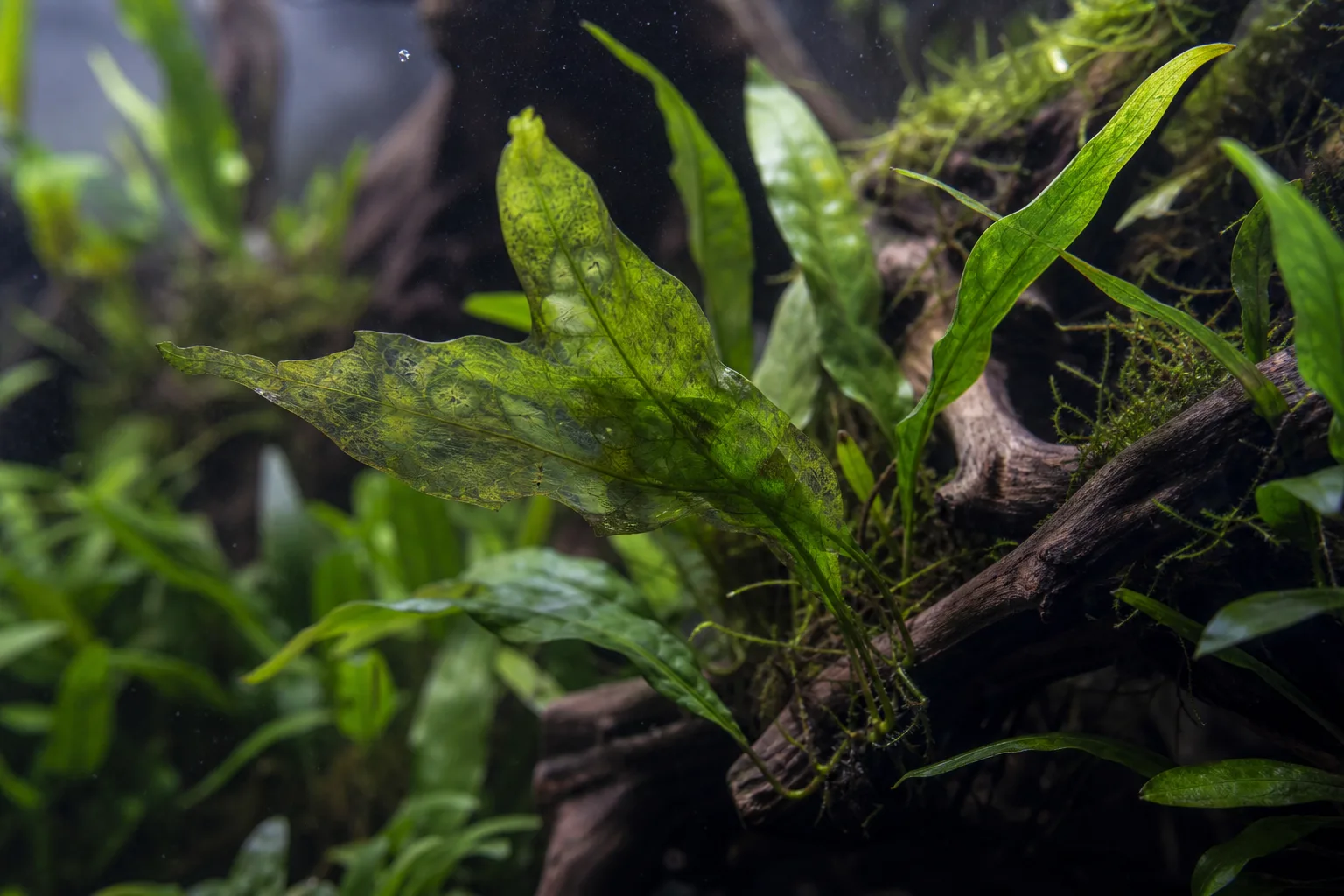
Transparent Leaves on Java Fern: Causes, Checks & Fixes
This guide covers transparent leaves on Java Fern. See also the general Transparent Leaves guide, watering, and light pages for this plant.
Transparent Leaves on Java Fern: Causes, Checks & Fixes
Quick answer
Transparent, glassy leaves on Java Fern (Microsorum pteropus) signal melting in submerged culture-most often from nitrogen deficiency, acclimation stress, or rhizome rot-not low room humidity. This slow-growing epiphyte pulls nitrogen from the water column; shrimp-only tanks and heavy water changes can leave nitrates near zero while established fronds turn see-through.
First fix: run a nitrate test. If NO₃ reads zero to 5 ppm with glassy mature fronds, trim melting tissue at the rhizome and dose a diluted aquarium liquid fertilizer at half label strength after a water change-see the Java Fern fertilizer guide for dosing rhythm.
This page is the glassy-melt entry point-transparency and tissue dissolution first. For uniform pale yellow-green chlorosis on firm opaque fronds, start on nitrogen-deficiency. For washed-out color without glassiness, see faded-leaves. For species baseline and mounting, see the Java Fern overview.
What transparent leaves look like on Java Fern
Hobbyists describe the symptom as glassy, see-through, or wet-paper fronds-light passes through patches where chlorophyll has thinned or tissue is dissolving.
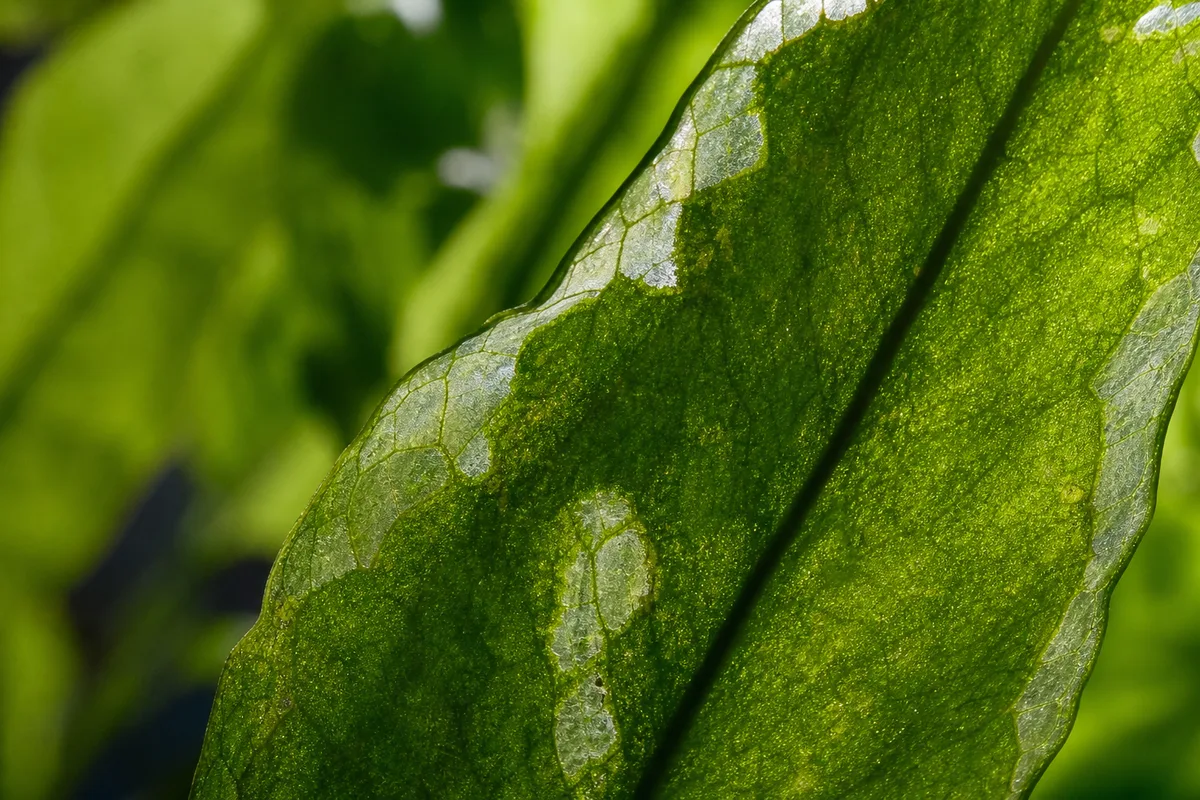
Transparent Leaves symptoms on Java Fern - compare with healthy tissue on the same plant.
Glassy melt vs normal pale new tips vs rhizome rot
| Pattern | Where it shows | Tissue feel | Rhizome | Typical trigger |
|---|---|---|---|---|
| Nitrogen melt | Older mature fronds first; veins may show through | Softening edges; uniform glassiness | Firm | Zero to 5 ppm nitrate for weeks |
| Acclimation melt | Whole random fronds after purchase or rescape | Glassy then brown; detaches cleanly | Firm | Days 1–14 after tank move |
| Rhizome rot | Fronds collapse from base upward | Mushy at attachment | Soft, black, sour smell | Buried rhizome or trapped mulm |
| Normal juvenile tips | Only the unfurling tip of new fronds | Firm; small pale zone | Firm | Healthy growth; darkens in days |
Nitrogen melt often starts as uniform pale green on established blades, then turns glassy as the plant mobilizes nitrogen from old tissue to fuel new growth at the rhizome-nitrogen is mobile and older leaves sacrifice first.
Acclimation melt hits whole fronds regardless of nitrate when emersed-grown stock or shipped plants transition underwater-common after rescapes even in well-stocked community tanks.
Rhizome rot produces transparent, collapsing fronds from the base up with a soft black stem-not tip-down nitrogen melt. Escalate to root-rot when the horizontal rhizome feels jelly-like.
Normal juvenile color: brand-new tips often emerge slightly pale or translucent before darkening within a week. Deficiency shows when mature fronds lose opacity while nitrate tests read low.
Windelov and Trident cultivars melt faster than standard Java Fern when light jumps without matching nutrients-the lacey or forked blades show glassiness sooner against dark hardscape.
Melt-type comparison at a glance
| Melt type | Nitrate (NO₃) | Rhizome | Timing | Frond pattern | Recovery expectation |
|---|---|---|---|---|---|
| Nitrogen melt | 0–5 ppm typical | Firm | Builds over weeks | Older fronds glassy first | Opaque new fronds in 2–4 weeks after dosing |
| Acclimation melt | Often 10–20 ppm | Firm | Days after purchase/rescape | Whole fronds random | New solid fronds in 2–4 weeks without extra dose |
| Rhizome rot | Variable | Soft, black | After burial or stagnant mulm | Base-up collapse | Trim surgery; see root-rot guide |
| Normal pale tips | Usually adequate | Firm | Ongoing on new growth only | Tip of unfurling frond only | Darkens naturally; no trim needed |
Why Java Fern gets transparent leaves
Nitrogen deficiency and melt
Java Fern is a water-column feeder-not a root-feeder. Dissolved nitrate from fish waste, food breakdown, and fertilizer sustains growth. Setups that run lean:
- Shrimp-only nano tanks with few fish and no regular liquid dosing
- Heavy weekly water changes that strip nitrates faster than livestock replaces them
- Plant-heavy tanks where fast stem plants outcompete the slow fern for available nitrogen
Because Microsorum pteropus grows slowly, transparency appears on established fronds first while the rhizome may still feel firm-unlike advanced rot.
In a low-tech 5-gallon shrimp nano with 50% weekly water changes and no fertilizer, nitrates can sit at zero for months while stem plants still look acceptable-the fern melts first because it cannot tap substrate nutrients.
Acclimation after purchase or rescape
New purchases, tank moves, and sharp lighting changes trigger whole-frond melt even when nitrates read 10–20 ppm. Emersed tissue-culture stock and shipped plants must rebuild submerged leaf structure; old fronds dissolve while the rhizome stays woody. This is temporary stress-not a call to dump full-strength fertilizer on day one.
Rhizome rot from burial
A black, mushy rhizome produces transparent, collapsing fronds from the base up. Gravel, aquasoil, or thick moss packed against the stem suffocates tissue. Tropica warns: do not cover the rhizome-fertilizer will not fix burial rot. Open root-rot when the stem softens or smells sour.
Light-driven melt when nutrients lag
Photoperiod above eight to ten hours or bright PAR on a low-light species increases nutrient demand. Stock LED fixtures often exceed Easy-plant light targets-transparency can appear as an early melt signal before algae blooms. If melt followed a lighting upgrade, see not-enough-light for shade and photoperiod fixes after nitrogen is addressed.
How to confirm the cause
Work through these checks in order:
- Nitrate test-Zero to 5 ppm with widespread glassy mature fronds strongly suggests nitrogen shortage. Aim for roughly 10–20 ppm in most planted community tanks.
- Rhizome feel-Firm and exposed on wood or stone rules out burial rot. Soft black tissue means stop here and read
root-rot. - Recent history-Tank move, new plant, or rescape within two weeks points to acclimation melt when nitrates are adequate.
- Light review-Did photoperiod or fixture intensity jump recently? Pair with nutrient check before raising light further.
- Stocking check-Shrimp-only nano tanks rarely produce enough nitrogen without dosing.
- Cyanobacteria scan-Blue-green slime on substrate or glass at chronically zero nitrates often accompanies severe nitrogen starvation in planted tanks-fix nutrients before treating algae alone.
If nitrates sit at 10–20 ppm, the rhizome is firm, and only one old frond is glassy, normal leaf turnover or mild acclimation may be the answer.
Lookalike symptoms to rule out
Not every pale or thin frond is glassy melt:
- Uniform pale yellow-green on firm opaque fronds-chlorosis without transparency; see
nitrogen-deficiencyfor full macronutrient workflow - Vein yellowing on newest tips-iron limitation pattern; see
iron-deficiency - Pinholes in older leaves-potassium shortage; see
potassium-deficiency - Washed-out gray-green without glassiness-light fade or PAR bleach; see
faded-leaves - Soft rhizome with sour smell-rot, not melt; see
root-rot
This page owns see-through tissue. When the symptom is color loss without glassiness, branch to the guides above.
First fix for Java Fern
Test nitrates, then raise nitrogen gradually-one clear first action when NO₃ reads low with glassy mature fronds.
Secondary steps immediately after the test:
- Trim transparent fronds at the rhizome with clean scissors so energy goes to new tissue-melting leaves will not re-opacify.
- Dose an aquarium-safe all-in-one liquid fertilizer at half label strength weekly after a water change. In shrimp or invert tanks, choose a copper-free formula and stay at or below half label-many invertebrates tolerate diluted macronutrient products better than full-strength dumps. Details in the fertilizer guide.
- Reduce photoperiod to roughly six to eight hours if melt followed a lighting increase-Tropica recommends starting around six hours in new setups.
- Confirm the rhizome is not buried; rot will not respond to fertilizer.
If nitrates already read 10–20 ppm and melt started within days of purchase, hold steady-trim only fully dissolved fronds and wait for opaque replacement growth before dosing.
Recovery timeline
New fronds should emerge opaque and green within two to four weeks once nitrates stay stable or acclimation stress passes. Transparent tissue will not refill-judge success by fresh growth from the rhizome, not old glassy blades.
| Severity | Signs | Expected recovery |
|---|---|---|
| Mild nitrogen melt | Few glassy older fronds; firm rhizome; NO₃ corrected | First opaque new frond in 2–3 weeks |
| Moderate starvation | Widespread glassiness; zero nitrate for weeks | 3–4 weeks to stable replacement frond |
| Acclimation melt | Whole fronds glassy; adequate nitrate; firm rhizome | New solid frond in 2–4 weeks without extra dose |
| Rhizome rot overlap | Base-up collapse; soft stem | Trim and remount per root-rot guide-4–6+ weeks |
Optimum temperatures around 22–28°C/27914) support steady recovery; cold water below 20°C slows regrowth on this slow grower.
Example recovery path
A Java Fern glued to driftwood in a 10-gallon shrimp nano faded glassy over three weeks. Nitrate read zero; the rhizome stayed firm. The keeper trimmed four fully transparent fronds at the rhizome, dosed half-strength copper-free liquid fertilizer weekly after 25% water changes, held photoperiod at seven hours, and saw the first opaque dark-green frond at day 18. Older glassy tissue was removed only after the replacement leaf stayed solid for one week.
What not to do
Do not increase light to “fix” transparent leaves-excess PAR worsens melt on a low-light epiphyte. Do not use houseplant fertilizer. Do not raise room humidity-it does not reach submerged fronds. Do not dump full-strength fertilizer on a melting plant in one day, especially in shrimp tanks. Do not leave melting fronds attached hoping they recover. Do not bury the rhizome to stabilize a melting clump-that triggers root-rot.
How to prevent transparent leaves next time
Mount the rhizome on hardscape per the overview mounting section-never under substrate. In low-tech planted tanks, maintain nitrates around 10–20 ppm through balanced stocking or weekly liquid dosing via the fertilizer guide rather than copying prevention paragraphs from the nitrogen-deficiency page without a plan.
Keep lighting in the low-to-moderate range for Easy plants. Quarantine new plants before full rescapes. Expect some melt after shipping-watch rhizome firmness, not every leaf.
When to worry
Escalate immediately if:
- Transparency spreads to every new frond while the rhizome softens, blackens, or smells-that is rot, not melt; open
root-rot - Nitrate stays at zero for weeks with widespread glassy leaves, stalled growth, and cyanobacteria film
- Less than 2 cm of firm rhizome remains after trimming rot-salvage is unlikely
Cosmetic melt on a firm rhizome after acclimation is not urgent-watch stem firmness and replacement frond color, not old dissolved tissue.
When to use this page vs other Java Fern guides
- Java Fern watering guide - Use for routine moisture checks before assuming transparent leaves is the main issue.
- Java Fern problems hub - Browse all 28 common issues on this species.
Related Java Fern guides
- Java Fern overview
- Java Fern watering
- Java Fern light
- Java Fern soil
- Java Fern problems
- Black Spots on Java Fern
- Chemical Damage on Java Fern
- Cold Damage on Java Fern
Related tool
Use the Plant Problem Diagnosis Tool to narrow causes for transparent leaves on this plant before changing multiple variables at once.