Root Rot on Aparajita: Causes, Checks & Fixes
Quick answer
Root rot on Aparajita almost always follows overwatering or poor drainage in a container vine. Stop watering immediately, unpot to inspect legume roots, trim mushy tissue, and repot into airy mix before the crown softens.
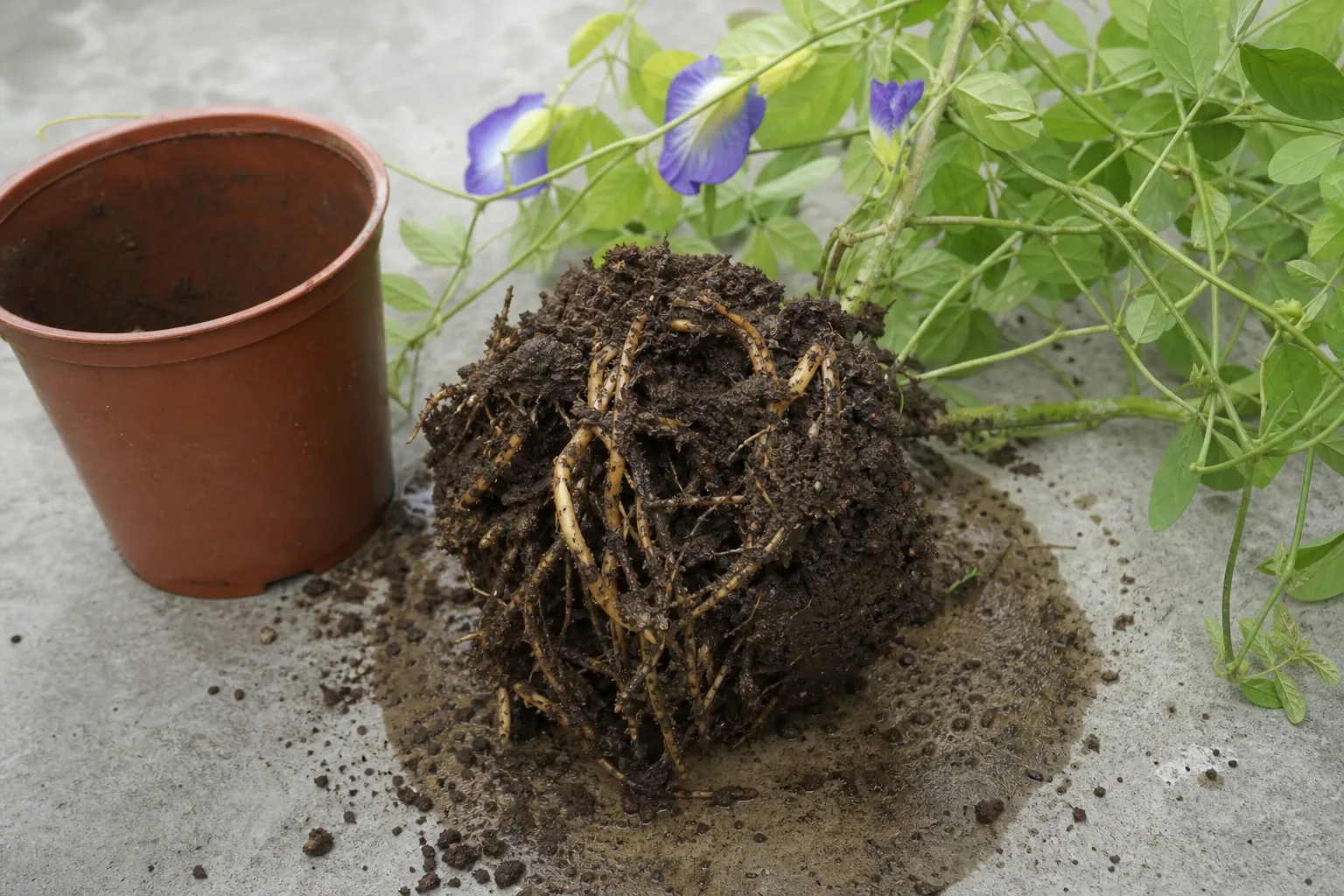
Root Rot on Aparajita: Causes, Checks & Fixes
This guide covers root rot on Aparajita. See also the general Root Rot guide, watering, and light pages for this plant.
Root Rot on Aparajita: Causes, Checks & Fixes
By sai-ananth · Reviewed by LeafyPixels Review Board · Last expert review: June 2026
Quick answer
Root rot on Aparajita (Clitoria ternatea, butterfly pea) is not a mystery fungus attacking a random houseplant-it is what happens when legume roots sit in oxygen-starved, waterlogged mix long enough to decay. Butterfly pea is marketed as drought tolerant, which makes the classic trap worse: you see limp compound leaflets and stalled tendrils, assume the vine is thirsty, and add water to soil that is already saturated.
First step: stop all watering and unpot the vine to inspect roots. Do not fertilize, mist heavily, or repot blindly into a bigger container until you know whether roots are firm or mushy. On a twining butterfly pea in a trellised pot, lower leaflets often yellow while upper growth still looks acceptable for a while-underground failure hides behind healthy-looking tendrils.
Scope note: This page is the confirmed root and crown rot hub for container butterfly pea-not chronic wet-soil habits alone (overwatering) or acute wilt triage (wilting).
Root rot vs. wilting vs. overwatering on butterfly pea
These three pages overlap because wet soil causes all of them-but the fix order differs:
| Situation | Start here | Escalate to root rot when |
|---|---|---|
| Limp vine, unsure if soil is wet or dry | Wilting guide - wet-vs-dry fork first | Mushy roots, sour smell, or soft stem base on inspection |
| Heavy pot, damp mix, no mush yet | Overwatering guide - dry-down and drainage fix | Roots turn brown and slimy after 48–72 hours on corrected schedule |
| Confirmed mushy roots or crown softening | This page - trim, repot, salvage cuttings | N/A - you are already at the rot protocol |
Yellow lower leaflets without confirmed mush may belong on the yellow leaves guide until root texture proves otherwise.
What root rot looks like on a butterfly pea vine
Early rot is easy to miss because the sky-blue flowers and compound foliage can stay attractive while roots fail below the soil line. Watch for this progression on a climbing legume vine:
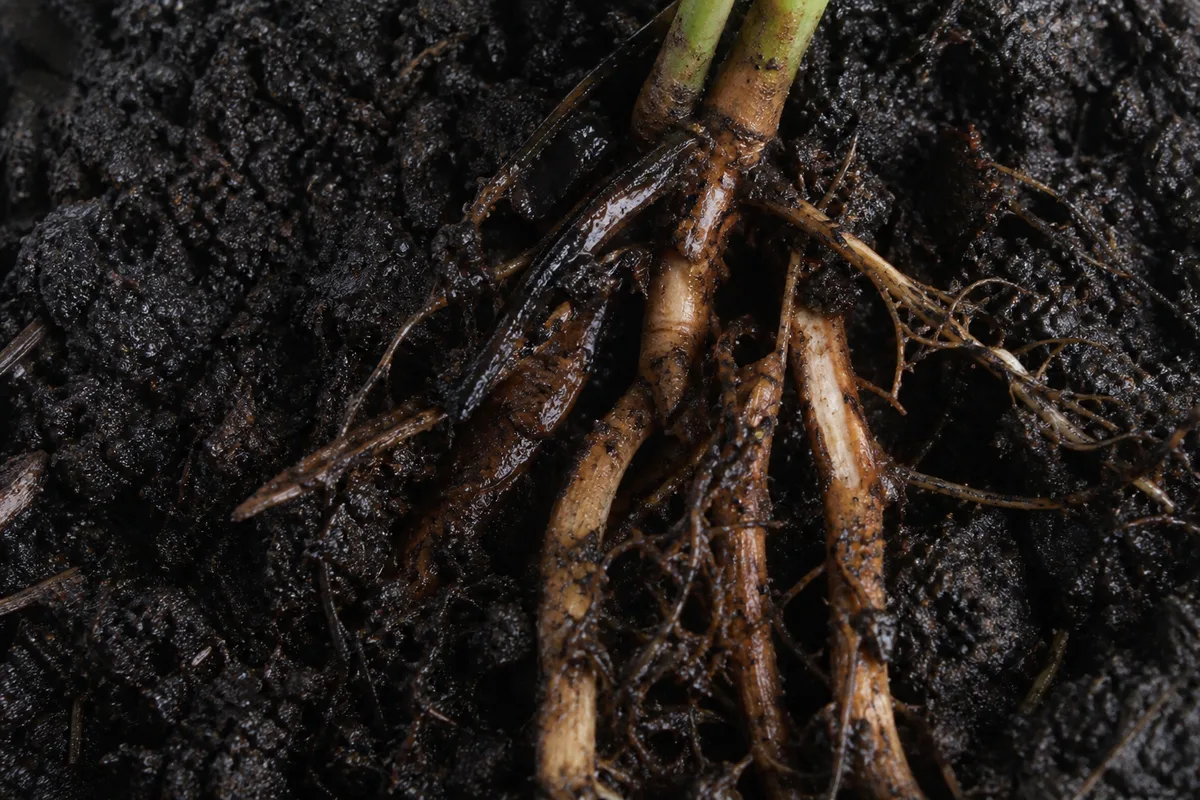
Root Rot symptoms on Aparajita - compare with healthy tissue on the same plant.
Early signs
- Lower compound leaflets yellow first, often on the oldest leaves near the pot, while newer tendrils at the top still look green for a time
- Stalled or limp twining stems even though the pot feels heavy and surface mix stays cool and dark
- Flower buds form and abort before opening-a moisture-stress signal that overlaps with both drought and root failure, so confirm with soil and roots
Moderate signs
- Soft or brown tissue at the stem base where the vine meets the mix, especially on young plants with a single main stem
- Sour or swampy smell from the drainage hole or when you lift the pot
Advanced signs
- Collapsed stems, blackened tissue spreading up the base, and leaflets that turn brown and drop in clusters rather than one at a time
Photo check (roots): After rinsing old mix away, healthy butterfly pea roots look firm, white to tan, and may carry small pale nodules that resist gentle pressure. Rot shows as brown or translucent segments that smell sour, slip off when rinsed, or disintegrate between your fingers. Original macro photo pending for a future update.
Photo check (wet-soil wilt): Lower compound leaflets fold and droop while the pot still feels heavy and cool-the vine looks thirsty in soil that is already wet. Original symptom photo pending for a future update.
Butterfly pea wilts with wet soil because rotting roots lose the ability to absorb water even when the mix holds moisture. That paradox-thirsty-looking foliage in a soggy pot-is one of the strongest clues that you are dealing with root failure, not underwatering. For the full wet-vs-dry wilt workflow, see the wilting guide; this page focuses on confirmed or suspected root decay.
Why Aparajita gets root rot - legume vines and waterlogged mix
Overwatering and slow drainage
Overwatering in slow-draining soil is the main cause. Clitoria ternatea prefers well-drained, dry to slightly moist soil-not constant saturation. Field sources note the species will not tolerate flooding or waterlogging, even though it can survive short dry spells and tolerates brief flooding in some trials. When mix holds water too long, roots suffocate and decay organisms move in.
Legume biology and nitrogen nodules
Butterfly pea is a trailing vine in the bean family (Fabaceae) that partners with rhizobium bacteria to fix nitrogen, and healthy roots may show small firm nodules. Those nodules are not rot-but mushy, foul-smelling roots without structure are. Do not confuse nitrogen nodules with decay; firm nodules resist gentle pressure, while rotten tissue collapses.
Container vines, monsoon humidity, and winter slowdown
Container vines on trellises trap moisture at the base. A climber on an obelisk or balcony railing often looks fine at the top while the bottom third of the pot stays wet. Water runs to the lowest point; saucers and cachepots keep that zone submerged.
Monsoon and high-humidity periods slow evaporation. Outdoor pots receive rain while ambient humidity stays high; the surface may dry between showers while the core stays anaerobic for a week. Suspend calendar watering until your finger or a skewer shows genuinely dry mix in the upper third of the pot.
Oversized pots hold a wide ring of wet soil around a small root ball. Rot often starts in that permanently damp outer zone before tendrils show obvious stress. Right-size decorative containers to the trimmed root mass after rescue-not to how tall the trellis is.
Winter slowdown increases risk. In cool months or when overwintered indoors, butterfly pea uses water slowly. A summer watering rhythm through December keeps mix saturated while growth stalls. Cool soil plus excess water is a common rot trigger on container vines.
Blocked drainage and standing saucer water keep bottom roots submerged. Aparajita should never sit in runoff after bottom-watering.
Young single-stem vs. established multi-stem vines
A young butterfly pea with one main stem has little crown reserve-softening at the soil line can kill the whole plant within days. Established vines with several firm stems from the base may survive aggressive root pruning if at least one stem stays solid above the rot line. Start stem cuttings early on single-stem plants when the base feels questionable, even before you finish trim surgery.
In-ground tropical perennials vs. container vines
In frost-free tropical zones, butterfly pea often grows as a perennial in well-drained garden soil with natural drainage through the profile-brief monsoon rain rarely causes the same anaerobic pocket that a saucer-filled balcony pot does. Container growers and overwintered indoor vines face higher rot risk because mix volume is small and evaporation is slower. Do not copy in-ground watering advice for a potted trellis vine without checking your own pot weight and root texture.
Lookalike symptoms to rule out
Not every yellow leaflet or limp tendril means rot. Sort these patterns before you unpot:
| What you see | Likely cause | Quick check | Urgency |
|---|---|---|---|
| Limp vine, dry upper mix, light pot | Underwatering | One deep base soak; recovery within hours if roots are firm | Act today - soak, then normal rhythm |
| Yellow lower leaflets, wet heavy pot, sour smell | Root rot | Unpot and inspect root texture | Unpot same day |
| Midday wilt, firm by evening, damp soil | Heat stress | Do not water until next-morning dryness check | Monitor - see wilting |
| Pale leaflets, slow growth, firm roots | Low light or nitrogen stress | More sun; soil test before assuming rot | Monitor - see light guide |
| Stippled leaflets, webbing on undersides | Spider mites | Rinse undersides; not rot | Treat pests - isolate vine |
| Limp stems, heavy pot, no mush yet | Overwatering | Dry-down first; unpot if decline continues | Dry-down 48 h - escalate if sour |
If the pot stays heavy for a week after watering and lower leaflets keep yellowing, root inspection is warranted regardless of how green the upper tendrils still look. Cross-check drooping leaves when limpness is your first noticed symptom without obvious yellowing.
How to confirm root rot on Aparajita
Work through this inspection in order:
- Lift the pot. A heavy, waterlogged feel days after the last drink suggests saturation, not drought.
- Smell the drainage hole. A sour or rotten odor means anaerobic conditions in the root zone.
- Probe the upper third of the mix. Butterfly pea should be watered when this zone dries-not while it stays constantly damp. Use a finger or bamboo skewer rather than judging surface color alone.
- Gently slide the vine out. Knock the pot or squeeze a flexible nursery container to release the root ball without yanking twining stems.
- Rinse away old mix under lukewarm running water so you can see root color, nodules, and texture clearly.
- Press roots gently. Healthy legume roots are firm, white to tan, and resilient. Small firm nodules may be present. Rotten roots are brown, translucent, or slimy and may fall apart between your fingers.
- Inspect the stem base where the vine enters the soil. Soft brown tissue here confirms advanced rot even if upper stems still look acceptable.
Confirmed rot means mushy roots, sour-smelling mix, or soft tissue at the stem base-not just one yellow leaflet on an otherwise stable vine.
Nodule vs. rot decision table
| Feature | Healthy root | Nitrogen nodule | Root rot |
|---|---|---|---|
| Color | White to tan | Pale pink or tan | Brown, black, or translucent |
| Texture | Firm, springy | Firm, attached | Mushy, hollow, or slimy |
| Smell | Neutral or earthy | Neutral | Sour or rotten |
| Under rinse | Stays intact | Stays attached to firm root | Slips off or disintegrates |
| Action | None | None - normal on Fabaceae | Trim back to firm tissue; repot |
First fix for Aparajita
Stop all watering immediately. This single action prevents further oxygen loss while you prepare for root surgery. Move the plant to bright indirect light-not harsh midday sun on a stressed vine, but enough brightness that mix will dry predictably once you repot.
Do not fertilize, apply fungicide to unchanged wet soil, or repot into an even larger container. Your next step after the pause is unpotting and trimming decay-but letting a chronically wet root ball air for a few hours before trimming often makes mushy tissue easier to identify.
Step-by-step recovery
Once you confirm rot, work through these steps in order:
Trim decayed roots
Use clean, sharp scissors or pruners sterilized with rubbing alcohol. Cut away every brown, soft, or hollow root back to firm tissue. It is normal to remove a significant portion on a badly overwatered vine. Dispose of trimmed material in the trash, not the compost bin.
Let cut surfaces dry briefly
After trimming, let the root ball air for one to two hours on a paper towel. This reduces reinfection risk when you repot into fresh mix.
Repot into fresh, airy mix
Choose a clean pot with drainage holes sized to the trimmed root mass-not dramatically larger. Use well-draining potting mix amended with perlite or coarse sand per our soil guide. Butterfly pea tolerates clay, loam, and sand in the ground but container vines need faster drainage than garden soil provides.
Set the vine at the same depth it grew before. Do not bury stems deeper to prop up a wobbly plant-legume crowns buried in wet mix rot faster.
Water once, then wait
Water lightly at the base to settle the new mix, then hold the next drink until the upper inch of mix feels dry-often seven to ten days on a freshly repotted, root-reduced vine. Hold all fertilizer for at least three to four weeks until you see stable new tendril growth.
Improve light and airflow
Place the recovering vine in full sun if temperatures allow-not scorching heat on a root-reduced plant, but enough light that the mix dries on schedule. Gentle airflow helps the surface dry without chilling the plant. See the light guide for balcony placement targets.
Stem-cutting salvage if the crown fails
If the main stem base is soft but upper growth is still firm, take stem cuttings as backup while you treat the parent. Cut 10–15 cm sections from healthy stems, remove lower leaflets, and root in water or moist perlite. Butterfly pea roots readily from stem nodes-see the propagation guide for timing. This is a salvage step when crown tissue is failing-not a first response to mild yellowing.
Recovery case note: On a trimmed balcony vine in active summer growth, firm new tendrils often appear within three to six weeks after repot-while stem cuttings rooted in moist perlite over ten to twelve days can serve as insurance when the main base was borderline soft.
Recovery timeline
Mild cases with mostly firm roots may stabilize within one to two weeks after you correct watering and improve drainage. Moderate cases needing root pruning typically show the first firm new tendril or leaflet in three to six weeks during active growth season.
Judge success by new tendril growth and root firmness, not by old yellow leaflets turning green-they will drop or stay discolored. Severe crown rot where the stem base is black and mushy is often fatal on a young single-stem vine; propagation from healthy upper growth may be the only save.
Signs the vine is improving: the pot lightens between waterings on a normal schedule, new tendrils emerge firm and green, and roots you spot through drainage holes look pale and solid.
Signs it is worsening: stem softening spreads upward, leaflets collapse in waves despite dry soil, or the mix smells sour again within days of repotting.
What not to do
Do not keep watering because leaves look wilted when soil is already wet-that accelerates rot on butterfly pea.
Do not apply fungicide to the soil without removing mushy roots and fixing drainage. Chemicals cannot restore oxygen to waterlogged mix.
Do not repot into garden soil, a pot without holes, or a decorative cachepot that holds standing water.
Do not fertilize a root-damaged vine hoping to boost recovery. Salt stress hits weakened roots hardest.
Do not assume African violet bottom-watering rules or rosette-houseplant advice apply to a twining legume without checking your own soil dryness in the upper third of the pot.
Do not bury the stem deeper when repotting a wobbly vine.
Do not treat edible-flower vines with kitchen remedies-fix culture and trim decay; see the overview for harvest timing after recovery.
How to prevent root rot on butterfly pea next time
Prevention comes down to matching water to how fast your pot actually dries in your climate:
- Water when the upper inch of mix is dry, not on a fixed calendar. In winter or humid monsoon stretches on a Mumbai or Chennai balcony, that may mean watering every one to two weeks instead of every few days. Follow the three-check rhythm in our watering guide.
- Use perlite-amended mix from the soil guide and a pot with open drainage. Empty saucers within thirty minutes of watering.
- Right-size the container to the root mass. Avoid oversized decorative pots that trap moisture around unused soil.
- Pause manual watering during heavy rain on outdoor balcony vines; confirm dryness before resuming.
- Reduce frequency in cool months when growth slows and mix stays wet longer.
- Water at the base, not overhead, to reduce bacterial soft rot and fungal issues that compound wet-soil stress.
When to worry - escalation summary
| Situation | Action |
|---|---|
| Firm roots, damp mix, no sour smell, crown solid | Dry-down only - overwatering guide; unpot if decline continues |
| Partial mushy roots, firm crown | Trim-and-repot today - follow recovery steps above |
| Most roots mushy, firm upper stems | Propagation salvage - stem cuttings while tissue is still firm |
| Soft crown spreading, black stem base | Emergency - aggressive trim same day; cuttings backup; discard if no firm tissue remains |
Treat root rot as urgent when the crown feels soft, more than a third of roots are mushy on inspection, tendrils stop elongating while soil stays wet, or multiple stems collapse within a few days. At that stage, trim aggressively, repot the same day, and start stem-cuttings backup from any firm shoots above the rot line.
If only one bottom leaflet yellows over months and roots are firm when you check, you likely have normal aging or mild overwatering-not an emergency repot. For wet-soil wilt without confirmed mush, start with the wilting guide same-day unpot threshold.
Related Aparajita problems
Scope note: This page covers confirmed mushy roots and crown decay-not wet soil before rot is proven.
- Aparajita overview - Legume biology, edible flowers, and culture hub
- Wilting - Acute wilt wet-vs-dry fork before confirmed rot
- Overwatering - Chronic wet-soil patterns upstream of rot
- Underwatering - Light dry pot and thirst rescue
- Yellow leaves - Lower-leaf chlorosis on chronic wet mix
- Drooping leaves - Limp stems without obvious yellowing
- Watering - Dry-check rhythm and seasonal intervals
- Soil - Perlite-amended mix for recovery repot
- Propagation - Stem-cutting salvage when crown fails
- Repotting - Pot sizing after trim surgery
FAQs
Are the bumps on my butterfly pea roots rot or nitrogen nodules?
Firm pale or pinkish nodules that resist gentle pressure and stay attached to white, springy roots are rhizobium nitrogen-fixing structures-normal on Fabaceae vines. Mushy brown or translucent segments that smell sour, slip off when rinsed, or collapse between your fingers are rot. If unsure, rinse the root ball and compare texture and odor before trimming.
Is butterfly pea root rot the same as wilting?
Wilting is the visible symptom; root rot is one cause. Wet-soil wilt on Aparajita means damaged roots cannot move water even though the mix holds moisture. Use the wilting guide for the wet-vs-dry fork first; return here when inspection shows mushy roots, sour smell, or soft tissue at the stem base.
Why does my butterfly pea wilt when the soil is wet?
Wet-soil wilt means damaged roots cannot move water to compound leaflets even though the mix holds moisture-a classic root-rot pattern on Clitoria ternatea. Stop watering, empty the saucer, and inspect roots before adding more water. Brief field flooding tolerance does not mean a soggy balcony pot is safe.
Can I save Aparajita from root rot with stem cuttings?
Yes, if upper stems are still firm when the crown or base roots fail. Take 10–15 cm cuttings from healthy growth, remove lower leaflets, and root in moist perlite or water while you treat the parent. See the propagation guide for node placement-this is salvage, not a substitute for fixing drainage on the main vine.
How do I prevent root rot on Aparajita next time?
Water when the upper inch of mix feels dry-not on a calendar-and use well-drained potting soil in a pot with open drainage. Empty saucers within thirty minutes, reduce watering in cool winter months, and avoid cachepots that trap standing water around climbing vines. The watering guide covers seasonal rhythm for Indian balcony growers.
When to use this page vs other Aparajita guides
- Aparajita watering guide - Use for routine moisture checks before assuming root rot is the main issue.
- Aparajita problems hub - Browse all 16 common issues on this species.
- Overwatering on Aparajita - Different entry point when symptoms overlap with root rot.
- Yellow Leaves on Aparajita - Different entry point when symptoms overlap with root rot.
- Wilting on Aparajita - Different entry point when symptoms overlap with root rot.