How to Propagate Aparajita (Clitoria ternatea): Seeds &
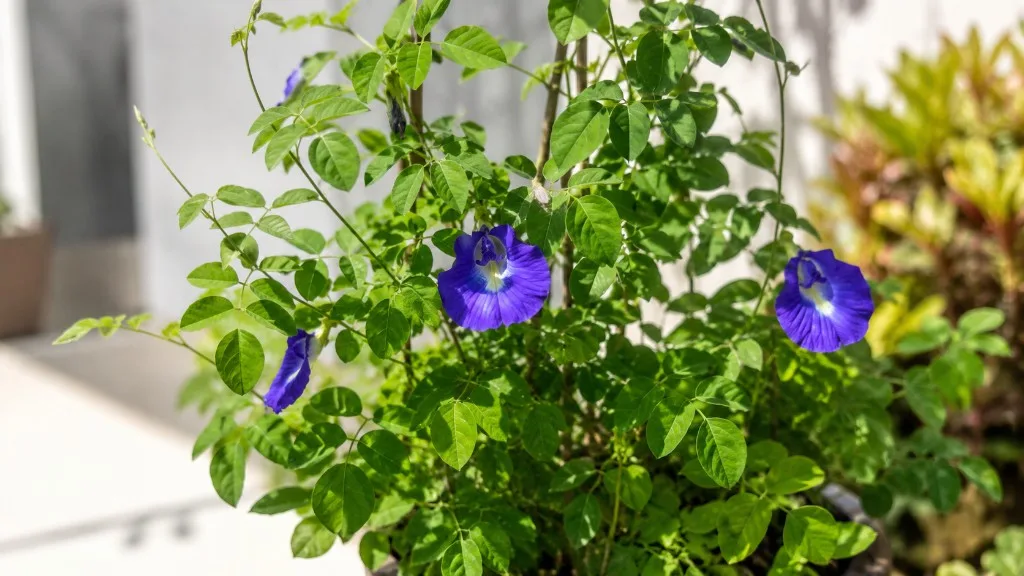
How to Propagate Aparajita (Clitoria ternatea): Seeds & Cuttings
How to Propagate Aparajita (Clitoria ternatea): Seeds & Cuttings
Author: sai-ananth · Reviewed by LeafyPixels Review Board · Updated 2026-06-15
Aparajita propagation starts with a hard-coated legume seed and a twining vine that roots from firm stem sections - not with the casual “stick it in water” workflow that works on pothos. Clitoria ternatea (butterfly pea, Asian pigeonwings) carries a water-impermeable seed coat that will sit dormant for weeks unless you scarify and soak, and it clones reliably only from semi-hardwood cuttings taken during active growth. This dedicated guide goes deeper than the propagation summary in our Aparajita overview - with a method comparison table, rhizobium guidance for seedlings, and step-by-step workflows for both routes.
Quick Answer: Seeds vs. Cuttings
Choose seeds when you want many plants cheaply and can scarify, soak, and wait. Nick the seed coat opposite the hilum, soak 12–24 hours, sow ½ inch deep at ~70°F (21°C), and expect radicles in 2–6 days after scarification under warm conditions. Choose cuttings when you want to clone a specific bloomer - double blue, white, or a proven balcony vine - and see flowers sooner. Take 4–8 inch semi-hardwood sections with two nodes, root in perlite or water with high humidity, and allow 4–6 weeks (sometimes 2–3 weeks in warm monsoon humidity) for roots to form.
| Factor | Seeds | Stem cuttings |
|---|---|---|
| Cost per plant | Low - one pod yields many seeds | Free if you have a parent vine |
| Genetic match to parent | Variable - seedlings may differ slightly | Exact clone of parent |
| Time to first flowers | Often one full growing season | Few months if parent already bloomed |
| Equipment | Scarification tool, heat mat helpful | Pruners, dome/bag, optional hormone |
| Best for specialty cultivars | Unreliable for white/double forms | Only dependable method for clones |
| Success rate (home conditions) | High after scarification (~80% in research trials) | Moderate - humidity and stem choice matter |
| Juvenile phase | Longer before heavy bloom | Shorter when cloned from blooming vine |
What Makes Butterfly Pea Propagation Different
Butterfly pea is not a soft-stemmed tropical houseplant that roots from any tip you pinch. It is a fast-growing twining legume in the family Fabaceae, native to tropical Asia and widely grown across India as Aparajita. Mature vines reach 10–15 feet with support. As a nitrogen-fixing legume, it partners with rhizobium bacteria in root nodules - a biological detail that affects how much fertilizer new seedlings need once established.
Hard Seed Coat Dormancy on a Twining Legume
The seed coat on C. ternatea is physically impermeable. Untreated seed may fail to absorb water for weeks. Mechanical scarification - a small nick through the coat - combined with soaking is the standard fix documented in University of Florida environmental horticulture research (bioRxiv preprint, 2022; peer-reviewed data also appear in HortTechnology). Cuttings sidestep dormancy entirely but require correct stem maturity and steady humidity.
Propagation does not rescue a dying parent. If the vine shows overwatering or root rot symptoms, fix culture first - see our watering guide - or take material only from the one healthy section remaining.
Seeds vs. Cuttings - Decision Table
Use the table above as your decision anchor, then match timing to your climate. Seeds scale for balcony rows, school projects, and filling a trellis cheaply. Cuttings win when you already have a spectacular bloomer and want the same flower form on a second pot before the season ends.
Documented home trial (June 2025, Delhi balcony, 32°C days / 70% humidity): Twelve store-bought butterfly pea seeds were nicked opposite the hilum, soaked 18 hours, and sown in cocopeat-compost mix on a heat mat set to 21°C. Ten swelled during soaking; ten radicles emerged by day 4; two seeds failed to swell and were discarded. This aligns with the ~81% germination capacity reported in the Campbell et al. preprint for scarified-and-soaked seed at 21°C substrate temperature - though home trays are less controlled than research rockwool setups.
Best Timing for Propagation
Propagate during active growth when temperatures sit roughly 65°F–95°F (18°C–35°C) with warm nights above 60°F (16°C). UF/IFAS Gardening Solutions recommends starting seeds indoors six to eight weeks before the last frost in temperate regions.
Temperate, Tropical, and Monsoon Seasons
In India and other tropical regions, pre-monsoon and monsoon months favor stem cuttings because ambient humidity reduces wilting under propagation domes. For seeds in short-season climates, start indoors 8–10 weeks before last frost and transplant only when soil stays above ~65°F (18°C).
Avoid propagating immediately after repotting, during pest outbreaks, or while the parent is heat-stressed. Wait until the vine pushes firm new growth for two weeks, then cut.
Tools, Containers, and Growing Media
For seeds: seed tray or small pots with drainage, seed-starting mix or cocopeat-compost blend, nail clippers or razor for scarification, soaking cup, labels, optional heat mat.
For cuttings: sharp pruners (wiped with alcohol), 4–6 inch pots, perlite or sand mixed with compost, rooting hormone (optional), clear bag or dome, spray bottle.
Media: Seeds germinate well in airy cocopeat-compost (common in Indian home gardening) or commercial seed mix. Cuttings prefer 50:50 perlite and peat, or perlite with sandy compost - similar drainage principles as our Aparajita soil guide recommends for established plants. Avoid heavy garden clay for either method.
Growing Aparajita from Seeds
Seed propagation is the most scalable route - and where most beginners fail by skipping scarification.
Collecting and Storing Pods
Let pods mature and dry on the plant. Green pods hold immature seed. Ripe pods turn brown and brittle; collect before they shatter. Finish drying indoors on paper for a few days, then shell the flattened hard seeds. Store in a paper envelope in a cool, dark place. Legume seed stays viable several years when dry, though fresher lots germinate faster after scarification.
Scarification and Soaking
Aparajita seed dormancy is physical - the coat blocks water. The research-backed workflow:
- Hold the seed and locate the hilum (attachment scar).
- Nick the coat opposite the hilum with nail clippers or a razor until pale inner tissue shows. You are breaching the coat, not crushing the embryo.
- Soak nicked seeds in room-temperature water 12–24 hours. Viable seeds swell; discard any that stay hard and unchanged.
- Sow immediately - do not let scarified seed dry out again.
A 2022 University of Florida preprint on bioRxiv (not yet peer-reviewed at time of posting; confirmatory data published in HortTechnology 30(3)) reports ~81% germination capacity when seed was nicked, soaked 24 hours, and germinated at 21°C (70°F) substrate temperature, with mean radicle emergence near 2 days. Sandpaper abrasion is an alternative if you prefer not to cut - file gently until the coat is thin at one spot, then soak.
For home growers, nick-and-soak is safer than chemical scarification with acids; extension legume guides emphasize mechanical methods for small batches.
Sowing, Germination, and Seedling Care
Sow ½ inch (1–1.5 cm) deep in moist, well-draining medium. UF/IFAS suggests spacing seeds several inches apart in trays or one to two per small pot. Cover lightly, water gently, and hold substrate near 70°F (21°C) with bright light.
Expect radicles in 2–6 days after scarified sowing under optimal warmth; true leaves follow in two to three weeks. Provide a small stake or trellis early - seedlings twine quickly. Harden gradually before full sun; see our light guide for seedling placement targets (bright light, acclimate to 5–6 hours direct sun for best future flowering).
Rhizobium Inoculation for Legume Seedlings
Aparajita fixes nitrogen through root nodules once rhizobium bacteria colonize the roots. In fresh potting mix or containers that have never grown legumes, inoculation can speed establishment - though many gardeners succeed without it on moderately fertile mix.
Colorado State University Extension explains that each legume species needs a compatible rhizobia strain applied at planting, kept cool and shaded until sowing. For home batches: coat scarified, soaked seed with a legume inoculant powder labeled for your crop type (check the package for butterfly pea or compatible legumes), plant within hours, and avoid exposing inoculated seed to direct sun. USDA NRCS guidance notes that correct strain choice maximizes nodulation.
Inoculation is optional for ornamental balcony pots on compost-enriched mix - but worth trying if seedlings stay pale despite good light and watering. Do not substitute high-nitrogen fertilizer for nodulation; excess nitrogen can reduce flowering on this legume.
Propagating from Stem Cuttings
Cuttings clone the parent - essential for double-flowered or white forms that do not breed true from seed.
Selecting Semi-Hardwood Material
Choose a healthy, actively growing vine. Best cuttings come from semi-hardwood - stems firm enough to resist bending sharply, not soft green tips. Missouri Botanical Garden describes butterfly pea as a twining legume vine preferring full sun and well-drained soil.
Cut 4–8 inches (10–20 cm) with at least two nodes. Slice just below the lower node at a slight angle. Strip leaves from the lower half; keep one or two leaves on top, halved if large to reduce water loss. Work fast - wilting cuttings root poorly.
Rooting in Soil, Perlite, or Water
Soil/perlite: Moisten medium to wrung-sponge dampness. Dip cut end in rooting hormone (optional but helpful on woody legume stems), insert 1–2 inches so the lower node is buried, firm gently, and cover with a vented humidity bag or dome in bright indirect light. Keep medium lightly moist. Roots typically form in 4–6 weeks at 70–80°F (21–27°C); warm monsoon humidity can shorten this to 2–3 weeks.
Water rooting: Submerge the lower node in a clean glass, change water every few days, transplant when roots reach 1–2 inches. Soil roots are sturdier than water roots - keep humidity high the first week after transplant.
Home cutting trial (July 2025, same Delhi balcony): Six semi-hardwood cuttings in perlite-compost under a vented bag rooted in 18 days during monsoon humidity; two soft-tip cuttings from the same vine rotted by day 10 - confirming that stem maturity matters more than cutting length.
Aftercare for New Plants
The first 4–6 weeks after germination or rooting demand stability, not excitement. Keep soil evenly moist, never soggy - the pattern in our watering guide (allow top 3 cm to dry between drinks) applies once roots are established, but young plants need more consistent moisture at first.
Hold fertilizer until new growth is obvious; then a light half-strength feed after four weeks is enough. Install a trellis early - Aparajita twines by wrapping stems around thin supports. Bright light prevents leggy seedlings; insufficient light is a common reason new vines fail to bloom later.
Watch for rot during humid propagation - if soil smells sour, see overwatering diagnostics and improve drainage per the soil guide.
Common Propagation Mistakes
Skipping scarification - seeds sit dormant for weeks. Re-nick, soak, and re-sow rather than waiting indefinitely.
Using soft tip cuttings - they rot before rooting. Take firmer semi-hardwood lower on the vine.
Overwatering - mushy stems at the base mean rot. Discard, sterilize the pot, restart with drier medium and better airflow.
Too little humidity on cuttings - leaves collapse even when soil is wet. Tighten the dome, trim leaves, mist mornings only.
Propagating sick parents - pests and root problems multiply. Clear aphids or cultural issues before taking cuttings.
Expecting instant blooms from seedlings - seed-grown vines often need most of a season before a serious flower flush. Cloned cuttings from blooming parents flower sooner but still need establishment time.
Transplanting and Hardening Off
Transplant when seedlings have several true leaves and roots hold the plug together, or when cuttings show a gentle tug resistance and new top growth. Harden off over 7–10 days: increase direct sun an hour at a time, reduce dome time, and watch for scorch.
In ground, space 2–3 feet along a trellis. In pots, use at least a 12-inch container with support installed at planting. Aparajita is reliably perennial in USDA zones 10–12; treat as annual or move pots indoors before frost in cooler zones. The Herb Society of America recommends soaking and scarifying seed before warm-season sowing - the same principles apply when moving seedlings outdoors after indoor starts.
Where to Go Next
Propagation is the start of the care arc, not the finish. For ongoing culture:
- Aparajita overview - full care context, aliases, and pet-safety notes
- Light - sun hours for flowering vines
- Watering - moisture rhythm after transplant
- Soil - mix and drainage for containers
- Fertilizer - when to feed established vines
- Repotting - when to size up from propagation pots
Conclusion
Match the method to your goal: scarified seeds for volume, semi-hardwood cuttings for clones and faster color - then keep the first month warm, bright, and steadily moist while roots establish.
When to use this page vs other Aparajita guides
- Aparajita overview - Start here for whole-plant context before deep-diving this topic.
- Aparajita problems hub - Jump to symptom-specific fix guides when this care topic does not resolve the issue.