Slow Growth on Stromanthe Triostar: Causes, Checks & Fixes
Quick answer
Slow growth on Stromanthe Triostar usually means the plant is not getting enough usable light, roots are stressed, or it is in natural winter rest-not a lack of fertilizer. First step: move it to brighter filtered light and confirm the pot dries at a steady pace before changing anything else.
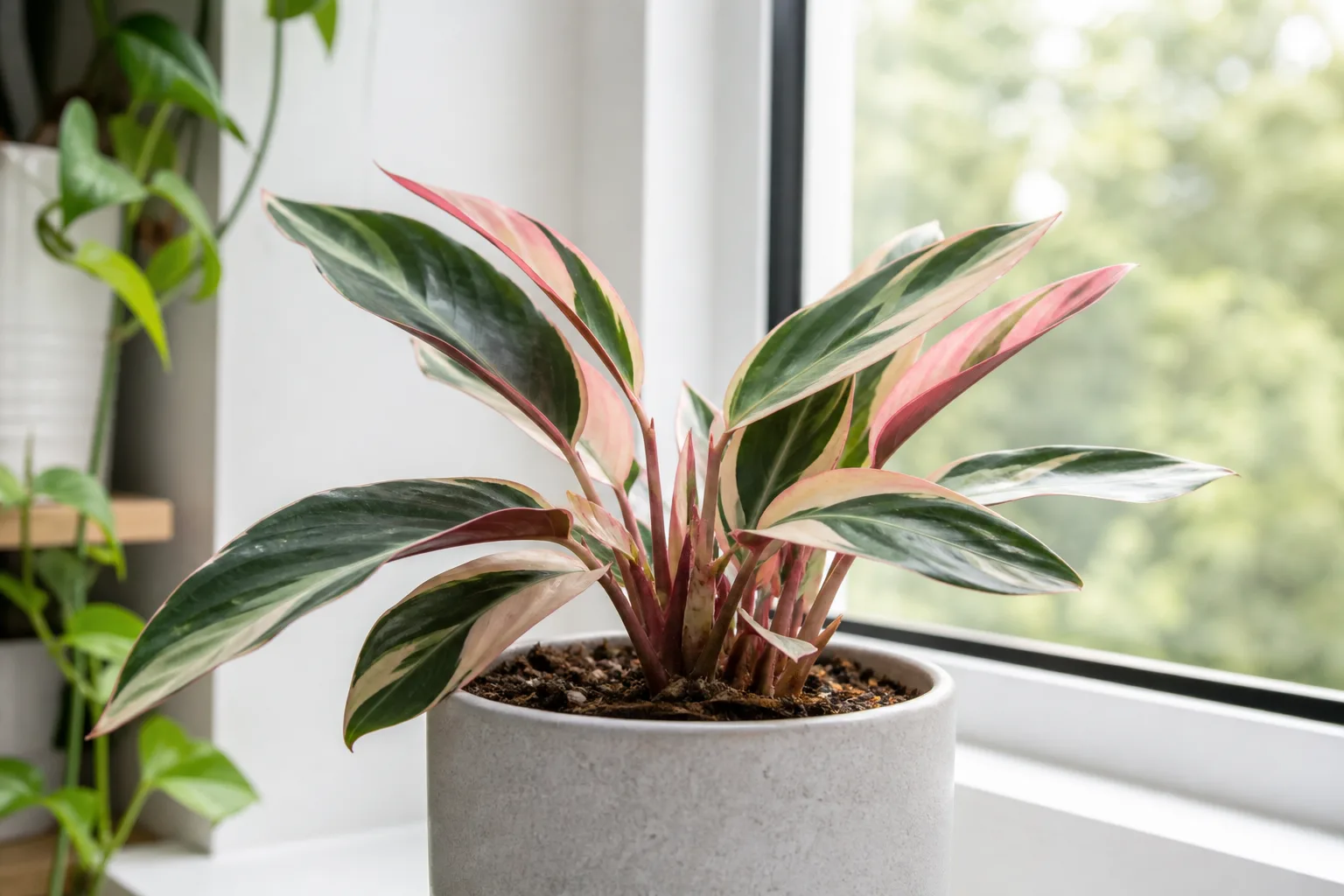
Slow Growth on Stromanthe Triostar: Causes, Checks & Fixes
This guide covers slow growth on Stromanthe Triostar. See also the general Slow Growth guide, watering, and light pages for this plant.
Slow Growth on Stromanthe Triostar: Causes, Checks & Fixes
Quick answer
Stromanthe Triostar (Stromanthe thalia ‘Triostar’) is a Marantaceae prayer plant built for warm, humid rainforest conditions-not dim, dry indoor corners. When growth stalls, the cause is usually not enough bright filtered light, inconsistent moisture at the roots, cool room temperatures, or natural winter rest. Heavy fertilizer rarely fixes a plant that cannot photosynthesize or drink properly.
First step: move the pot to brighter filtered light-within a few feet of an east window or behind a sheer curtain on a brighter exposure-and watch whether new rolled spears appear over the next two to three weeks. Do not repot, prune hard, or feed until you know light and root moisture are stable.
What slow growth looks like on Stromanthe Triostar
Healthy Triostar grows from the center as tightly rolled spears that unfurl into long lance-shaped leaves with cream, pink, and green panels. Slow growth means that pipeline stops or shrinks:
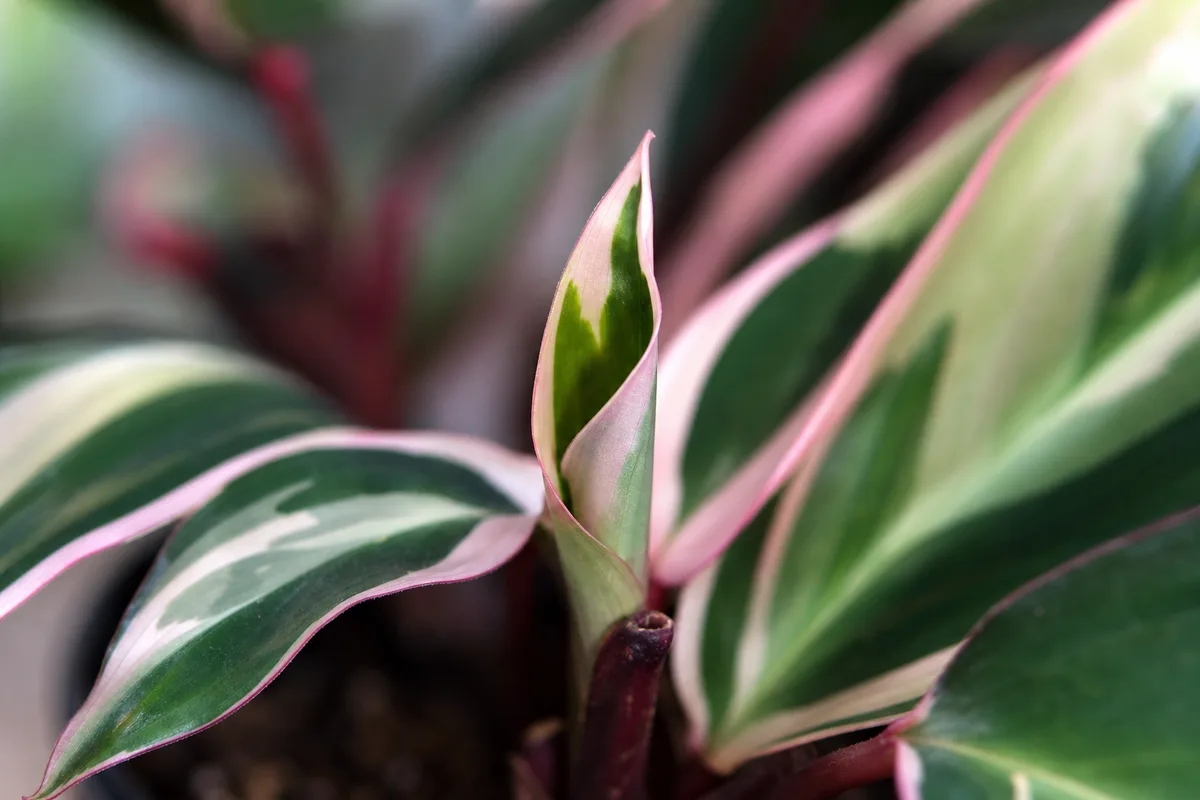
Slow Growth symptoms on Stromanthe Triostar - compare with healthy tissue on the same plant.
- No new spears for many weeks during warm months when you would expect steady foliage
- Smaller new leaves than the mature baseline on the same plant
- Fading variegation-new growth comes out mostly green instead of pink and cream
- Static clump size-same number of stems and no increase in height for a full active season
- Old leaves look fine while nothing fresh opens from the crown
This is different from normal winter rest. Prayer plants in this family often slow when days shorten and rooms cool. Seasonal rest still leaves firm leaves, no sour soil smell, and no widespread pest webbing. The plant simply waits for brighter, warmer weeks before pushing spears again.
Slow growth is also different from acute decline. Yellowing lower leaves, mushy stems at soil line, or crispy tips on every new spear point to watering, humidity, or pest crises-not a mild growth bottleneck.
Why Stromanthe Triostar gets slow growth
Triostar is less tolerant of neglect than tougher foliage plants. Each cause below ties directly to how Stromanthe Triostar overview uses light, water, and humidity.
Insufficient bright filtered light
This is the most common indoor trigger. Missouri Botanical Garden notes that variegated stromanthe performs best in light or dappled shade and that foliage burns in direct sun- but too little light still limits growth. Variegated leaves have less chlorophyll per area; the plant needs more photons to build new tissue. In dim placement, Triostar often survives while spears stop and pink/cream panels fade to green.
Root stress from wet or dry swings
Triostar wants evenly moist, well-drained mix-not bone-dry cycles and not soggy peat in a dark corner. Chronic underwatering on Stromanthe Triostar forces the plant to prioritize survival over new leaves. overwatering on Stromanthe Triostar in low light damages fine roots, so uptake slows even though the soil feels wet. Both patterns stall spears before older foliage looks catastrophic.
Low humidity and cool temperatures
Native to Brazilian rainforests, Triostar prefers warm temperatures above about 65°F and high humidity. Dry winter air or cold drafts near windows suppress metabolic rate. The plant may hold existing leaves while new tips brown or fail to expand-growth energy goes to repairing leaf edges instead of opening spears.
Root-bound or exhausted potting mix
Moderate growers still need room for new roots. When roots circle densely, dry the pot in a day, or push through drainage holes, the plant has less efficient uptake. Old peat that has collapsed also holds uneven moisture. Growth pauses even when top leaves look acceptable.
Seasonal dormancy (normal)
From late fall through early spring, shorter photoperiod and cooler indoor temps naturally reduce spear frequency. Wisconsin Extension recommends allowing soil to dry slightly more between waterings in cooler, darker months. That is not a problem to force-expect slower output until light and warmth return.
Hidden pests sapping vigor
Spider mites thrive in the dry air Triostar hates. Low-level infestations on leaf undersides can drain vigor before you see obvious webbing. Mealybugs at the crown have a similar effect. Stalled growth plus stippled undersides or sticky residue warrants inspection before you change light or feed.
How to confirm the cause
Work through these checks in order. Each step narrows the bottleneck without stacking unnecessary fixes.
- Season and room temperature - Is it late fall or winter? Are night temps dropping below 65°F near the pot? Seasonal rest is likely if leaves stay firm and soil cycles normally.
- Light quality - Can you read comfortably without a lamp at the plant’s position mid-day? Triostar needs bright indirect light; a distant north exposure or deep interior shelf is often too dim for active growth.
- Variegation on newest leaves - Mostly green new spears strongly suggest insufficient light, not fertilizer lack.
- Pot weight and soil moisture - Lift the pot. Heavy and wet days after watering in dim light suggests root stress from overwatering. Very light, dry throughout suggests drought cycles.
- Root check (if soil smells sour or spears stall in summer) - Slide the root ball out gently. Healthy roots are pale and firm. Brown mushy roots confirm rot-related stall; a solid root mat circling the pot confirms binding.
- Humidity context - Are heat vents, radiators, or dry winter air hitting the plant? Crispy new tips with no spears point here.
- Pest scan - Inspect leaf undersides and folded spears with a hand lens for mites, mealy cottony clusters, or fine webbing.
If light is adequate, moisture is stable, roots are firm, and the calendar says spring, yet spears still fail, repot timing or a mild feed during active growth may help-after the basics check out.
First fix for Stromanthe Triostar
Move the plant to brighter filtered light and leave everything else alone for two weeks.
Place the pot within a few feet of an east-facing window, or set it behind a sheer curtain on a south or west exposure so leaves get bright but diffused light all day. Prayer plants in this family grow best in bright, indirect light with warm temperatures and high humidity. Rotate the pot a quarter turn weekly so spears do not lean toward one side.
Do not repot, prune heavily, or fertilize during this trial. Extra inputs on a stressed root system often worsen the stall. Watch for a new rolled spear-that is the earliest sign the plant accepted the change.
Step-by-step recovery
Once light is corrected, address remaining limits in this order based on what your checks showed:
- Stabilize watering - Water when the top inch of mix feels dry, then water thoroughly until a little drains out. Empty the saucer. Avoid letting Triostar sit in wet peat while light is still weak.
- Raise humidity - Group with other plants, use a pebble tray, or run a humidifier to keep levels above 50 percent. Mist lightly if needed, but fix the root environment first; mist alone does not restart growth.
- Warm the placement - Move the pot away from cold window glass and AC drafts. Triostar slows in temperatures below about 65°F.
- Treat pests if found - Rinse undersides with water, then apply insecticidal soap or horticultural oil per label if mites or mealybugs are confirmed. Pests must be cleared before growth resumes reliably.
- Repot in spring if root-bound or mix is exhausted - Choose a pot one size up with drainage holes and fresh peat-based, well-draining mix. Divide crowded clumps if multiple stems share a tight root ball. Repot only when the plant is not actively declining from rot.
- Feed lightly during active growth - After new spears appear and conditions stay stable for two weeks, apply balanced liquid fertilizer at half strength monthly through spring and summer. Skip feed in winter rest or on a plant that still shows root damage.
Trim only fully dead or crispy leaves. Variegated panels on old leaves do not revert once faded, but new spears can show strong color again when light improves.
Recovery timeline
Growth recovery is gradual, not instant:
- 2–3 weeks - First new spear visible after a meaningful light upgrade in warm months
- 4–6 weeks - Spear opens to full size; variegation on new leaves looks stronger
- 6–8 weeks - Noticeable increase in clump vigor if roots and humidity also improved
- Winter months - Even with better light, spear frequency may stay low until spring; that is normal
Judge progress by new spears and root firmness, not by old leaves greening up. Faded mature foliage will not regain pink panels; watch the newest unfurling leaf instead.
Lookalike symptoms
Normal winter rest - Few or no spears, firm leaves, no rot smell, slightly drier Stromanthe Triostar watering guide. Wait for spring before panicking.
Leggy growth - Stems stretch with small pale leaves reaching toward a window. That is weak light with some growth, not full stall. Fix placement before the plant invests energy in thin stems.
Drooping with wet soil - Roots may be failing even if older leaves hang on. Unpot if growth stopped and the pot stays heavy; rot needs trimming, not brighter light alone.
Crispy tips only - Often humidity or fluoride in tap water, not pure slow growth. Spears may still open but stall at half size. Filtered water and humidity help; light may already be adequate.
Post-repot pause - Triostar commonly rests two to four weeks after division or Stromanthe Triostar repotting guide while roots settle. Hold steady care; do not feed until new growth shows.
Mistakes to avoid
- Dumping fertilizer on a stalled plant - Salt buildup on stressed roots slows growth further. Fix light and moisture first.
- Repotting immediately without inspection - Unnecessary repotting breaks fragile roots and adds weeks of pause.
- Moving into direct sun - Direct sun scorches variegated panels. Bright filtered light is the target.
- Watering on a calendar regardless of light - A dim Triostar uses less water; the same schedule keeps roots wet and cold.
- Expecting summer spear rates in January - Seasonal slowdown is normal; forcing feed or repot in winter often backfires.
- Ignoring spider mites because leaves are not yellow - Mites stall growth before obvious damage spreads.
Stromanthe Triostar care cross-check
Slow growth often means one pillar of the normal routine slipped:
| Care pillar | Healthy target | Stall signal |
|---|---|---|
| Light | Bright indirect, sheer-filtered if intense | Green new leaves, no spears, leaning stems |
| Water | Evenly moist; top inch dry before rewater | Heavy wet pot in dim light, or chronic dry weight |
| Humidity | Above 50%; higher in dry homes | Crispy spear tips, stalled unfurling |
| Temperature | 65–80°F (18–27°C) | Pause near cold glass or AC vents |
| Roots | Firm, pale, room to grow | Sour smell, circling roots, mushy tips |
| Feed | Half-strength monthly in active growth only | Pale new leaves after light is clearly adequate |
Use the table to find the weakest column-not every row needs intervention at once.
How to prevent slow growth next time
Keep Triostar where bright filtered light stays consistent through seasons, shifting the pot slightly closer in winter when sun is weaker. Maintain humidity with a humidifier in dry months rather than reacting after tips crisp. Repot every one to two years in spring before roots coil tightly. Use filtered or rainwater if tap water marks leaves, since damaged tissue diverts energy from new spears. Scout undersides monthly when humidity drops. During active growth, feed lightly and only when soil moisture and light already support new foliage.
When to worry
Escalate beyond basic care fixes if:
- Mushy roots or sour soil accompany the stall-treat as root rot on Stromanthe Triostar, not slow growth alone
- No spears through an entire warm season after light, humidity, and watering were corrected
- Crown stems collapse or new spears blacken before opening
- Pest populations rebound within a week of rinsing
- Variegation loss spreads to every new leaf even in bright placement-verify you have adequate indirect light, not scorching direct sun
If the root ball is mostly mush and the crown is soft, recovery may not be possible. Take healthy divisions from any firm rhizome sections before the clump declines further.
Conclusion
Slow growth on Stromanthe Triostar is usually the plant telling you it lacks usable light, stable root moisture, or warm humid air-not that it needs aggressive feeding. Start by improving filtered light and observing spear production for two to three weeks. Stabilize watering and humidity next, then repot or feed only when checks confirm those limits. Track recovery on new rolled spears, not old faded leaves, and expect a natural pause each winter even when care is otherwise sound.
When to use this page vs other Stromanthe Triostar guides
- Stromanthe Triostar watering guide - Use for routine moisture checks before assuming slow growth is the main issue.
- Stromanthe Triostar problems hub - Browse all 17 common issues on this species.
- Not Enough Light on Stromanthe Triostar - Different entry point when symptoms overlap with slow growth.
- Leggy Growth on Stromanthe Triostar - Different entry point when symptoms overlap with slow growth.
- Yellow Leaves on Stromanthe Triostar - Different entry point when symptoms overlap with slow growth.