Watering Marble Queen Pothos: Schedule, Soil Checks &
Watering Marble Queen Pothos: Schedule, Soil Checks & Mistakes
Watering Marble Queen Pothos: Schedule, Soil Checks & Mistakes
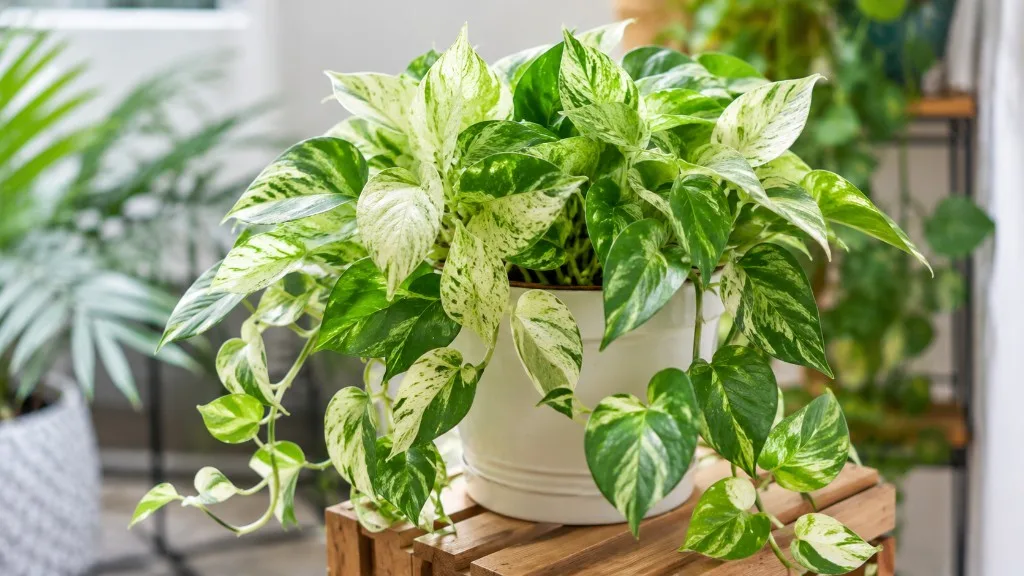
Marble Queen Pothos looks thirsty long before it actually is - and that visual trick causes more root rot on Marble Queen Pothos on variegated pothos than almost any other beginner mistake. The creamy-white marbling on Marble Queen Pothos (Epipremnum aureum ‘Marble Queen’) makes the plant appear delicate, so growers water on sympathy instead of evidence. Meanwhile, the white sectors on each leaf cannot photosynthesize; only the green tissue produces energy. Less chlorophyll means slower growth and lower water demand than solid-green Golden Pothos in the same pot and light. Pair that biology with aroid roots that need oxygen between drinks, and the correct routine is clear: check the soil, water thoroughly when the root zone is ready, drain completely, and adjust for season and light - not for how dramatic the variegated leaves look.
This guide covers moisture checks, realistic summer and winter ranges, the droop test that separates thirst from root failure, pot-material dry rates, rescue steps for overwatered and underwatering on Marble Queen Pothos plants, and the cultivar-specific signs - white-sector browning, variegation fade, slowed marbling - that tell you moisture and light are out of balance. Pair it with the Marble Queen overview, light, and soil guides when the same problem keeps returning.
Why Marble Queen Pothos Needs a Different Watering Mindset
Golden Pothos sets the baseline most houseplant guides assume: fast-growing, forgiving, drought-tolerant trailing vine. Marble Queen shares the same species and root biology, but the cultivar changes the math. You are managing a slow-to-moderate grower with significant non-photosynthetic leaf area. That combination makes overwatering on Marble Queen Pothos the default failure mode - especially in low light, oversized pots, decorative cachepots, or self-watering reservoirs that keep mix damp longer than this cultivar tolerates.
Clemson University’s Home & Garden Information Center notes that Marble Queen requires more light than other pothos varieties and carries striking white or cream variegation on pointed leaves (Clemson HGIC - Pothos Indoors). Lower light slows photosynthesis further and extends dry-down time, which sounds like a reason to water less - but dim corners also push growers to compensate with extra water when leaves look pale. The fix is brighter placement and a disciplined soil check, not more frequent shallow sips.
Variegation, Chlorophyll, and Water Use
Variegation is not decoration alone; it is a photosynthetic budget. Green tissue transpires and drives water uptake; white and cream sectors add leaf surface area without adding production capacity. Marble Queen therefore uses water more slowly than Golden Pothos under identical light, pot size, and mix - often stretching an extra two to four days between thorough waterings in the same room .
That slower pace has a second consequence: chronic underwatering plus low light can fade variegation toward solid green as the plant prioritizes chlorophyll production. Clemson HGIC notes that lower light may cause variegated varieties to lose coloring. White sectors may brown at the edges when moisture swings are wild - bone dry one week, soggy the next - because thin variegated tissue desiccates faster than thick green pothos leaves. Stable moisture between checks protects both roots and marbling better than a rigid weekly pour.
NC State Extension describes Epipremnum aureum as a climbing or trailing aroid native to French Polynesia, widely grown for tolerance of indoor conditions. The species tolerates missed water; Marble Queen inherits that drought forgiveness but not immunity to rotting roots in stale mix.
Aroid Roots and the Dry-Down Cycle
Pothos belongs to the Araceae family - the same aroid group as philodendrons and monsteras. Aroid roots need air as much as moisture. The Royal Horticultural Society advises letting the top 2 cm of compost dry out between waterings and warns that keeping compost too wet causes roots to rot. Wisconsin’s Division of Extension recommends a well-aerated medium and watering only when the soil surface is dry, allowing slight dry-down between sessions.
For Marble Queen, translate that guidance to top 3–5 cm (1–2 inches) dry before the next full soak - slightly deeper than a quick surface glance because variegated pothos in moderate light dries steadily but not explosively. Penn State Extension recommends bright indirect light and letting soil dry between waterings for healthy pothos culture. The rhythm is wet, then partial dry-down, then wet again - never permanently damp.
Quick Reference: When to Water Marble Queen Pothos
| Check | Ready to water when… | Wait when… |
|---|---|---|
| Finger test | Top 3–5 cm feels dry and crumbly | Soil clings damp to your finger at depth |
| Skewer probe | Wood pulls out dry at mid-pot | Lower skewer shows moisture |
| Pot weight | Pot feels noticeably lighter | Pot still heavy and cool |
| Leaf signal | Slight droop and dry soil | Wilting with wet or heavy soil |
| Season | Summer active growth | Cool winter slow-down - stretch interval |
Starting calendar ranges (always confirm with checks): every 7–10 days in summer in bright indirect light; every 10–14 days in winter in typical indoor conditions. The broader 7–14 day window covers both seasons - use the shorter end when warmth and light are high, the longer end when growth slows.
How Often to Water Marble Queen Pothos Indoors
Indoor Marble Queen Pothos has no groundwater reserve. Every drink must wet the full root ball, then exit through drainage holes so oxygen returns. A realistic overall range is every 7–14 days, but your room writes the actual schedule. A six-inch plastic pot in a warm east window may need water every six to eight days in July. The same plant on a north-facing shelf in January may go eighteen days without harm if the top 3–5 cm stay dry and the pot is appropriately sized.
Editorial observation (June 2026): In a ten-inch glazed floor pot in moderate east-window light, a mature Marble Queen trailing vine dried from thoroughly watered to finger-test-ready in roughly nine days in July and sixteen days in January - same mix, same room, only season and day length changed. Your pot will differ; track fourteen days in your spot before trusting any blog interval.
Check your plant twice a week during the growing season - not to water by default, but to learn how fast your container dries. After fourteen days in the same spot, you will know whether your Marble Queen behaves like a weekly plant or a biweekly plant. That personal baseline beats any chart because it accounts for pot material, mix composition, humidity, and the brighter light Marble Queen needs to hold variegation.
Realistic Summer and Winter Ranges
In summer, active growth, long days, and warm rooms increase transpiration even on slower Marble Queen vines. Expect the shorter end of the range - roughly every 7–10 days - for plants in bright indirect light. Heat above 29°C (85°F) in small pots can shorten that further; verify with soil, not memory.
In winter, cooler temperatures and weaker light slow growth dramatically. Stretch toward every 10–14 days, sometimes longer in a cool room above 18°C (65°F). Clemson HGIC lists comfortable pothos temperatures around 60–85°F (15–29°C) with preferred humidity 50–70%, though the plant tolerates average home levels of 30–60%. Low humidity alone rarely demands more frequent watering if the root-zone check is sound - misting leaves is not a substitute for soil moisture.
| Season | Typical interval (bright indirect light) | Primary risk |
|---|---|---|
| Spring–summer | 7–10 days | Underwatering hanging baskets in heat |
| Fall | 10–12 days | Continuing summer frequency into cooler nights |
| Winter | 10–14+ days | Overwatering in low light and large pots |
Why the Calendar Is a Reminder, Not a Rule
A Sunday watering habit is useful only as a prompt to check soil. Pouring on schedule without touching the mix is how variegated pothos develops yellow lower leaves while the grower insists they “only water once a week.” Marble Queen’s slower water use means the same calendar that suits Golden Pothos in the next room may keep Marble Queen too wet - especially after repotting into a larger container or moving to a dimmer spot.
After repotting, expect slower dry-down until roots fill the new volume. Many growers overwater freshly repotted Marble Queen because they keep the old schedule. Wait for the top 3–5 cm to dry even if that takes longer than before. See the repotting guide for timing principles.
How to Tell If Your Marble Queen Needs Water
Every watering decision should start with the root zone, not leaf aesthetics. White marbling can look crisp and stressed when the plant is fine, or glossy and green when roots are failing in wet mix. Build a repeatable three-part check: finger or skewer at depth, pot weight, and leaf posture interpreted alongside soil moisture.
Visual reference (photos pending): Healthy thirst on Marble Queen shows soft, downward-hanging leaves with light, dry soil and perk-up within hours after a full soak. Overwater stress shows similar droop with heavy, cool, dark soil and no recovery after watering - white sectors may crisp while lower leaves yellow. Label photos when you add them to your own care log; symptom confirmation is the fastest way to stop sympathy watering.
Finger, Skewer, and Pot-Weight Checks
The finger test remains the fastest daily tool. Press into the mix 3–5 cm deep near the pot edge, not against the stem. Cool, clinging soil means wait. Dry, crumbly soil at that depth means water. Surface color alone lies - peat-based mixes lighten on top while the center stays moist, especially in plastic pots and low light.
A wooden chopstick or skewer inserted to mid-pot depth catches dry pockets better than a quick glance. Pull it after sixty seconds: damp particles clinging to the lower half mean wait; clean dry wood plus a light pot means water.
The pot-weight test is the most reliable long-term signal. Lift the pot right after a thorough watering and notice the heft. Lift it every few days. Marble Queen in a six-inch plastic pot in bright indirect light often loses enough moisture to feel distinctly lighter within seven to ten days in summer - but a ten-inch floor pot in moderate light may take twelve to sixteen days in the same season. Weight plus finger test together beat either alone.
Hanging baskets dry one to two days faster than floor pots in equal light because more surface area is exposed to air. Maintain a separate mental schedule for baskets versus shelf pots.
Droop vs Overwater: The Critical Misread
Marble Queen shares Golden Pothos’s famous droop-and-recovery cycle: leaves soften and hang when genuinely dry, then firm up within hours after a thorough watering. That quick perk-up is one of the best thirst confirmations in houseplant care.
The same droop appears when roots fail from overwatering, but recovery does not follow the next drink. If leaves wilt while soil is wet, heavy, or cool - or if wilting persists into the next morning despite moist mix - the problem is root damage, not thirst. Adding water accelerates decline. Always pair droop with a depth check and pot weight before pouring.
Fast decision rule: limp leaves with wet soil → pause watering, inspect drainage, read overwatering and root rot guides. Limp leaves with a light, dry pot → water thoroughly until drainage runs, then empty the saucer.
Dry-Soil vs Wet-Soil Decision Table
| What you see | Soil state | Pot weight | After you water | Urgency |
|---|---|---|---|---|
| Soft drooping leaves | Top 3–5 cm dry | Light | Perks up within hours | Routine thirst - water fully |
| Slight curl, dull marbling | Dry throughout | Light | Firms by next day | Moderate drought - soak twice if hydrophobic |
| Wilting, yellow lower leaves | Wet at depth | Heavy, cool | No improvement | Stop watering - inspect roots |
| White sector crisping | Alternating wet/dry swings | Variable | Mixed | Stabilize rhythm; fix light if fading |
| Drooping in heat wave | Dry | Light | Recovers after soak | Heat stress + thirst - check daily in baskets |
How to Water Marble Queen Pothos the Right Way
Water the entire root ball, not the calendar. Pour slowly until moisture exits the drainage holes, wait thirty seconds, and add a little more if the first pass ran down the sides without wetting the center. A half-cup every few days keeps the surface damp while roots thirst - then the plant droops, you add sips, and the cycle never resets.
Use room-temperature water. Cold tap water in winter can shock warm roots. Hard tap water is acceptable for routine care; occasional top watering that flushes through drainage holes helps if white mineral crust builds on the soil surface.
Top vs Bottom Watering and Drainage
Top watering is simplest for routine care: aim at the soil, not the variegated foliage, until excess drains freely. This method flushes mineral salts from tap water and fertilizer - useful for long-term root health.
Bottom watering sets the pot in a basin so mix draws moisture up through drainage holes over 10–30 minutes. Bottom watering helps when mix has gone hydrophobic - water runs down pot walls without wetting the center. After bottom watering, confirm the surface is moist and drain all standing water.
Drainage holes are non-negotiable. Decorative pots without holes, or holes blocked by compacted roots, are the fastest path to root rot despite careful attention. If you use a cachepot, lift the inner pot, water at the sink, let it drain several minutes, wipe the outer shell dry, then reassemble. Never let the decorative shell collect runoff - that is one of the most common silent killers of variegated pothos.
Empty saucers within thirty minutes. Standing water re-saturates the bottom root zone and blocks oxygen, producing the paradox of wilting plant, wet soil.
Pot Material, Cachepots, and Dry-Down Speed
Pot material changes how fast Marble Queen dries as much as room temperature does. Unglazed terracotta breathes through porous walls and often shortens dry-down by one to three days versus the same plant in sealed plastic - useful if you chronically overwater, but risky if you already underwater in bright heat. Glazed ceramic behaves closer to plastic unless the pot is very thin-walled. Nursery plastic holds moisture longest and rewards the pot-weight test most.
Cachepots (decorative outer shells with no drainage) double the risk: runoff sits in the base and wicks back into the inner pot. After repotting into a larger decorative display, growers often keep the summer watering calendar while the new volume stays wet for sixteen or more days in winter - the classic repeat-overwater scenario. Lift the inner pot every time.
Self-watering pots are a poor default for Marble Queen unless you run a very airy mix and confirm the reservoir fully empties between refills. Slow-growing variegated pothos in moderate light already extends dry-down; a constant wick or reservoir tip keeps mix nearer “moist” than “dry-then-soak,” which raises winter rot risk. If you use one, treat low reservoir readings as a check prompt - not automatic refill - and read soil at 3–5 cm depth anyway.
Seasonal Watering Changes for Marble Queen Pothos
Marble Queen tracks seasons through temperature, day length, and growth speed more than the date. A seasonal framework helps you anticipate change without locking into summer habits through winter.
In spring, growth resumes as light strengthens. Water when the top 3–5 cm dry - often every 7–10 days for bright-window plants. Good season to repot root-bound vines or take cuttings while roots are healthy.
In summer, peak warmth and long days maximize demand relative to other seasons - though still less than Golden Pothos in the same conditions. Check hanging baskets every few days in heat waves; floor pots may stay on the 7–10 day rhythm if light is strong.
In fall, cooler nights and shorter days slow growth. Stretch intervals and verify with soil. Overwatering risk rises as evaporation drops.
In winter, cool, dim rooms may need water only every 10–14 days, sometimes longer. The RHS explicitly warns that overwatering, especially in winter, can rot roots. A pot that dried in eight days in July may take sixteen in January. Reduce frequency, not thoroughness - when you do water, water fully until drainage appears.
Signs You Are Watering Marble Queen Too Much
Overwatering is the most common way to kill Marble Queen because the plant can look thirsty while roots drown. Watch for patterns together, not isolated spots on one leaf.
Wilting despite wet soil is the hallmark. Damaged roots cannot transport water, so leaves droop even when moisture is present. Responding with more water makes it worse.
Yellow leaves, often starting on older lower leaves while soil stays damp, frequently signal chronic overwatering. See the dedicated yellow leaves guide to separate natural aging from moisture stress.
Soft, mushy stems near the soil line, brown mushy roots on inspection, and a sour smell from the mix suggest advanced rot. Stop watering, confirm drainage holes are open, and improve airflow.
Fungus gnats hovering near the surface often mean the top layer stays wet too long - a diagnostic that the mix is not drying fast enough for healthy root function.
White sector browning can follow inconsistent moisture - but when paired with constantly damp soil and yellowing lower leaves, overwatering is the primary suspect. Fix drainage and dry-down before assuming humidity alone is at fault.
If several signs align, pause watering and let the mix dry toward the top half before resuming conservatively. Move to brighter indirect light with good airflow - not direct sun - to help the mix dry. If decline continues, unpot, trim mushy brown roots, and repot into fresh well-draining mix sized to the remaining root mass.
Signs You Waited Too Long to Water
Underwatered Marble Queen is usually easier to read than overwatered Marble Queen. The plant tells you earlier, and recovery is faster if you act before leaves crisp.
Dramatic drooping that resolves within hours after a thorough watering is classic drought stress. Leaves soften and hang; after a full soak and drain, they firm up by afternoon or the next morning.
Dry, crumbly soil pulling away from the pot edge means the root ball went too dry. Water may run straight through cracks along the wall without wetting the center. Rewater in two passes ten minutes apart, or bottom-water until the surface darkens, then drain completely.
Crispy brown edges on white variegated sectors and dull, slightly curled foliage follow repeated drought cycles. Marble Queen tolerates missed water better than ferns, but boom-and-bust cycles stress fine roots and can push variegation toward green if drought pairs with low light.
How long can you wait? Healthy Marble Queen can often go two to three weeks in summer and three to four weeks in a cool winter room without serious harm, though growth stalls and lower leaves may yellow. Beyond that, leaf drop accelerates and marbling recovery takes longer. The plant is drought-tolerant compared to peace lilies, but it is not a snake plant.
How to Save an Overwatered Marble Queen Pothos
Recovery depends on how far rot has progressed. Caught early - wilt with wet soil but firm white roots - stopping water and fixing drainage may be enough. Advanced rot requires surgery.
Step 1: Stop watering immediately. Place the plant in bright indirect light with good airflow. Do not fertilize stressed roots.
Step 2: Verify drainage. Confirm holes are open. Remove standing water from saucers and cachepots. If the decorative outer pot has no drainage, transplant the inner pot to the sink for all future watering.
Step 3: Assess roots. If yellowing continues after the top half of mix has dried, unpot and inspect. Firm white roots are healthy. Brown, mushy, foul-smelling roots are rotted - trim back to solid tissue with clean scissors.
Step 4: Repot if needed. Use fresh well-draining mix per the soil guide - standard potting mix with 20–30% perlite is a practical home blend. Choose a pot sized to the remaining root mass, not the former foliage volume. An oversized pot holds excess wet mix and repeats the problem.
Step 5: Propagate if roots are gone. If most of the root system is mush but stems above the soil line are firm and green, take stem cuttings with nodes and root in water or moist mix per the propagation guide. Variegated cuttings may root slightly slower than green pothos - bright indirect light after rooting preserves marbling.
Escalation threshold: If more than half the root mass is mush, stems soften at soil line, or yellowing climbs the vine after one dry-down cycle - propagate healthy tips today rather than waiting another week on a failing root ball. If roots are trimmed but adequate and the pot was oversized, repot down one size with fresh mix. If soil stays wet too long in correct light, move brighter before increasing water - variegation fade in dim corners is a light problem, not a thirst problem.
Recovery timeline: expect one to three weeks before new growth resumes if roots were mostly healthy. Severe rot may take a full growing season to refill a pot with new vines.
How to Revive an Underwatered Marble Queen
Underwatering rescue is usually straightforward. Water thoroughly until drainage runs, wait ten minutes, water once more to rewet hydrophobic mix, then drain completely. One quick splash rarely rewets a root ball that has shrunk away from pot walls.
Remove crisp, fully brown leaves that will not recover - they waste energy. Keep partially green leaves even if white sectors are browned at tips; stable moisture prevents further damage.
Move the plant back to bright indirect light - not direct sun, which can scorch pale variegation after drought stress. Marble Queen needs stronger light than Golden Pothos to maintain marbling; dim recovery corners accelerate green reversion.
Return to the top 3–5 cm dry rhythm. Do not compensate with daily sips - that pattern keeps the surface wet without rewetting the full root ball. See underwatering for symptom overlap with heat stress and wilting for droop diagnostics.
Common Marble Queen Watering Mistakes
The same errors appear in most overwatered variegated pothos consultations. Recognizing them early saves the plant - and the variegation you bought it for.
Watering on a calendar without checking soil. Weekly watering is a reminder to check, not permission to pour. Marble Queen’s slower water use means the same schedule that suits Golden Pothos may keep this cultivar too wet.
Leaving runoff in the saucer or cachepot. Lift, drain, return. Standing water re-saturates roots within hours.
Using a pot without drainage holes because the cover pot is pretty. Marble Queen cannot negotiate anaerobic soil.
Misting instead of watering when soil is dry. Leaves glisten; roots still thirst. Fix: water the soil.
Watering a wilted plant without checking moisture. Train yourself: finger, skewer, or weight first - then water or troubleshoot roots.
Repotting into a much larger pot and keeping the old watering frequency. Expect longer dry-down; check deeper.
Assuming variegated pothos needs more water because white leaves “look delicate.” The opposite is usually true - less chlorophyll means lower demand.
Ignoring light when adjusting water. Low light slows dry-down and fades variegation; the fix is often brighter placement, not a different watering day. Read not enough light before increasing water on a pale, leggy vine.
Chasing humidity with extra water. Target 40–60% humidity if edges brown in dry winter air, but address humidity with a humidifier or pebble tray - not soggy mix.
Trusting self-watering reservoirs on slow variegated vines without confirming soil dry-down at depth. Reservoirs are convenience tools, not replacements for the finger test.
Pet owners conflating leaf damage with ingestion. Marble Queen is toxic to cats and dogs (ASPCA lists Epipremnum aureum). Chewing causes oral irritation - unrelated to watering, but worth knowing if leaf damage appears at pet height.
Conclusion
When Marble Queen wilts on dry, light soil, water thoroughly once and rebuild your twice-weekly check habit. When it wilts on wet, heavy soil, stop watering, verify drainage, and escalate to root inspection - not another pour. When yellowing climbs the vine after a dry-down attempt, repot down with trimmed roots or propagate firm tips before the stem base softens. When new leaves emerge pale green in a dim corner, move to brighter indirect light before you increase water - variegation fade is rarely solved by sympathy watering. Less chlorophyll than Golden Pothos means less water, not more attention; your finger, the skewer, and the pot’s weight are more reliable than any calendar shared across pothos cultivars on this site.
Frequently Asked Questions
How often should I water Marble Queen Pothos?
Water Marble Queen Pothos when the top 3–5 cm (1–2 inches) of soil feel dry, not on a fixed calendar. In bright indirect light, that is often every 7–10 days in summer and every 10–14 days in winter. Low-light or cool rooms can go longer because this variegated cultivar uses water more slowly than Golden Pothos. Always confirm with a finger test, skewer probe, or pot-weight check before watering.
Does variegated pothos need more or less water than golden pothos?
Less, under the same conditions. Marble Queen’s white and cream leaf sectors contain less chlorophyll than solid-green Golden Pothos, so the plant grows more slowly and transpires less water. Expect to wait an extra few days between thorough waterings compared to a golden pothos in the same pot, light, and season - especially in moderate or low light where dry-down already takes longer.
How do I know if my Marble Queen is underwatered vs overwatered?
Pair leaf posture with soil evidence. Underwatered Marble Queen shows dramatic droop with dry, light soil that perks up within hours after a thorough watering. Overwatered Marble Queen shows wilt or yellow lower leaves while soil stays wet and the pot feels heavy - and wilting does not improve after watering. If leaves are limp and soil is wet, pause watering and inspect drainage and roots instead of adding more water.
Why are my Marble Queen Pothos leaves turning yellow?
Yellow leaves on Marble Queen often mean overwatering, especially when lower leaves yellow first and soil stays damp for days. Other causes include natural aging of old leaves, low light, cold drafts, and inconsistent moisture that stresses variegated tissue. Check soil moisture at 3–5 cm depth before changing your schedule - adding water to yellow leaves in wet soil makes the problem worse. See the yellow leaves problem guide if several lower leaves drop together.
Will variegation come back after underwatering on Marble Queen Pothos?
Often partially, if you fix moisture and light together. Short drought stress may crisp white sector edges without permanent green reversion. Chronic underwatering plus low light pushes new growth toward solid green as the plant adds chlorophyll - in that case, brighter indirect placement matters as much as a stable watering rhythm. New leaves emerging after recovery show whether marbling is returning; old fully green leaves will not re-variegate in place.
Can Marble Queen Pothos recover from overwatering?
Yes, if roots are not fully rotted. Stop watering, improve drainage and airflow, and let the mix dry toward the top half. If decline continues, unpot, trim mushy brown roots, and repot into fresh well-draining mix in a pot sized to the remaining root mass. Firm white roots and healthy green stems above the soil line are good recovery signs. Severely rotted plants can often be saved from stem cuttings with nodes - variegated cuttings may root slightly slower but produce genetically identical clones.
When to use this page vs other Marble Queen Pothos guides
- Marble Queen Pothos overview - Start here for whole-plant context before deep-diving this topic.
- Marble Queen Pothos problems hub - Jump to symptom-specific fix guides when this care topic does not resolve the issue.
- Overwatering on Marble Queen Pothos - Escalate here when watering adjustments are not enough.
- Underwatering on Marble Queen Pothos - Escalate here when watering adjustments are not enough.
- Root Rot on Marble Queen Pothos - Escalate here when watering adjustments are not enough.
Related Marble Queen Pothos guides
- Marble Queen Pothos overview
- Marble Queen Pothos light
- Marble Queen Pothos soil
- Marble Queen Pothos propagation
- Marble Queen Pothos fertilizer
- Marble Queen Pothos repotting
- Overwatering on Marble Queen Pothos
- Underwatering on Marble Queen Pothos
- Root Rot on Marble Queen Pothos
- Wilting on Marble Queen Pothos
- Drooping Leaves on Marble Queen Pothos
- Mold on Soil on Marble Queen Pothos