Best Soil for Marble Queen Pothos: Mix, Drainage & Repotting
Quick answer
Marble Queen Pothos needs standard peat-based potting mix amended with 20–30% perlite for fast drainage and root airflow. Target pH 6.0–6.5. The mix should dry predictably in the top 1–2 inches-not stay wet for a week after every watering.
Best Soil for Marble Queen Pothos: Mix, Drainage & Repotting
Best Soil for Marble Queen Pothos: Mix, Drainage & Repotting
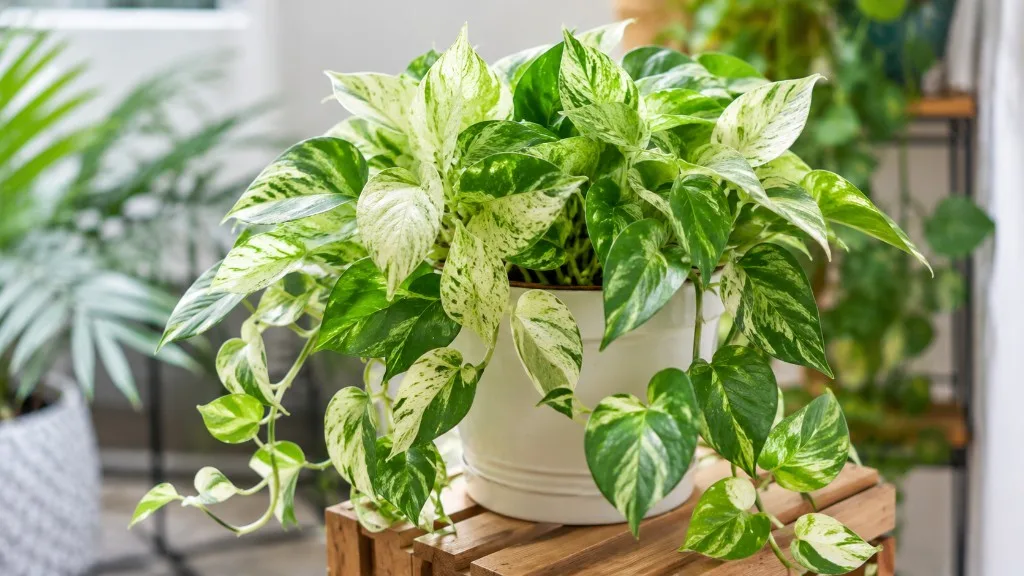
Marble Queen Pothos (Epipremnum aureum ‘Marble Queen’) is an aroid vine whose roots expect oxygen between waterings-not constant soggy peat. Soil is the system that decides how much air, moisture, and recovery time roots get after every drink. The main mistake is using dense, unamended bagged mix in an oversized pot, then watering on a calendar while variegated vines yellow on wet soil.
This guide covers the best mix recipe, drainage speed, pot choice, pH, when to refresh compost, and practical checks that tell you whether your root zone is working. Pair it with watering, light, and repotting guides.
Best soil mix for Marble Queen Pothos
Start with a standard peat- or coco-based houseplant potting mix amended with 20–30% perlite by volume. The result should feel airy when squeezed-crumbly, not clay-like.
Simple recipe (one pot repot):
- 70–80% quality indoor potting mix
- 20–30% perlite
- Optional: 10% fine orchid bark if you tend to overwater or keep the plant in low light
Target pH 6.0–6.5-normal houseplant range. Marble Queen is a cultivar of Epipremnum aureum with slower growth than all-green golden pothos; it uses less water per week in the same conditions, so fast drainage matters more, not less.
Do not use:
- Straight garden soil or topsoil (compacts, harbors pests)
- 100% cactus mix without peat component (often dries unevenly for aroid roots)
- Mix with water-retaining crystals added (extends wet period at root zone)
Drainage speed
After watering Marble Queen Pothos, excess water should exit the drainage hole within minutes-not pool on the surface for hours. A drainage hole is not optional for long-term indoor care.
One-minute drainage check: Water thoroughly. Within 60 seconds, water should run from the hole. If it sits on top and runs down the inside wall of the pot, the mix is too compacted or peat-heavy-add perlite at next repot.
Dry-down standard: Top 1–2 inches should feel dry before the next drink. If mix stays wet longer than 5–7 days in normal indoor light, the soil system is too dense, the pot is oversized, or light is too dim for the water you supply.
Stones at the bottom of a pot do not fix poor drainage-they reduce root volume and can perch the water table higher. Fix the mix itself.
Pot choice
Choose a pot only slightly larger than the root ball-typically 1–2 inches (2.5–5 cm) wider when upsizing. Oversized pots hold excess wet mix around unused space; tiny pots dry in one day and stress roots.
Material: Plastic and glazed ceramic retain moisture longer; terra-cotta breathes faster-adjust watering after repotting either way. Hanging baskets need inner pots with holes; cachepots must be emptied after watering.
Match depth to trailing root habit: pothos roots are relatively shallow compared with tree-houseplants-a deep oversized container usually worsens wet-foot problems.
pH and minerals
Marble Queen Pothos tolerates typical municipal water in the pH 6.0–6.5 range. If leaf tips brown and white crust builds on the soil surface, flush the mix with plain water at the sink until runoff runs clear, or refresh compost at repotting instead of adding more fertilizer.
Salt buildup from overfeeding on wet roots yellows variegated leaves and mimics soil failure-fix watering rhythm before blaming the mix alone.
When to refresh the mix
Refresh soil when:
- Mix compacts and water runs straight down the pot sides
- Sour or swampy smell from drain holes
- Fungus gnats or surface mold persist despite dry-down watering
- Roots circle densely or emerge from drainage holes
- Plant dries out in one day because roots filled the pot
Repot to solve a root-zone problem, not as a reflex for every yellow leaf. See the repotting guide for season and technique.
Soil mistakes to avoid
- Oversized pot + dense mix - the most common overwatering on Marble Queen Pothos setup for variegated pothos
- No drainage hole - standing water guarantees root stress
- Repotting into wet, cold mix on a stressed yellow plant without inspecting roots first
- Burying nodes too deep when repotting trailing vines-keep the soil line at the same level on the main stem
- Reusing old peat that has broken down into fine mud when refreshing only the top inch
Practical checks
Root-zone smell test
Fresh mix smells earthy. Sour, swampy, or stagnant odor means roots may be losing oxygen before leaves show full yellowing.
Finger probe after watering
Three days after a thorough drink, the top 1–2 inches in bright light should be approaching dry-not still cool and clinging. Adjust perlite ratio or light before changing watering frequency alone.
Variegation as a slow-growth signal
Marble Queen pushes fewer leaves per month than golden pothos in the same pot. Slower uptake means the same mix stays wet longer- increase perlite or reduce pot size rather than waiting for yellow lower leaves.
Conclusion
Marble Queen Pothos thrives in airy, well-drained aroid mix: standard potting soil plus 20–30% perlite, pH near 6.0–6.5, in a pot with a drainage hole sized to the root mass. The mix should let the top 1–2 inches dry within a week in typical indoor conditions-not hold water at the surface while variegated vines look fine above. Refresh compost when it compacts or smells sour, upsize only one step at a time, and treat soil as part of the same system as light and watering-not a one-time fill at purchase.
When to use this page vs other Marble Queen Pothos guides
- Marble Queen Pothos overview - Start here for whole-plant context before deep-diving this topic.
- Marble Queen Pothos problems hub - Jump to symptom-specific fix guides when this care topic does not resolve the issue.
- Root Rot on Marble Queen Pothos - Escalate here when soil adjustments are not enough.
- Mold on Soil on Marble Queen Pothos - Escalate here when soil adjustments are not enough.