How to Prune Prayer Plant for Bushier Growth: Nodes, Timing
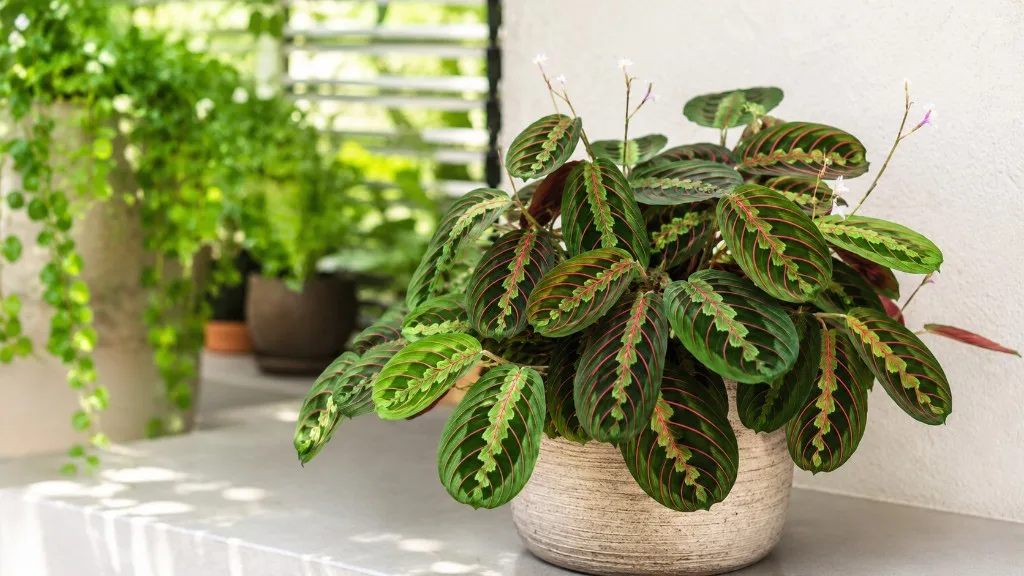
How to Prune Prayer Plant for Bushier Growth: Nodes, Timing & Recovery
How to Prune Prayer Plant for Bushier Growth: Nodes, Timing & Recovery
Quick Answer - Your First Cut
First, remove only leaves that are fully yellow, brown, collapsed, or clearly rotting - snip each petiole cleanly at the base where it meets the stem or soil, not mid-blade. Maranta leuconeura (prayer plant) grows as a low, spreading mound from short rhizomes and thin branching stems. Unlike Calathea, which rarely branches after a stem cut, prayer plant can produce lateral shoots from nodes when you trim above them during active growth. Dead-leaf removal tidies the plant and lets you inspect runners before any shaping cuts.
NC State Extension describes prayer plant as a clumping, spreading evergreen with oblong leaves that fold upright at night. Missouri Botanical Garden notes its low tropical growth habit and indoor culture needs. Pruning addresses leggy runners and spent foliage; it does not fix fluoride brown tips or low humidity - adjust water quality and moisture before expecting new leaves to open cleanly after a trim.
What Pruning Does for Prayer Plant
Prayer plant pruning serves three practical jobs in most homes:
- Sanitation - remove dead, diseased, or pest-damaged leaves before problems spread into the crown
- Shape control - shorten long bare runners so growth stays in a compact mound or hanging basket silhouette
- Density - activate nodes lower on a stem so side shoots fill gaps left by leggy extension
Maranta spreads horizontally by nature. Without occasional trimming, potted plants often develop long naked runners with foliage only at the tips while the center looks thin. Light stem cuts above nodes redirect energy from apical tips toward lateral buds. That response is why prayer plant is one of the more trim-friendly members of the Marantaceae family sold as “prayer plants.”
Pruning cannot substitute for filtered or rainwater when tap fluoride keeps scorching leaf edges, or for humidity below 50% when new spears crisp as they unfurl. Treat scissors as grooming and light shaping - not as a cure for chronic care stress.
Creeping Rhizomes and Branching Stems
New leaves on Maranta leuconeura emerge from nodes along thin stems and from rhizome tips near the soil surface. NC State Extension lists rhizomatous division and root cuttings as recommended propagation strategies, reflecting how the plant naturally colonizes horizontal space.
When you cut a stem just above a node, the node below your cut often pushes a new shoot within weeks in warm, humid conditions. Cut mid-internode - the bare section between nodes - and nothing activates; the stub may brown and die back. That node-based branching is the main structural difference from Calathea grooming, where petiole removal at the rhizome is the primary cut type and stems do not reliably rebranch.
What to Check Before You Cut
Run through this inspection before shaping live stems:
- Is the leaf fully spent or still partly green? Lower-leaf yellowing on an otherwise firm plant is often normal senescence. Yellow climbing the plant or wilting from the center suggests watering, temperature, or root problems - fix those before removing much live tissue.
- Are brown tips stable or spreading to every new leaf? on Maranta Leuconeura Stable dry margins on older blades may be cosmetic. Tips on each new unfurling leaf point to fluoride, dry air, or inconsistent moisture - trimming alone will not stop the pattern.
- Are stems leggy or is the whole plant weak? Long inter-nodes with small pale leaves often mean too little light. Move to brighter indirect light before heavy cutting, or you may prune away the plant’s remaining productive foliage.
- Any pests on undersides? Spider mites and mealybugs favor stressed prayer plants in dry indoor air. Treat or isolate infested sections before grooming spreads pests across fresh cut surfaces.
- Recent repot, move, or watering crisis? Avoid stacking stem pruning on the same day you repot or correct root rot on Maranta Leuconeura. Maranta sulks when multiple stressors hit at once.
When to Prune Maranta Leuconeura
Anytime: Fully yellow, brown, collapsed, or rotting leaves; blades with soft spreading spots; clearly pest-infested tissue that must be discarded.
Late spring through early summer: Shaping cuts on leggy runners, pinching soft tips, and light crown balance when growth is steady. This is the best window for node cuts that should branch quickly.
Early fall: A light maintenance trim if the plant is still actively producing new leaves - useful before indoor heating drops humidity.
Pause heavy live-stem pruning in late fall and winter when heated rooms run dry. Prayer plant still needs leaves to manage moisture stress; hard cuts in low humidity often produce further edge crisping before new shoots appear.
Do not use pruning as the first response to sudden mass yellowing after overwatering on Maranta Leuconeura. Let soil dry appropriately, inspect roots if needed, then remove failing leaves in stages as the plant stabilizes.
The First Cut: Remove Fully Spent Leaves
Start every pruning session with sanitation only. Hold the petiole where it joins the stem or disappears into the soil line and cut flush with sharp, alcohol-wiped scissors. Pulling leaves by hand can tear rhizome tissue or leave stubs that hold moisture against the crown.
Fully brown, mushy, or collapsed blades should go immediately - they no longer photosynthesize and can harbor fungus or pests. Partly green leaves with minor crisp edges can stay while you improve humidity and switch to filtered water; cosmetic edge trimming is optional and never urgent.
If multiple outer leaves fail at once after a care shock, remove the worst offenders first, wait two weeks, then reassess. Staged dead-leaf removal beats stripping one-third of the plant in a single anxious session.
Where to Cut - Nodes, Stems, and Rhizomes
Stem Cuts for Bushiness
Identify nodes as slight swellings on the stem where a leaf petiole attaches - sometimes slightly lighter green than the internode between them. To shorten a leggy runner and encourage side growth, cut 6–10 mm (about ¼ inch) above the node you want to keep, at a slight angle with a clean blade.
Work around the pot for balance rather than shearing all stems to one height. Prayer plant looks best as a natural low mound, not a tight geometric ball. Multiple moderate cuts along one long runner can activate several branching points over a few weeks.
Soft new tips on actively extending shoots can be pinched between fingernails during spring and summer for minor maintenance - equivalent to a very light prune above the top node.
Leaf Removal vs. Cosmetic Edge Trimming
Leaf removal applies to fully failed blades - cut at the petiole base as described above.
Cosmetic edge trimming means snipping dry brown tips following the leaf’s natural contour. Use this sparingly on leaves that are mostly green and stable. Repeated tip trimming on every leaf while tap water and dry air stay unchanged wastes plant energy and does not address the cause.
Never cut through the middle of a bare internode expecting new growth - prayer plant branches from nodes, not random stem points.
Rhizome Division (Separate From Routine Grooming)
When the whole clump outgrows its pot, division at Maranta Leuconeura repotting guide is the correct size-control tool - not repeated stem hacking. RHS Maranta guidance treats prayer plant as a clump-forming tropical suited to warm humid rooms. Gently separate rooted sections with several stems each during spring repotting. Division is propagation and repot work, not something to combine casually with a routine dead-leaf grooming pass.
How Much You Can Safely Remove
Follow the one-third rule for live tissue in one session: do not remove more than about one-third of total foliage when cutting stems and spent leaves combined. Prayer plant recovers faster than many Calathea cultivars but still needs enough leaf surface to photosynthesize and tolerate indoor humidity swings.
Dead or diseased leaves do not count toward that limit - remove them promptly regardless of percentage.
For major renovation of a severely leggy plant, plan two sessions spaced four to six weeks apart during active growth rather than one hard cutback in dry winter air.
Step-by-Step Prayer Plant Pruning
- Inspect the mound from above and below - note leggy runners, bare center, spent leaves, and any sticky residue or webbing on undersides.
- Sterilize scissors or small bypass snips with 70% isopropyl alcohol.
- Remove dead leaves at petiole bases across the whole plant before touching live stems.
- Mark the longest runners - choose nodes where you want new side shoots, typically two to four nodes back from the tip.
- Cut above each chosen node at a slight angle, working evenly around the pot.
- Pinch soft extending tips if you want minor density without a full stem removal.
- Collect stem sections with at least one node if you plan to propagate; discard mushy or pest-infested material.
- Maintain humidity above 55% and keep soil evenly moist (not soggy) for the next two weeks - recovery depends on stable culture more than fertilizer.
Using Trimmed Stems for Propagation
Stem sections with one or two nodes and a few healthy leaves root readily in water or moist potting mix during spring and summer. NC State Extension lists root cuttings among recommended propagation methods for Maranta Leuconeura overview. Place cuttings in Maranta Leuconeura light guide, change water weekly if rooting in a jar, and expect roots in roughly two to four weeks under warm humid conditions.
Division at repotting remains the most reliable way to produce full small plants quickly from a mature clump. Propagation from pruning trimmings is a bonus, not a required step - skip it if stems are diseased or the parent plant is already stressed.
Aftercare and Recovery Timeline
After pruning, keep soil consistently moist at about 2 cm depth without waterlogging, use filtered or overnight tap water to limit fluoride damage on new leaves, and maintain 55–60% humidity or higher when possible. Medium to bright indirect light supports branching without bleaching variegation - direct sun scorches prayer plant foliage quickly.
New side shoots often appear two to four weeks after spring or summer node cuts when temperature stays above 18°C (65°F) and humidity is stable. Fall or winter trims may show little visible response until the next active growth period even if the plant is otherwise healthy.
The ASPCA lists prayer plant as non-toxic to cats and dogs, so trimmed stems on a counter are not a poisoning risk - though curious pets may still knock over propagation jars or chew wet stems.
Do not fertilize immediately after a heavy prune on a stressed plant. Resume half-strength feeding only once new growth is visible and Maranta Leuconeura watering guide is stable.
Signs Pruning Worked - or Went Too Far
Pruning succeeded when:
- New leaves or side shoots emerge from nodes below your cuts within a few weeks
- The crown looks fuller from multiple shorter stems instead of one long bare runner
- Spent tissue is gone and remaining leaves stay firm with normal nightly folding
Pruning went too far or was mistimed when:
- Leaf edges crisp rapidly on all remaining blades after a hard winter cut
- The plant stalls with no new growth for six or more weeks during warm active season
- Wilting worsens after pruning because roots were already compromised - stop cutting and fix moisture first
- Mid-internode stubs brown and no branching appears - recut above the nearest healthy node during the next active growth window
Mistakes to Avoid
- Cutting mid-internode - no buds activate; stubs die back unsightly
- Heavy pruning in dry heated winter rooms - slow recovery and more crisping
- Removing too many green leaves during root stress - worsens wilt without fixing cause
- Pruning without checking for spider mites or mealybugs first - spreads pests across fresh wounds
- Shearing into a tight ball - fights the plant’s natural spreading mound habit
- Stacking prune + repot + move on one day - prayer plant responds with dramatic curl and stall
- Expecting pruning to fix fluoride tips - switch water source and raise humidity instead
Keeping Shape Between Pruning Sessions
Rotate the pot monthly so all sides receive similar light - uneven light is a common cause of one-sided leggy growth. When a runner reaches the pot rim, either trim above a low node or gently guide the stem so a node contacts moist soil to root in place and thicken the base.
Light tip pinching during spring and summer maintains density without annual hard cutbacks. Remove spent leaves as they appear rather than waiting for a big grooming day. If brown tips keep returning on new leaves, adjust water quality and humidity before the next shaping session - otherwise you will repeat the same trim cycle indefinitely.
When to use this page vs other Maranta Leuconeura guides
- Maranta Leuconeura overview - Start here for whole-plant context before deep-diving this topic.
- Maranta Leuconeura problems hub - Jump to symptom-specific fix guides when this care topic does not resolve the issue.
- Plant Leaning on Maranta Leuconeura - Escalate here when pruning adjustments are not enough.
- Slow Growth on Maranta Leuconeura - Escalate here when pruning adjustments are not enough.
- Brown Tips on Maranta Leuconeura - Escalate here when pruning adjustments are not enough.