Maranta leuconeura Repotting: When, How & Mistakes
Maranta leuconeura Repotting: When, How & Mistakes
Maranta leuconeura Repotting: When, How & Mistakes
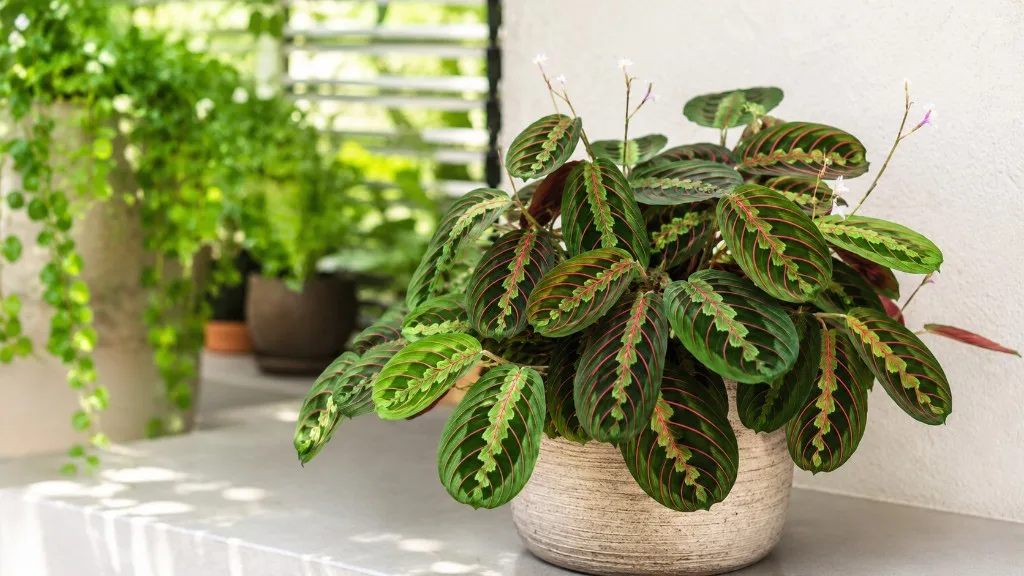
Maranta leuconeura repotting is not a generic houseplant chore - it is the moment when shallow rhizomes, a clumping spread habit, and the plant’s famous nightly leaf fold all intersect with pot size and fresh mix. Maranta leuconeura grows as a rhizomatous, low-growing, clump-forming tropical perennial native to Brazil, typically reaching 12–15 inches tall and as wide indoors. Those short rhizomatous stems spread horizontally, not downward - so the wrong pot depth, an oversized container, or a bare-root shake that strips fine root hairs can stall growth for weeks and pause the leaf-folding rhythm that tells you the plant is otherwise healthy.
Quick answer: Most indoor prayer plants need a full repot every one to two years, ideally in spring or early summer when active growth resumes. Go only one pot size up (about 2–5 cm / 1–2 inches wider), refresh with the 60/20/20 peat-free blend on the Maranta leuconeura soil guide, keep rhizomes near the same depth they grew before, consider division if the clump is crowded, and hold fertilizer for at least four weeks while roots settle.
This guide covers when to full-repot versus top-dress, pot sizing for shallow rhizomes, numbered repot and division procedures, aftercare links across the Maranta Leuconeura overview, and the mistakes that turn a routine upgrade into repotting stress or root rot.
Why Prayer Plants Need Gentle Repotting
Generic repot advice - jump two sizes, shake off all old soil, fertilize to “boost” recovery - fails on Marantaceae because prayer plants are rhizome-spreaders in the upper soil layer, not deep-rooted trees. NC State Extension describes short, rhizomatous stems and a horizontally spreading habit; Missouri Botanical Garden notes the species is rhizomatous, low-growing, and clump-forming, reaching roughly a foot tall and wide. In habitat the plant occupies the humid forest floor where leaf litter drains fast after rain while the air stays moist - indoors that translates into wide, shallow pots, moist but airy mix, and repot sessions that disturb roots once, not twice.
Repotting solves problems that show up as foliage symptoms if you ignore the root zone. Root-binding compresses the mat until water channels through without wetting evenly. Depleted mix loses perlite structure and holds stale water at the bottom of deep pots. Salt buildup from tap water and fertilizer burns fine roots even when you water carefully. A well-timed repot is also the standard window to divide an overgrown clump - Missouri Botanical Garden recommends propagation by cuttings or division, and RHS lists division among propagation methods for this genus.
Shallow Rhizomes and Horizontal Spread
Prayer plant roots and rhizomes occupy the upper few inches of mix, not a deep taproot column. When you upgrade to a tall cylinder “for future growth,” the lower third often stays saturated for weeks in bright filtered light that does not dry the profile fast enough - a common path to rot after repot. Match pot width to rhizome spread more than leaf diameter. Wide bowls and hanging baskets often suit M. leuconeura better than deep nursery cans.
At repot, keep rhizomes and crown junctions at roughly the same depth they had in the previous container. University of Illinois Extension warns not to allow water to stand on the crowns because stems rot easily - burying petiole bases deeper than before invites the same failure mode in fresh mix.
Nyctinasty as a Recovery Signal
Healthy prayer plants fold leaves upward at night through nyctinasty - a daily rhythm driven by pulvini at the leaf base. After repot, many specimens pause or weaken that movement for days while roots re-establish; that is often normal transplant shock, not immediate death. Track recovery by return of nightly folding and clean new leaves unfurling - not by whether older damaged foliage repairs itself (it will not). Red-veined cultivars like M. leuconeura ‘Erythroneura’ may shed more lower leaves than green rabbit-track forms after disturbance; both should resume folding once moisture, humidity, and root contact stabilize.
When to Repot vs. Top-Dress
Not every spring soil refresh requires removing the whole root ball. Two maintenance paths keep stress proportional to the problem.
| Approach | Best when | What you do | Limitations |
|---|---|---|---|
| Top-dress | Plant not circling heavily; mix surface crusted or salt-loaded; fall refresh without full disturbance | Scrape top 3–5 cm of old mix; replace with fresh 60/20/20 blend | Does not fix circling roots at bottom or severe binding |
| Full repot | Roots from drainage holes; water runs through in seconds; sour smell; unstable watering | Remove plant, tease circling roots, one pot size up, all-new mix | Higher shock if done in deep winter or oversized pot |
| Divide at repot | Clump is wide with multiple crowns; you want propagation material | Split rhizomes with roots attached; pot divisions separately | Each division needs its own stable humidity while recovering |
Full repot when two or more root-bound signals appear during the active growth window. Top-dress in early spring as bridge maintenance between full repots every one to two years - matching NYBG guidance to repot in spring every one or two years in a soil-based mixture with drainage.
Signs Your Prayer Plant Is Ready
The clearest signals are roots circling the pot bottom, roots emerging from drainage holes, and water running straight through without the mix absorbing normally. Growth that stalls despite proper light and feeding often means exhausted or compacted mix. Less obvious but reliable: the pot dries out in under three days after a thorough soak because a dense root mat dominates the volume. Yellow lower leaves on soil that stays wet can mean compacted mix - cross-check overwatering before repotting, because moving an already-stressed plant adds another variable.
Do not repot solely because one leaf yellowed. Prayer plants naturally shed older foliage. Confirm the root zone is the bottleneck first.
Tools, Pot Size, and the 60/20/20 Soil Mix
Gather everything before you disturb roots - a prayer plant with exposed rhizomes should not wait on the counter while you hunt for mix.
Tools and materials:
- New pot 2–5 cm (1–2 inches) wider than the current one, with drainage holes - prefer wide and moderately shallow over tall and narrow
- Pre-mixed 60 % peat-free potting compost + 20 % perlite + 20 % coco coir (full recipe on the soil guide)
- Hand trowel, chopstick or pencil for backfilling
- Clean scissors for mushy roots or rhizome cuts
- Optional: sterilized knife for division
- Watering can with narrow spout, tarp or newspaper (repotting is messy)
RHS advises growing under glass in peat-free compost with moist but well-drained conditions. Missouri Botanical Garden recommends a soil-based potting mix with bright indoor light and consistently moist - but not waterlogged - soil during the growing season. That “consistently moist” phrase only works when perlite and coir keep oxygen in the profile - the reason the site standardizes on the 60/20/20 ratio rather than unamended bagged soil.
Worked Example: 4-Inch to 5-Inch Upgrade
A root-bound M. leuconeura in a 10 cm (4-inch) nursery pot moves to a 12–13 cm (5-inch) pot - not a 15 cm decorative planter reserved “for future growth.” At that upgrade, batch roughly 6 parts peat-free compost, 2 parts perlite, 2 parts coco coir by volume. Pre-moisten mix until it feels like a damp sponge, not mud. After backfilling, the soil line should sit 2–3 cm below the rim so water does not spill over the crown at the first soak.
Step-by-Step: Full Repot
Work when you have 30–45 minutes uninterrupted. Minimize root exposure time.
Step 1 - Water the day before. A lightly moist root ball holds together and slips out cleanly. Bone-dry soil crumbles; soggy soil smears and risks crown rot.
Step 2 - Prepare the new pot. Add enough fresh mix to the bottom so the plant will sit with the previous soil line 2–3 cm below the rim. No gravel drainage layer - it does not improve drainage and can create a perched water table.
Step 3 - Remove the plant. Tip the prayer plant on its side, support the foliage mass, and slide it out. Squeeze flexible nursery pots; run a knife around rigid pots if needed.
Step 4 - Inspect and tease roots. White, firm roots are healthy. Trim brown, mushy, sour-smelling tissue with clean scissors. Tease circling roots at the bottom and sides so they point outward - keep most of the original soil around the core (see Bare-Rooting mistake).
Step 5 - Check rhizome depth. Note where stems meet rhizomes on the old soil line. Plan to replant at the same depth - crowns should not sit lower than before.
Step 6 - Set the plant. Center the root ball in the new pot. Wide clumps may sit slightly off-center if that matches the natural spread direction.
Step 7 - Backfill. Add mix in stages, working it between roots with a chopstick. Firm lightly - enough to remove large air gaps, not enough to compact mix into mud.
Step 8 - Water thoroughly. Soak until excess runs from drainage holes. Empty the saucer within 30 minutes. Place in bright indirect light, out of direct sun, for 7–10 days.
Step 9 - Hold fertilizer. Skip feed for at least four weeks while roots settle - Missouri Botanical Garden advises reducing fertilizer substantially from autumn to late winter, and fresh repot roots should not receive a salt load immediately. Resume per the fertilizer guide only after new growth looks firm.
Step 10 - Track dry-down. Fresh mix often behaves differently for the first two weeks. Follow watering checks (top 2 cm moisture) rather than your old calendar until the pot rhythm stabilizes.
Step-by-Step: Divide an Overgrown Clump
Division belongs in the same session as repot when the plant has multiple stem clusters with their own roots - the most reliable propagation path per Missouri Botanical Garden and NC State’s rhizomatous division guidance.
Step 1 - Choose timing. Spring or early summer, when the parent plant is actively growing - same window as full repot.
Step 2 - Unpot and expose rhizomes. After sliding the plant out, brush away only loose exterior soil until you see where rhizomes connect separate crown clusters.
Step 3 - Identify natural splits. Look for sections with at least three to five healthy stems and a visible root mass per division. Weak single-stem pieces recover slowly.
Step 4 - Separate. Pull apart gently at natural junctions. If rhizomes are thickly fused, cut with a sterilized knife through the rhizome - each piece needs roots attached.
Step 5 - Pot divisions. Use pots the same size or one step smaller than the parent was using - each division is smaller than the whole clump. Fill with fresh 60/20/20 mix, plant at original depth, and water thoroughly.
Step 6 - Humidity and light. Keep divisions in bright indirect light and elevated humidity (humidifier or pebble tray) for the first two weeks. See the propagation guide for long-term division aftercare.
Common Repotting Mistakes
Too-Large Pot and Rot Risk
Jumping two pot sizes feels generous; biologically it reserves a wet zone the small root system cannot use. Yellow lower leaves, sour smell, and soft crowns follow - often misread as underwatering. Stick to one size up. If you want a bigger decorative cachepot, keep the plant in a right-sized draining inner pot.
Bare-Rooting Fine Root Hairs
Stripping every crumb of old soil removes fine root hairs that absorb water. Prayer plants recover, but shock lengthens and lower leaf drop intensifies. Keep some original mix around the root ball; tease only exterior circling roots and obvious mush.
Burying Rhizomes Too Deep
Deep planting buries the crown where Illinois Extension warns water must not stand. Stems rot at the soil line; new shoots stall. Match the old soil line on the stems.
Skipping Division on a Crowded Clump
An overcrowded clump in a merely upsized pot often competes for the same root volume - outer stems thrive while the center declines. If you see multiple crown clusters and circling roots together, divide or at least tease apart the worst tangles instead of dropping the whole mass into a larger pot unchanged.
Other mistakes: fertilizing immediately after repot; daily heavy watering “to help shock”; repotting during active pest treatment; winter full repot of a merely slightly tight plant in a cool room; and sealed cachepots that trap drainage after repot when mix is already wetter than usual.
After Repotting: Water, Light, and Fertilizer Pause
Repotting resets the soil–water relationship. Fresh mix with more perlite and coir may mean the surface dries faster while the middle still holds moisture - exactly why finger checks beat calendars.
Water: Light, thorough soaks when the top 2 cm is approaching dryness per your normal watering routine. Avoid keeping mix constantly soggy “to help shock” - that worsens rot risk on shallow rhizomes.
Light: Bright indirect exposure, no direct sun on wilted leaves for the first week. Missouri Botanical Garden notes too much sun bleaches attractive leaf colors - stressed post-repot foliage burns faster.
Fertilizer: None for at least four weeks. When new leaves arrive firm and patterned, resume monthly feeding during active growth per the fertilizer guide.
If wilting, yellowing, or sour smell persists beyond three weeks, inspect roots - you may be dealing with rot or an oversized pot, not normal shock.
Recovery Timeline and Normal Shock
Mild transplant shock - slight droop, one or two older yellow leaves, reduced nightly leaf folding - commonly clears within one to two weeks in warm spring conditions. This window is a practical grower observation; individual homes vary with temperature, humidity, and light.
Root re-establishment - roots exploring fresh mix, stable watering rhythm - often takes four to six weeks before growth feels normal again. The best recovery signals are return of nyctinasty (visible fold after dark) and a new leaf unfurling at full size and color for your cultivar - not repair of old damaged foliage.
Escalate if wilting worsens after the first week, multiple leaves yellow at once, stems soften at the crown, or soil smells sour. Those patterns point to root rot or chronic overwatering in too-large pots - not patience-worthy shock.
Seasonal Timing for Prayer Plant Repots
Spring through early summer is the safest default. Rising temperatures and longer days match active growth when Missouri Botanical Garden recommends monthly fertilizer during the growing season and reduced care in winter. NYBG specifies spring repotting every one or two years in a loose, drained soil-based mixture.
Early fall top-dress can refresh the surface if you missed spring, but avoid full repot in late fall unless urgent.
Winter repot only when delay would clearly harm the plant: severe root-binding with repeated wilting, active rot requiring trim and fresh mix, or a broken pot. Keep indoor temperatures above 60°F (15°C) per Missouri Botanical Garden cold intolerance guidance, provide bright indirect light, and water more cautiously until new growth returns.
| Season | Full repot risk | Top-dress | Notes |
|---|---|---|---|
| Spring | Low | Ideal | Combine with division if clump is wide |
| Summer | Low–medium | OK | Avoid hottest week; slight shade first days |
| Fall | Medium | Preferred over full | Growth slowing |
| Winter | High | OK for surface refresh | Full repot only if urgent |
Practical Checks Before You Commit
Urgency check: If roots circle heavily and water runs straight through, plan a full repot in the next active growth window - delaying risks stunted growth and salt buildup in exhausted mix.
Inspection order: Lift the pot, check drainage holes, then slide the plant out 2–3 cm to peek at root color without full removal if unsure. Smell the root zone - sour means act soon. If repotting, tease only exterior circling roots; keep the core intact.
Depth check: Before backfilling, confirm stem bases sit at the same line they had in the old pot - not deeper “to stabilize” a wobbly clump.
Pet and Child Safety
Maranta leuconeura is listed as non-toxic to cats and dogs by the ASPCA. That makes it one of the safer patterned houseplants for pet homes - but chewing any plant can cause mild stomach upset, and repotting exposes loose soil and debris. Keep the work area away from pets, and contact your vet or ASPCA Poison Control at 888-426-4435 if symptoms persist. See the overview pet section for placement guidance.
Conclusion
Maranta leuconeura repotting succeeds when you respect rhizome biology: one pot size up, wide shallow pots, the 60/20/20 mix, crowns at the same depth, optional division when clumps crowd, and a patient fertilizer pause. Spring timing, return of nightly leaf folding, and clean new leaves are your confirmation the prayer plant is back on track - not the cosmetic repair of older foliage. Link repot rhythm to watering, light, and propagation across the care cluster, and escalate to root-rot troubleshooting only when shock signals worsen instead of stabilizing after the first week.
When to use this page vs other Maranta Leuconeura guides
- Maranta Leuconeura overview - Start here for whole-plant context before deep-diving this topic.
- Maranta Leuconeura problems hub - Jump to symptom-specific fix guides when this care topic does not resolve the issue.
- Repotting Stress on Maranta Leuconeura - Escalate here when repotting adjustments are not enough.
- Transplant Shock on Maranta Leuconeura - Escalate here when repotting adjustments are not enough.
- Root Rot on Maranta Leuconeura - Escalate here when repotting adjustments are not enough.
Related Maranta Leuconeura guides
- Maranta Leuconeura overview
- Maranta Leuconeura watering
- Maranta Leuconeura light
- Maranta Leuconeura soil
- Maranta Leuconeura propagation
- Maranta Leuconeura fertilizer
- Repotting Stress on Maranta Leuconeura
- Transplant Shock on Maranta Leuconeura
- Root Rot on Maranta Leuconeura
- Maranta Leuconeura problems