How to Propagate Maranta Leuconeura: Best Method & Aftercare
How to Propagate Maranta Leuconeura: Best Method & Aftercare
How to Propagate Maranta Leuconeura: Best Method & Aftercare
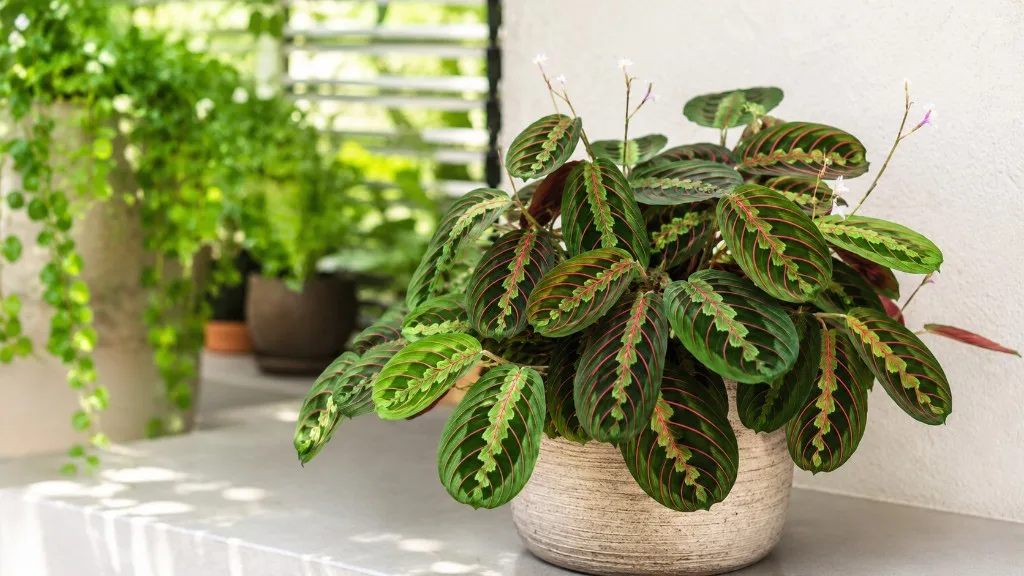
Maranta leuconeura-prayer plant, herringbone plant-is a rhizomatous tropical perennial grown for patterned leaves that fold at night. Propagation is straightforward when you respect two facts: every cutting needs a node, and humidity matters as much as moisture. Prayer plants are not pothos; they wilt in dry propagation trays and rot in waterlogged peat.
Illinois Extension describes prayer plants as humidity-sensitive indoor specimens-propagation setups must mirror that, not treat cuttings like drought-tolerant succulents.
This guide covers stem cuttings, division, water vs soil methods, timing, step-by-step setup, aftercare, and common failure fixes for Maranta leuconeura cultivars including red-veined and lemon-lime types. For baseline care after rooting, see our prayer plant watering, soil, and overview guides.
Quick Answer
Propagate Maranta leuconeura with stem cuttings (one node + one leaf minimum) or division of multi-crown plants in spring or early summer. Use high humidity (clear dome or bag), warm bright indirect light, and lightly moist airy mix-not soggy soil. Roots typically form in two to four weeks; pot up when new growth resumes.
Best Propagation Methods for Prayer Plant
Stem Cuttings (Most Common)
Cut just below a node on a healthy stem. Each section needs at least one node buried or touching medium and one leaf to photosynthesize. Leafless node chunks can root but take longer.
Division
Mature clumps with multiple shoots and separate rhizome sections can be gently divided at repotting. Each division needs roots and several leaves. Less dramatic than single-node cuttings but faster to a full-looking pot.
Layering (Advanced)
Low stems pinned to moist sphagnum while still attached to the mother plant can root at nodes-useful for leggy vines you want to salvage without removing the parent stem.
When to Propagate Maranta Leuconeura
Best: Spring through early summer-active rhizome growth, longer days, stable indoor warmth.
Avoid: Mid-winter in unheated dim rooms unless supplemented with heat mat and grow light per our light guide.
Skip when the parent shows pest pressure, active rot, severe wilt, or was repotted within the last two weeks.
Tools and Setup
- Sharp sterilized scissors or knife
- Small pots with drainage
- Propagation mix: peat or coco + perlite (50:50), or sphagnum moss-same airy structure as mature prayer plant soil
- Clear plastic bag or humidity dome
- Optional: rooting hormone (not required for Maranta)
- Warm bright indirect light-no direct scorching sun on cuttings
How to Propagate by Stem Cuttings (Step by Step)
- Select healthy stems with firm leaves and no pest damage.
- Cut below a node-each piece needs one node minimum.
- Remove lower leaves that would sit below medium (prevents rot).
- Optional: Dip node in rooting hormone.
- Plant node one to two cm deep in moist airy mix, or suspend in water with node submerged, leaf above water.
- Cover with humidity dome or bag vented daily for air exchange.
- Place in bright indirect light at 21–27°C.
- Maintain lightly moist mix-never waterlogged.
- Check roots in two to three weeks; pot when roots are one to two inches and new growth appears.
Water Propagation vs. Soil Propagation
Water: Visible root progress; easy for beginners. Change water weekly. Transition to soil gently when roots reach one to two inches-keep humidity high the first week after potting to limit shock.
Soil / sphagnum: Often produces sturdier roots; less transplant shock. Requires humidity dome discipline-soil should feel lightly damp, not wet.
Maranta is commonly propagated by division or cuttings-both routes work when humidity stays high.
Water-to-Soil Transition (Week by Week)
Water-rooted prayer plant cuttings fail most often during the first potting week-not during water rooting itself.
Week 0 (potting day):
- Pre-moisten airy mix in a small pot with drainage.
- Plant cutting so the node sits one to two cm deep; do not bury the leaf.
- Cover with humidity dome or clear bag vented once daily.
- Place in bright indirect light; no direct sun on tender leaves.
Week 1:
- Keep mix lightly damp-not wet. Prayer plant crowns rot when water pools where leaves meet the rhizome.
- Expect mild wilt on day one or two; dome humidity should stabilize turgor by day three.
- Do not fertilize. Do not remove dome unless leaves stay firm and humidity in the room exceeds 60%.
Week 2:
- Gently tug the cutting. Resistance means roots are anchoring.
- Crack the dome open for longer periods each day if new leaf growth begins.
- Resume normal watering rhythm only after the top 2 cm dries predictably between drinks.
Week 3–4:
- Remove dome entirely once two clean new leaves unfurl without crisp edges.
- If roots were thin and white from water, expect slower establishment than soil-rooted cuttings-patience beats repotting again.
Failure recovery: If the stem turns black at the base after potting, re-cut above a clean node, discard soggy mix, and restart in fresh sphagnum with a fresh dome. Check the parent for spider mites before taking a second cutting.
Division Step by Step
- Unpot a mature clump in spring.
- Identify natural separations between rhizome sections with their own shoots.
- Gently tease apart-sterilize knife if rhizomes are thickly intertwined.
- Pot each division in standard prayer plant soil.
- Humidity dome for one week; resume normal care when no wilt on new leaves.
Aftercare for New Prayer Plants
- Humidity: 60%+ the first two weeks-matches RHS humidity guidance for Maranta.
- Light: Bright indirect-avoid direct sun on tender cuttings; see light guide for placement.
- Watering: Keep evenly moist, not saturated; prayer plants flag wilt when dry.
- Fertilizer: Wait four to six weeks after potting before dilute feed per our fertilizer guide.
- Temperature: Avoid drafts below 15°C; NC State notes cold sensitivity on marantas.
How Long Until You Have a Full Plant?
Single-node cuttings produce one stem initially-pinch tips after rooting to encourage bushiness. Three cuttings in one pot look fuller faster than one lone stem. Expect two to three months from cutting to a presentable small clump in warm bright conditions.
Common Propagation Problems
| Problem | Cause | Fix |
|---|---|---|
| Rot at base | Submerged leaf, soggy mix | Re-cut; remove rotted tissue; fresh medium |
| Wilting leaf | Low humidity | Dome; mist air; not flood soil |
| No roots after 6 weeks | Cold, dim, no node | Move warmer/brighter; confirm node present |
| Yellow leaf on cutting | Normal if soil rooting; rot if mushy | Remove yellow leaf if firm stem remains |
| Crisp edges after potting | Dome removed too early | Restore humidity; check low humidity if edges keep burning |
Propagating Specific Cultivars
Red-veined (M. leuconeura var. erythroneura): Same method; keep stable humidity to prevent crisp edge burn during rooting.
Lemon-lime / kerchoveana: Often roots quickly; still needs humidity dome in dry homes.
Fascinator / tricolor: Slower; prioritize warm propagation station.
Propagation and Pest Prevention
Inspect parent plants for spider mites and mealybugs before taking cuttings-pests transfer to propagation trays. Sterilize tools between cuts.
When to Pot Up Rooted Cuttings
Move from water or propagation tray when:
- Roots are one to two inches long
- New leaf or stem growth begins
- Cutting resists a gentle tug
Use the same airy mix as mature prayer plants; hold fertilizer briefly.
Common Mistakes to Avoid
- Cuttings without nodes
- Leaves buried in wet peat
- Propagation in dark bathrooms without light
- Removing humidity dome too early in heated dry rooms
- Overwatering “because prayer plants like humidity”
- Potting water-rooted cuttings into dense, slow-draining mix
When to Worry
Discard cuttings with black mushy stems spreading past the node. If all leaves collapse on wet soil, restart from a healthy parent section. If the parent shows crown rot, propagate only from firm stem tips above the damage-see root rot before dividing a sick clump.